
Lawn
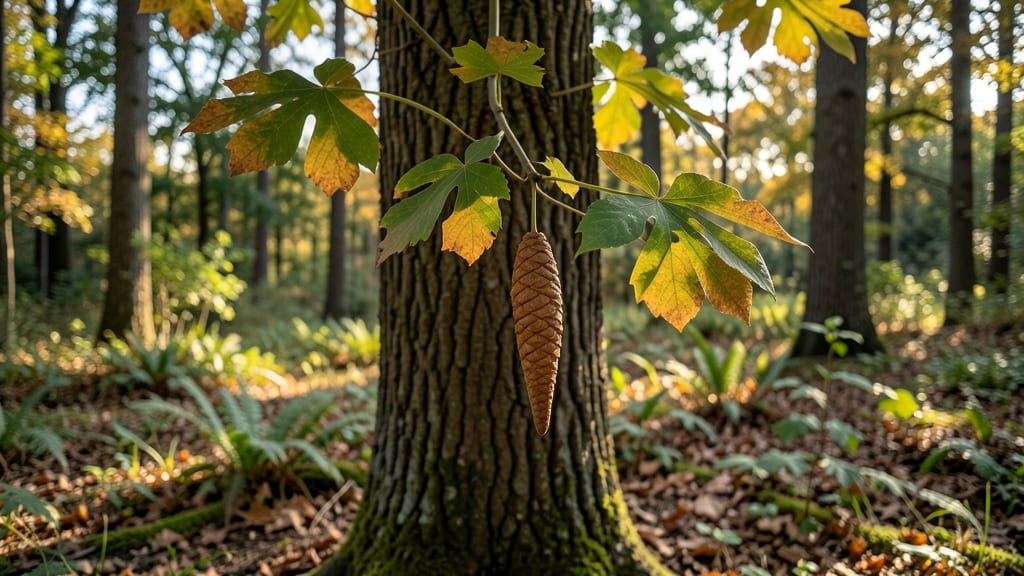
Growing a tulip tree from seed pods is like nurturing a future backyard giant—30-foot-tall and stunning—right from your own backyard. 🌱 The process starts with those distinctive cone-shaped pods that drop in late summer, each packed with potential for a towering shade tree in just three years.
First, you'll need to collect the pods when they're brown and splitting open (usually August-September), then carefully extract the winged seeds inside. These seeds require stratification—a cold period—to break dormancy, which mimics winter conditions.
I've found that placing them in a damp paper towel in the fridge for 6-8 weeks works like magic. Once stratified, you'll sow them in well-draining soil, either indoors under grow lights or directly outdoors in spring.
The key is keeping them consistently moist but not soggy—young seedlings are delicate but determined. Within 4-6 weeks, you'll see those first true leaves emerge, signaling the start of your future canopy.
This method works perfectly for anyone with space for a large tree, whether you're restoring a forest edge or adding shade to your property. The patience pays off with a tree that outlives generations.
📚 In This Guide
- What you need
- Instructions
- Tips and common mistakes
- Wrapping up and next steps
What you need
- ● Fresh tulip tree seed pods (3–5 pods per plant, harvested when brown and papery)
- ● Well-draining potting mix (1–2 bags, 10–20 quarts each)
- ● Seed-starting trays or small pots (5–10 trays or 3–4" pots, with drainage holes)
- ● Plastic wrap or humidity dome (to retain moisture)
- ● Spray bottle (for gentle watering)
- ● Grow lights or sunny windowsill (6+ hours of light daily)
- ○ Fertilizer (optional but helpful) (balanced 10-10-10 or slow-release granules)
- ● Garden soil amended with compost (1–2 cubic yards for transplanting)
- ● Garden trowel or shovel (for digging)
- ○ Mulch (optional) (2–3 inches of wood chips or straw to retain moisture)
- ○ Stakes or supports (optional) (for young trees in windy areas)
How to grow a tulip tree from seed pods
Here's how I transform those iconic football-shaped seed pods into a 30-foot shade giant—with patience and the right techniques.
🌱 Step 1: Collect and Prepare the Seed Pods
Harvest mature seed pods in late fall when they turn brown and papery. The pods should open naturally when dry—if they don't, let them dry indoors for a week or two in a paper bag. Once open, you'll see large, winged seeds inside that resemble tiny helicopters. Remove the seeds carefully, as they're delicate and brittle.
Store the seeds in a cool, dry place until spring planting. I like to keep them in an envelope with silica gel packets to prevent mold. The key here is timing—planting too early leads to rot, while waiting too long risks losing viability. Aim for late winter or early spring when soil temperatures begin to rise.
☀️ Step 2: Stratify Seeds for Faster Germination
Tulip tree seeds benefit from cold stratification to break dormancy. Place the seeds in a plastic bag with slightly damp sand or peat moss. Seal the bag and refrigerate for 8-12 weeks at 35-40°F. Check monthly to ensure the medium stays moist but not soggy—seeds should feel damp like a wrung-out sponge.
After stratification, plant the seeds ½ inch deep in individual pots filled with well-draining soil. I use a mix of 50% potting soil and 50% perlite to prevent waterlogging. Place the pots in a warm, bright location—70-75°F is ideal for germination. You'll see sprouts in 4-8 weeks, though some seeds may take longer.
🪴 Step 3: Transplant Seedlings to Containers
Once seedlings develop 2-3 sets of true leaves (not the initial seed leaves), transplant them to 5-inch pots with fresh potting mix. Handle the seedlings gently—their roots are fragile and break easily. Water thoroughly after transplanting to settle the soil around the roots, but avoid overwatering, which can cause damping-off.
Place the pots in full sun to partial shade and keep the soil consistently moist but never waterlogged. Tulip tree seedlings grow slowly at first, so don’t rush their development. You’ll notice new growth within 2-3 weeks if conditions are right. This is the stage where many growers give up—don’t! Patience pays off.
⏰ Step 4: Acclimate and Plant Outdoors
After the last frost, harden off seedlings by gradually exposing them to outdoor conditions over 10-14 days. Start with 1-2 hours of sunlight on the first day and increase exposure daily. Choose a permanent planting site with full sun to partial shade and well-draining soil—tulip trees hate soggy roots.
Plant seedlings 12-18 inches apart in a hole twice as wide as the root ball but no deeper. Water deeply after planting to encourage root establishment. Mulch around the base with 2-3 inches of organic mulch to retain moisture and suppress weeds. In 3 years, your seedlings will grow into 10-15 foot trees—a rewarding sight!
✂️ Step 5: Prune and Maintain for Healthy Growth
Young tulip trees need minimal pruning, but remove any dead, damaged, or crossing branches in early spring. Focus on shaping the tree as it grows—tulip trees develop a strong central leader, so avoid heavy pruning that can stunt growth. Fertilize lightly in early spring with a balanced 10-10-10 fertilizer to encourage strong root and shoot development.
Monitor for pests like aphids or spider mites, which can stress young trees. A strong spray of water often dislodges pests without chemicals. With proper care, your tulip tree will grow 2-3 feet per year, eventually reaching its majestic mature height. The best part? You started with a single seed pod.
Tips & tricks for growing tulip trees from seed pods
Transforming those iconic seed pods into towering trees takes patience—but these insider tricks will help you skip the common pitfalls and maximize success.
Pod Maturity Matters: The key to successful germination starts with harvesting pods that are fully mature. Look for pods that have turned completely brown and papery, and make sure they open naturally when dry. If they don't open easily, place them in a paper bag for a week or two to dry out completely. I've learned this the hard way—using immature pods leads to poor germination rates. Once open, those winged seeds resemble tiny helicopters, and handling them gently is crucial since they're delicate and brittle.
Stratification Precision: The 8-12 week cold stratification at 35-40°F is non-negotiable for breaking dormancy. I use a simple plastic bag with slightly damp sand or peat moss, checking monthly to ensure it stays consistently moist. Overwatering here can cause mold, while letting it dry out too much prevents proper stratification. After the cold treatment, planting the seeds ½ inch deep in a 50/50 mix of potting soil and perlite creates the perfect balance of drainage and moisture retention for those first critical weeks.
Seedling Care Secret: When your seedlings develop 2-3 sets of true leaves (not the initial seed leaves), it's time to transplant to 5-inch pots. This is where many growers make their first mistake—rushing the transplant or handling the fragile roots roughly. I always water thoroughly after transplanting to settle the soil around the roots, but I never overwater, as this can cause damping-off disease. Placing them in full sun to partial shade and maintaining consistent moisture (but never waterlogging) sets them up for that crucial 2-3 week growth spurt where you'll finally see progress after all that patience.
Outdoor Transition Strategy: The 10-14 day hardening off period is your best defense against transplant shock. Start with just 1-2 hours of sunlight on the first day and gradually increase exposure. I've found that planting in well-draining soil and mulching with 2-3 inches of organic material creates the ideal conditions for those young roots to establish quickly. Remember, tulip trees hate soggy roots—this is where many well-intentioned growers lose their seedlings to root rot.
Pro Tips for Tulip Tree Seed Pod
- Transforming those iconic seed pods into towering trees takes patience—but these insider tricks will help you skip the common pitfalls and maximize success.
- Pod Maturity Matters: The key to successful germination starts with harvesting pods that are fully mature.
- Stratification Precision: The 8-12 week cold stratification at 35-40°F is non-negotiable for breaking dormancy.
Frequently asked questions
Got questions about growing tulip tree seed pods? You’re not alone! Here are some of the most common queries—and straightforward answers—to help you succeed.
How do I know when tulip tree seed pods are ready to harvest?
Harvest pods when they turn brown and papery (usually late summer to fall). They should split open slightly, revealing winged seeds inside. Avoid harvesting if pods are still green—they won’t be viable. Pro tip: Tap a ripe pod gently; if seeds rattle, it’s ready!
How long does it take for tulip tree seeds to germinate?
Germination can take 30–90 days under ideal conditions (moist, well-draining soil at 60–70°F). Some seeds may sprout in spring, while others wait for warmer weather. Patience is key! Sow seeds indoors 8–10 weeks before last frost for a head start.
Can I grow tulip trees from seed pods without stratification?
Stratification (cold treatment) boosts success rates—mimic winter by refrigerating pods in damp sand for 60–90 days. Without it, germination may be slow or spotty. For faster results, try soaking seeds in water for 24 hours before planting. Alternative: Plant pods outdoors in fall and let nature handle stratification!
Why aren’t my tulip tree seeds sprouting? Troubleshooting tips.
Too dry?
Keep soil consistently moist (not soggy) during germination.
Wrong temperature?
Seeds need warmth (60–70°F) to sprout.
Old seeds?
Fresh pods yield best results; store seeds in a cool, dry place if saving for later.
Pests?
Mice love tulip tree seeds—plant in mesh-covered containers if squirrels are a problem.
Still stuck?
Try scarifying seeds (lightly nicking the shell) to encourage germination.
How tall can tulip trees grow from seed pods?
Tulip trees (Liriodendron tulipifera) are fast growers! Seedlings can reach 3–6 feet in 3 years with proper care, and mature trees tower 70–90 feet tall. Plant them in sunny, spacious areas—they’ll need room to thrive. Bonus: Their tulip-shaped flowers add beauty for decades!
Wrapping up and next steps
Growing a tulip tree from seed pods is a rewarding journey that connects you to nature’s patience and beauty! 🌱 From collecting those unique, lantern-like pods to nurturing a sapling into a towering shade tree, every step is a testament to your green thumb.
Whether you’re drawn to the challenge or simply love watching life unfold, your efforts will soon yield a majestic tree—perfect for adding height and elegance to your landscape.
Ready to take the next step? Start by planting your seed pods this season and keep an eye on their progress. Share your tulip tree adventures with fellow gardeners or even document the growth—you’ll be amazed at how far a little patience and care can go! 🌳✨