
Pruning
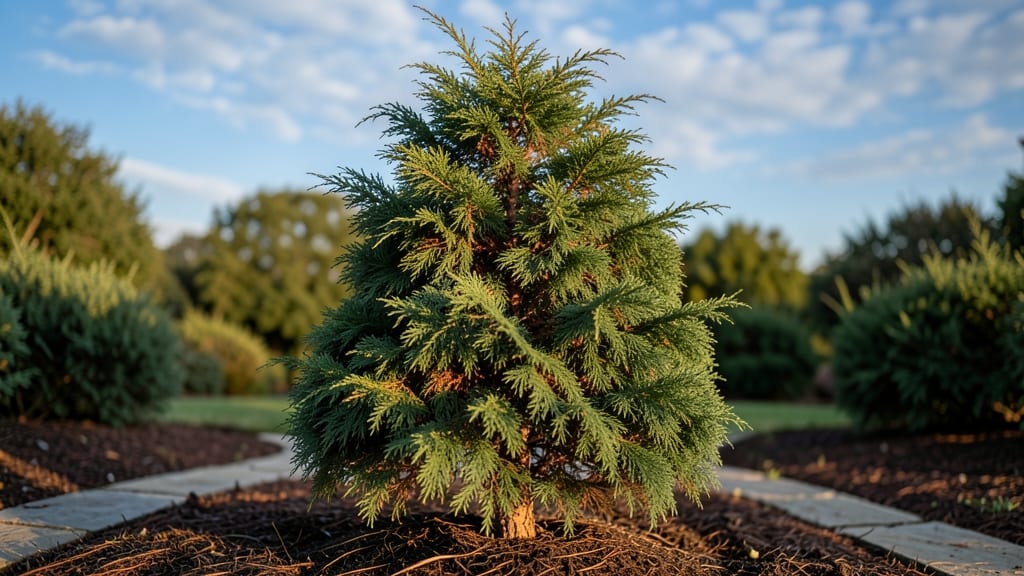
Your Leyland cypress can be both a Christmas tree and a lush privacy screen—if you plant it right. 🌲 I’ve grown these fast-growing evergreens for years, and they’ve become my go-to for holiday cheer and year-round greenery.
The secret? Starting with the right soil, sunlight, and pruning plan from day one.
Leylands thrive in full sun and well-draining soil, but they’re surprisingly forgiving about watering once established. The first year is critical—keep the soil moist but not soggy, and you’ll see 3-foot growth in just a season.
Prune lightly in early spring to shape them early, and by year three, you’ll have a 12-foot-tall holiday tree and a living room divider.
By December, your Leyland will smell like pine, hold ornaments perfectly, and still look fresh in January. The best part? It keeps growing—no need to replant every year. Just keep pruning to control height and width, and you’ll have a year-round evergreen that doubles as a holiday centerpiece.
Works in USDA zones 6-10, but even in cooler climates, Leylands hold their needles well. Whether you’re growing one for the holidays or a full hedge, the key is patience and consistent care. Ready to grow yours?
📚 In This Guide
- What you need
- Instructions
- Tips and common mistakes
- Wrapping up and next steps
What you need
- ● Leyland Cypress Saplings: 3–5 healthy, 1–2 ft tall saplings (nursery-grown, bare-root or potted)
- ● Pro tip: 🌡️ Choose saplings with firm stems and vibrant green needles—avoid wilted or yellowing foliage!
- ● Soil: Well-draining, slightly acidic soil (pH 5.5–7.0)
- ○ Optional: Mix in 1 part peat moss or compost per 3 parts native soil for nutrient boost
- ● Fertilizer: Slow-release balanced fertilizer (10-10-10 or 12-12-12), 1 lb per sapling
- ● Pro tip: ✨ Apply fertilizer 2–3 weeks after planting to avoid root burn.
- ● Mulch: 2–3 inches of pine bark or wood chips (avoid fresh mulch near the trunk)
- ● Tools: Shovel or trowel
- ● Garden gloves
- ● Measuring tape
- ● Watering can or hose with a gentle spray nozzle
- ● Tree stakes (for young saplings in windy areas)
- ● Epsom salt (for magnesium boost, especially in clay soil)
- ● Pruning shears (for shaping as it grows)
- ● Drip irrigation system (for consistent moisture)
- ● Soil pH test kit (to monitor acidity levels)
How to grow a Leyland cypress as a fast-growing privacy screen
This evergreen powerhouse grows 3-4 feet annually—here’s how to plant it for a lush, year-round screen in just three years.
🌱 Step 1: Choose the Perfect Planting Location
Leyland cypress thrives in full sun to partial shade, but for maximum growth, pick a spot with at least 6 hours of direct sunlight daily. Avoid low-lying areas where cold air pools—this tree is hardy down to USDA Zone 6, but late frosts can scorch tender new growth. Test the soil pH with a kit; Leylands prefer slightly acidic to neutral (6.0-7.0)—amend heavy clay with compost or sand if needed.
Space 4-6 feet apart for a dense hedge or 10-15 feet apart for single specimens. I always stake young trees at planting to prevent wind rock—Leylands grow fast but shallow roots take time to anchor. Mark the planting hole with a stake before digging to ensure proper spacing.
🪴 Step 2: Dig and Amend the Planting Hole
Dig a hole twice as wide as the root ball but no deeper—Leylands dislike having roots buried too deep, which can cause root rot. Loosen the native soil at the hole’s edges with a fork to encourage root spread. Mix the excavated soil with half a bucket of compost and a handful of slow-release fertilizer (10-10-10 works well) to jumpstart growth.
Place the tree in the hole so the root flare (where roots meet the trunk) sits 1-2 inches above soil level. This prevents water from pooling around the trunk. Backfill with the amended soil, tamping lightly every 6 inches to eliminate air pockets. Water deeply to settle everything—you’ll see the soil sink slightly as it absorbs moisture.
☀️ Step 3: Water and Mulch for Rapid Establishment
Water deeply once a week for the first 6-8 weeks to encourage deep root growth. Let the top 2-3 inches of soil dry between waterings—Leylands hate soggy roots but need consistent moisture during their first growing season. I use a soaker hose to deliver water slowly at the base, avoiding wetting the foliage (which can promote fungal diseases).
Spread 2-3 inches of mulch (pine straw or shredded bark) over the root zone, keeping it 6 inches away from the trunk. Mulch conserves moisture, regulates soil temperature, and suppresses weeds—critical for fast-growing trees that compete aggressively for nutrients. Replenish mulch annually as it breaks down.
✂️ Step 4: Prune for Shape and Health
Leyland cypress grows naturally conical, but pruning in late winter or early spring (before new growth) keeps it dense and tidy. Use clean, sharp shears to trim back one-third of the previous year’s growth—this encourages bushier growth. Avoid cutting into old wood; new growth emerges from the current year’s stems. Shape the tree by removing crossing branches or those growing inward to improve airflow and reduce disease risk.
Here’s the thing—Leylands respond well to formal pruning, but don’t overdo it. Heavy pruning late in the season can stimulate tender growth that won’t harden off before winter. I prune mine in February, just as buds begin to swell, for the best balance of shape and vigor.
🌿 Step 5: Fertilize for Maximum Growth
Feed young Leyland cypress twice a year—once in early spring (as buds break) and again in mid-summer (after the first flush of growth). Use a balanced, slow-release fertilizer (like 12-12-12) applied at half the recommended rate for evergreens. Over-fertilizing can burn roots and lead to salt buildup in the soil, which stresses the tree.
Scatter granules evenly over the root zone, then water deeply to activate them. I always fertilize after a rain or thorough watering to ensure nutrients wash into the soil. Avoid fertilizing in fall or winter—Leylands go semi-dormant in cooler months, and excess nutrients can encourage weak, frost-sensitive growth.
Tips & tricks for perfect Leyland cypress privacy screens
These insider secrets will help you grow a lush, fast-growing Leyland cypress hedge that thrives for years.
Sunlight Strategy: While Leylands tolerate partial shade, the 6 hours of direct sunlight daily mentioned in Step 1 is non-negotiable for maximum growth. I've seen trees in filtered light grow only 1-2 feet annually instead of the expected 3-4 feet. If your location gets less than 6 hours, consider using a grow light for supplemental illumination during winter months when daylight is limited. Position the light 12-18 inches above the tree for 10-12 hours daily to mimic summer conditions.
Root Ball Preparation: When handling the root ball in Step 2, gently loosen the outer edges with your fingers before planting. This encourages roots to spread immediately into the surrounding soil rather than circling the root ball. I also recommend soaking the root ball for 15-20 minutes before planting if the soil appears dry. This jumpstarts hydration and reduces transplant shock. The 1-2 inches above soil level for the root flare is critical—any lower and you risk suffocating the tree with excess moisture.
Watering Wisdom: The 6-8 week deep watering schedule in Step 3 is perfect, but here's what I've learned: Use a moisture meter to verify soil moisture before watering. I've found Leylands in sandy soil need watering every 5 days during the first 6 weeks, while clay soils can stretch to 10 days between waterings. Always water at the base rather than overhead—this prevents fungal diseases that can weaken your fast-growing screen. The 2-3 inch mulch layer should be replenished every spring to maintain its moisture-retaining properties.
Pruning Precision: The one-third growth reduction in Step 4 works wonders, but timing is everything. I prune mine in late February when buds are just starting to swell—this gives new growth time to harden off before winter. For formal hedges, use a string line to create perfectly straight edges. Always sterilize your shears with rubbing alcohol between cuts to prevent spreading diseases. And here's a pro tip: Prune in stages over 2-3 weeks if you're shaping large hedges—this reduces stress on the tree and prevents shock.
Pro Tips for Christmas Tree Leyland
- These insider secrets will help you grow a lush, fast-growing Leyland cypress hedge that thrives for years.
- Sunlight Strategy: While Leylands tolerate partial shade, the 6 hours of direct sunlight daily mentioned in Step 1 is non-negotiable for maximum growth.
- Root Ball Preparation: When handling the root ball in Step 2, gently loosen the outer edges with your fingers before planting.
Frequently asked questions
about growing a Leyland Cypress as a Christmas tree and privacy screen—because even the fastest-growing trees have their quirks!How fast can a Leyland Cypress grow into a full Christmas tree?
A healthy Leyland Cypress can grow 3–4 feet per year with proper care, reaching 10–12 feet tall in just 3 years—perfect for holiday decor! For a traditional 6–8-foot tree, expect 2–3 years from planting. Pro tip: Fertilize in early spring and water deeply during dry spells to boost growth!
Can I use a Leyland Cypress as a real Christmas tree?
Leylands are evergreen, needle-retaining, and sturdy—ideal for indoor displays. However, prune sparingly to avoid stressing the tree. For a short-term indoor stay (1–2 weeks), keep it in a cool room and mist needles daily. Warning: Avoid heat vents or direct sunlight to prevent needle drop.
What’s the best time to prune a Leyland Cypress for a tree shape?
Prune late winter or early spring (before new growth) to shape your Leyland into a tree. Use clean, sharp shears to trim just outside the bud for a natural look. Avoid heavy pruning in fall—it stimulates tender growth that may frost. Troubleshooting: If branches look sparse, thin out dense areas to improve airflow and sunlight.
Are Leyland Cypress trees good for year-round privacy?
Yes! Their dense, fast-growing foliage blocks views and noise effectively. For a 6-foot-tall privacy screen, plant 3–4 trees in a row. Space them 3–4 feet apart for optimal fill. Bonus: They also act as windbreaks and reduce outdoor noise—great for patios or backyard retreats!
What pests or diseases should I watch for in a Leyland Cypress?
Leylands are tough but can fall prey to bagworms, spider mites, or canker diseases. Signs: Yellowing needles, webbing, or oozing sap. Treat early with neem oil (for pests) or fungicide (for disease). Prevention tip: Keep the base clear of debris and water at the soil level (not overhead) to deter issues.
What’s a good alternative if Leyland Cypress grows too fast?
If you prefer a slower-growing option, consider Norway Spruce (classic Christmas tree) or Eastern Red Cedar (drought-tolerant). For year-round privacy, try Thuja (Arborvitae) or Emerald Green Arborvitae—both grow steadily and resist pests. Trade-off: They’ll take longer to reach maturity but require less maintenance.
Wrapping up and next steps
Growing a Leyland Cypress Christmas tree isn’t just about holiday cheer—it’s a year-round investment in beauty, privacy, and curb appeal! 🌲 With the right care, you’ll enjoy a lush, fast-growing screen in just three years, perfect for both festive decor and functional landscaping.
Whether you’re pruning for shape, troubleshooting pests, or planning your next planting, every step brings you closer to a stunning, low-maintenance evergreen.
Ready to transform your space? Start small—pick your spot, gather your tools, and take that first step this season. Your future holiday-worthy privacy screen (and future you) will thank you! 🎄✨