
Trees
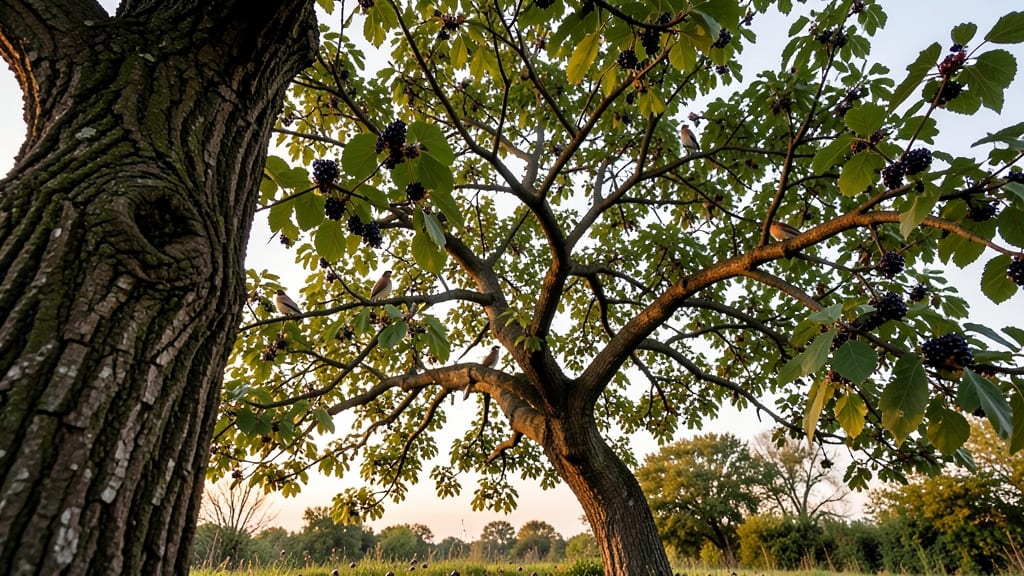
Transform your yard into a productive edible landscape with these cold-hardy trees bearing small, pear-like fruit. Perfect for gardeners seeking low-maintenance, ornamental, and delicious options that thrive in cooler climates.
Serviceberry Tree Producing Edible Berries
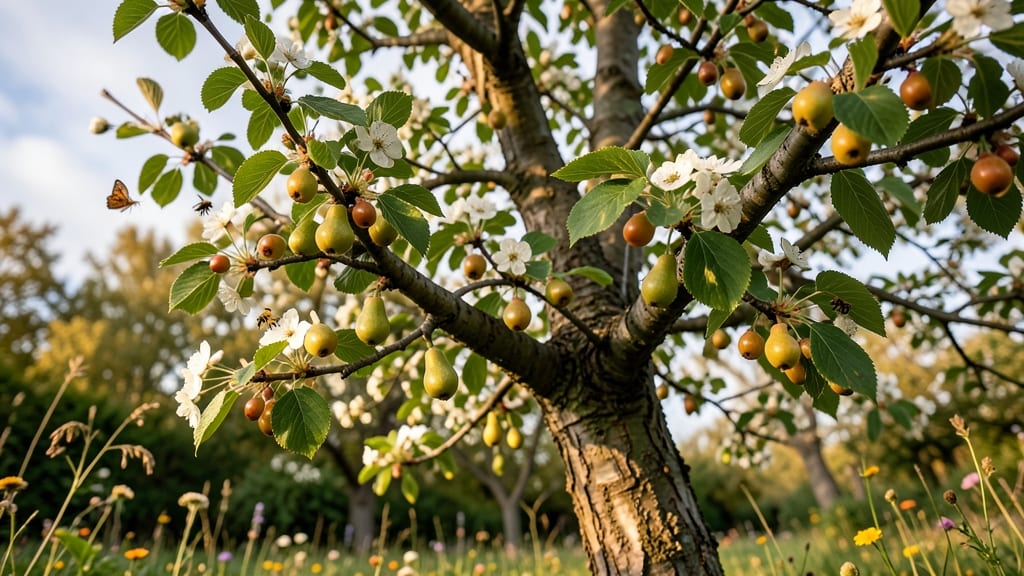
Looking for a tree that does it all—spring blooms, summer shade, and fall fruit—without needing a dedicated orchard? The serviceberry tree (Amelanchier spp.) delivers year-round interest while feeding birds and pollinators. This native North American beauty is a multi-seasonal superstar that thrives in landscapes where other trees fall short.
Plant serviceberry in full sun to part shade, where it naturally adapts to USDA Zones 3-9. The small, pear-like berries ripen in late summer to early fall, offering a sweet-tart treat for wildlife (and humans!) that’s rich in antioxidants. Prune lightly in late winter to shape the tree and encourage air circulation, but avoid heavy cuts—this tree rewards minimal intervention with vibrant foliage that turns fiery red, orange, or purple in autumn.
Perfect for beginner gardeners, urban homesteaders, and wildlife enthusiasts, serviceberry blends seamlessly into cottage gardens, native plantings, or even small backyards. Its compact size (15-25 feet tall) makes it ideal for edible landscaping without sacrificing beauty. 🌟
Nanking Cherry Tree for Sweet Fruit
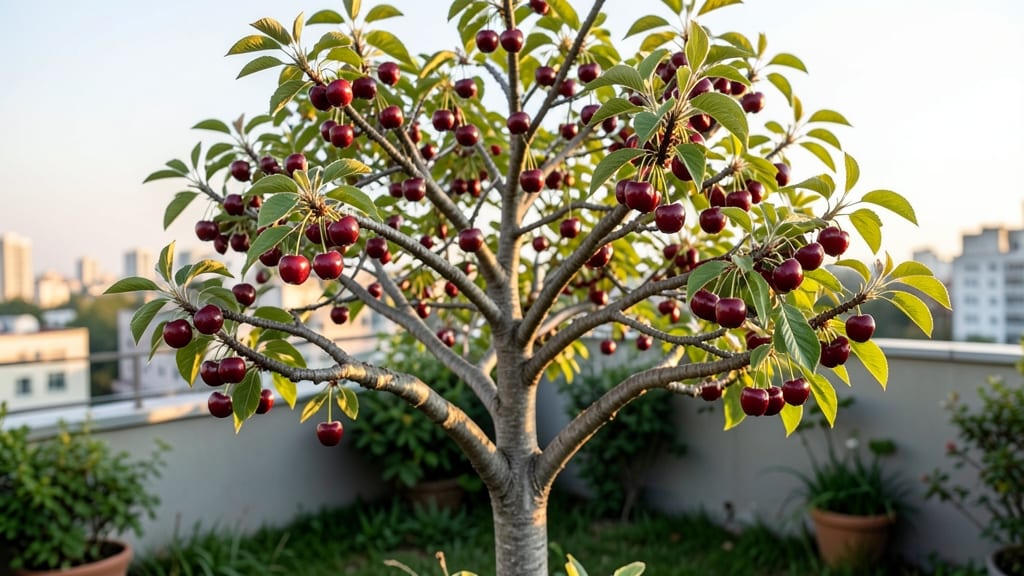
If you’ve ever dreamed of a fruit tree that fits in a city backyard or patio but still delivers homegrown cherries, the Nanking cherry tree (Prunus tomentosa) is your perfect match. Unlike its larger cousins, this tree stays compact (10–15 feet tall) while producing tart-sweet cherries that shine in fresh snacks or homemade jams.
Thriving in USDA Zones 3–8, it tolerates urban conditions—dry soil, pollution, and even container growing—making it ideal for small spaces. Plant it in full sun for best fruit production, and expect early spring blooms followed by glossy red cherries in late summer. Minimal pruning keeps it tidy, and its ornamental value (with peeling bark and pink spring flowers) adds year-round interest.
Urban gardeners and first-time fruit growers will love this low-maintenance tree—it’s basically a cherry tree in a bottle, packing big flavor into a tiny footprint. 🌟
Russian Olive Tree Bearing Pear-Shaped Fruit
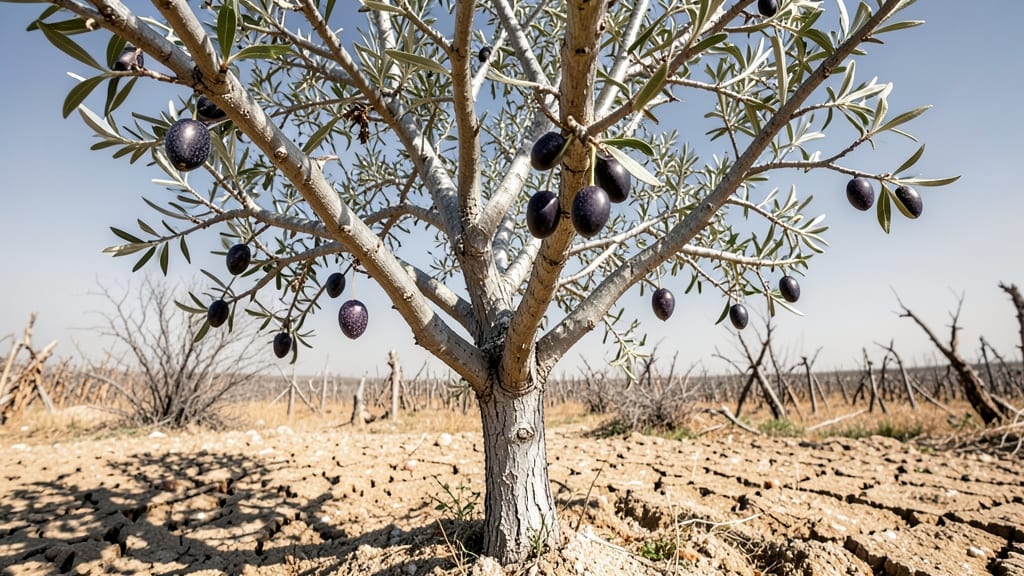
If you're looking for a tree that thrives where others fail, the Russian olive (Elaeagnus angustifolia) is your answer. Unlike most fruit trees, it produces pear-shaped olives that are edible when ripe—plus, it’s one of the most resilient plants for drought-prone and salty soils. This makes it perfect for coastal areas, windbreaks, or landscapes where water is scarce.
The tree’s silvery-green foliage and fragrant flowers add ornamental value, while its deep roots help stabilize soil and prevent erosion. Plant it in full sun with well-draining soil, and water sparingly once established—it’s tough enough to handle neglect. Harvest the fruits in late summer or fall when they turn from green to brownish-purple, then enjoy them fresh or dried. 🌱
Honeyberry Bush with Pear-Like Berries
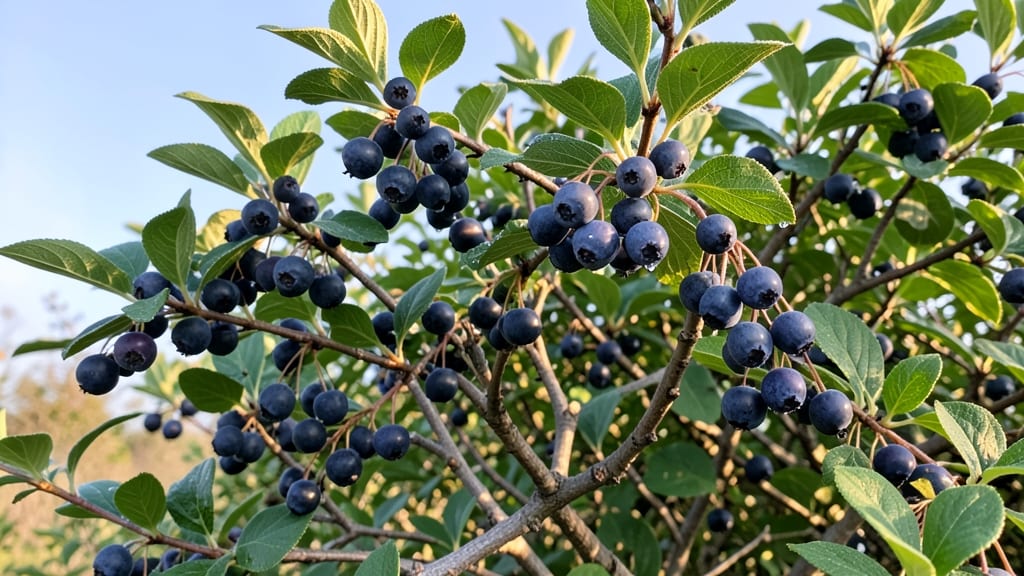
If you're craving fresh fruit before most gardens even think about harvest, the honeyberry bush (Lonicera caerulea) delivers—often producing ripe berries as early as late April or May. Unlike traditional fruit trees, this cold-hardy shrub thrives in USDA Zones 2-6, making it ideal for northern climates where other fruit crops struggle.
With its pear-like berries (dark purple or golden varieties), honeyberry bushes are surprisingly low-maintenance. They prefer full sun to partial shade and well-drained soil, though they tolerate a range of conditions. Prune in early spring to shape the plant like a small tree, and watch for white, tubular flowers that precede the fruit. The berries taste like a mix of blueberry, raspberry, and lychee—perfect for fresh eating or jams.
This shrub is a game-changer for gardeners in cold regions, offering early harvests and minimal fuss. Plus, its compact size makes it great for small gardens or containers. 🌻
Jujube Tree for Dried Fruit Harvests
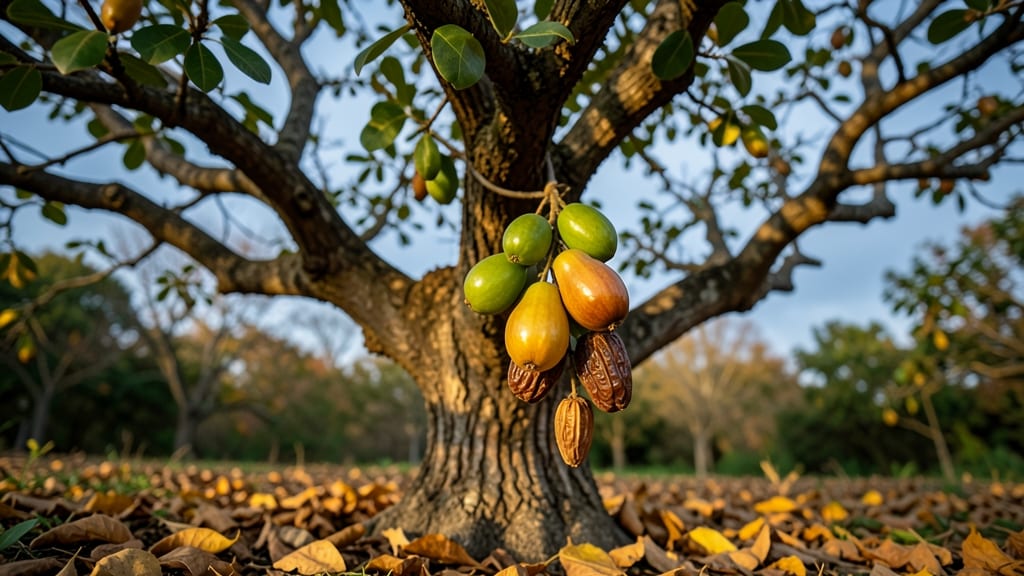
Looking for a fruit tree that’s as resilient as it is rewarding? The jujube tree (Ziziphus jujuba) delivers dried fruit harvests with minimal fuss, thriving where other trees struggle. Its pear-shaped jujubes ripen from green to golden-brown and dry naturally—like nature’s own dates—packed with fiber, vitamins, and a caramel-like sweetness.
This ancient tree (cultivated for over 4,000 years!) handles heat, drought, and poor soil with ease, making it ideal for arid climates or water-conscious gardeners. Plant it in full sun for best fruit production, and enjoy its year-round appeal: fragrant spring blooms, glossy summer foliage, and striking exfoliating bark that adds winter texture. Harvest fruits in late summer for fresh eating or drying.
Perfect for homesteaders, urban gardeners with limited space, or anyone craving a low-maintenance, high-reward tree. 🌱
Mountain Ash Tree with Edible Berries
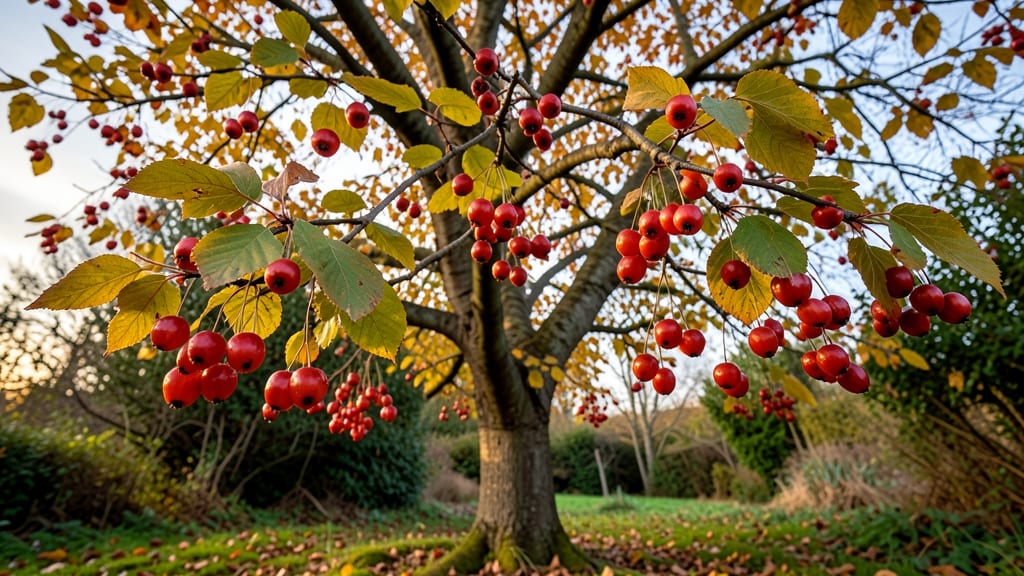
Imagine a tree that doubles as both a stunning centerpiece and a wildlife magnet—mountain ash (Sorbus aucuparia) delivers clusters of bright red berries that look like tiny, edible pears. These berries aren’t just decorative; they’re a favorite snack for birds, making this tree a must-have for wildlife gardens.
Thriving in full sun to partial shade, mountain ash adapts to various soil types, though it prefers well-drained conditions. The berries ripen in late summer to fall, offering a late-season treat for both wildlife and foragers (though they’re tart and best used in jellies or syrups). Prune in late winter to maintain shape and encourage fruit production.
Perfect for gardeners who love ornamental value with ecological benefits, this tree adds year-round interest with its vibrant foliage, white spring blooms, and fiery fall berries. 🌻
Chinese Quince Tree for Spiced Fruit
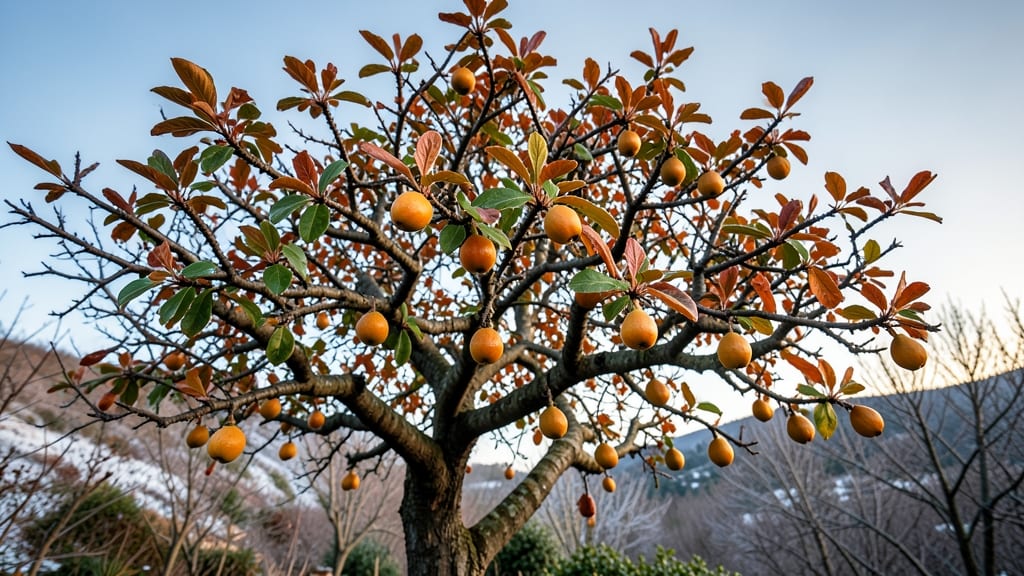
Looking for a low-maintenance tree that delivers both beauty and edible rewards? The Chinese quince (Chaenomeles sinensis) is your answer—this hardy tree thrives in cold climates and produces fragrant, spiced pears perfect for preserves and baking.
Native to China and Japan, this tree handles USDA Zones 4-8 with ease and resists most pests and diseases, making it ideal for beginners. Its thorny branches create natural privacy, while its glossy leaves and vibrant spring blooms add year-round interest. The fruit ripens in late fall, offering a unique, spiced flavor that's often used in jellies and desserts.
Perfect for small gardens or urban landscapes, the Chinese quince requires minimal care—just full sun and well-draining soil. Its compact size (typically 6-10 feet tall) makes it a great choice for gardeners with limited space. 🌟
Amelanchier (Juneberry) Tree Varieties
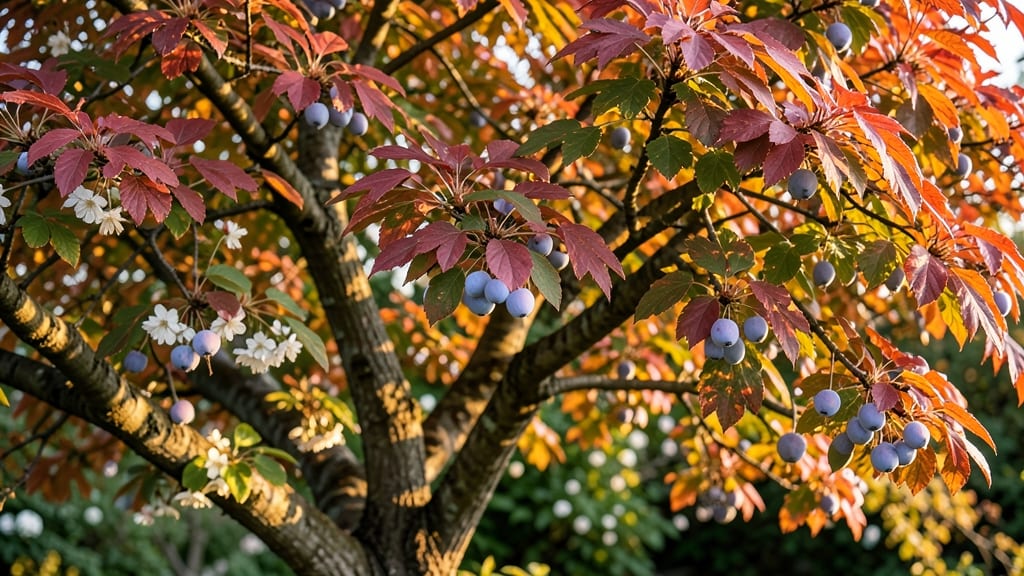
Looking for a native North American tree that delivers four seasons of interest—from fragrant spring blooms to vibrant fall foliage and wildlife-friendly fruit? The amelanchier, or Juneberry, is your answer. This underrated tree produces clusters of small, pear-shaped berries that ripen in early summer, making it one of the first fruit harvests of the season.
Also called serviceberry, amelanchier thrives in full sun to partial shade and tolerates a wide range of soil types, including clay and sandy loam. Varieties like ‘Regent’ and ‘Princess Diana’ are prized for their disease resistance and abundant fruit production, while ‘Smoky’ offers stunning purple foliage in fall. Birds and small mammals adore the berries, turning your garden into a wildlife magnet.
Perfect for small spaces (some varieties stay under 20 feet tall) and urban gardens, amelanchier is a low-maintenance choice that rewards you with edible fruit, ornamental value, and ecological benefits. 🌟
Hardy Pear Tree Varieties for Cold Climates
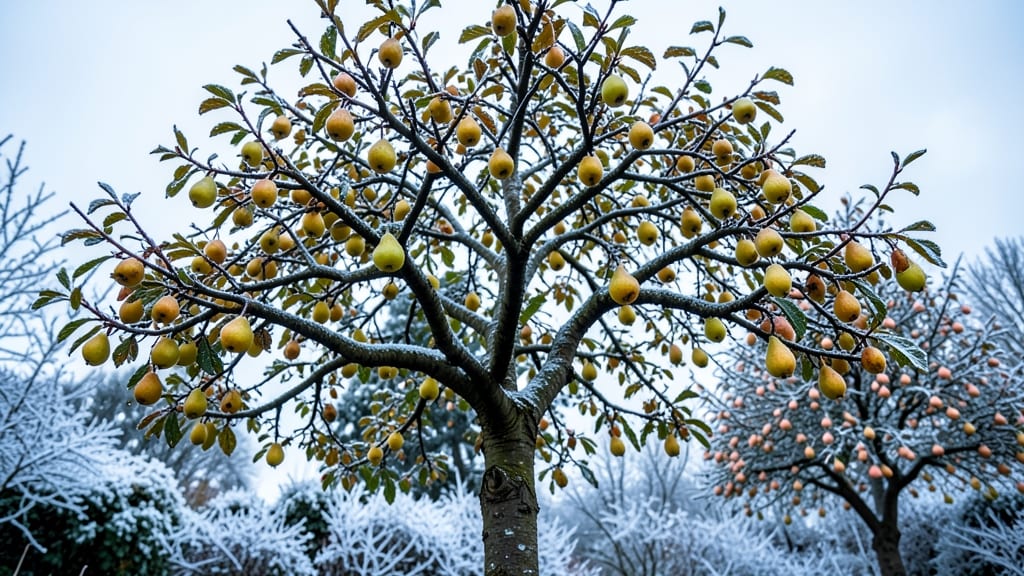
Cold winters don’t have to mean giving up on homegrown pears—hardy pear varieties like Bartlett and Moonglow are specifically bred to thrive in USDA Zones 3-5, where many fruit trees struggle. These compact trees produce small, flavorful pears that ripen reliably even in short growing seasons, making them perfect for backyard orchards in northern climates.
Plant these varieties in full sun with well-drained soil, and expect fruit in just 3-5 years after planting. Unlike their tender counterparts, these pears handle late spring frosts and early autumn chills without damage. Prune annually to maintain an open canopy, which improves air circulation and fruit quality. For best results, choose dwarf varieties like Seckel or Kieffer—they’re easier to manage in small spaces and produce abundant harvests.
These cold-resistant pears are ideal for gardeners in northern states or Canadian climates who want fresh fruit without the fuss. With minimal care, you’ll enjoy homegrown pears year after year—no greenhouse required! 🌟
Mulberry Tree with Small, Sweet Fruit

Looking for a fast-growing, low-maintenance tree that delivers both fruit and wildlife benefits? The mulberry tree is your answer—its clusters of tiny, sweet berries ripen in late summer, attracting birds and offering you a unique harvest.
Mulberries thrive in USDA Zones 5-9, tolerating both heat and cold, and grow quickly—some varieties reach 20 feet tall in just 5-10 years. Plant in full sun to partial shade with well-draining soil, and prune annually to shape the tree and encourage fruit production. The berries start green, turn deep purple, and become irresistibly sweet when ripe—perfect for snacking or sharing with wildlife.
Urban gardeners and small-space growers will love this tree’s adaptability—it thrives in containers if pruned regularly. Plus, its disease-resistant nature means less fuss than many fruit trees. 🌱