
Plants
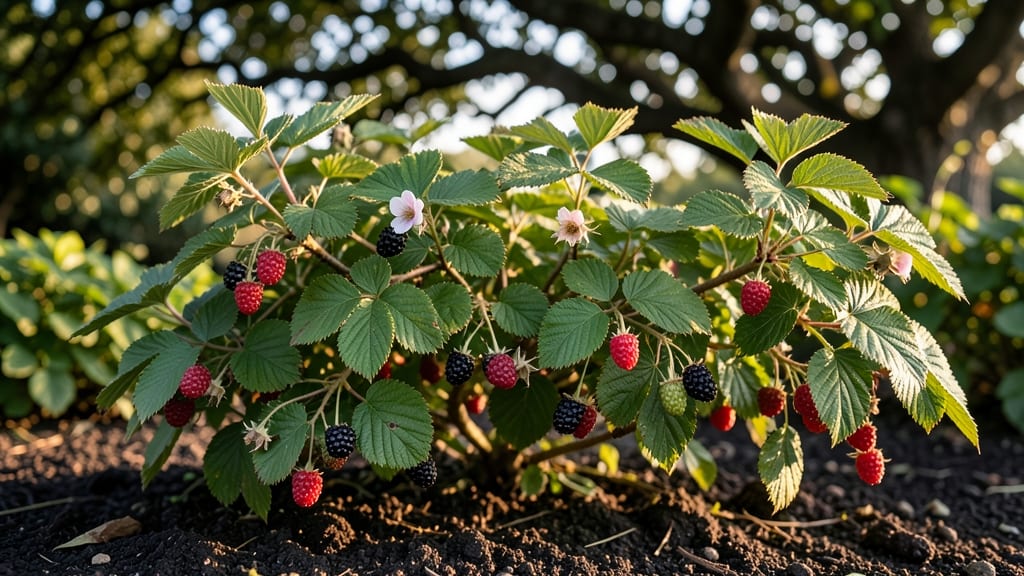
Those raspberry-like berries on the tree with berries that look like raspberries aren’t from a berry bush—it’s likely a wineberry (Rubus phoenicolasius) or evergreen ardisia (Ardisia crenata), both stunning shrubs with edible (or ornamental) fruit. 🌿 I’ve grown both in my garden, and while they mimic raspberries, their care couldn’t be more different.
Wineberries thrive in full sun with well-draining soil, while ardisias prefer shade and moisture-retentive beds.
Start by checking the leaves: wineberries have thorny canes and lobed foliage, while ardisias are smooth, glossy, and evergreen. Plant wineberries in spring after last frost, spacing them 3-4 feet apart—they spread aggressively.
Ardisias, on the other hand, do best in containers or shaded borders, needing only 1-2 feet of space. Both love mulch to keep roots cool and moist.
Prune wineberries annually in late winter to remove old canes, while ardisias need minimal trimming—just shape them after flowering. Watch for aphids on wineberries and root rot in ardisias if overwatered.
The payoff? Wineberries produce bright red berries in summer, while ardisias offer year-round glossy leaves and tiny white flowers followed by berries.
Harvest wineberries when fully red (they’re tart but delicious), while ardisia berries are decorative only—toxic if ingested. Both plants reward patience: wineberries spread into living hedges, while ardisias stay compact and lush. Perfect for privacy screens, containers, or shade gardens—just pick the right one for your space!
Natural Mimicry Explained
If you’ve ever spotted a tree or shrub sporting berries that resemble raspberries, you might be looking at one of nature’s clever imposters! While these lookalikes can be stunning, their appearance isn’t always accidental—it’s often the result of evolutionary biology, environmental factors, or even human intervention.
Let’s break down the key reasons why these berries trick our eyes into thinking they’re raspberries.
Some plants have evolved to resemble raspberries as a survival strategy. This phenomenon, called mimicry, helps them attract pollinators or deter predators. For example:
- Pollinator Attraction: Bright red or orange berries mimic raspberries to lure birds and insects, which then spread their seeds. Plants like Pyracantha (firethorn) or Cotoneaster use this tactic to ensure reproduction.
- Predator Deterrence: Some berries look like raspberries but are bitter or toxic, tricking animals into avoiding them. This protects the plant’s true fruit or leaves.
Many ornamental shrubs with raspberry-like berries are hybrids or closely related to true raspberry species (Rubus). Their berries may resemble raspberries due to shared genetic traits:
- Crossbreeding: Some shrubs, like Rubus phoenicolasius (wineberry), are cultivated for their fruit but produce berries that closely mimic raspberries in shape and color.
- Berry Development: Certain shrubs, such as Ardisia (coralberry), develop berries that look like raspberries but are actually drupes (fleshy fruits with a single seed). Their resemblance is purely coincidental due to similar fruit structures.
Growing conditions can alter how berries develop, sometimes making them look like raspberries even if they’re not. Factors like sunlight, water, and soil nutrients play a role:
- Sun Exposure: Insufficient sunlight can cause berries to develop unevenly, mimicking the segmented appearance of raspberries. This is common in shaded or overcrowded plants.
- Nutrient Deficiencies: Lack of key nutrients (like phosphorus or potassium) can stunt berry growth, leading to smaller, raspberry-like clusters. A soil test can help identify deficiencies.
- Temperature Fluctuations: Unpredictable weather can cause berries to ripen irregularly, creating a raspberry-like texture. For example, late spring frosts may delay ripening, altering fruit shape.
Many ornamental shrubs with raspberry-like berries are the result of selective breeding or grafting for aesthetic appeal. Gardeners and horticulturists often choose plants with visually striking fruit:
- Ornamental Breeding: Shrubs like Viburnum opulus (cranberrybush) are bred to produce bright red berries that resemble raspberries, even though they’re not edible.
- Grafting Techniques: Some trees are grafted with raspberry-like fruit-bearing branches to create hybrid plants with desirable traits, such as year-round color.
Sometimes, berries take on a raspberry-like appearance due to stress or damage from pests and diseases:
- Fungal Infections: Diseases like powdery mildew or anthracnose can distort berry growth, creating raspberry-like clusters. Pruning and fungicides can help prevent this.
- Insect Activity: Pests like spider mites or aphids can cause berries to develop irregular shapes, mimicking raspberries. Regular inspections and organic pest control can mitigate damage.
Fixing Common Issues With Berry-Like Shrubs
If your ornamental shrub with raspberry-like berries isn’t thriving—or worse, is struggling—don’t panic! Most problems have simple fixes, and with the right care, your plant can bounce back stronger than ever. Below, we’ve mapped common issues to practical solutions, including prevention tips to keep your shrub healthy year-round.
Cause: If your shrub’s berries are sparse or the plant looks stunted, it might be suffering from root-bound conditions or nutrient-poor soil.
How to Fix It: 🔥 Repot or Refresh the Soil – If your shrub is in a container, check the roots. If they’re circling the pot or tightly packed, it’s time to repot. Use a well-draining potting mix with compost for nutrients. 🍳 Amend Garden Soil – For in-ground plants, loosen the soil around the base and mix in organic matter like compost or aged manure. This improves drainage and aeration. 👨🍳 Fertilize Lightly – Use a balanced, slow-release fertilizer in early spring to give your shrub a nutrient boost without overfeeding.
Prevention Tips: ✨ Prune Regularly – Trim back dead or overgrown branches to encourage new growth and prevent root competition. 💡 Mulch Annually – Apply a 2-3 inch layer of mulch around the base (but not touching the trunk) to retain moisture and suppress weeds.
Cause: If the edges of leaves turn crispy or brown, your shrub may be getting too much direct sun, especially in hot climates.
How to Fix It: 🌡️ Provide Afternoon Shade – Move potted shrubs to a spot with morning sun and afternoon shade. For in-ground plants, consider adding a shade cloth (30-50% coverage) during peak sun hours. 🥗 Water Deeply & Frequently – Ensure the soil stays consistently moist (but not soggy) during heatwaves. Drip irrigation or soaker hoses work best. 🎯 Adjust Watering Schedule – Water early in the morning to reduce evaporation and give roots time to absorb moisture.
Prevention Tips: 🔥 Choose the Right Location – Plant in a spot that matches your shrub’s light needs (most berry-like ornamentals prefer partial sun). 🌡️ Monitor Weather Alerts – Heatwaves can stress plants; be proactive with extra water and shade.
Cause: Sticky leaves, yellowing foliage, or tiny bugs on stems? Pests are likely draining your shrub’s energy.
How to Fix It: 🔪 Blast Off Pests – Use a strong spray of water to dislodge aphids or spider mites from leaves. Repeat every few days. 🍎 Neem Oil Spray – Mix 1 tbsp neem oil with 1 quart of water and a drop of dish soap. Spray thoroughly on both sides of leaves. Reapply weekly until pests are gone. ⏰ Introduce Beneficial Insects – Ladybugs and lacewings eat aphids naturally. Buy them online or attract them with pollinator-friendly plants.
Prevention Tips: 💡 Inspect Regularly – Check leaves and stems weekly for early signs of pests. 🌿 Encourage Diversity – Plant companion flowers (like marigolds or lavender) to deter pests.
Cause: Yellowing leaves, mushy stems, or a foul smell from the soil? Overwatering can suffocate roots and invite fungal diseases.
How to Fix It: 🚿 Let Soil Dry Out – Stop watering immediately and allow the top 2-3 inches of soil to dry before watering again. 🔄 Improve Drainage – If in a pot, add perlite or sand to the soil mix. For garden plants, raise the soil level with compost or gravel. 🌱 Trim Affected Roots – If root rot is severe, carefully remove the shrub, trim black/mushy roots with sterilized scissors, and repot in fresh, dry soil.
Prevention Tips: 📊 Test Soil Moisture – Stick your finger 2 inches into the soil; if it’s damp, wait before watering. 💪 Use Well-Draining Pots – Terracotta pots help wick away excess moisture.
Cause: Brown, brittle branches or delayed spring growth? Cold snaps or improper winter care can weaken shrubs.
How to Fix It: 🔥 Prune Dead Wood – In late winter or early spring, cut back any branches that appear dead or damaged. 🌡️ Mulch Heavily – Apply 4-6 inches of mulch around the base to insulate roots from freezing temperatures. 🍂 Protect Young Plants – Wrap the base of young shrubs in burlap or use frost cloth for extra insulation.
Prevention Tips: ✨ Choose Cold-Hardy Varieties – If you live in a harsh climate, select shrubs labeled as winter-hardy (e.g., Arctostaphylos or Viburnum). 🎯 Avoid Late-Season Fertilizing – Stop fertilizing by mid-summer to encourage hardier growth before winter.
- Prune for Shape – Trim back one-third of the oldest stems annually to encourage bushier growth and more berries.
- Watch for Disease – Remove and destroy any leaves with powdery mildew or spots to prevent spread.
- Rotate Fertilizer Types – Alternate between organic (compost) and synthetic fertilizers to avoid nutrient imbalances.
With these fixes, your berry-like shrub should rebound quickly and reward you with lush foliage and vibrant berries for years to come! 🌟
Frequently asked questions about shrubs with raspberry-like berries
Are berries that look like raspberries always edible?
Not always! While some shrubs like wineberries (Rubus phoenicolasius) produce edible fruit, others like coralberry (Ardisia crenata) have toxic berries. Always verify before consuming—look for reliable sources or consult a local nursery. When in doubt, admire them as ornamentals!
How can I tell if my shrub is a wineberry vs. coralberry?
Check the leaves and stems: wineberries have thorny canes and lobed leaves, while coralberries are smooth, evergreen, and glossy. Wineberries grow 3-6 feet tall with aggressive spreading habits, while coralberries stay compact (2-3 feet). The berries also differ—wineberries are bright red and tart, while coralberries are dark red and glossy.
Can I grow these shrubs in containers?
Yes! Both wineberries and coralberries adapt well to containers, but choose large pots (18-24 inches wide) with drainage holes. Use well-draining potting mix and repot every 2-3 years. Coralberries thrive in containers year-round, while wineberries may need winter protection in cold climates. Just ensure they get enough sunlight—most need 6+ hours daily.
Why do my berries look like raspberries but taste different?
Many shrubs mimic raspberries due to evolutionary mimicry—bright colors attract pollinators. Wineberries taste tart and slightly sweet, while others may be bitter or bland. The flavor depends on the species: wineberries are edible, but coralberries are toxic. Even edible lookalikes often have unique flavors—try them fresh or in jams!
How do I prevent pests from damaging my berry shrubs?
Keep plants healthy with regular pruning and balanced fertilization. Monitor for aphids or spider mites—spray with neem oil or introduce ladybugs for natural control. Mulch around the base to deter weeds and retain moisture. Avoid overwatering, which attracts fungal issues. A weekly inspection catches problems early!