
Trees
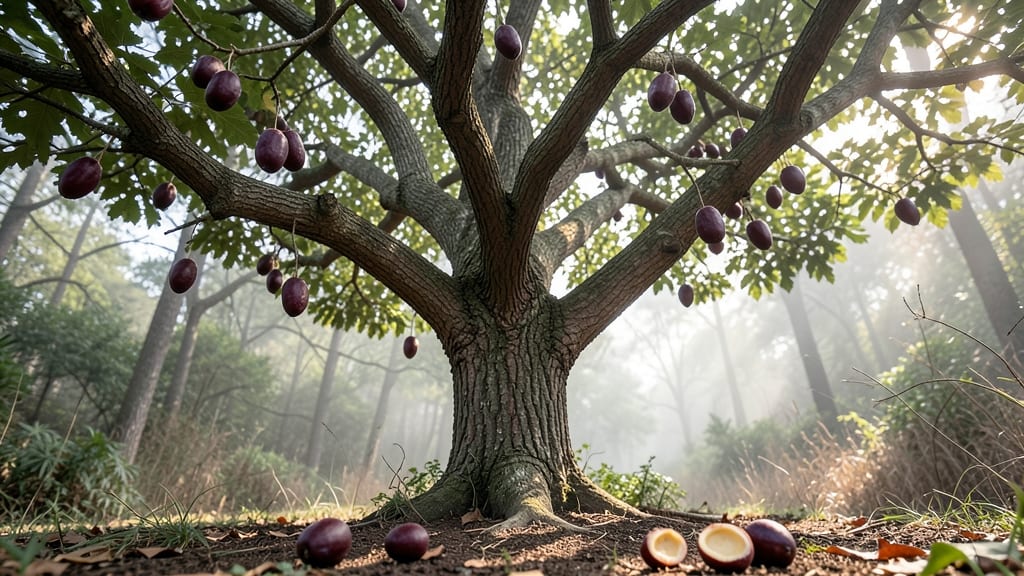
Transform your garden into a productive edible landscape with these stunning trees that produce berries resembling blackberries. These low-maintenance varieties offer year-round interest, wildlife benefits, and delicious harvests—perfect for both novice and experienced gardeners.
Arctic Kiwi Vine with Blackberry-Like Berries
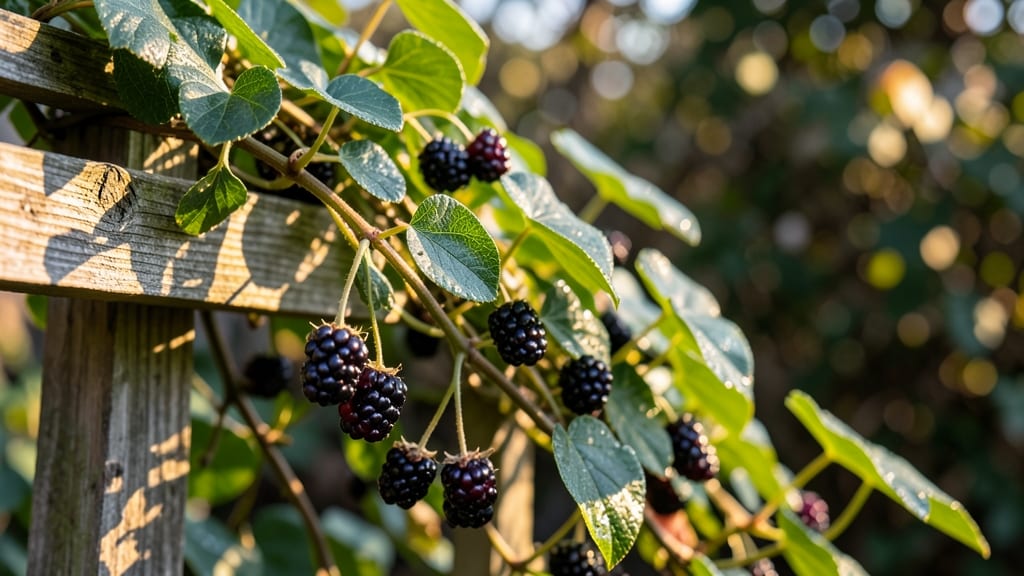
If you love blackberries but live in USDA zones 4-8, the Arctic Kiwi Vine delivers the same deep, sweet flavor—without the fuss of traditional brambles. This cold-hardy perennial vine thrives where many fruit plants fail, producing glossy, blackberry-like berries that ripen in late summer.
Train it on a trellis or arbors to save space, and enjoy year-round interest from its vibrant foliage and striking fruit. The vines spread 3-5 feet wide but can be pruned to control growth, making them perfect for small patios or balcony gardens. Harvest when berries turn deep purple-black—just like blackberries—though they’re technically a different species (Actinidia arguta).
Northern gardeners and urban growers will love this low-maintenance alternative to traditional berry bushes. It’s also disease-resistant and produces fruit reliably in cooler climates. 🌱
American Persimmon Tree for Edible Blackberry-Like Fruit
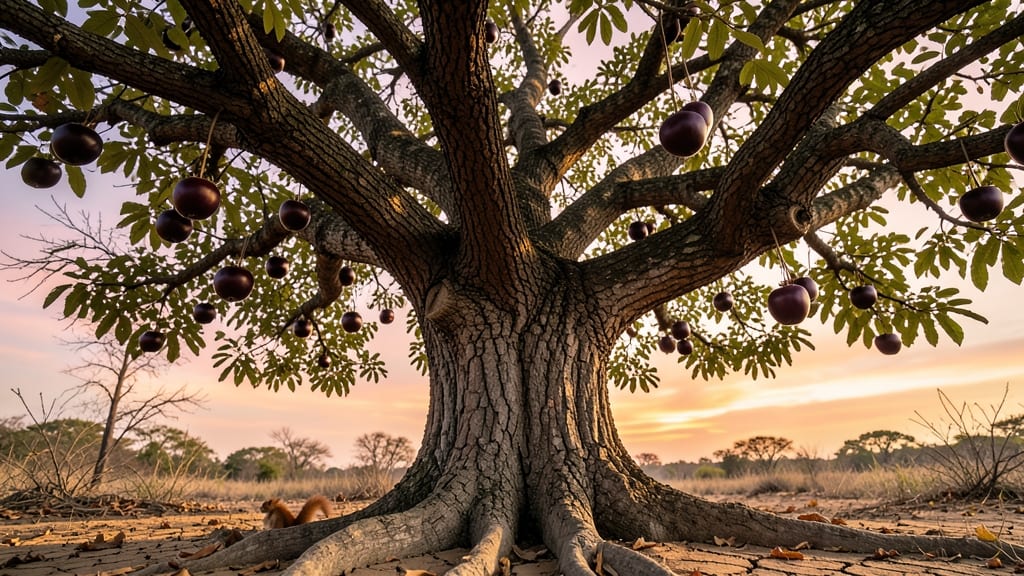
If you're craving a native North American tree that doubles as both a wildlife magnet and a low-maintenance fruit producer, the American persimmon (Diospyros virginiana) is your answer. Unlike its imported cousins, this hardy tree thrives in drought conditions and poor soils while delivering blackberry-like fruit with a unique sweet-tart flavor when fully ripe.
Native to eastern and central U.S. woodlands, this tree produces orange-brown berries that soften from astringent to luscious when frost-sweetened in fall. Plant it in full sun to partial shade and watch birds, deer, and squirrels flock to your yard—it’s a wildlife superfood. The tree’s golden autumn foliage adds seasonal color, making it a year-round landscape star.
Perfect for gardeners seeking native, low-fuss fruit trees, this persimmon is especially rewarding for those in USDA zones 4-9 who want to support local ecosystems without extra effort. 🌟
Black Haw Viburnum for Ornamental and Edible Berries
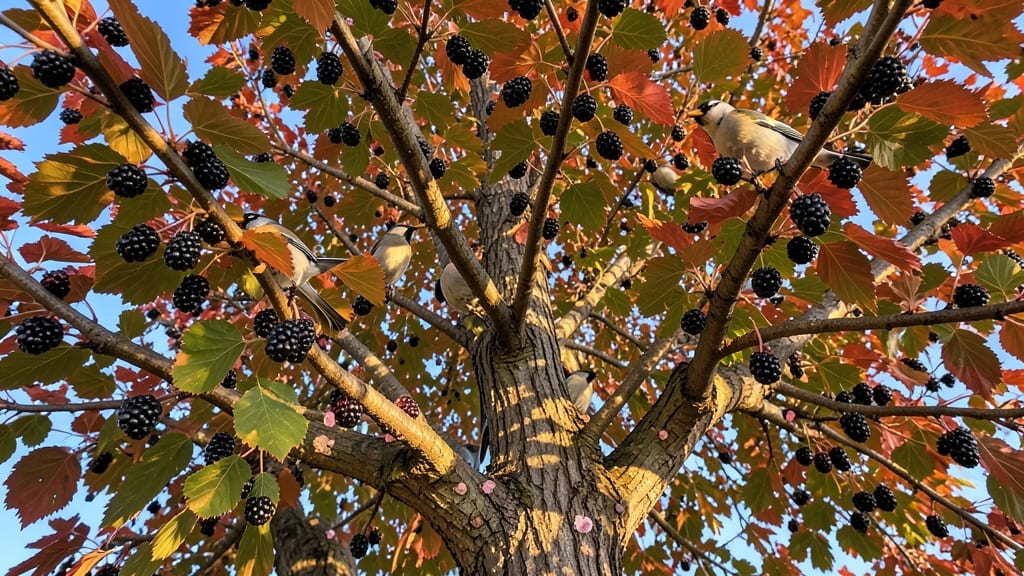
Looking for a tree that doubles as both a bird magnet and a year-round showstopper? The Black Haw Viburnum (Viburnum prunifolium) delivers blackberry-like fruits that birds devour while offering four seasons of beauty—from fragrant spring blooms to fiery fall foliage.
This native North American shrub/tree thrives in full sun to partial shade and adapts to various soils, making it perfect for hedges, privacy screens, or specimen planting. The dark red-black berries (technically drupes) appear in late summer, providing food for wildlife while adding dramatic contrast to the landscape. Prune in late winter to shape and encourage new growth.
Ideal for low-maintenance gardeners and wildlife enthusiasts, this versatile plant offers ornamental value without sacrificing function. Its drought tolerance and pest resistance make it a standout choice for both urban and rural settings. 🌟
Elderberry Tree with Blackberry-Like Clusters
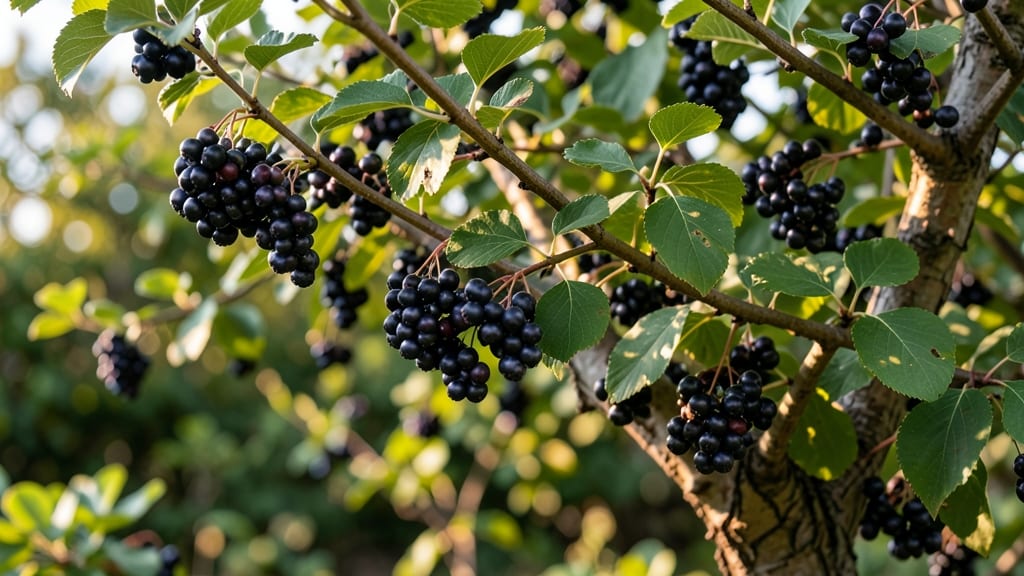
If you're looking for a multipurpose tree that thrives in challenging conditions while delivering both beauty and bounty, the elderberry is your answer. This fast-growing shrub or small tree produces dark purple berries that resemble blackberries but pack a punch for culinary and medicinal uses.
Elderberries love wet soils—making them ideal for rain gardens or areas with poor drainage—and they attract pollinators like bees and butterflies. Plant in full sun to partial shade, and watch it grow 10-15 feet tall in just a few years. Harvest the berries in late summer to early fall for jams, wines, or immune-boosting syrups. Just be sure to cook the berries first, as raw elderberries can be toxic.
Perfect for permaculture gardens or homesteads, elderberries offer year-round interest with their fragrant flowers in spring and persistent berries through winter. 🌿
Honeyberry Bush with Blackberry-Like Flavor
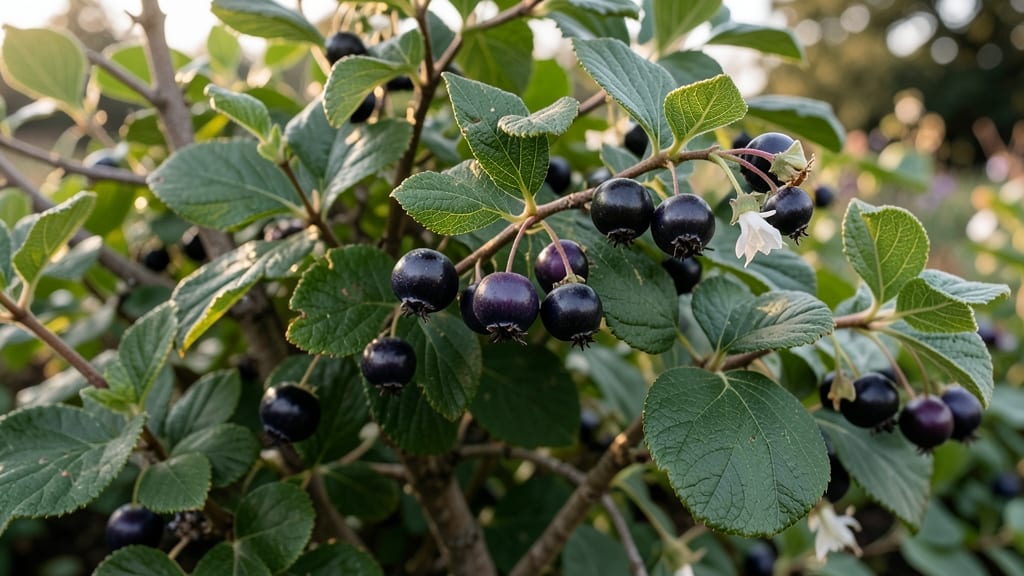
If you crave blackberry-like flavor but live in USDA zones 2-6, the honeyberry bush (Lonicera caerulea) is your secret weapon. This hardy shrub produces sweet, tangy berries that ripen in early summer—often before most fruits—while thriving in cold climates where other berries fail.
Honeyberries grow well in full sun to partial shade and tolerate poor, rocky, or sandy soils, making them perfect for northern gardens or container growing. Their ornamental value shines with delicate white flowers in spring and glossy, dark berries that persist into winter. With minimal pest issues, they require less fuss than traditional berry bushes.
Urban gardeners and small-space growers will love how compact these shrubs stay—many varieties top out at just 4-5 feet tall. Plus, the berries are packed with antioxidants and taste like a cross between blueberries and blackberries. 🌟
Jostaberry Shrub for Unique Blackberry-Like Harvests
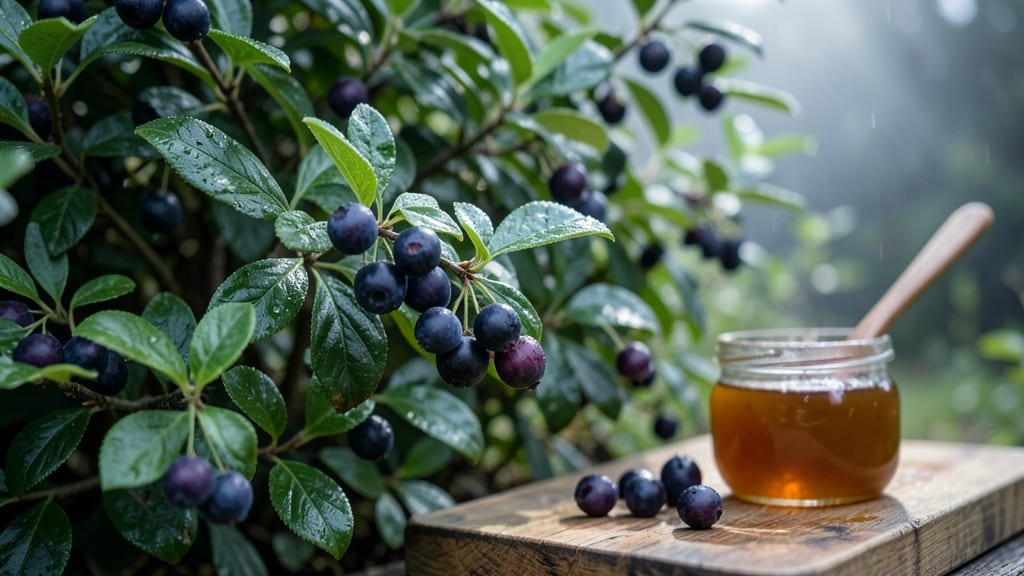
Tired of blackberries that are either too sweet or too tart? The jostaberry—a disease-resistant hybrid of gooseberry and black currant—delivers the perfect balance of tart-sweet flavor, ideal for jellies, sauces, or fresh snacking. Unlike its thorny relatives, this compact shrub stays manageable even in small urban gardens.
Thriving in full sun to partial shade, jostaberries adapt to most soils but prefer well-drained conditions. With minimal pruning needed, they reward you with year-round interest: fragrant white flowers in spring, glossy foliage, and deep purple-black berries in late summer. Their thornless stems make harvesting a breeze—no gloves required!
Perfect for urban gardeners or those with limited space, jostaberries pack a punch without the fuss. Plus, their resistance to common diseases means fewer pesticides and more berries for you. 🌻
Pawpaw Tree with Tropical Blackberry-Like Fruit
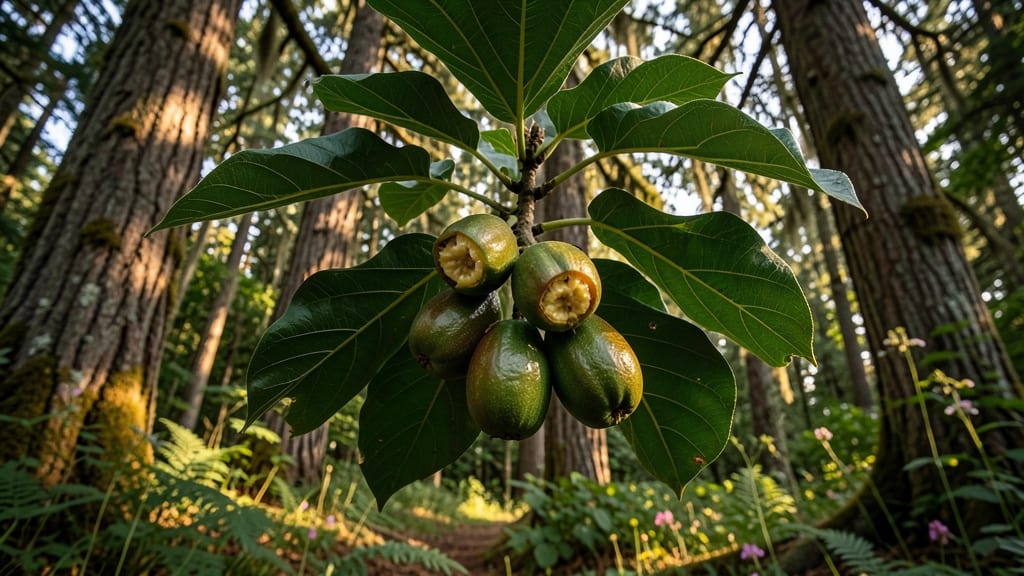
Want a native North American tree that produces berries with a tropical blackberry-like texture? The pawpaw tree (Asimina triloba) delivers custardy, flavorful fruits that ripen in late summer—perfect for smoothies, ice cream, or fresh eating. Unlike other berry-producing trees, pawpaws thrive in moist, well-drained soils and provide shade benefits, making them ideal for woodland gardens or understory planting.
These trees grow 20-40 feet tall and prefer partial shade, though they tolerate full sun in cooler climates. Plant them in rich, slightly acidic soil with consistent moisture, and watch for large, tropical-looking leaves and fragrant white flowers in spring. While they require cross-pollination (plant at least two varieties), the reward is a high-value, native fruit that’s rare in commercial markets.
Best for gardeners who love low-maintenance, shade-tolerant trees with edible rewards, pawpaws are a standout for wildlife-friendly landscapes and forest-edge gardens. 🌱