
Trees
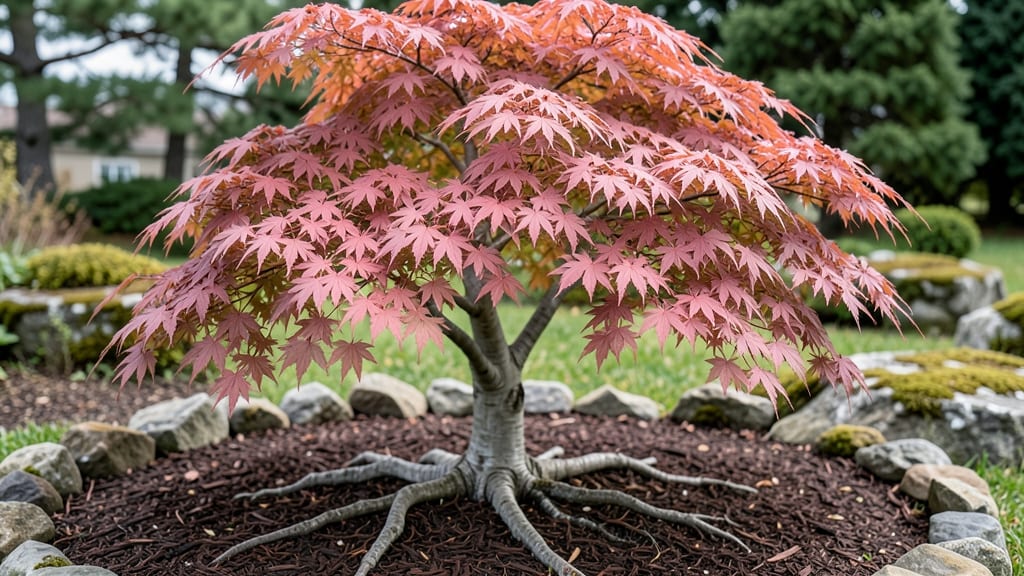
Pink leaves on your tree in spring aren’t just pretty—they’re a message. 🌸 Whether it’s a nutrient deficiency, fungal infection, or just seasonal stress, those soft pink hues mean something’s off, and knowing the difference saves your tree from long-term damage.
I’ve seen everything from magnesium shortages to early signs of anthracnose, and the fix often starts with a simple soil test or watering adjustment.
Start by checking the leaves’ edges—crispy brown spots mean drought stress, while yellow veins suggest nutrient issues. If the pink spreads fast, it could be a fungal problem that needs fungicide. The good news?
Most cases are fixable with the right care, and your tree can bounce back to full green with just a few targeted steps. Let’s figure out what’s really going on before it’s too late.
📚 In This Guide
- What you need
- Instructions
- Tips and common mistakes
- Wrapping up and next steps
What you need
- ● Pink-leaved tree varieties: Choose from Prunus serrulata 'Kanzan' (cherry blossom), Cercis canadensis 'Alba' (white pink-leaved redbud), or Betula nigra 'Heritage' (pinkish birch). Quantity: 1–3 trees (depending on space).
- ● High-quality potting soil: 1–2 bags (6–10 cubic feet each) for planting. Opt for well-draining, organic-rich soil.
- ● Organic mulch: 2–3 cubic feet (e.g., wood chips or straw) to retain moisture and suppress weeds.
- ● Slow-release fertilizer: 1 bag (10–20 lb) with balanced NPK (e.g., 10-10-10) for early growth.
- ● Shovel or spade: For digging holes (12–18 inches deep).
- ● Garden trowel: For precision planting.
- ● Pruners: Sharp, sterilized pruners for trimming.
- ● Watering can or hose: With a gentle spray nozzle.
- ● Measuring tape: To ensure proper spacing (15–25 feet apart for mature trees).
- ● Gloves & knee pads: For comfort during planting.
- ● Tree stakes & ties: For young trees in windy areas.
- ● Epsom salt: 1 lb (for magnesium boost in clay soil).
- ● Tree guards: To protect from pests or pets.
- ● Pink-tinted mulch: For a cohesive, colorful look!
How to select and care for trees with stunning spring pink leaves
Pink leaves in spring aren’t just pretty—they’re a sign of healthy, vibrant trees that’ll keep your landscape colorful year-round.
🌱 Step 1: Choose the Right Tree Varieties for Pink Spring Foliage
Start with trees known for their pink spring leaves, like Japanese maples (Acer palmatum), redbuds (Cercis canadensis), or smoke trees (Cotinus coggygria). These varieties naturally produce pink or reddish-pink foliage in early spring before transitioning to green. I always check the mature height and spread to ensure it fits my space—nothing worse than a tree outgrowing its spot in 5 years.
For instant impact, plant a mix of understory trees (like redbuds at 6-10 feet tall) and larger specimens (Japanese maples at 15-25 feet). Place them where their spring color will be visible from windows or walkways. Early spring sunlight enhances the pink hues, so avoid deep shade spots where leaves might stay dull.
☀️ Step 2: Plant in the Right Location for Maximum Color
Pink spring leaves thrive in full sun to partial shade—at least 4-6 hours of direct sunlight daily. Too much shade dulls the color, while too much harsh afternoon sun can scorch delicate new leaves. I like to plant mine where they get morning sun and afternoon dappled light, like near a building or under taller deciduous trees.
Dig a hole twice as wide as the root ball but no deeper. Loosen the roots gently if they’re circling—this encourages outward growth. Backfill with native soil mixed with compost (if not already in your materials) to improve drainage. Water deeply immediately after planting to settle the soil and eliminate air pockets.
💧 Step 3: Water and Fertilize for Vibrant Spring Growth
Newly planted trees need 1-2 inches of water weekly during their first growing season. Check soil moisture by sticking your finger 2 inches deep—if it’s dry, water deeply. Overwatering is just as harmful as underwatering, so avoid soggy soil. Mulch around the base (but not touching the trunk) with 2-3 inches of organic mulch to retain moisture and regulate temperature.
Feed with a balanced, slow-release fertilizer (10-10-10 ratio) in early spring as buds swell. This gives roots the energy to push out those stunning pink leaves. Avoid high-nitrogen fertilizers—they promote leaf growth at the expense of color intensity. I also add a handful of bone meal (if available) for phosphorus to encourage strong root development.
✂️ Step 4: Prune for Shape and Health After Spring Color Fades
Once the pink leaves transition to green, focus on pruning to maintain shape and airflow. Remove any dead, diseased, or crossing branches first—this keeps the tree healthy for next year’s color display. I prune in late winter or early spring (just before buds swell) to avoid disturbing the tree’s energy when it’s preparing for new growth.
Thin out crowded branches to improve light penetration, which helps all leaves—including next spring’s pink ones—develop vibrantly. Never remove more than 25% of the canopy in one season. After pruning, apply a wound sealant (like tree pruning paste) to large cuts to prevent disease entry points.
🌿 Step 5: Protect and Maintain for Year-Round Beauty
Pink-leaved trees often have tender bark or branches, so protect them from late-season frost or harsh winds. Wrap young trees with tree guards if your area gets strong winds. In winter, apply a thin layer of mulch (2-3 inches) around the base to insulate roots from freezing temperatures.
Monitor for pests like aphids or spider mites, which can weaken the tree and dull leaf color. Spray with neem oil (if needed) in early spring before new growth appears. With proper care, your tree will reward you with bigger, brighter pink leaves every spring—and possibly even some pink-tinged fall color in varieties like the ‘Royal Purple’ smoke tree.
Tips & tricks for stunning spring pink leaves on trees
Here's what nobody tells you about keeping those vibrant pink leaves popping every spring.
Variety Matters: Japanese maples and redbuds are your best bets for consistent pink foliage, but don't overlook less common varieties like the 'Royal Purple' smoke tree. I've seen this particular cultivar maintain its pinkish hue well into fall—something standard varieties often miss. For maximum impact, mix heights: place 6-10 foot redbuds near walkways and larger Japanese maples (15-25 feet) as focal points. The color contrast creates visual layers that catch the eye from different angles.
Sunlight Strategy: Those 4-6 hours of sunlight are non-negotiable for vibrant pink leaves, but timing matters just as much. Position your trees to catch morning sun—it's gentler on delicate new leaves than harsh afternoon rays. I've noticed that trees planted under taller deciduous trees (like oaks) get perfect dappled light conditions. If you must plant in full sun, choose varieties with thicker leaves like smoke trees—they handle afternoon heat better than Japanese maples.
Soil Secrets: The compost you mix into the planting hole isn't just for drainage—it's the foundation for vibrant color. I always add a handful of worm castings to the mix for extra nutrients. For established trees, top-dress with compost annually in early spring. This practice has given me noticeably brighter pink leaves compared to trees planted without this extra boost. The key is to keep the soil loose and well-draining while maintaining consistent moisture.
Pruning Precision: When you're pruning in late winter/early spring, focus on removing branches that cross or grow inward—they block light and air circulation. I've made the mistake of pruning too aggressively, which stressed my trees and weakened next year's color display. Aim to remove no more than 25% of the canopy, and always use sharp, clean tools to prevent disease. The goal is to shape the tree while maintaining its ability to produce vibrant foliage.
Pro Tips for Tree Pink Leaves In Spring
- Here's what nobody tells you about keeping those vibrant pink leaves popping every spring.
- Variety Matters: Japanese maples and redbuds are your best bets for consistent pink foliage, but don't overlook less common varieties like the 'Royal Purple' smoke tree.
- Sunlight Strategy: Those 4-6 hours of sunlight are non-negotiable for vibrant pink leaves, but timing matters just as much.
Frequently asked questions
Why do some trees have pink leaves in spring?
Pink leaves in spring are usually caused by anthocyanins, natural pigments that protect young leaves from intense sunlight and cold. Some trees, like Prunus serrulata (Japanese cherry) or Cercis canadensis (eastern redbud), produce them as a seasonal trait. Others, like Betula nigra (river birch), may develop pink hues due to stress or nutrient imbalances.
When is the best time to see pink leaves on trees?
Timing varies by species and climate, but pink leaves typically appear 4–8 weeks before full foliage—often in late March to May in temperate zones. Check local bloom forecasts or observe nearby trees: pink leaves usually peak 1–2 weeks before green leaves emerge. Cooler springs or high-altitude areas may delay the show.
Can I plant a tree to guarantee pink leaves every spring?
Yes! Choose cultivars known for consistent pink foliage, such as:
- Cercis canadensis ‘Forest Pansy’ (red-pink leaves)
- Prunus ‘Kanzan’ (cherry with pink buds/leaves)
- Betula ‘Royal Frost’ (peeling bark + pink spring leaves)
For guaranteed results, plant in full sun to partial shade with well-draining soil. Mulch annually to retain moisture and nutrients.
Are pink leaves a sign of a sick tree?
Not always! While some pink leaves indicate stress (e.g., nutrient deficiency, fungal issues, or root damage), many trees produce them naturally. Check for other symptoms:
- Yellowing leaves or wilting = possible nutrient deficiency (try iron or magnesium supplements).
- Spots or mold = fungal infection (prune affected branches, apply fungicide).
- No other issues? It’s likely just seasonal beauty!
For peace of mind, consult a local arborist if pink leaves persist beyond spring.
How can I photograph pink-leaved trees for social media?
Capture the magic with these pro tips:
- Golden hour: Shoot during sunrise or sunset for soft, diffused light.
- Layer textures: Include bark, flowers, or shadows for depth.
- Macro mode: Zoom in on veins or buds for intricate details.
- Edit lightly: Boost saturation subtly (avoid overdoing pink tones).
Bonus: Use a polarizing filter to enhance leaf vibrancy on cloudy days.
Wrapping up and next steps
Witnessing pink leaves in spring isn’t just a fleeting moment—it’s a celebration of nature’s artistry and a reminder of the beauty waiting to unfold year-round.
Whether you’re planting a new tree, nurturing existing foliage, or simply admiring the blush of pink blooms, you’re part of a vibrant ecosystem that thrives with a little care and intention. 🌸
Now that you’re equipped with tips and tricks, why not take the next step? Visit your local nursery, sketch your dream garden, or share your progress with fellow plant enthusiasts. Every pink leaf is a story—let yours begin today!