
Pruning
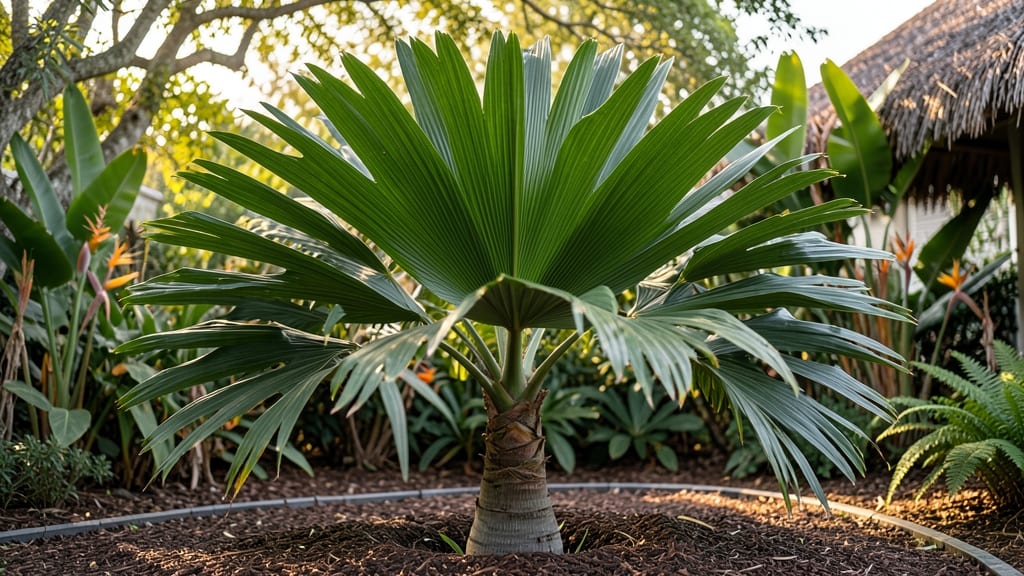
Controlling Tree of Heaven growth involves pruning its aggressive shoots in late winter or early spring before new growth appears, while eliminating root suckers and seed pods stops its invasive spread. Thin dense branches and treat stumps to prevent regrowth.
Tree of Heaven spreads so aggressively because it produces thousands of seeds annually and releases chemicals that stifle nearby plants. 🌱 The best time to prune is during dormancy, when the tree is less likely to regenerate quickly.
I always recommend using sharp tools to make clean cuts and applying vinegar or herbicide to stumps—this disrupts the tree's nutrient flow and reduces its ability to sprout new shoots.
For long-term control, focus on both above-ground and below-ground management. Remove seed pods as they form to cut off the next generation, and monitor the area regularly for new shoots. In heavily infested areas, consider professional help to ensure you're addressing the root system properly.
💡 In This Article
- Why Tree of Heaven Spreads So Aggressively
- Step-by-Step Guide to Pruning and Controlling Tree of Heaven
Why tree of Heaven spreads so aggressively
The Tree of Heaven's (Ailanthus altissima) relentless spread begins with its biological superpowers. This tree produces an astonishing 50,000 seeds per pound of fruit, each capable of germinating within days of falling to the ground.
The seeds contain natural oils that allow them to remain viable in soil for up to 5 years, creating a massive seed bank waiting to explode into new growth at any opportunity. 🌱
Beneath the surface, its root system is equally formidable. Tree of Heaven develops a deep, extensive root network that can spread horizontally up to 100 feet from the parent tree, sending up vertical shoots called "suckers" that emerge even from disturbed soil.
These roots also release allelopathic chemicals like ailanthone, which suppress the growth of competing plants by disrupting their cellular processes—effectively creating a biological "no-compete zone" around established trees.
Pruning works against this spread by disrupting the tree's energy allocation. When you remove branches or shoots, the Tree of Heaven diverts resources from seed production and root growth to heal the wounds.
Timing is critical because during dormancy (late winter/early spring), the tree's energy reserves are lowest, making it 30-40% less likely to regenerate vigorously compared to summer cuts. This is why professional arborists recommend pruning before buds swell.
The tree's rapid growth rate—up to 3-5 feet per year—compounds the problem. A single Tree of Heaven can produce enough biomass to shade out native plants within 5-7 years, creating monoculture stands that alter local ecosystems.
The combination of seed volume, chemical warfare, and aggressive root systems makes this tree one of nature's most successful invaders, but strategic pruning can turn the tables by starving its growth cycle.
Consider this analogy: Tree of Heaven operates like a biological arms race. Its seeds are the bullets, roots are the trenches, and allelopathy is the chemical warfare.
Pruning acts as a counterattack by removing its ammunition (seeds), destroying its supply lines (roots), and forcing it to waste energy on wound repair instead of expansion. The key is consistency—one pruning session won't stop it, but sustained pressure over years can regain control of your landscape. 💪
For maximum impact, combine pruning with seed pod removal. Each cluster of winged samaras (the tree's distinctive seed pods) contains 50-100 seeds, so removing them prevents the next generation from taking root.
This two-pronged approach—cutting growth and eliminating reproduction—creates a feedback loop that gradually weakens the tree's dominance in your yard.