
Pruning
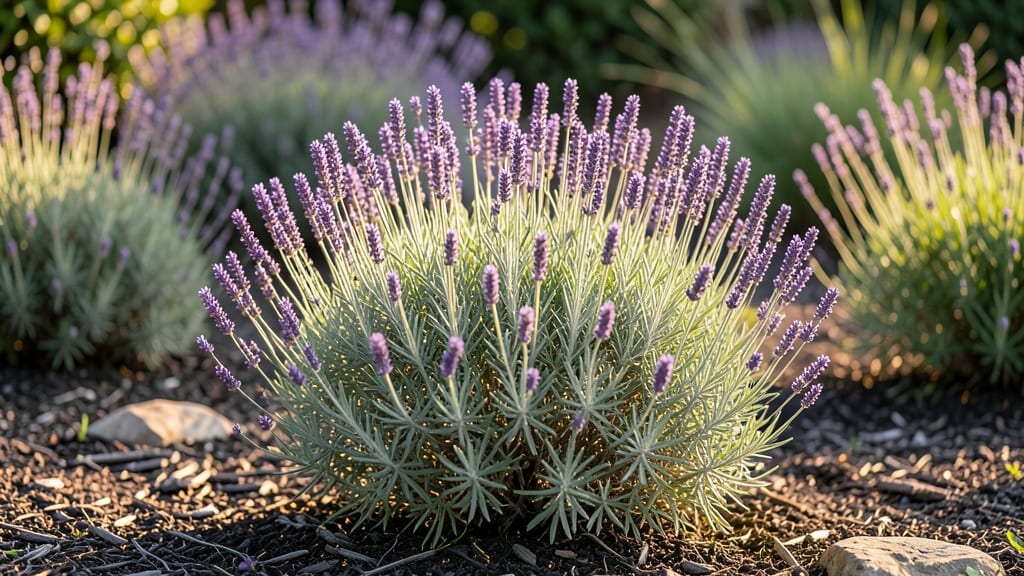
Transforming lavender into a tree form gives your garden a striking vertical accent that smells like a Provençal summer. 🌿 I’ve pruned mine for years, and the secret to those lush, woody stems with fragrant spikes isn’t complicated—just timing and a steady hand.
The key is shaping it early, then letting it grow into a sturdy, multi-branched structure that thrives for decades.
You’ll need full sun (at least 6 hours daily), well-draining soil, and a spot protected from harsh winds—lavender hates soggy roots. Start with a healthy young plant or propagate cuttings, then prune back by one-third in early spring to encourage bushier growth.
The first year is all about establishing that strong central trunk before letting the branches fill in.
By summer, you’ll see thick, woody stems with those signature lavender spikes, and the fragrance? Unmatched. The plant becomes a living centerpiece, drawing bees and butterflies while keeping pests at bay. Prune lightly after flowering to maintain shape, and avoid cutting into old wood—it won’t regrow.
Works in borders, containers, or as a standalone specimen—just avoid overwatering and heavy clay soil. Once established, it’s nearly maintenance-free and drought-tolerant. Here’s how to get started without the common mistakes that stunt growth.
📚 In This Guide
- What you need
- Instructions
- Tips and common mistakes
- Wrapping up and next steps
What you need
- ● Tree form lavender plants: 1-3 young plants (6–12 inches tall) or mature lavender cuttings with sturdy stems.
- ● Pruning shears: Sharp, bypass-style shears (avoid dull tools—they crush stems!).
- ● Gloves: Heavy-duty gardening gloves (lavender can be prickly!).
- ○ Pruning sealant (optional but helpful): A tree wound paint or beeswax-based sealant (for cuts larger than ¼ inch).
- ● Staking materials (for young plants): 3–4 bamboo stakes (12–18 inches tall) + soft plant ties.
- ● Well-draining potting mix or soil: A blend of cactus/succulent mix + perlite (50/50 ratio) for containers, or amended garden soil (sandy loam with gravel or grit for in-ground planting).
- ● Container (if not planting in-ground): A terracotta or fabric pot (12–18 inches wide) with drainage holes.
- ● Hand pruners: For delicate trimming of new growth.
- ● Hose with gentle spray nozzle: Lavender hates soggy roots—water lightly at the base.
- ○ Mulch (optional): Gravel or coarse sand (2–3 inches) to retain heat and deter weeds (avoid organic mulch—it retains moisture).
- ○ Sunlight meter (optional): To confirm your lavender gets 6+ hours of full sun daily.
Step-by-Step guide to pruning lavender for tree form
Transform your lavender into a striking, bushy tree shape with these precise pruning techniques.
🌿 Step 1: Identify the Right Time for Pruning
Prune your lavender in early spring, just as new growth begins but before the plant flowers. This timing ensures you're cutting back old wood while allowing plenty of time for fresh, vigorous growth. Avoid pruning in fall or winter—lavender needs its foliage to protect the woody stems during colder months.
Look for tender new shoots emerging along the stems as your signal. These indicate the plant is waking up from dormancy and ready to respond to pruning. If you wait until after flowering, you'll sacrifice the fragrant spikes that give lavender its charm.
✂️ Step 2: Shape the Trunk and Main Stem
Select the strongest, straightest stem you want to become your tree trunk. Use sharp pruning shears to cut back any competing stems at their base, leaving only one central leader. This stem should be at least 6-8 inches tall—if yours is shorter, wait until next spring to begin shaping.
Once you've established your trunk, prune the sides of the plant to encourage branching. Cut back the top one-third of the plant to stimulate lateral growth. Make clean cuts just above a leaf node or bud—never leave stubs. This is where new branches will emerge, creating that lush, tree-like canopy.
🌱 Step 3: Encourage Bushy Growth Through Strategic Cuts
Focus on the outer third of the plant, cutting back stems by one-third to one-half of their length. This opens up the center for airflow and sunlight, which prevents disease and encourages dense foliage. Avoid shearing—lavender responds best to selective pruning rather than blunt cuts.
Watch for new lateral buds forming along the stems after pruning. These are your future branches. If you notice any leggy growth reaching outward, trim those back to maintain a balanced shape. The goal is to create a full, rounded canopy that tapers down to your trunk.
☀️ Step 4: Maintain Growth Through the Season
After your initial pruning, lavender will send out fresh growth. Monitor the plant closely—remove any flowers that appear on the main trunk or lower branches. Allow only the top third of the plant to flower, as this encourages the most fragrant spikes while keeping the tree form intact.
Water deeply once a week during dry spells, but never let the soil stay soggy. Lavender thrives in well-draining soil and full sun—at least 6-8 hours daily. If you notice the plant wilting, it's often a sign of overwatering rather than thirst. Mulch lightly around the base to retain moisture without smothering the roots.
⏰ Step 5: Annual Pruning for Long-Term Shape
Each spring, repeat the pruning process to maintain your tree form. Over time, you'll need to thin out older stems from the center to keep airflow moving. Cut these back to the base if they're no longer contributing to the shape. This prevents the plant from becoming too dense and woody.
By year three, your lavender should have a distinct trunk and rounded canopy. If you've kept up with pruning, you'll see vibrant green foliage and fragrant purple spikes concentrated at the top. This is the hallmark of a well-shaped tree form lavender—both beautiful and productive.
Tips & tricks for perfect tree form lavender
A few strategic moves will transform your lavender from ordinary to extraordinary—here's how to avoid common pitfalls and elevate your pruning game.
Timing is Everything: The early spring window is non-negotiable for tree form lavender. I've learned this the hard way—pruning too early risks damaging tender new shoots, while waiting too long sacrifices that coveted floral display. Look for those first tender shoots emerging along the stems as your green light. This precise timing ensures you're cutting back old wood while preserving the plant's energy for vigorous regrowth.
The Trunk Selection Secret: When choosing your central leader in Step 2, don't just grab the first stem you see. Examine each candidate for structural integrity—look for stems that are straight, sturdy, and at least 6-8 inches tall. I've seen beginners pick stems that look promising but bend under their own weight when mature. This weak trunk will never support that beautiful canopy you're aiming for.
Pruning Precision Matters: Those one-third cuts in Steps 2 and 3 aren't arbitrary—they're based on lavender's natural growth patterns. When you cut back the top third of the plant, you're stimulating exactly the right amount of lateral growth to create that tree-like canopy. And when working with the outer third, remember: selective pruning beats shearing every time. Lavender responds best to targeted cuts that encourage new growth at specific nodes rather than blunt cuts that create unsightly stubs.
Seasonal Maintenance Strategy: The once-a-week watering guideline in Step 4 is your baseline, but adjust based on your climate. In hot, dry summers, you might need to water every 5-6 days, while cooler regions can stretch it to 10 days. The key is always well-draining soil—lavender hates soggy roots. I've found that mulching lightly around the base (about 1-2 inches) helps retain just enough moisture without suffocating the roots, which is crucial for maintaining that vibrant green foliage we're all after.
Pro Tips for Tree Form Lavender
- A few strategic moves will transform your lavender from ordinary to extraordinary—here's how to avoid common pitfalls and elevate your pruning game.
- Timing is Everything: The early spring window is non-negotiable for tree form lavender.
- The Trunk Selection Secret: When choosing your central leader in Step 2, don't just grab the first stem you see.
Frequently asked questions
How often should I prune tree form lavender for bushier growth?
Prune tree form lavender once a year, ideally in late winter or early spring before new growth begins. Avoid heavy pruning—focus on shaping and removing dead wood. Over-pruning can stress the plant and reduce flowering. A light trim (10-20% of growth) encourages denser, bushier foliage while preserving those signature fragrant spikes.
Can I prune tree form lavender in the fall or summer?
Fall pruning is risky—it can stimulate tender new growth that won’t survive winter frosts. Summer pruning (after flowering) is possible, but avoid cutting back more than 1/3 of the plant to prevent shock. Best practice: Wait until late winter/early spring for the cleanest, safest trim. If you must prune in summer, do it after the flowers fade to avoid sacrificing next year’s blooms.
What if my tree form lavender looks leggy or sparse after pruning?
Leggy growth often means the plant needs more light or wasn’t pruned correctly. To fix it:
- Move it to a sunnier spot (6+ hours of direct sun daily).
- Trim back overly long stems to encourage branching from lower buds.
- Fertilize lightly with a low-nitrogen plant food to avoid leafy overgrowth.
Are there alternatives to tree form lavender for fragrant hedges?
Yes! If tree form lavender isn’t your style, try these fragrant, low-maintenance alternatives:
- English Lavender (Lavandula angustifolia): Classic bushy form, great for hedges.
- Spanish Lavender (Lavandula stoechas): Unique "rabbit ear" flowers, thrives in heat.
- Rosemary (Rosmarinus officinalis): Evergreen, drought-tolerant, and aromatic.
- Dwarf Boxwood (Buxus microphylla): Non-flowering but ultra-low-maintenance for hedges.
Why is my tree form lavender dying after pruning?
Sudden decline after pruning usually stems from one or more of these issues:
- Over-pruning: Cutting back more than 30% can shock the plant. Stick to shaping, not drastic reductions.
- Wrong timing: Pruning in fall or during extreme heat stresses lavender. Always prune in dormant season (late winter).
- Poor drainage: Lavender hates soggy roots. Ensure well-draining soil and a pot with drainage holes.
- Pests/disease: Check for spider mites or fungal spots. Treat with neem oil or adjust watering habits.
Wrapping up and next steps
Transforming your tree form lavender into a bushier, fragrant beauty is all about patience, precision, and a little love! 🌿 With the right pruning techniques—like shaping in early spring, removing dead wood, and encouraging new growth—you’ll enjoy lush foliage and stunning purple spikes for years.
Remember, consistency is key, so grab those shears and give your lavender the care it deserves.
Ready to take your pruning skills to the next level? Start small—pick one section of your lavender to practice, then expand as you gain confidence. Happy gardening! 🌸