
Trees
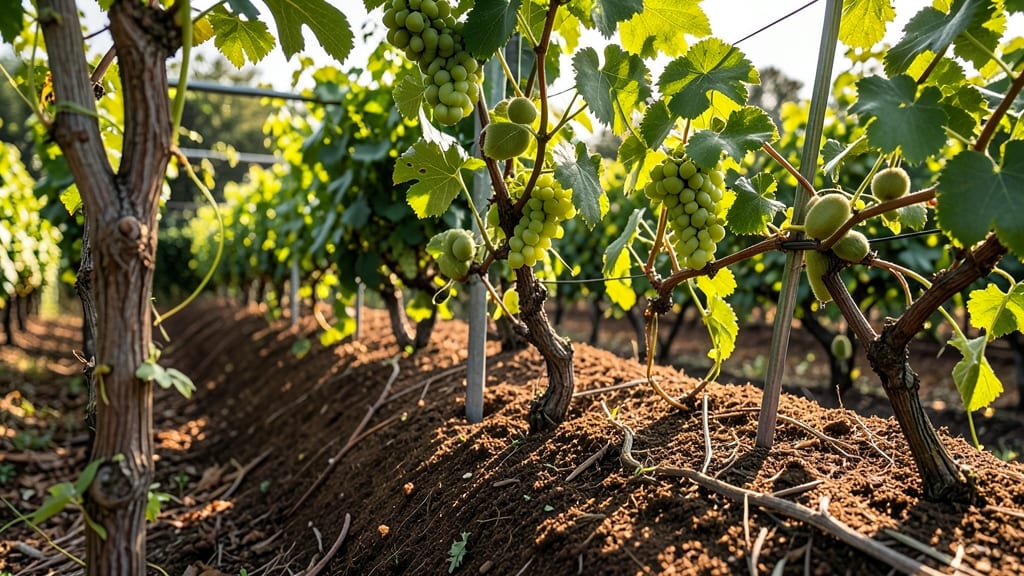
Transforming your yard into a lush, private oasis doesn’t require fences or expensive materials—just strategic tree berms. These natural privacy solutions grow over time, enhance curb appeal, and create a serene outdoor space that blends seamlessly with nature.
Evergreen Shrub Berm with Arborvitae
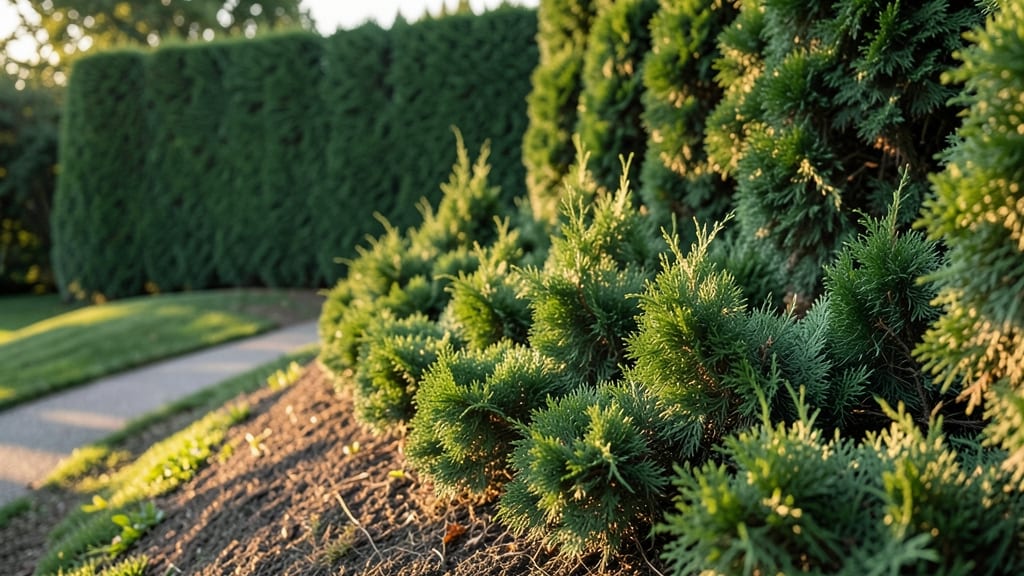
Tired of seasonal privacy screens that fade with the leaves? A berm filled with emerald-green arborvitae delivers year-round privacy without the upkeep of fences or hedges. These hardy evergreens grow densely, blocking noise and wind while adding timeless elegance to any landscape.
Plant arborvitae ('Thuja occidentalis') in a 3-4 foot high berm for maximum impact, spacing them 3-5 feet apart for a lush, unbroken screen. They thrive in full sun to partial shade and tolerate a wide range of soils, from sandy to clay. With natural pest resistance, they require minimal care—just an annual pruning to shape and occasional watering during droughts.
This solution is perfect for busy homeowners or those in urban areas where space is limited but privacy is essential. The soft, feathery foliage softens hard lines in your yard while creating a serene, secluded retreat. 💚
Fast-Growing Willow Tree Berm
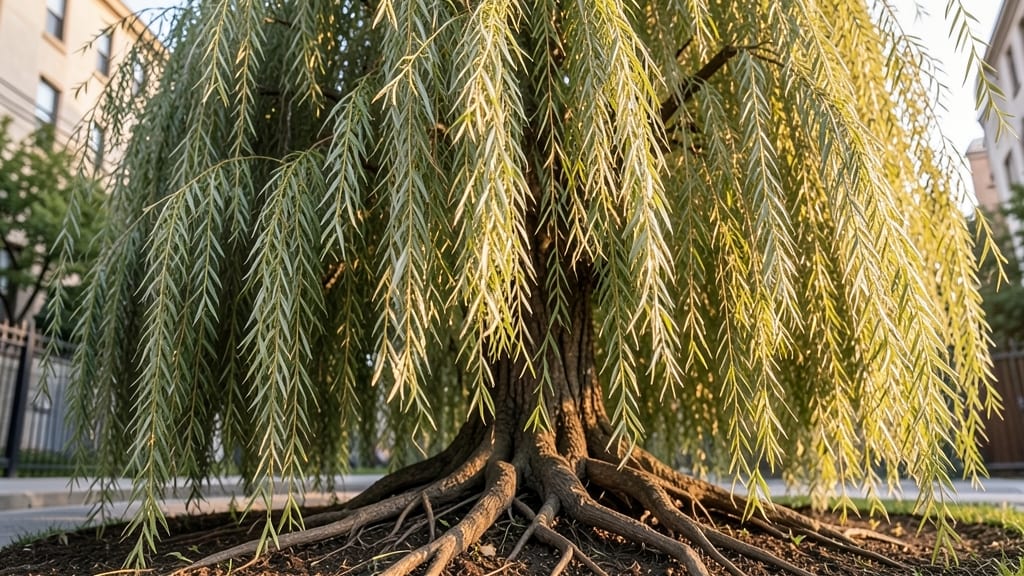
Need privacy now? A willow tree berm delivers faster results than most options—these trees grow 3-6 feet per year, creating a lush, weeping screen in just 2-3 seasons. Their cascading branches naturally block noise and filter sunlight, making them perfect for urban yards where space is limited but shade is a priority.
Plant white willow (Salix alba) or crack willow (Salix fragilis) along a gently sloped berm to encourage strong root systems and dramatic growth. Water deeply once a week during the first year to establish roots, then reduce to monthly deep waterings once mature. Prune in late winter to shape the screen and remove dead branches, but avoid heavy pruning—willows thrive on their natural, flowing form.
This option is ideal for city dwellers or anyone tired of waiting years for privacy. The soft, feathery foliage also adds a serene, almost magical touch to any landscape. 🌿
Mixed Native Tree Berm for Wildlife
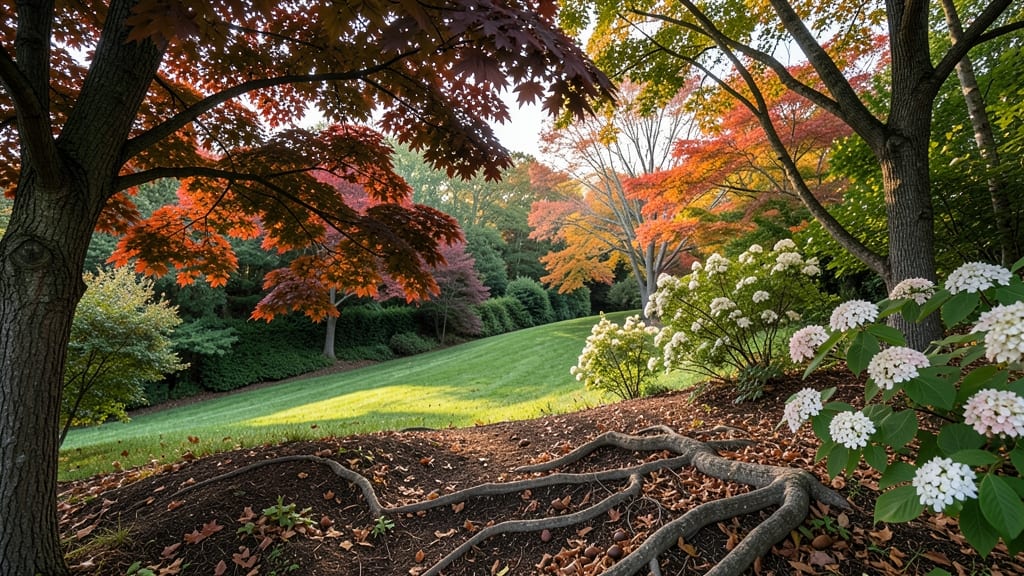
Turn your yard into a thriving wildlife habitat while enjoying natural privacy with a mixed native tree berm. Unlike fast-growing options, this design prioritizes ecological balance by featuring species like red oak, sugar maple, or flowering dogwood—each chosen for their local resilience and seasonal beauty.
Start by selecting 3-5 native species with varying heights and bloom times to ensure year-round interest. Plant saplings in well-drained soil along a gently sloped berm (3-4 feet tall) to create natural layers. Add a mulch layer of leaf litter or wood chips to retain moisture and attract beneficial insects. This approach supports pollinators, birds, and small mammals while reducing your garden's ecological footprint.
Perfect for eco-conscious gardeners or those with larger properties, this berm matures gracefully over 5-10 years, offering privacy and a living ecosystem. 🌿
Privacy Berm with Bamboo Clumps
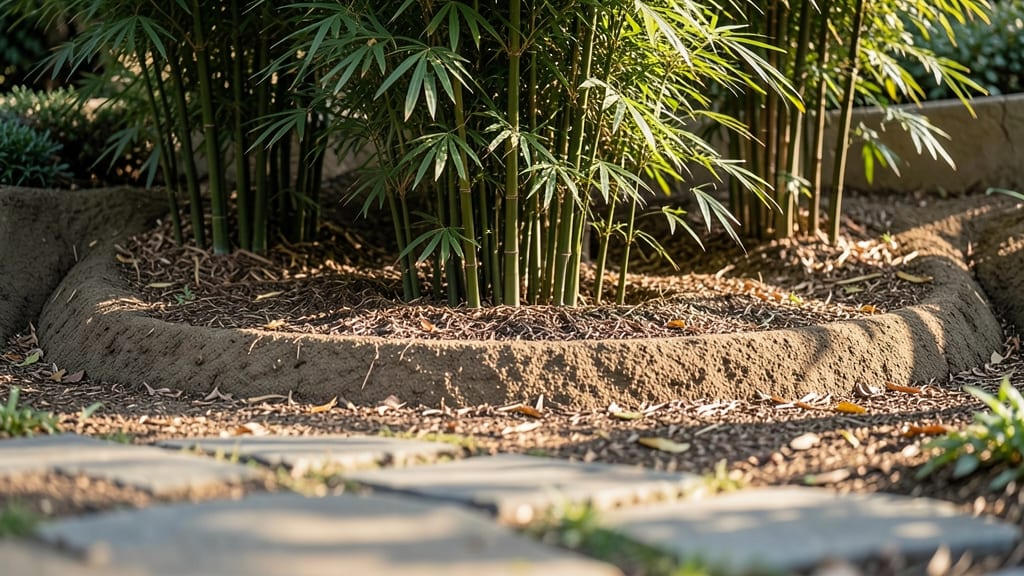
Need instant privacy in tight corners or small spaces? Fargesia bamboo clumps planted in a berm deliver a lush, non-invasive screen that grows faster than most trees—without the sprawling roots. Unlike traditional bamboo, these varieties stay contained, making them perfect for urban gardens, patios, or narrow yards.
Start by creating a raised berm (2-3 feet high) using native soil mixed with compost for drainage. Plant 3-5 clumps spaced 3-5 feet apart for a dense, natural curtain. Water deeply after planting, then maintain with 1-2 inches of water weekly—they thrive in partial shade but tolerate full sun in cooler climates.
This solution is ideal for renters, small-space gardeners, or anyone who wants low-maintenance privacy without the mess. Plus, the slender canes add a sleek, modern aesthetic to any landscape. 🌿
Fruit Tree Berm for Privacy and Harvest
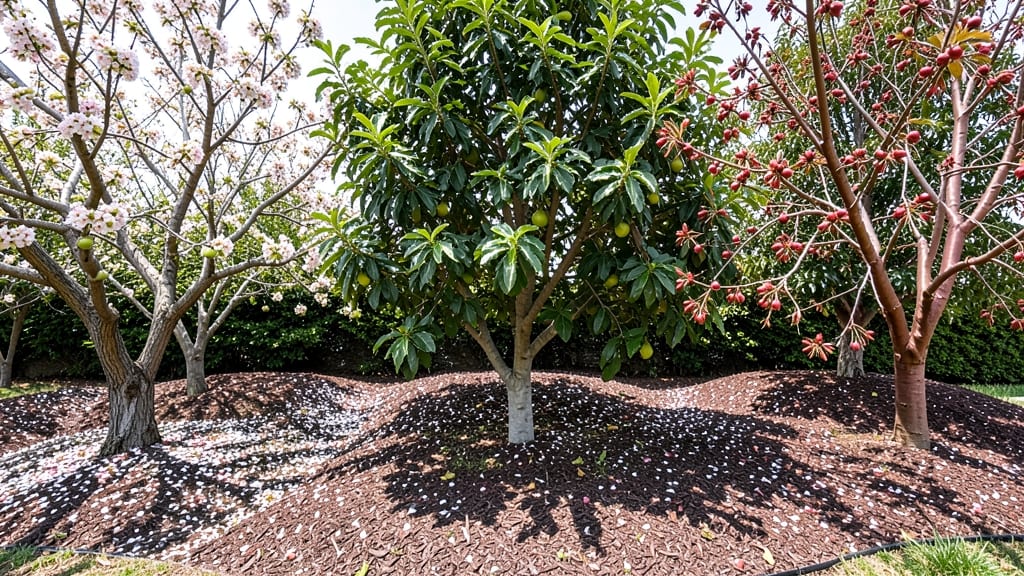
Imagine a backyard that offers both privacy and a bounty of fresh fruit—no fancy fence required. A fruit tree berm combines the beauty of blooming apple, pear, or cherry trees with the practicality of a natural privacy screen, perfect for suburban spaces where room is limited but dreams of homegrown harvests aren’t.
Start by creating a raised mound of native soil and compost, then plant dwarf or semi-dwarf varieties spaced 10-15 feet apart for optimal growth. These trees thrive in full sun to partial shade, and their dense canopies will block views while providing welcome shade in summer. The key is choosing disease-resistant varieties suited to your climate—like Honeycrisp apples for cold regions or Anjou pears for warmer areas—to ensure both beauty and productivity.
This design is ideal for homeowners who want to reduce their grocery bill while adding curb appeal. With proper mulching and seasonal pruning, your berm will mature into a thriving, fruit-bearing privacy screen in just a few years. 🌟
Evergreen Pine Berm for Coastal Areas
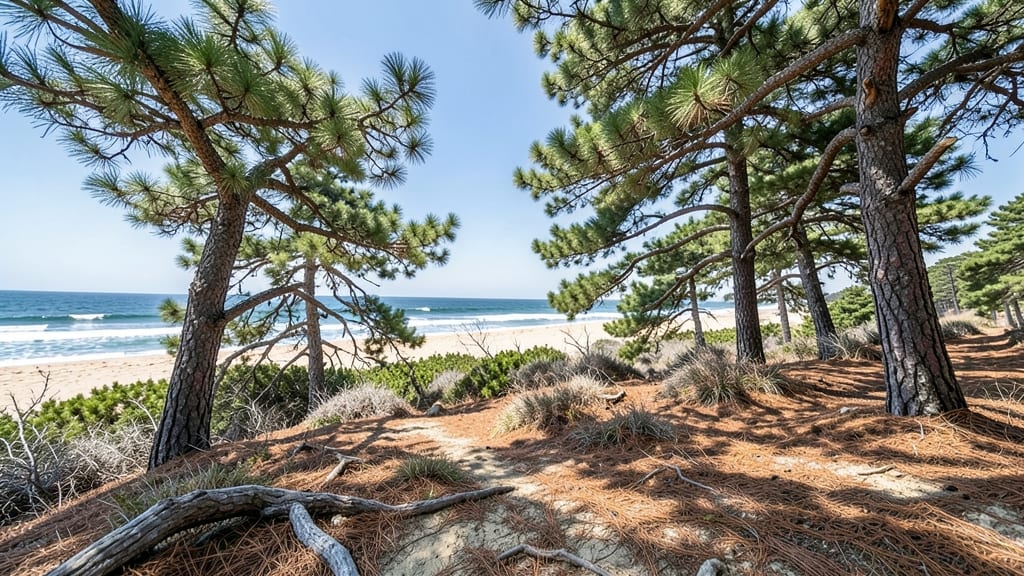
If you live near the coast, salt spray and wind shouldn’t stop you from creating a stunning privacy berm. Salt-tolerant pines like Pinus contorta (lodgepole pine) or Pinus elliottii (slash pine) thrive in these conditions, offering year-round greenery with minimal fuss.
These pines require well-draining sandy soil and can handle full sun exposure, making them perfect for coastal yards. Plant them in a berm to create a natural windbreak that reduces salt damage to nearby plants while adding height and texture. Once established, they need very little water—ideal for drought-prone coastal areas.
Coastal homeowners and eco-conscious gardeners will love how these pines add structure and privacy without the upkeep of other options. 🌟
Flowering Tree Berm with Magnolias
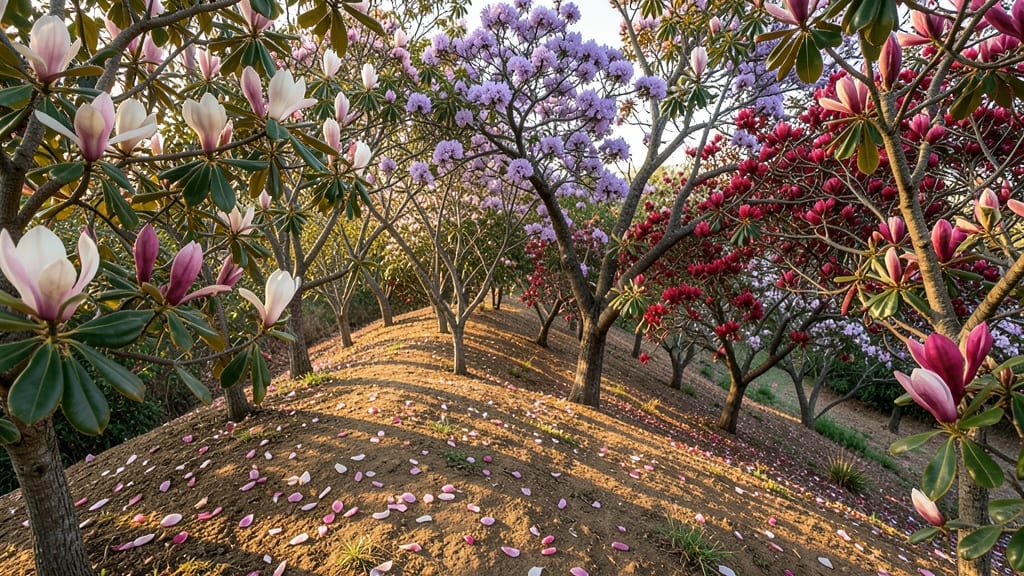
Skip the plain green screen—your berm can be a seasonal masterpiece! A flowering tree berm with magnolias or crape myrtles transforms privacy into a breathtaking display. These trees deliver bold blooms in spring and summer, turning your yard into a fragrant, color-drenched retreat.
Plant magnolias (like Magnolia grandiflora or Magnolia stellata) for large, fragrant flowers, or choose crape myrtles (Lagerstroemia) for vibrant clusters that attract pollinators. Both thrive in full sun to partial shade and well-drained soil—ideal for berms with gentle slopes. Mulch heavily to retain moisture and suppress weeds, ensuring your trees focus energy on showy blooms rather than competition.
This design is perfect for gardeners who crave both beauty and function. Whether you’re framing a patio or softening a property line, these trees grow tall enough for privacy while delivering year-round interest—even the glossy foliage of magnolias adds texture in winter. 🌷
Low-Maintenance Boxwood Berm
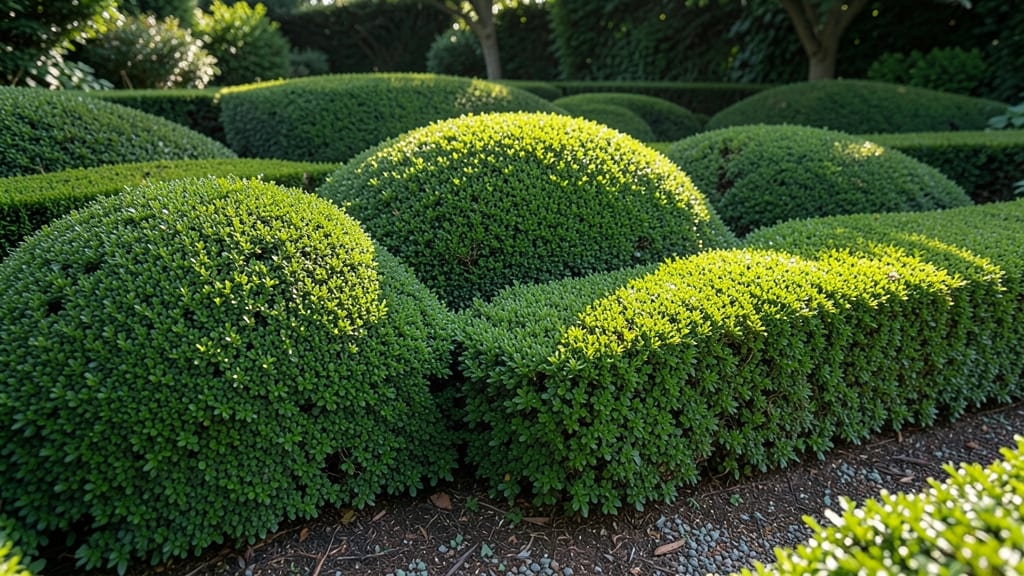
If you crave the polished look of a formal garden without the high-maintenance upkeep, a boxwood berm is your solution. These compact, slow-growing shrubs create a neat, manicured mound that thrives in partial shade—perfect for small yards or urban spaces where privacy meets precision.
Boxwoods like Buxus sempervirens or Buxus microphylla grow just 6-12 inches per year, so shaping them into a berm requires minimal pruning—just a light trim once or twice annually to maintain their shape. They tolerate partial shade, making them ideal for spots under trees or along north-facing walls. For best results, plant them in well-draining soil and water deeply after planting, then reduce frequency as they establish.
This design is ideal for gardeners who love structure but hate fuss—boxwood berms offer year-round greenery with almost no effort. They’re also pest-resistant and deer-proof, making them a hassle-free choice for both beginners and seasoned gardeners. 💚
Privacy Berm with Red Cedar Trees
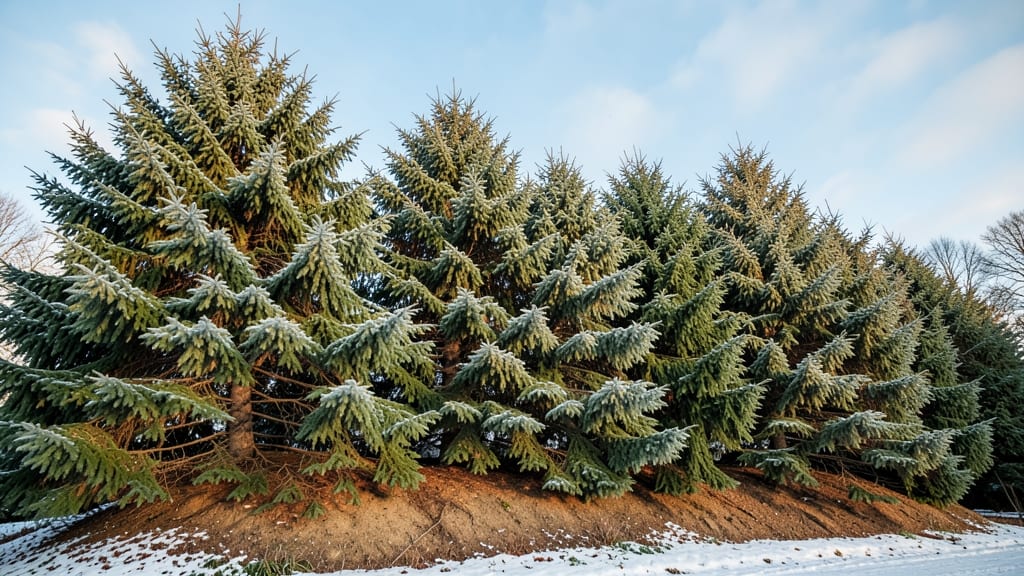
If you're in a northern climate where evergreens struggle to thrive, red cedar trees are your secret weapon for a fragrant, year-round privacy berm. Their dense foliage and natural pest-repellent properties make them a low-maintenance choice that outshines many alternatives.
These hardy trees grow in full sun to partial shade and tolerate poor soil, making them ideal for rocky or sandy landscapes. Plant them in a berm 3-4 feet high to maximize privacy, spacing saplings 3-5 feet apart for optimal growth. Their blue-green needles release a pleasant aroma when crushed, adding a sensory bonus to your outdoor space.
Perfect for gardeners in USDA zones 3-7, red cedars require minimal pruning and resist deer and insects, saving you time and frustration. Their evergreen nature ensures your privacy screen stays lush even in winter. 🌿
Edible Vine Berm with Grapes or Kiwi

Why settle for a plain privacy screen when you can grow your own edible vineyard? A grape or kiwi berm transforms a simple mound into a lush, functional trellis—offering seasonal shade, harvestable fruit, and a natural barrier that evolves with your garden.
Start by shaping a 3-4 foot high berm along your property line, then install wooden or metal trellises embedded into the slope. Grapes thrive in full sun and well-drained soil, while kiwi vines need a slightly cooler microclimate and support for their heavy fruit. Train young vines to climb the trellis as they grow, pruning in late winter to encourage bushier, fruit-bearing growth. Mulch the base to retain moisture and suppress weeds—critical for vines that spread wide.
This design is ideal for urban homesteaders or small-space gardeners who crave both privacy and productivity. Imagine sipping fresh wine or snacking on homegrown kiwi while lounging in your shaded retreat. 🌱