
Pruning
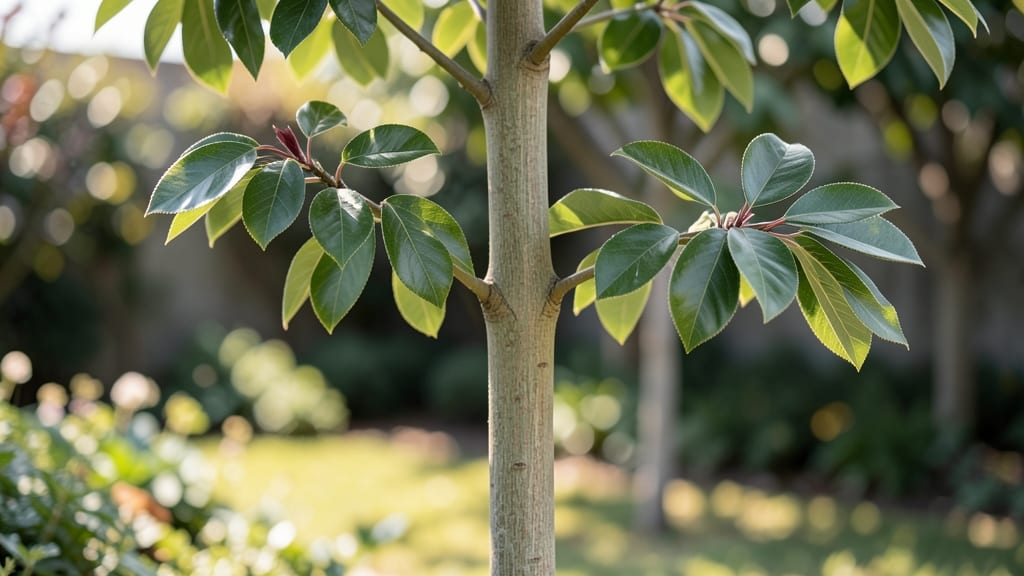
Strawberry trees create lush, fragrant hedges that thrive year-round and offer natural privacy. These 10 pruning techniques will help you cultivate dense, healthy screens while maximizing their beautiful foliage and seasonal fruit.
Classic Formal Hedge with Tiered Layers
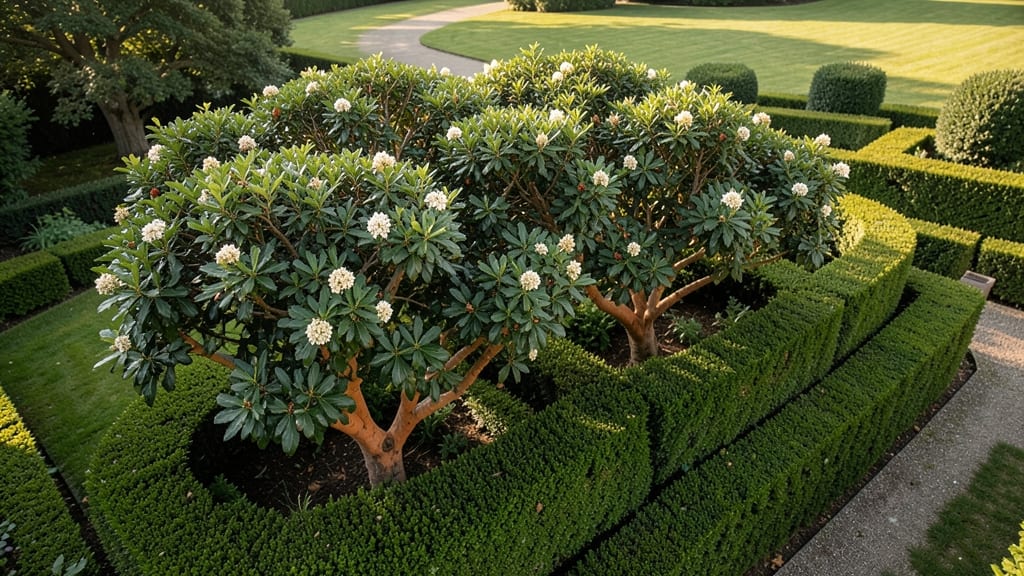
Transform your garden into a timeless masterpiece with a classic formal hedge using strawberry trees (Arbutus unedo). This tiered layering technique creates elegant, geometric shapes that elevate traditional landscapes—ideal for high-end properties or formal gardens where precision meets beauty.
Start by planting young trees in parallel rows, spaced 8-10 feet apart for mature width. Prune annually in late winter to shape each layer: begin with the tallest at the back (4-5 feet), then mid-height (2-3 feet), and finally a low front layer (1-2 feet). Use clean, sharp shears to create crisp edges, and thin out crossing branches to maintain airflow. The result? A symmetrical, evergreen screen that frames pathways and adds architectural charm.
Perfect for homeowners who love structured elegance, this method requires minimal upkeep once established. The year-round foliage and occasional edible fruit make it both practical and rewarding. 🌟
Naturalistic Curved Hedge Design
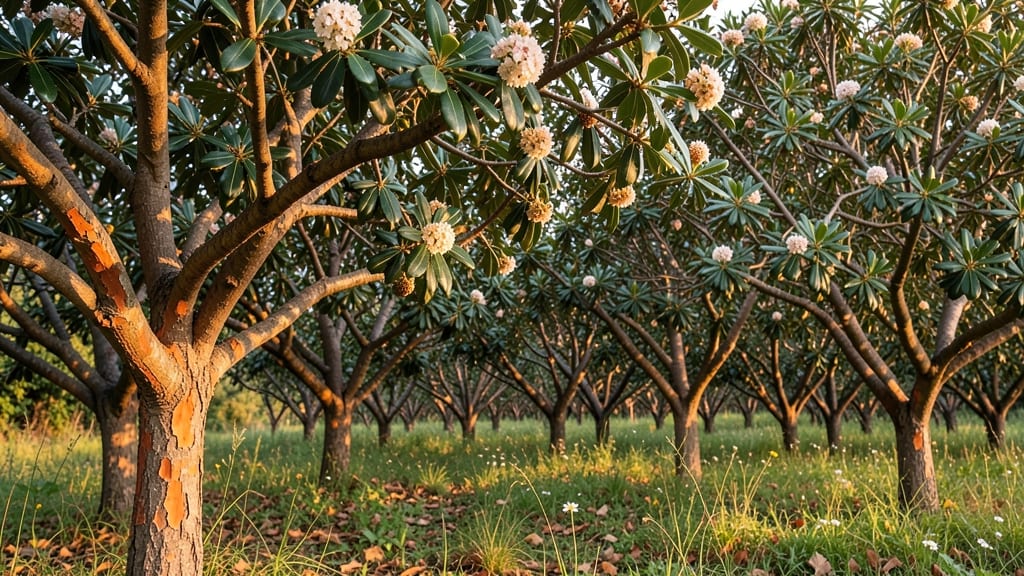
Skip the rigid lines and embrace the wild beauty of your garden with a naturalistic curved hedge using strawberry trees. This design flows like a meadow, blending seamlessly with your landscape while providing functional privacy—ideal for eco-conscious gardeners who love organic shapes.
Start by planting saplings in gentle, winding curves rather than straight rows, spacing them 3-4 feet apart for optimal growth. Use hand pruners to soften any sharp edges, encouraging the hedge to grow into natural, undulating forms. Allow some branches to grow longer for a whimsical, windswept look while maintaining a consistent height of 6-8 feet.
Perfect for those who want a low-maintenance yet striking hedge, this style thrives in organic gardens and pairs beautifully with wildflowers or native ground covers. 🌿
Espaliered Strawberry Tree Against Fences
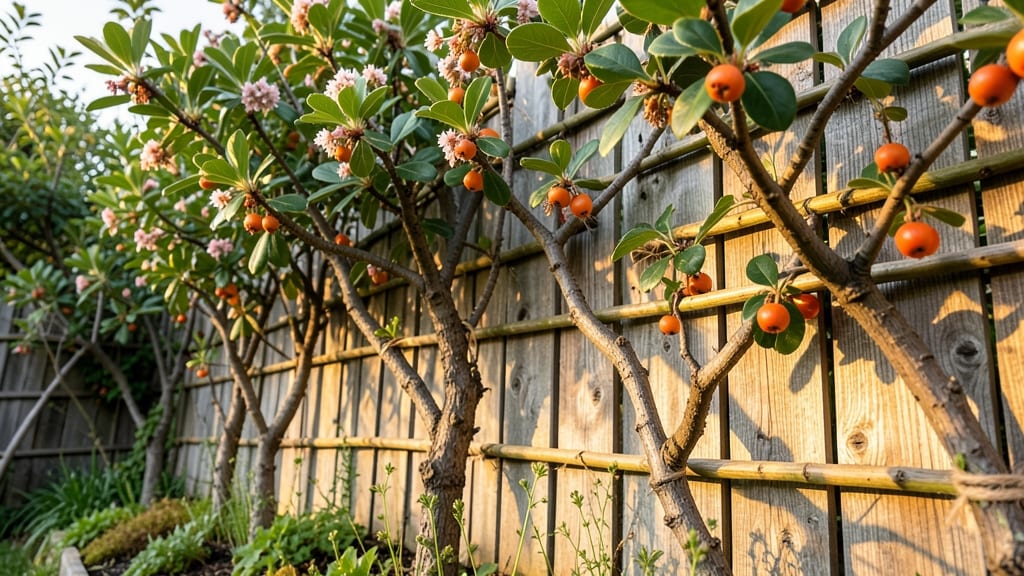
Turn your narrow garden into a fruit-bearing art piece with espaliered strawberry trees trained against fences. This vertical pruning technique transforms tight spaces into productive, decorative screens while maximizing sunlight exposure for both foliage and fruit.
Start by selecting young Arbutus unedo plants and attaching their main stems to a fence using soft ties. Prune branches horizontally to spread them evenly, spacing them 6-12 inches apart. Focus on removing vertical growth to maintain the flat plane, and thin out crowded branches in late winter to improve air circulation. The result? A year-round privacy screen that produces edible berries while adding architectural interest to your property.
Perfect for urban gardeners, this method requires minimal ground space while delivering double the benefits—beauty and bounty. 🌻
Wind-Swept Coastal Hedge Style
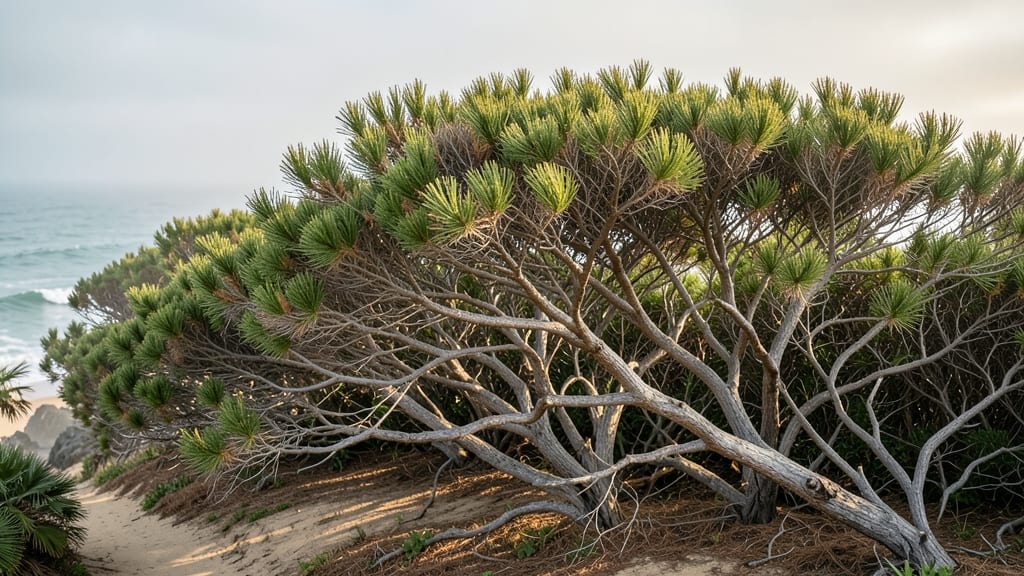
If your garden faces the relentless ocean breeze, let the wind do some of the work for you with a wind-swept coastal hedge style. Instead of fighting nature, embrace it by pruning strawberry trees to mimic the natural shaping that wind creates along shorelines—softened edges, layered branches, and a breezy, undulating form that feels organic yet intentional.
Start by planting strawberry trees (Arbutus unedo) in well-draining, slightly acidic soil with partial sun exposure (3-6 hours daily) to tolerate salty air. Prune lightly in late winter or early spring, focusing on thinning out dense growth rather than shearing. Allow branches to grow naturally, then use hand pruners to trim only the tips that have grown too long, creating a textured, irregular silhouette that moves gracefully in the wind. This method not only reduces maintenance but also enhances the hedge’s resilience against coastal conditions.
This style is ideal for gardeners in beachside or maritime climates who want a low-maintenance, visually dynamic hedge that blends seamlessly with the natural landscape. The result? A living windbreak that thrives where others struggle. 🌻
Pollarding Technique for Tall Privacy Screens
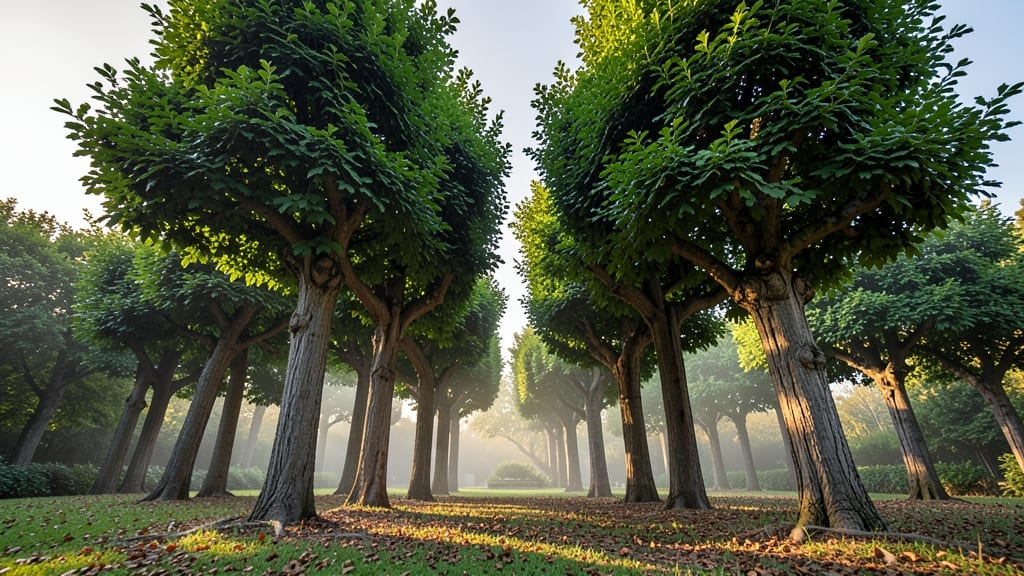
Transform your sprawling property into a serene sanctuary with pollarding, a bold pruning technique that turns strawberry trees into towering, noise-blocking screens. Unlike traditional hedging, pollarding creates thick trunks with dense foliage only at the top, ideal for large gardens where height and privacy matter most.
Start by cutting back main branches to a stub height of 6-8 feet in late winter or early spring, just above a strong bud. This dramatic cut stimulates rapid regrowth, producing sturdy new shoots that thicken over time. Space trees 8-10 feet apart for optimal airflow and sunlight penetration, which is crucial for preventing disease in these high-canopy hedges.
Pollarding is perfect for landowners seeking dramatic height without sacrificing density—think 15-foot-tall screens that block views while encouraging lush, seasonal foliage. The open lower branches even allow light to reach ground plants below. 🌟
Layered Mixed Hedge with Companion Plants
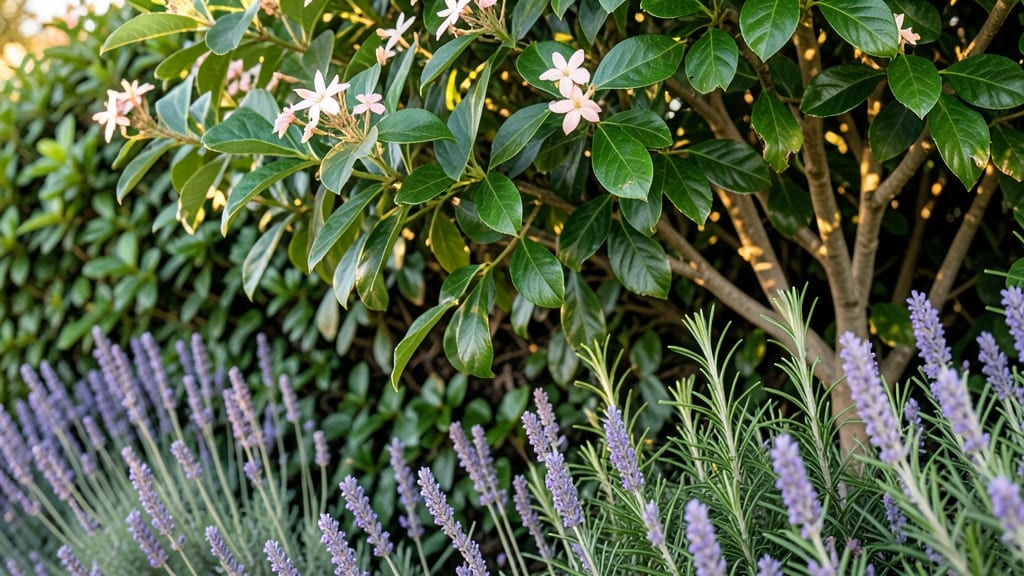
Transform your hedge into a thriving ecosystem by combining strawberry trees with lavender or rosemary—this layered approach doesn’t just look stunning, it works harder for you. The aromatic herbs naturally repel pests like aphids and deer while adding fragrance and color, making your garden both beautiful and functional.
Plant lavender or rosemary at the base of your strawberry tree hedge, spacing them 18–24 inches apart. These drought-tolerant companions thrive in the same well-drained soil and full sun conditions, requiring minimal extra care. The herbs’ silvery foliage contrasts beautifully with the strawberry tree’s peeling bark and glossy leaves, creating a year-round visual and sensory experience.
This technique is perfect for eco-conscious gardeners who want to reduce chemical use while boosting biodiversity. Plus, the herbs’ fragrance will keep you lingering in the garden longer! 🌿
Topiary Shapes for Architectural Accents
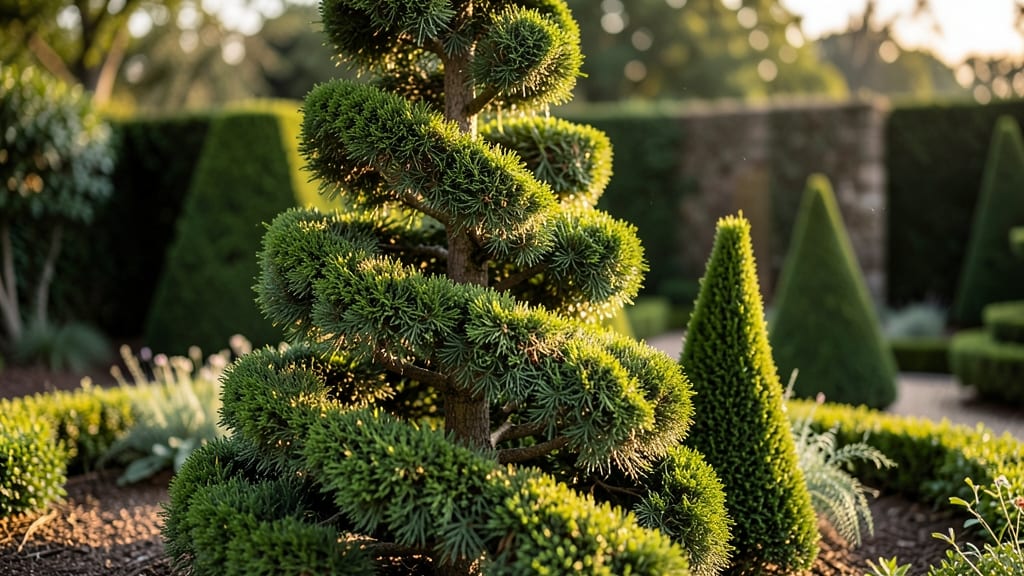
Transform your strawberry tree hedge into a stunning architectural masterpiece with topiary shapes like spirals, cones, or even whimsical animals. This technique elevates your garden’s design while maintaining the plant’s natural privacy benefits—ideal for formal landscapes craving both structure and artistry.
Start by selecting a young, flexible branch to train into your desired shape. Use sharp pruning shears to trim new growth regularly, shaping it gradually over weeks. For intricate designs, wrap branches with wire supports or use a topiary frame for guidance. Strawberry trees respond well to this pruning when done in late spring or early summer, ensuring dense foliage fills in gaps.
This method is perfect for gardeners who love classic French or English garden styles and want to make a bold statement. The result? A hedge that’s as functional as it is breathtaking. ✨
Seasonal Pruning for Fruit Production
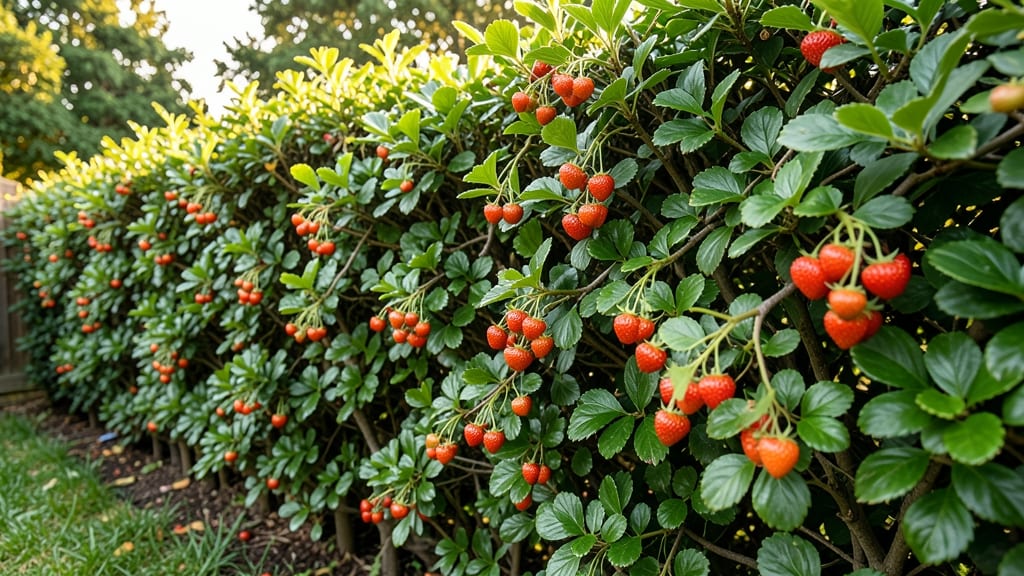
Want a hedge that doubles as a fruit-bearing powerhouse? Seasonal pruning—especially in summer—can boost your strawberry tree's berry yield by up to 30% while keeping your privacy screen lush and dense. Unlike traditional hedges, this method focuses on selective cuts to encourage both foliage and fruit production.
Start by pruning in late summer after the first harvest to remove only overcrowded or weak branches, leaving strong stems to support next year’s fruit. Avoid heavy cuts—focus on light shaping to maintain density. For maximum yield, thin out 10-15% of the hedge annually, prioritizing branches with fewer berries to redirect energy to more productive areas. This keeps your hedge thick while ensuring a bountiful harvest.
This technique is perfect for gardeners who crave both privacy and productivity without sacrificing aesthetics. Ideal for small urban yards or rural orchards, it’s a game-changer for those who want their hedge to work as hard as they do. 🌟
Living Hedge with Strawberry Tree and Ivy
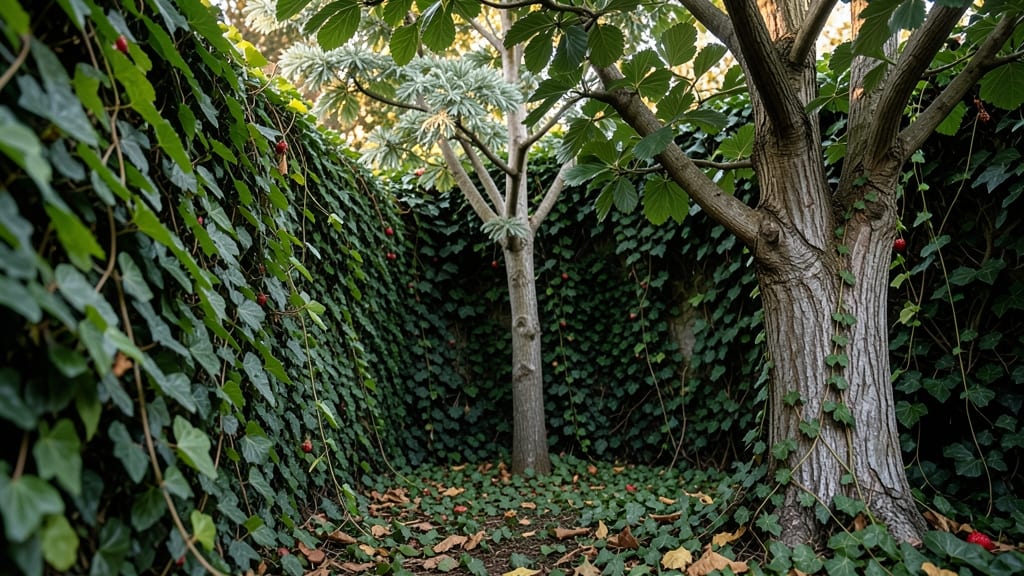
Transform shaded corners of your garden into a year-round green oasis with a living hedge that combines the sturdy structure of strawberry trees with the cascading charm of ivy. This dynamic duo thrives where full sun is scarce, creating a lush, evergreen screen that’s both functional and effortlessly beautiful.
The key to success lies in spacing strawberry trees about 3-4 feet apart and allowing English ivy to naturally climb and intertwine between them. The ivy’s aggressive yet controlled growth fills gaps instantly, while the strawberry tree’s glossy leaves and peeling cinnamon bark add texture and seasonal interest. Prune lightly in late winter to shape the ivy and encourage bushier strawberry tree growth—no heavy maintenance required!
This combination is ideal for gardeners with woodland gardens, north-facing borders, or urban courtyards craving privacy without sacrificing style. The ivy’s ability to soften the strawberry tree’s structure creates a natural, wild yet refined look that’s perfect for those who love low-effort, high-impact gardening. 🌿
Minimalist Single-Trunk Hedge with Branches

Tired of hedges that demand constant pruning to stay neat? A minimalist single-trunk strawberry tree hedge offers clean lines and year-round privacy with far less upkeep. Instead of dense foliage, this design focuses on a single trunk with strategically placed horizontal branches, creating a modern, sculptural look that still blocks views effectively.
Start by selecting a young strawberry tree (Arbutus unedo) with a straight trunk. Prune to keep just 3-5 main branches spaced evenly along the trunk, removing any vertical growth that disrupts the horizontal lines. This approach requires only one major pruning session per year (late winter), reducing maintenance by up to 70% compared to traditional hedges. The branches can be lightly trimmed to maintain their shape, but the overall structure stays intact for years.
This style is ideal for urban gardens, modern landscapes, or small yards where space and minimalism are priorities. The architectural appeal makes it a standout feature, while the reduced pruning makes it perfect for busy gardeners who still want a polished, private outdoor space. 💡