
Flowers
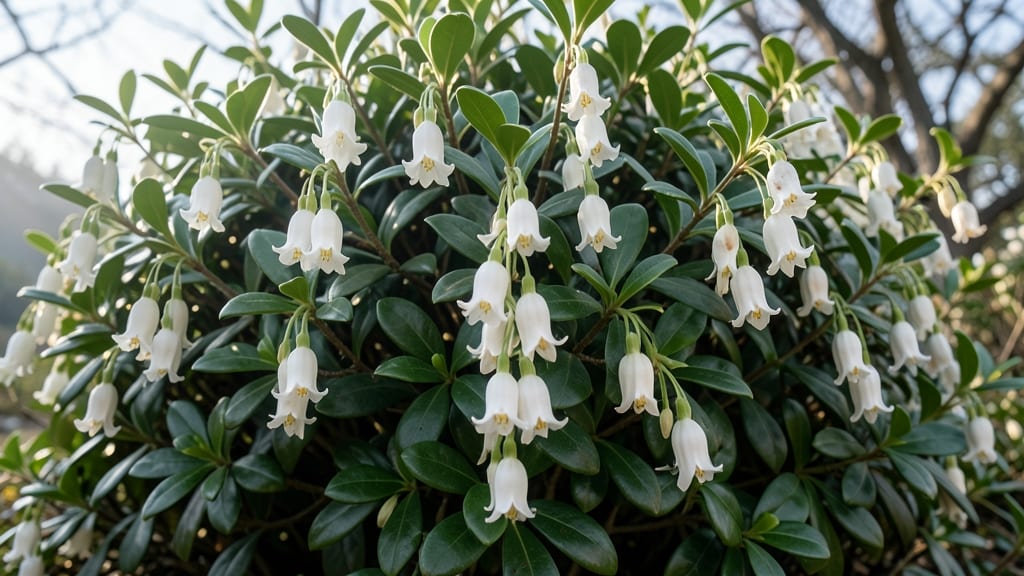
Transform your garden into a fragrant paradise with these 10 sweet-smelling trees adorned with delicate white flowers. These pollinator magnets not only fill the air with intoxicating scents but also support bees, butterflies, and birds—making them essential for any eco-friendly landscape.
Bridal Wreath Spirea for Year-Round Fragrance
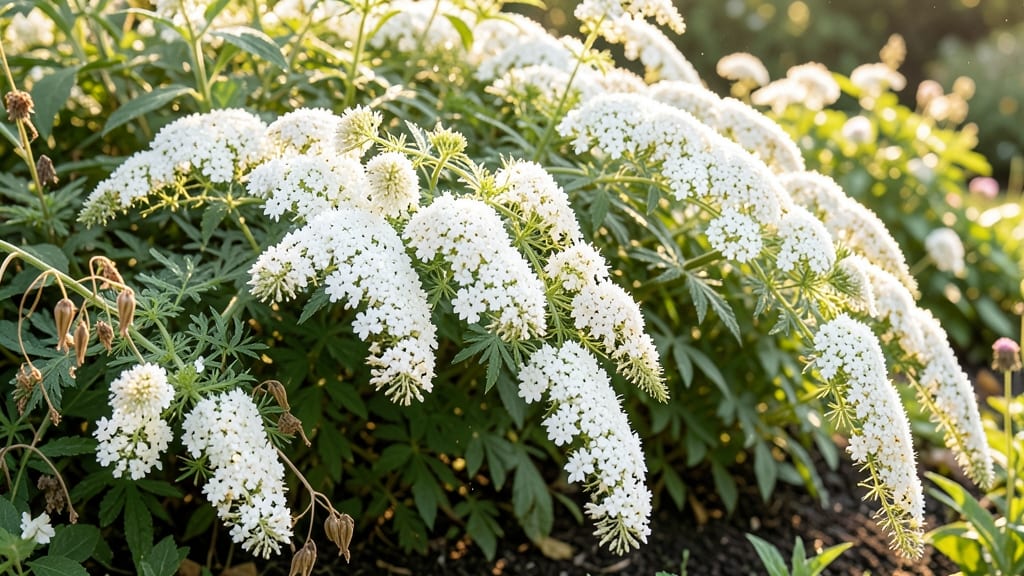
If you crave a garden that smells like a bridal bouquet without the fuss, Bridal Wreath Spirea (Spiraea prunifolia) is your perfect match. This drought-tolerant shrub bursts with clusters of tiny, fragrant white blooms that perfume the air from spring through fall—long after most flowers have faded.
Thriving in full sun to partial shade, it’s equally happy in USDA zones 4-8, making it versatile for cool climates or hotter regions. The delicate flowers attract pollinators like bees and butterflies, while its low-maintenance nature means you’ll spend less time pruning and more time enjoying its sweet scent. Simply water deeply once established, and let it grow naturally into a rounded, lush shrub.
This is the ideal choice for busy gardeners or urban spaces where water conservation is key. Plant it near patios or walkways to enjoy its year-round fragrance effortlessly. 🌿
Fringe Tree with Vanilla-Like Perfume
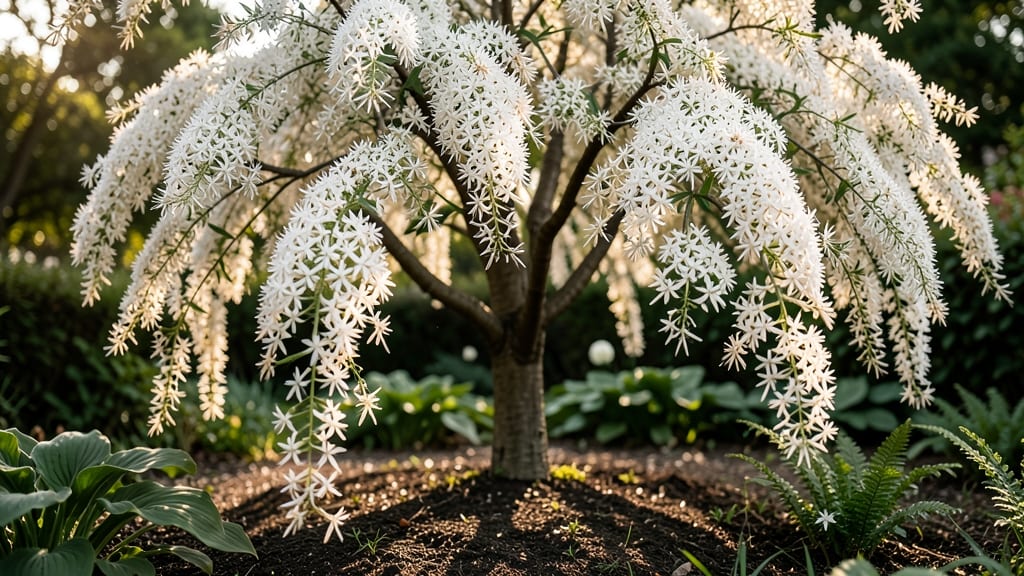
Imagine stepping into your garden and being greeted by a wave of warm vanilla and cinnamon—Chionanthus virginicus, or fringe tree, delivers this magical scent in late spring. Unlike its drought-tolerant cousin, this tree thrives in moist, well-drained soil and offers a unique feathery white bloom that hummingbirds adore.
The fragrance peaks at dawn, making it a perfect addition to morning coffee routines or early strolls. Its compact size (20-30 feet) makes it ideal for urban patios or large containers, where its delicate branches can spill over edges. Prune lightly after blooming to maintain shape and encourage next year’s fragrant display.
Urban gardeners and pollinator enthusiasts will love how this tree turns heads—and noses—without taking over space. 🌻
Japanese Snowbell for Twilight Scent
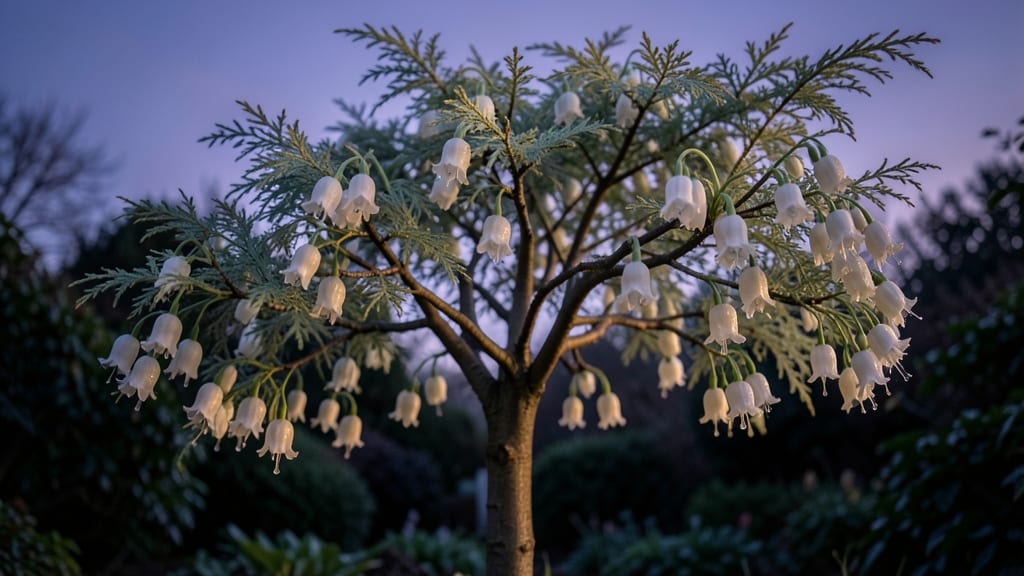
Craving a garden that comes alive after the sun sets? The Japanese Snowbell (Styrax japonica) is your secret weapon for twilight enchantment. Its bell-shaped white flowers release a jasmine-like fragrance that intensifies as daylight fades, turning your backyard into a fragrant sanctuary.
This medium-sized tree thrives in partial shade and moist, well-drained soil, making it ideal for woodland gardens or as a focal point near patios. The scent attracts night-flying pollinators like moths and bats, while its glossy leaves add year-round interest. Prune lightly after flowering to maintain its graceful shape.
Perfect for gardeners who love moonlit ambiance or want to create a sensory experience beyond daytime hours. 🌿
Mock Orange Shrub with Citrusy Blooms
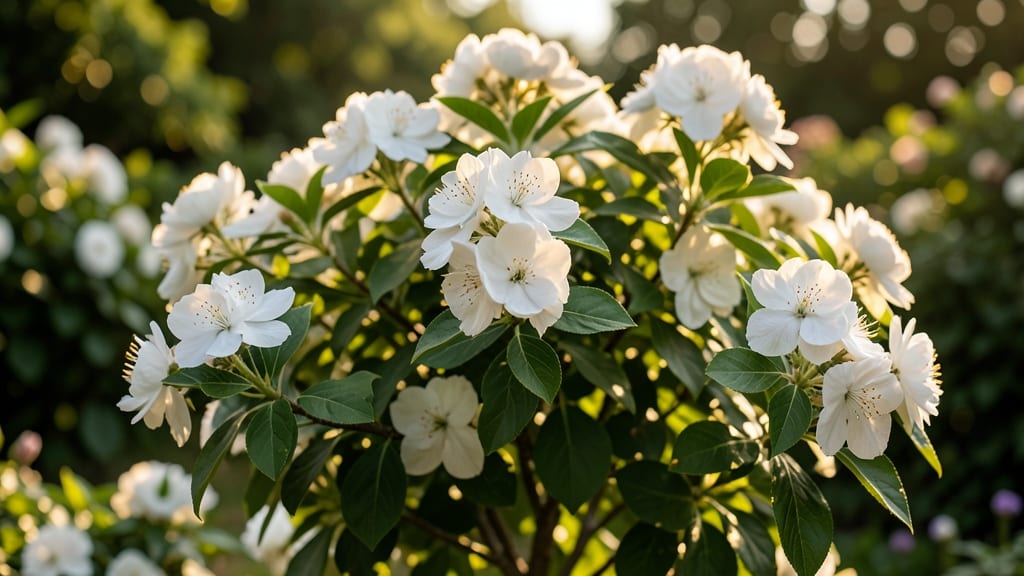
Imagine stepping into your garden and being greeted by a burst of orange blossom fragrance—without the need for a citrus tree. The mock orange shrub (Philadelphus) delivers that exact experience with its intense citrusy scent and delicate white flowers, making it a standout for fragrance gardens.
This heirloom favorite thrives in partial shade, making it perfect for understory plantings or as a privacy screen where full sun isn’t available. Its nectar-rich blooms attract bees and butterflies, while its ability to grow in USDA zones 4-9 ensures reliability across diverse climates. Prune after flowering to encourage bushier growth and extend the blooming season.
Perfect for gardeners who love low-maintenance yet high-impact plants, mock orange shrubs add both beauty and sensory delight to shaded areas. 🌻
White Flowering Dogwood for Seasonal Beauty
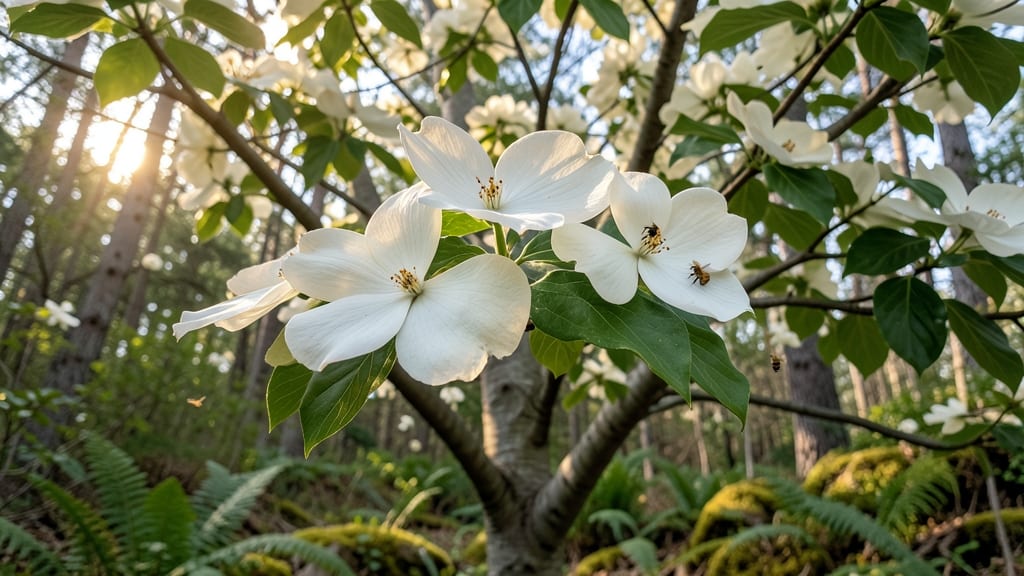
Looking for a native tree that transforms your garden into a springtime sanctuary? The white flowering dogwood (Cornus florida) delivers iconic white bracts that perfume the air while supporting native pollinators—ideal for woodland garden edges or shady borders.
This understory tree thrives in partial shade and moist, well-drained soil, making it perfect for gardens with dappled sunlight. Its spring blooms (April–May) attract bees and butterflies, while the vibrant red fall foliage adds seasonal interest. Plant it near patios or garden pathways to enjoy its subtle, sweet fragrance year-round.
Perfect for eco-conscious gardeners, the white flowering dogwood offers low-maintenance beauty with minimal pruning needs. It’s a standout choice for those seeking a pollinator-friendly, fragrant native tree that enhances any garden’s seasonal appeal. 🌿
Deutzia Shrub with Honeyed Clusters
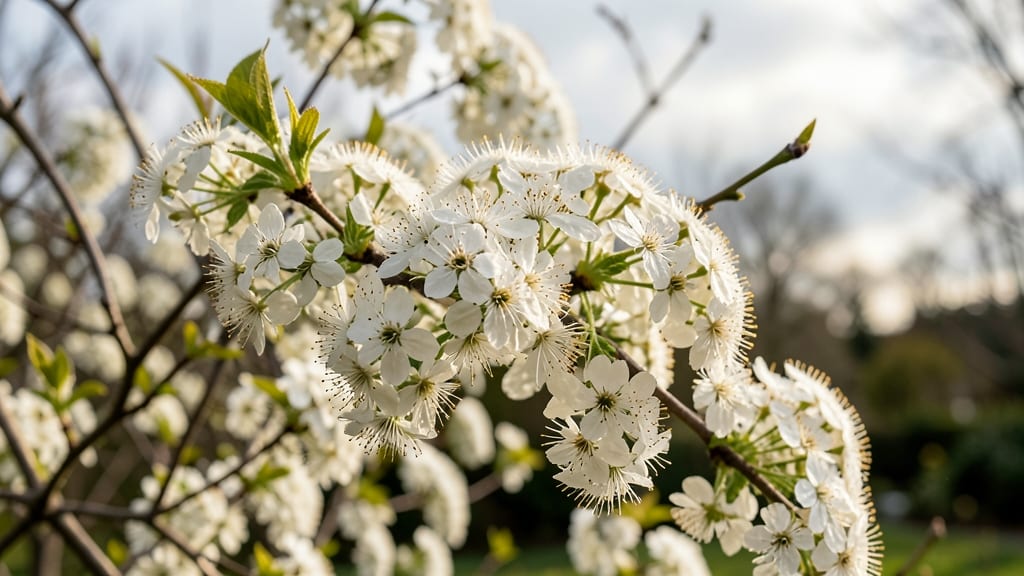
When your garden needs a burst of early spring fragrance before most blooms even appear, the Deutzia shrub delivers with its honey-scented white clusters. This underrated beauty blooms in late April or early May—often before leaves fully emerge—creating a fragrant welcome that lasts 3-4 weeks.
Plant Deutzia in full sun to partial shade, where it thrives in well-drained soil. Its upright growth habit (6-10 feet tall) makes it ideal for foundation plantings, while its dense blooms attract early-season pollinators like bees and butterflies. Prune lightly after flowering to maintain shape and encourage next year's blossoms.
Perfect for cottage gardens, pollinator borders, or as a focal point near patios, Deutzia offers effortless beauty with minimal care. Its honeyed aroma will have you reaching for the camera every spring. 🌷
Crabapple Tree with Fragrant Blossoms
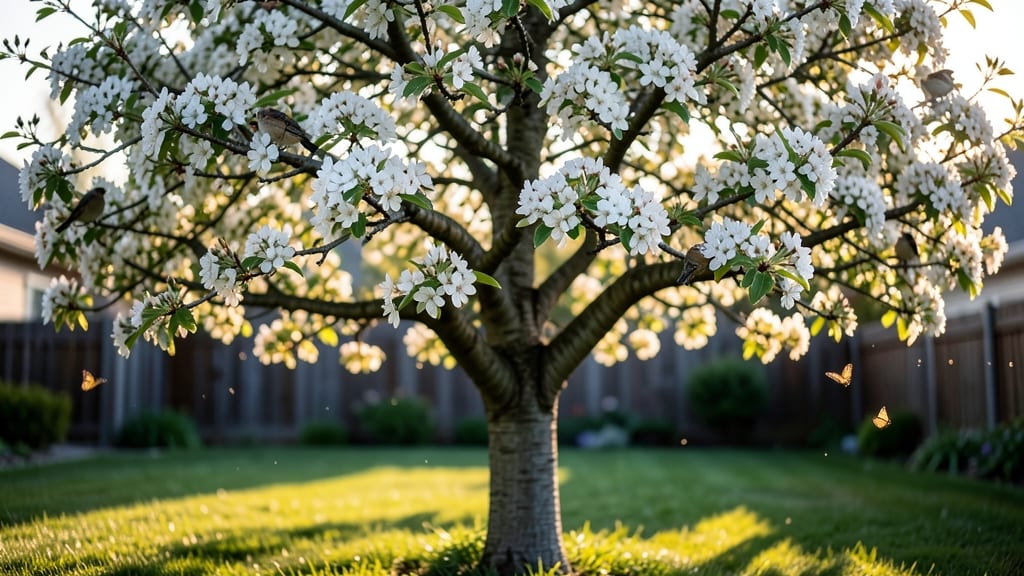
Want a fragrant tree that doubles as a bird buffet and pollinator hotel? The crabapple tree delivers white, five-petaled blossoms that perfume the air while feeding local wildlife—all in a compact package perfect for suburban yards.
These trees thrive in full sun to partial shade and grow 15–25 feet tall, making them ideal for smaller spaces. Their spring blooms attract bees, butterflies, and hummingbirds, while the small fruits later provide food for birds. Varieties like 'Adams' or 'Dolgo' offer disease resistance and vibrant fall foliage for year-round interest.
Perfect for gardeners who love fragrance and function, crabapple trees bring beauty, scent, and ecological benefits without overwhelming your landscape. 🌻
Sweetbay Magnolia for Southern Gardens
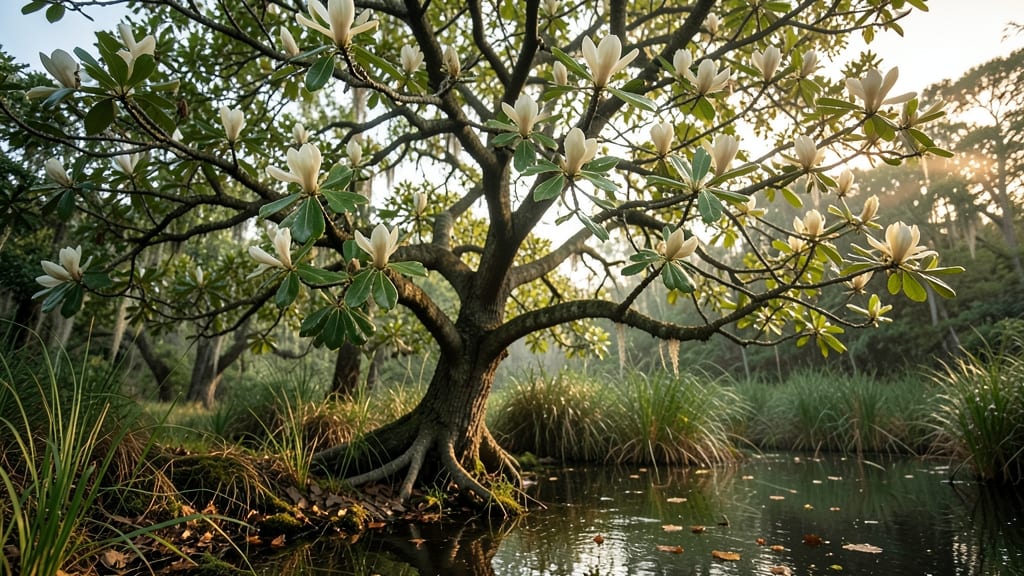
If you live in the humid South and crave a tree that feels like a tropical vacation, the Sweetbay Magnolia (Magnolia virginiana) is your perfect match. Unlike its showy cousins, this native beauty thrives in swamps, coastal areas, and rain gardens, making it the ultimate lowland champion with a fragrant twist.
Its creamy white, cup-shaped flowers (6-8 inches wide) burst with a sweet, tropical scent that lingers in the air, especially on warm evenings. The glossy, evergreen leaves provide year-round structure, while its late spring to summer blooms feed bees, butterflies, and hummingbirds. For best results, plant it in moist, well-drained soil with partial shade to full sun—it’s surprisingly adaptable once established.
This underrated magnolia is ideal for southeastern gardeners who want a fragrant, pollinator-friendly tree without the fuss of high-maintenance varieties. Perfect for rain gardens, pond edges, or as a specimen near patios where you can savor its intoxicating aroma up close. 🌻
Dwarf Lilac for Compact Perfume Gardens
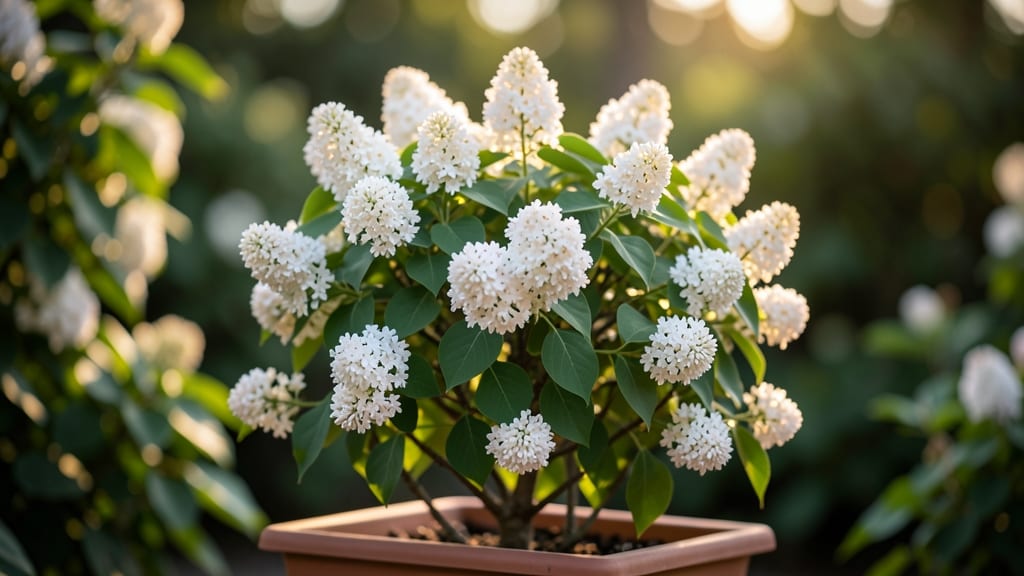
If you love the classic lilac fragrance but lack the space for a full-sized shrub, the Dwarf Lilac delivers all the perfume in a pint-sized package. This compact powerhouse grows just 3-4 feet tall, making it ideal for containers, window boxes, or tight urban gardens where larger plants can't thrive.
With its intensely fragrant white blooms appearing in late spring, this variety attracts pollinators while filling small spaces with sweetness. Plant it in full sun to partial shade and prune lightly after flowering to maintain its tidy shape. The fragrance is so potent that you'll notice it even from several feet away—perfect for creating a "perfume garden" in a pot on your patio.
Urban gardeners and balcony enthusiasts will love how this low-maintenance shrub brings big fragrance to small spaces without requiring special care. 🌷
Japanese Pieris for Early Pollinator Support

When bees need their first meal of the year, Japanese Pieris steps up with a fragrant late-winter show. This evergreen shrub bursts into bloom as early as February, offering bell-shaped white flowers that cascade like delicate chandeliers while releasing a sweet almond-like scent that lingers in the crisp air.
Perfect for woodland gardens or shaded borders, it thrives in partial to full shade and tolerates moist, acidic soil—ideal for understory plantings. The early nectar supports emerging pollinators when few other flowers are available, while its glossy foliage adds year-round structure. Prune lightly after blooming to maintain shape without sacrificing next season’s flowers. 🌱