
Pruning
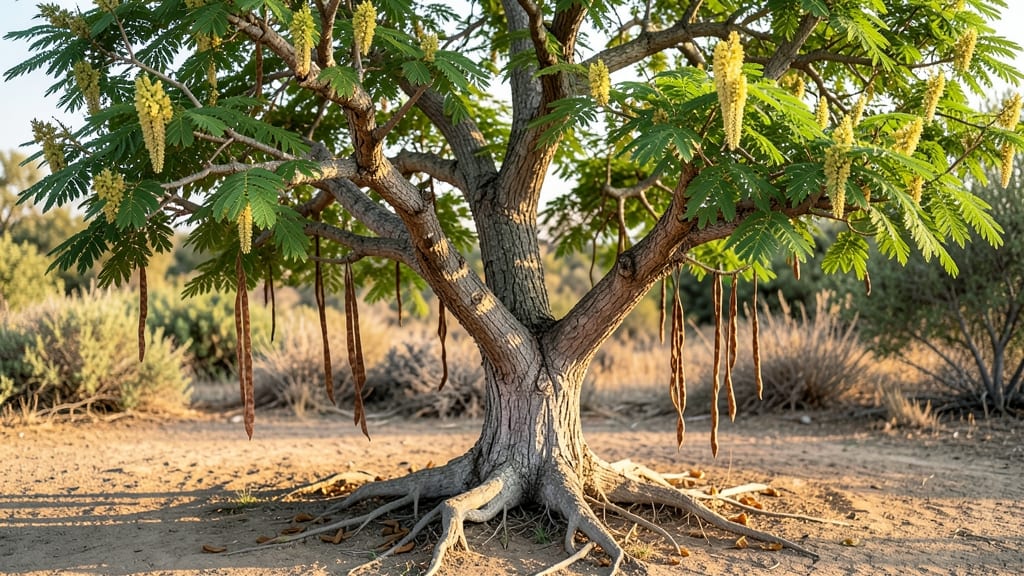
The Shami tree in English is known as the Syrian mulberry (Morus syriaca), a resilient deciduous tree thriving in arid regions across the Middle East and Mediterranean, celebrated for its rapid growth, drought resistance, and versatile fruit used in folk medicine and animal forage.
The Syrian mulberry earns its reputation as a hardy survivor thanks to its deep root system and waxy leaf coating that conserves moisture. 🌿 Unlike its more common cousins, this tree produces small, dark purple fruits that ripen in late summer—perfect for jams, teas, or feeding livestock.
Its adaptability makes it a favorite among gardeners in drought-prone areas, where it can thrive with minimal water once established.
What sets this tree apart is its dual role: it's both a practical choice for erosion control and a cultural staple.
In traditional medicine, its leaves and bark have been used to treat diabetes and skin conditions, while its fast growth (up to 3 feet per year) makes it ideal for quick shade solutions. The Syrian mulberry truly bridges the gap between utility and tradition.
💡 In This Article
- Scientific Classification and Botanical Traits of Syrian Mulberry
- Cultivating Syrian Mulberry Trees: Growing Tips and Landscaping Uses
Scientific classification and botanical traits of Syrian mulberry
The Syrian mulberry (Morus syriaca) belongs to the Morus genus, which includes around 10-12 species of deciduous trees and shrubs.
What makes this species unique is its classification under the white mulberry subgroup, distinguished by its lighter-colored bark and smaller, less sweet fruit compared to the black mulberry (Morus nigra).
Its scientific name reflects its Middle Eastern origins, with "syriaca" honoring its native range from Syria to Turkey and the Mediterranean basin.
This tree's drought resistance stems from its deep taproot system, which can extend up to 10 feet below ground, accessing water far beyond the reach of shallow-rooted plants. The leaves, measuring 2-5 inches long, feature a waxy coating that reduces water loss—a critical adaptation for its arid habitat.
The fruit, though small (0.5 inches in diameter), packs a concentrated flavor, ripening from green to deep purple-black in late summer, a stark contrast to the white mulberry's pale berries.
The fruit's taste is often described as a mix of sweet and tart, with a texture that transitions from firm to soft as it ripens.
Unlike black mulberries, which are prized for their jam-making potential, Syrian mulberries are more commonly used in traditional teas or as livestock feed due to their slightly astringent notes. 🌱 The tree's rapid growth rate—up to 3 feet per year—makes it a standout for quick shade solutions, especially in urban areas where space is limited.
Botanists also note the tree's ability to thrive in poor soils, thanks to its symbiotic relationship with nitrogen-fixing bacteria in its roots. This trait, combined with its tolerance for temperatures ranging from -15°F to 100°F, explains why it's a staple in Mediterranean landscapes.
The bark, which develops a distinctive diamond-patterned texture as it matures, adds to its ornamental value, making it a dual-purpose plant for both function and beauty.
One fascinating detail is the tree's role in silk production. While not as widely cultivated as Morus alba (white mulberry), its leaves are still used in some regions to feed silkworms, though the resulting silk is coarser.
This historical connection ties the Syrian mulberry to centuries of textile traditions across the Middle East.
The tree's flowering period, which occurs in early spring before leaf emergence, produces small, inconspicuous flowers that develop into the fruit. This unique reproductive strategy ensures energy isn't wasted on showy blooms in water-scarce environments—a perfect example of evolutionary adaptation to harsh conditions.