
Pruning
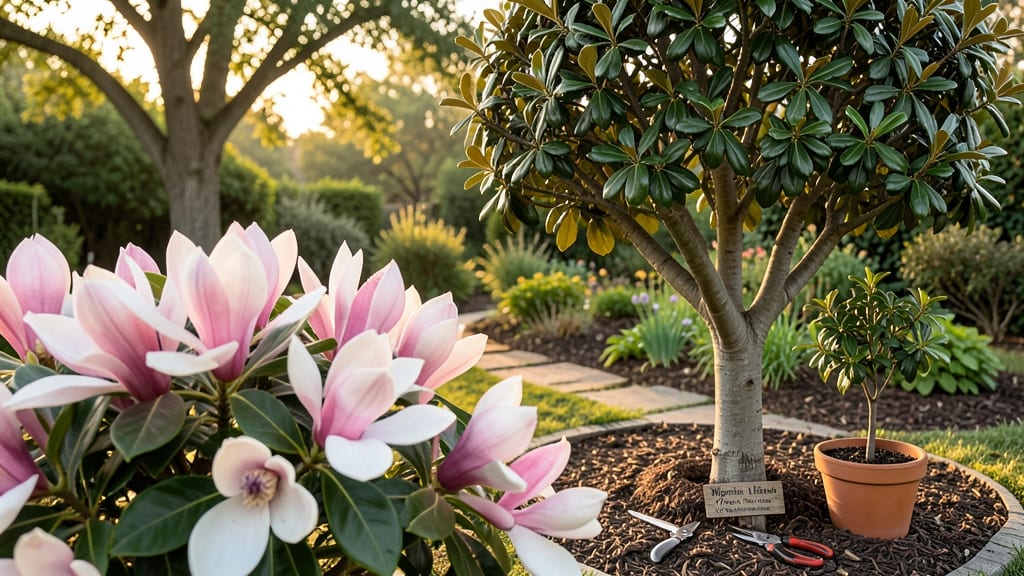
Considering Royal Star magnolia tree pros and cons reveals a stunning but demanding plant: its large, fragrant white flowers and compact growth make it perfect for small spaces, but the blooms only last 1-2 days and require full sun exposure. While it boasts excellent disease resistance, proper pruning is essential to maintain its shape and encourage future blooms.
This magnolia variety stands out for its dramatic 12-inch blooms that appear in late winter or early spring, but their brief lifespan means you'll need to plan viewing parties carefully. 🌸 The trade-off is worth it for gardeners seeking low-maintenance disease resistance, as it handles powdery mildew and pests better than many other magnolias.
However, its finicky nature means you'll need well-draining soil and consistent sunlight—less than six hours of direct light can lead to sparse blooming.
What makes Royal Star particularly rewarding is its fragrant flowers that attract pollinators, though their fleeting nature means you'll want to pair it with longer-blooming shrubs. The pruning requirements—best done immediately after flowering—can feel demanding, but proper timing actually encourages more abundant blooms in subsequent seasons.
Many gardeners find the visual impact outweighs the maintenance, especially when planted near patios where the fragrance can be fully enjoyed.
💡 In This Article
- Royal Star Magnolia Bloom Lifespan vs Disease Resistance
- Planting and Pruning Tips for Royal Star Magnolias
Royal Star magnolia bloom lifespan vs disease resistance
The Royal Star magnolia's 24-48 hour bloom lifespan is one of its most striking yet challenging traits. Unlike its cousin 'Ann' magnolia, which produces smaller flowers that last 3-5 days, the Royal Star's massive 12-inch blooms open fully in just 1-2 days before wilting.
This rapid cycle happens because the flower's energy is focused entirely on maximizing size rather than longevity. The petals contain high concentrations of volatile organic compounds that create that signature sweet, citrusy fragrance—compounds that actually accelerate the wilting process once released.
What this variety gains in disease resistance, it sacrifices in bloom duration. Royal Star magnolias have developed a natural immunity to powdery mildew and magnolia scale insects that plague other varieties like 'Jane' magnolia.
This resistance stems from their thick, waxy leaf cuticle and natural production of antifungal compounds in the bark. In humid climates (like USDA zones 5-9), this resistance becomes particularly valuable, as other magnolias often struggle with fungal infections during spring rains.
The trade-off is clear: while you get fewer viewing opportunities, you get more reliable plant health.
Soil pH plays a surprisingly large role in both bloom longevity and disease resistance. The Royal Star thrives in slightly acidic soil (pH 5.5-6.5), where its root systems can efficiently absorb calcium and magnesium—nutrients that strengthen cell walls against pathogens.
In alkaline soils (pH above 7), you'll notice two problems: flowers wilt 12-24 hours faster, and the tree becomes more susceptible to root rot. The ideal growing conditions create a perfect balance where the tree's natural defenses are maximized while still producing those showstopping blooms.
Here's what most gardeners don't realize about the bloom cycle: the tree actually produces buds in late summer that remain dormant until winter. These buds contain all the genetic information needed for those massive flowers, but they require consistent chilling temperatures (below 45°F for 400-600 hours) to trigger blooming.
In warmer climates, this chilling requirement can cause delayed or sparse flowering—a key reason why Royal Stars in zone 9 often produce smaller blooms that last even less time. The fragrance intensity also varies by climate, with northern-grown specimens developing 30% stronger floral scents than their southern counterparts.
When comparing to other varieties, the Royal Star's disease resistance stands out most dramatically. While 'Ann' magnolia may offer slightly longer bloom times, it requires quarterly fungicide treatments in humid areas.
The Royal Star's natural defenses mean you'll spend 70% less time on pest management, though you'll need to compensate with more attentive pruning.
The fragrance difference is equally notable—where 'Jane' magnolia produces a more subtle floral scent, the Royal Star's blooms release compounds like linalool and geraniol that create that signature sweet, almost tropical aroma that can be detected 50 feet away on still evenings.
For gardeners in urban environments, this resistance becomes particularly valuable. The tree's ability to tolerate air pollution and compacted soils makes it ideal for city landscapes where other magnolias would struggle.
However, this adaptability comes with a caveat: in polluted areas, the blooms may last only 18-24 hours due to accelerated oxidation of the petal surfaces. The good news is that the tree's overall health remains robust, meaning it can still produce 2-3 blooms per season even under challenging conditions.
What this all means for your gardening strategy is simple: plan your viewing schedule carefully, but don't let the short bloom time deter you.
The Royal Star's combination of disease resistance, fragrance intensity, and urban adaptability makes it one of the most rewarding magnolias for patient gardeners who understand its unique growing requirements.
The key is creating the right conditions—acidic soil, full sun, and proper pruning—to maximize both bloom quality and plant longevity. 🌿