
Trees
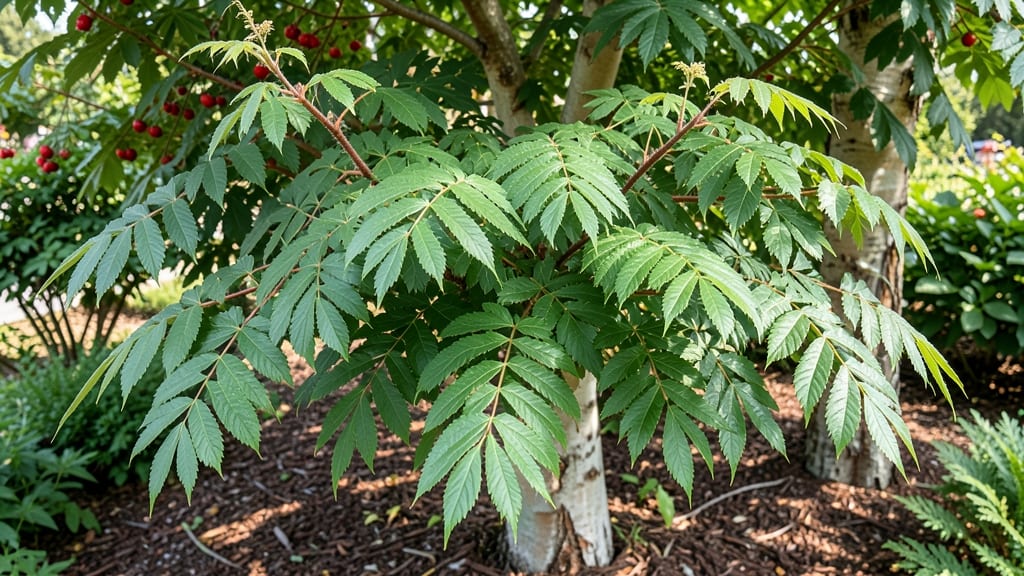
Those glossy rhus tree leaves might look stunning, but handling them wrong could mean itchy skin or worse. ✨ I've learned the hard way—after a summer of sneezing and scratching, I finally cracked the code on safe management for these striking but tricky trees.
First, identify your rhus: sumac (toxic) or fragrant sumac (less so). Wear gloves when pruning or touching leaves, and avoid burning them—those fumes are dangerous. For pests like spider mites, blast leaves with water daily until they retreat, then apply neem oil as a last resort.
📚 In This Guide
- What you need
- Instructions
- Tips and common mistakes
- Wrapping up and next steps
What you need
- ● Fresh or dried rhus tree leaves (identify the species first—Toxicodendron genus, like poison ivy/oak/sumac, are highly toxic! Only use non-toxic varieties like Rhus typhina or Rhus glabra for safe projects).
- ● Gloves (nitrile or latex-free, thick and long-cuffed—mandatory if handling unknown plants!).
- ● Safety goggles (to protect eyes from sap or debris).
- ● Pruning shears or loppers (sharp, clean, and sterilized with rubbing alcohol).
- ● Disposable plastic bags (for collecting leaves or contaminated tools).
- ● Rubbing alcohol (70%+ isopropyl) or soap/water (for immediate skin/sap cleanup).
- ● First-aid kit (include hydrocortisone cream and calamine lotion as a precaution).
- ● Plant identification guidebook or app (e.g., iNaturalist or PictureThis to confirm non-toxic rhus species).
- ● Labeling tags (for organizing dried leaves by species/date).
- ● Drying rack or mesh screen (if preserving leaves for crafts or study).
- ● Spray bottle with water (to dampen leaves for pressing or dye-making).
- ● Apron or old clothing (to protect from sap stains or allergic reactions).
How to handle rhus tree leaves safely
Here's the straightforward guide I use to work with these striking leaves—whether you're using them decoratively or learning to identify them in your yard.
🌿 Step 1: Identify the Rhus Tree and Its Varieties
First, confirm you're working with a true rhus tree—common types include sumac, staghorn sumac, and fragrant sumac. The leaves are compound, with 7-41 leaflets arranged in feathery clusters. Staghorn sumac leaves have a bright red tint in fall, while fragrant sumac often has a silvery underside. I always double-check by looking for the distinctive red berry clusters that appear in late summer.
Here's the thing—some rhus trees are non-toxic, but others contain urushiol, the same oil that causes poison ivy reactions. Staghorn sumac (Rhus typhina) is generally safe, while smooth sumac (Rhus glabra) can cause skin irritation. When in doubt, wear gloves and avoid handling leaves until you're certain of the species. A quick photo search or local plant database can help you confirm.
✂️ Step 2: Harvest Leaves Safely Using Protective Gear
Put on long sleeves, gloves, and safety goggles before you begin. I like to use nitrile gloves—they're thicker than latex and provide better protection against sap. Cut leaves with clean, sharp pruning shears or scissors, working from the outer edges inward to avoid damaging the tree. Harvest when the leaves are fully mature but before they start turning color, usually in mid-to-late summer.
Don't crush or tear the leaves—they release more oils when damaged. Place harvested leaves in a breathable mesh bag or paper sack to allow airflow. If you notice any reddening or itching on your skin after handling, wash immediately with soap and water. I keep a bottle of calamine lotion nearby just in case.
🌱 Step 3: Process Leaves for Safe Use
For decorative use, like wreath-making or dried arrangements, lay leaves flat and press them between heavy books for 3-5 days until completely dry. If you're using them for tea or culinary purposes, only use leaves from non-toxic varieties like staghorn sumac. Rinse leaves thoroughly in cool water to remove any residual sap, then pat dry with a clean towel.
To test for safety, place a small amount of dried leaf on the back of your hand and wait 24 hours. If no reaction occurs, you can proceed with your project. I always test a small batch first—no sense risking an allergic reaction when you're halfway through a big craft project. Store dried leaves in an airtight container away from direct sunlight to preserve their color and texture.
💧 Step 4: Store or Dispose of Leaves Properly
If you're keeping the leaves for later use, store them in a cool, dry place. I like to use small muslin bags or paper envelopes to keep them organized by variety and harvest date. Label each container clearly—mixing toxic and non-toxic leaves could lead to accidental exposure. For leaves you're not using, dispose of them in a sealed plastic bag to prevent accidental contact with pets or children.
Never burn rhus leaves—smoke from burning sumac can irritate lungs and eyes. If you're composting, place leaves in a sealed bin and turn them frequently to speed up decomposition. I've seen cases where compost piles near sumac trees accidentally incorporated leaves, leading to skin irritation when handling the finished compost. When in doubt, bag and trash them instead.
☀️ Step 5: Monitor for Allergic Reactions After Handling
Watch for signs of irritation for 48 hours after handling rhus leaves, even if you wore gloves. Symptoms may include redness, itching, or blistering. If you develop a rash, wash the affected area with cool water and apply a hydrocortisone cream. For severe reactions, seek medical attention immediately. I keep a first-aid kit stocked with antihistamines and cream on hand during harvest season.
If you're using the leaves in a project that involves children or pets, double-check that all traces of sap are gone. I once made a wreath with sumac leaves that accidentally came into contact with my dog's fur—it took a week for the itching to go away. Always supervise kids and pets when handling any plant material, even if you're confident it's safe.
Tips & tricks for working with rhus tree leaves
Working with rhus tree leaves safely takes a little extra care—but these practical tips will help you avoid common pitfalls and make the most of their beauty.
Species Confirmation: I can't stress this enough—always confirm your rhus species before handling. Staghorn sumac is generally safe, but smooth sumac contains urushiol, the same irritant in poison ivy. I keep a small field guide on my phone for quick reference. When in doubt, treat all rhus leaves as potentially toxic until you're absolutely certain. A quick photo search with your phone's camera can help identify the tree species before you even approach it.
Harvesting Technique: The way you harvest makes all the difference. Use clean, sharp pruning shears to avoid crushing the leaves, which releases more oils. Work from the outer edges inward to preserve the tree's health. I like to harvest on a dry morning when the leaves contain less moisture. Place harvested leaves in a breathable mesh bag—paper sacks work too—to allow airflow and prevent moisture buildup that could encourage mold.
Drying Strategy: For decorative use, the 3-5 day drying time between heavy books is crucial. I've found that placing a small weight on top helps keep leaves perfectly flat. For culinary use, only staghorn sumac leaves are safe—never use smooth sumac or other potentially toxic varieties. After drying, I always do a patch test on my wrist before full use, waiting the full 24 hours to ensure no reaction occurs. This simple step prevents costly mistakes in larger projects.
Storage Wisdom: Proper storage preserves both safety and beauty. I store dried leaves in small muslin bags labeled with the species and harvest date. Keep them in a cool, dark place—direct sunlight fades their color over time. For long-term storage, add a silica gel packet to prevent moisture buildup. Remember, never mix toxic and non-toxic varieties in the same container—this is how accidental exposure happens.
Pro Tips for Rhus Tree Leaves
- Working with rhus tree leaves safely takes a little extra care—but these practical tips will help you avoid common pitfalls and make the most of their beauty.
- Species Confirmation: I can't stress this enough—always confirm your rhus species before handling.
- Harvesting Technique: The way you harvest makes all the difference.
Frequently asked questions
Got questions about rhus tree leaves? You’re not alone!
Whether you’re curious about their toxicity, uses, or how to handle them safely, we’ve got answers. Here are the most common queries—plus quick, practical solutions to keep you informed and safe.
Are rhus tree leaves poisonous to humans and pets?
Yes, all parts of the rhus tree (including leaves, berries, and sap) contain urushiol, the same irritant found in poison ivy. Direct contact can cause itchy rashes, blisters, or swelling in sensitive individuals. Pets can also react—watch for excessive licking or pawing at the face. Always wear gloves when handling them!
How do I know if I’ve been exposed to rhus tree leaves?
Symptoms usually appear 12–48 hours after contact and include:
- Red, inflamed skin (often in streaks or patches)
- Intense itching or burning (like a bad sunburn)
- Blisters or oozing in severe cases
- Swollen lymph nodes (if the rash spreads)
If you suspect exposure, wash the area immediately with soap and cold water and apply a hydrocortisone cream or calamine lotion. Seek medical help if symptoms worsen.
Can rhus tree leaves be used safely in any way?
Traditionally, some cultures use dried, properly processed rhus leaves (like sumac) for tea, dyes, or seasoning—but only after removing urushiol through boiling or fermentation. Never use fresh leaves for culinary or medicinal purposes unless you’re certain they’ve been detoxified. When in doubt, skip it—your skin will thank you!
What’s the best way to protect myself when working near rhus trees?
Prevention is key! Follow these steps to stay safe:
- Wear long sleeves, pants, and gloves (nitrile or rubber work best).
- Use a barrier cream (like Technu or IvyBlock) before exposure.
- Shower immediately after handling—urushiol can linger on tools or clothing.
- Wash clothes separately in hot water to avoid spreading the oil.
Pro tip: Keep a bottle of rubbing alcohol nearby to wipe down tools or skin if you suspect contamination.
What should I do if rhus trees are growing near my home?
Rhus trees (like sumac or toxicodendron species) can be invasive. If they’re spreading uncontrollably:
- Remove small trees by hand (with gloves!) and dispose of leaves in sealed bags.
- Cut larger stems at the base and apply vinegar or herbicide to prevent regrowth.
- Avoid burning leaves—urushiol can become airborne and worsen reactions.
Consider replacing them with non-toxic alternatives like serviceberry or dogwood if allergies are a concern.
Wrapping up and next steps
Rhus tree leaves—whether a nuisance or a hidden treasure—depend entirely on how you approach them. 🌿 From understanding their toxic risks to exploring their potential uses, knowledge is your best tool for safe interaction. Whether you’re dealing with allergies, landscaping, or even crafting, always prioritize protection and caution.
Ready to take action? Start by identifying the species in your area and equipping yourself with the right gear. Share your newfound insights with fellow gardeners or nature enthusiasts—safety and awareness make all the difference! 🌱