
Pruning
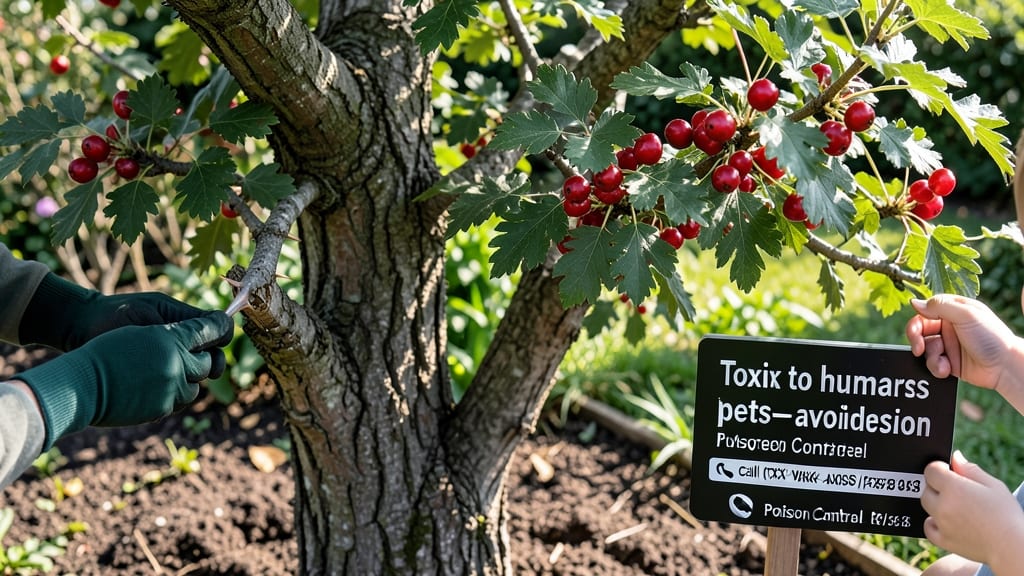
Hawthorn tree poison poses serious risks when humans or animals consume its leaves, seeds, or berries, triggering symptoms like nausea, dizziness, and dangerously slow heart rates. The seeds contain the highest concentration of toxins, which can lead to cyanide poisoning. Immediate medical attention is critical if exposure occurs.
Hawthorn trees contain natural compounds called cyanogenic glycosides, which release cyanide when ingested. 🌿 The seeds are particularly hazardous because they concentrate these toxins, while leaves and berries carry lower—but still dangerous—levels. Even small amounts can overwhelm the body's ability to process them safely.
I always recommend keeping pets and children away from hawthorn trees, especially during their fruiting season when the risk of accidental ingestion spikes.
If you suspect poisoning, don't wait—call your local poison control center immediately. Symptoms can escalate rapidly, particularly in small animals or young children whose systems are more vulnerable. For gardeners, consider replacing hawthorn trees with non-toxic alternatives like crabapple or serviceberry if you have curious pets or kids nearby.
💡 In This Article
- Toxic Compounds in Hawthorn Tree Parts and Their Effects
- Safety Measures for Pets, Kids, and Gardens
Toxic compounds in hawthorn tree parts and their effects
The hawthorn tree's toxicity stems primarily from compounds called cyanogenic glycosides, with amygdalin being the most potent. This chemical converts into hydrogen cyanide in the body, a poison that disrupts cellular oxygen utilization.
The seeds contain the highest concentration—up to 100 times more than leaves or berries—because they store these compounds as a natural defense mechanism against predators. 🌱
When ingested, amygdalin breaks down into cyanide through enzymatic action in the digestive tract. This process begins almost immediately, with symptoms appearing within 15-60 minutes depending on the dose. The cyanide binds to cytochrome oxidase in cells, preventing oxygen absorption—a condition called histotoxic hypoxia.
This explains why victims experience rapid breathing, confusion, and a dangerously slow heart rate, as the body struggles to compensate for oxygen deprivation.
The physiological impact varies by plant part: leaves and berries contain 0.01-0.1% cyanogenic glycosides, while seeds can reach 2-5%. Just 1-2 seeds for a small child or 5-10 seeds for an adult can trigger severe poisoning.
The berries themselves are less toxic but still pose risks because their bright red color attracts animals and children, who may mistake them for edible fruit.
Cyanide poisoning progresses in stages: initial symptoms (nausea, dizziness) are followed by respiratory distress and cardiac arrest if untreated. The heart's sensitivity to cyanide explains why victims often experience bradycardia (slow heart rate)—a classic sign of hawthorn toxicity.
Unlike some plant toxins that cause gastrointestinal distress alone, hawthorn's cyanogenic compounds directly threaten the nervous and cardiovascular systems.
Interestingly, hawthorn's medicinal uses in traditional medicine (like heart tonics) rely on non-toxic compounds in carefully prepared extracts. The key difference is dosage and preparation: therapeutic doses are highly diluted and processed to remove cyanogenic glycosides, while raw ingestion delivers concentrated toxins.
This dual nature makes hawthorn a fascinating case study in plant chemistry and human interaction. 💊
For comparison, apple seeds contain similar cyanogenic compounds (amygdalin), but you'd need to ingest approximately 150-200 seeds to reach a lethal dose—a much higher threshold than hawthorn seeds. This stark difference highlights why hawthorn requires extra caution, especially in garden settings where accidental ingestion is more likely.