
How To
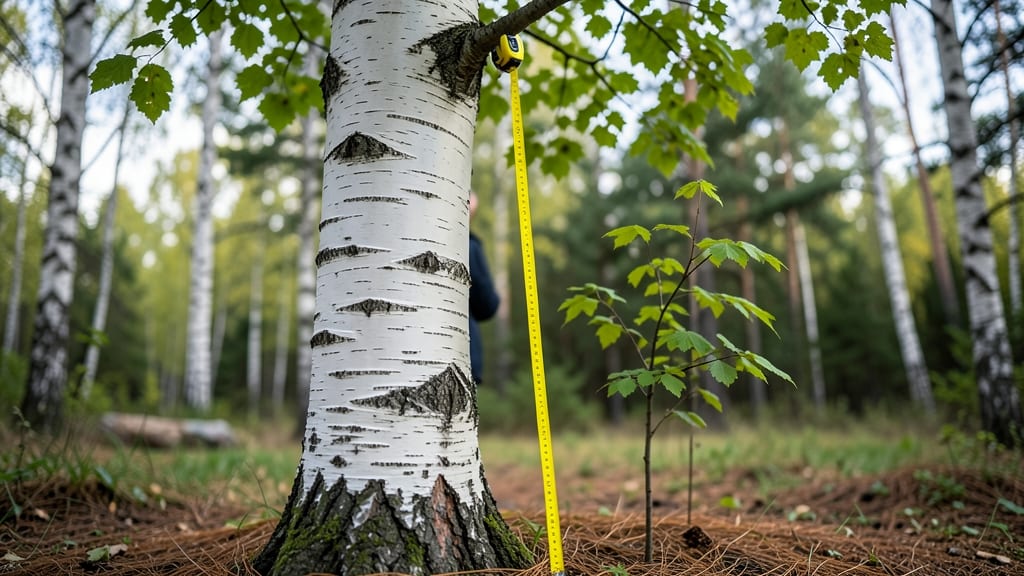
How tall does a birch tree grow?—from just a few feet to towering over 75 feet, depending on the species and growing conditions—so choosing the right one for your space is everything.
If you're dreaming of adding birch trees to your landscape but wondering whether they’ll tower over your home or stay small and elegant, you’re in the right place.
Some varieties barely reach waist height, while others stretch taller than a three-story building. The difference comes down to species, soil, and sunlight—factors you can control before planting.
Paper birch, for example, often tops out around 50-75 feet, while dwarf varieties like ‘Fastigiata’ stay under 25 feet. River birch and yellow birch fall somewhere in between, making them versatile picks for medium-sized yards.
Below, I’ll break down the height ranges, growth rates, and tips to pick the perfect birch for your garden—no surprises included.
You’ll also discover how to manage height with pruning, when to expect mature growth, and which species thrive in USDA Zone 6a climates like yours. Let’s get started.


Birch tree height by species: from dwarf varieties to towering giants
Birch trees are among the most striking ornamental trees in gardens, offering everything from delicate white bark to golden fall foliage. But if you're planning your landscape, knowing how tall a birch tree grows is crucial—some varieties reach cathedral-like heights, while others stay perfectly proportioned for small yards.
The difference between a dwarf birch and a paper birch can mean the difference between a charming focal point and an overwhelming giant.
Birch trees belong to the Betula genus, which includes over 60 species, each with unique growth habits. Some, like the river birch, develop into stately giants, while others, such as dwarf birch varieties, remain manageable for container gardening.
Understanding these variations helps you choose the perfect birch for your space, whether you have a sprawling estate or a cozy urban courtyard.
Below, I’ve compiled a detailed breakdown of birch tree heights by species, including growth rates, mature sizes, and key characteristics to help you visualize their long-term impact.
From the towering yellow birch to the compact dwarf birch, this guide ensures you’ll make an informed choice that aligns with your garden’s vision.
| Species | Mature Height (ft) | Growth Rate (ft/year) | Key Features |
|---|---|---|---|
| Paper Birch (Betula papyrifera) | 50–75 ft | 1–2 ft | White bark, golden fall color, cold-hardy |
| River Birch (Betula nigra) | 40–70 ft | 1–1.5 ft | Peeling bark, wet soil tolerant, golden fall |
| Yellow Birch (Betula alleghaniensis) | 60–90 ft | 1–2 ft | Golden bark, fragrant winter twigs, slow growth |
| Dwarf Birch (Betula pendula 'Fastigiata') | 15–25 ft | 0.5–1 ft | Narrow, upright form, great for small spaces |
| Gray Birch (Betula populifolia) | 20–30 ft | 0.5–1 ft | Fast-growing, adaptable, small tree for borders |
| Sweet Birch (Betula lenta) | 50–70 ft | 1–1.5 ft | Fragrant bark, slow growth, shade-tolerant |
| Weeping Birch (Betula pendula 'Youngii') | 30–40 ft | 0.5–1 ft | Weeping branches, elegant form, medium size |
| Cherry Birch (Betula lenta 'Purpurea') | 40–60 ft | 1 ft | Purple foliage, slow growth, ornamental bark |
| Japanese White Birch (Betula japonica) | 20–30 ft | 0.5–1 ft | Peeling white bark, compact, great for containers |
| Heritage Birch (Betula pendula 'Heritage') |