
Pruning
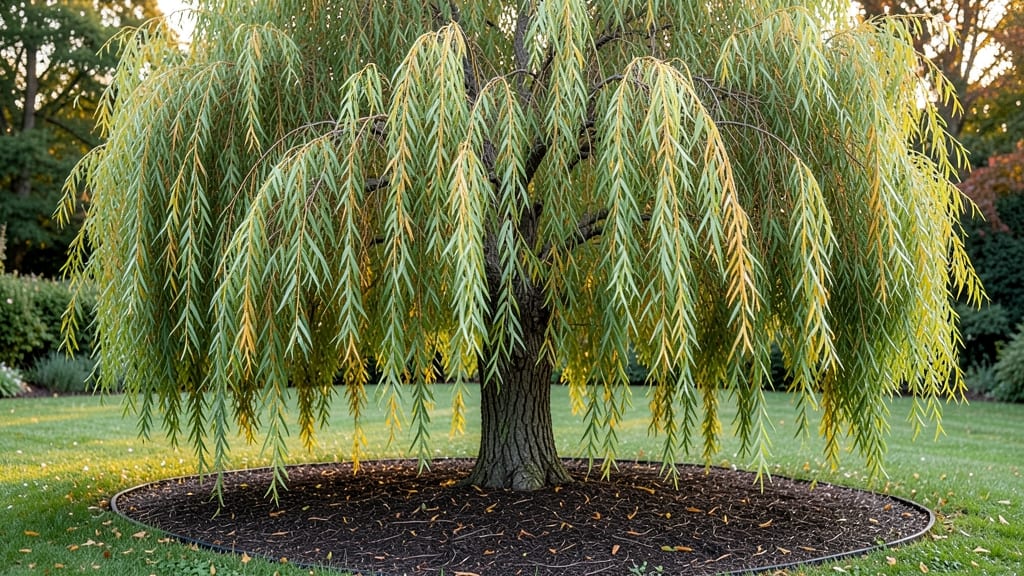
A weeping willow tree size can grow to 30–50 feet tall—often wider than it is tall—making it a dramatic centerpiece for large properties but a tricky fit in small yards 🌳.
If you’re dreaming of a graceful, shady retreat but worry this fast-growing tree will overwhelm your space, you’re not alone. Many gardeners assume a weeping willow’s size is set in stone, but the truth is that spacing, soil, and pruning can make all the difference in managing its growth.
Here’s what you need to know: from how far to plant it from your house or fence to the best soil conditions for controlling its spread, we’ll cover the practical steps to keep your weeping willow beautiful without it becoming a nuisance.
You’ll also discover the top 5 compact varieties that grow slower and stay more manageable, plus how to prune strategically to shape its size over time—so you can enjoy its elegance without the headaches.


How big does a weeping willow tree grow? Mature height, width, and spread
A weeping willow's mature size is one of its most striking—and intimidating—features. On average, this iconic tree reaches 30 to 50 feet tall, but its spread can exceed 40 feet wide, creating a dramatic, cascading canopy.
That means it often grows wider than it is tall, making it a poor fit for small yards unless you plan for its massive footprint.
If you're considering planting one, know that growth rates are rapid—a young weeping willow can add 3 to 5 feet per year under ideal conditions. By year 5, it may already be 15 to 20 feet tall, so spacing and pruning become critical early on.
Not all weeping willows are created equal, though. Cultivars like 'Pendula' and 'Alba' follow similar growth patterns, but 'Nigra' (the purple-foliaged variety) may grow slightly slower while still reaching impressive dimensions. Below, I’ve broken down the key measurements you need to know before planting.
The 'Cheyenne' cultivar is a game-changer for smaller spaces, as it stays under 20 feet tall and wide, making it a compact alternative. However, even this variety still needs room to breathe—plant it at least 15 feet from structures to avoid root interference or overhanging branches.
Root spread is another critical factor. Weeping willows develop aggressive root systems that can extend 50 feet or more from the trunk, seeking moisture. This makes them ideal near ponds or streams but risky near septic systems, foundations, or underground utilities. Always check local ordinances before planting near property lines.
If you’re torn between aesthetics and practicality, consider the 'Nigra' cultivar. While it still reaches 25 to 40 feet, its slower growth and striking purple foliage make it a more manageable option for medium-sized yards.
Pair it with regular pruning to control its spread, and you’ll enjoy its beauty without the standard weeping willow’s overwhelming presence.
For urban gardeners or those with limited space, container growing is an option—but only for young trees. Even a 15-gallon pot will only hold a weeping willow back for a few years before it outgrows its container.
Plan to transplant it into the ground within 3 to 5 years to accommodate its true size.
Remember, a weeping willow’s size isn’t just about height. Its canopy density creates deep shade, which can suppress grass and other plants beneath it. If you want a lawn or garden underneath, opt for a dwarf variety or plant ground covers that thrive in shade, like hostas or ferns.
Before you commit, sketch your yard’s layout and mark where the tree’s mature spread will fall. A 50-foot-wide canopy means you’ll need to leave ample space for walkways, play areas, or other plants.
If your yard is smaller than 60 feet wide, a standard weeping willow may not be the best choice—unless you’re prepared for regular pruning and root management.
🌳
Weeping willow spacing guidelines: how far to plant from fences, houses, and other trees
When planting a weeping willow tree in your yard, proper spacing guidelines are critical to avoid future headaches. These trees can grow 30–50 feet tall and spread even wider, with roots extending aggressively.
If you’re working with a small yard, ignoring spacing can lead to blocked sunlight, damaged foundations, or even legal trouble if roots invade neighboring properties.
Local HOA rules or municipal codes often require a minimum 15–25 feet clearance from structures like houses, sheds, and fences. Always check your local regulations before planting—some areas prohibit weeping willows entirely due to their invasive roots and rapid growth.
Skipping this step could result in costly fines or forced removal down the line.
- ✅ Graceful appearance with draping branches for shade and beauty
- ✅ Fast-growing shade tree (ideal for quick privacy screens)
- ✅ Low-maintenance once established (thrives near water)
- ✅ Wildlife-friendly (attracts birds with dense foliage)
- ❌ Aggressive roots can crack sidewalks or foundations if planted too close
- ❌ Requires 20+ feet from structures (violates many HOA rules)
- ❌ Messy debris (dropped branches, seeds) needs frequent cleanup
- ❌ Short lifespan (30–50 years max; not a permanent investment)
For root spread, aim to plant your weeping willow at least 25 feet away from houses and 15–20 feet from fences. Roots can extend 3–5 times the tree’s width, so a mature weeping willow’s root system may cover 50–75 feet in diameter.
If your yard is smaller, consider planting near the property line but ensure roots won’t encroach on neighbors’ spaces—this is a common source of disputes.
To mitigate overgrowth, prune annually in late winter to control height and spread. Focus on removing suckers (sprouts from the base) and thinning dense branches to improve airflow.
If space is extremely limited, opt for a dwarf variety like 'Cheyenne', which tops out at 15–20 feet but still requires careful spacing. Always use sharp, sterilized tools to prevent disease spread during pruning.
Another critical factor is soil type. Weeping willows thrive in moist, well-drained soil but can develop root rot if planted in waterlogged areas. Amend heavy clay soil with compost or sand to improve drainage.
If your yard has poor drainage, consider planting in a raised bed or near a swale (a shallow ditch) to channel excess water away from the roots.
If you’re unsure about spacing, consult a local arborist or extension service for a site-specific assessment. They can help you map out the mature tree’s footprint and suggest alternatives if your yard is too small.
Remember, a well-placed weeping willow can be a stunning focal point—but only if you plan for its long-term growth from day one. 🌳