
Pruning
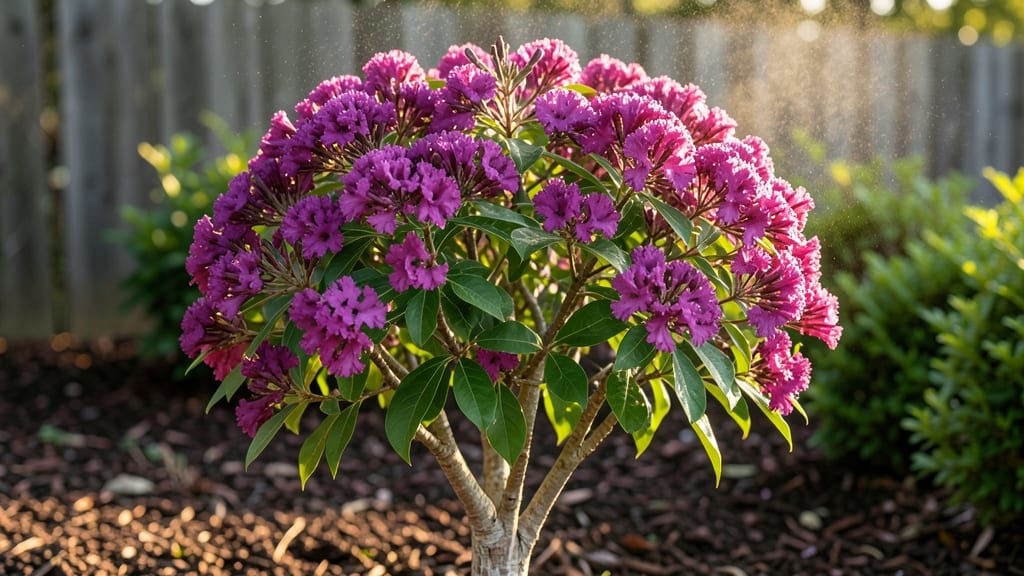
That purple tree bush in your yard isn’t just a pretty face—it’s a healthy powerhouse when you prune it right. 🌿 I’ve spent years shaping mine, and the difference between a scraggly mess and a showstopper comes down to timing, technique, and a little seasonal know-how.
Whether you’ve got a purple-leaved Crape Myrtle or a Purple Smoke Bush, the same principles apply to keep it lush, blooming, and structurally sound year-round.
First, let’s talk tools and timing. You’ll need sharp bypass pruners, gloves, and maybe a ladder—depending on how tall your bush has gotten. The best time to prune is late winter or early spring, right before new growth starts, but light shaping can happen anytime except during flowering season.
I’ve learned the hard way that cutting too late in the year can stunt next year’s blooms, so mark your calendar now for that critical 2-week window after dormancy.
What you’ll end up with is a bush that looks like it belongs in a botanical garden, not just your backyard.
The branches will be balanced and sturdy, the foliage will stay vibrant (not that sad, sparse look), and you’ll avoid the common pitfalls like leaf drop or pests that love weak, overgrown plants.
Plus, the right pruning opens up airflow, which means fewer diseases and more energy for those stunning purple leaves and flowers.
This works for container-grown bushes too—just scale down the tools and watch how quickly your plant responds to a little TLC. Here’s where we’ll dive into the exact cuts to make, what to avoid, and how to troubleshoot if things go sideways (because even the best gardeners have off years).
Let’s get started!
📚 In This Guide
- What you need
- Instructions
- Tips and common mistakes
- Wrapping up and next steps
What you need
- ● Pruning shears – Sharp, bypass-style shears for clean cuts (avoid dull blades!)
- ● Loppers – For thicker branches (1.5"–2" diameter), with a bypass or anvil head.
- ● Hand pruners – For small branches and fine-tuning (ergonomic grip recommended).
- ● Pruning saw – For stubborn, woody stems (8"–12" curved blade works best).
- ● Disinfectant (70% isopropyl alcohol or bleach solution) – 1 part bleach to 9 parts water to sterilize tools between cuts.
- ● Garden gloves – Heavy-duty, cut-resistant for protection (thorns are no joke!).
- ● Rake or broom – To clear debris post-pruning.
- ○ Pruning sealant (optional but helpful) – For large cuts (>0.5" diameter) to prevent disease entry.
- ● Extension pole saw – For high branches (if you’re not using a ladder).
- ● Ladder (stable, 4+ ft tall) – Only if your bush exceeds 6 ft in height.
- ● Marking spray or twine – To outline desired shapes before cutting.
- ● Compost bin – For small pruned branches (great for mulch!).
- ● Safety glasses – Protects eyes from debris (especially when sawing).
Step-by-Step instructions for pruning a purple tree bush
Here's my go-to approach for keeping your purple tree bush lush and thriving through every season.
✂️ Step 1: Prune for Structure in Late Winter
Wait until after the last frost but before buds swell—typically February or March in most climates. This is the best time to establish your bush's shape while it's dormant. I start by removing any dead, diseased, or crossing branches first. These are easy to spot—they're brown, brittle, or growing inward toward the center.
Next, cut back any overgrown branches by about one-third to encourage bushier growth. Make your cuts just above an outward-facing bud or leaf node at a 45-degree angle. This angle helps water run off the cut instead of pooling and rotting the branch. Avoid leaving stubs—always cut cleanly to the bud.
☀️ Step 2: Light Pruning During Spring Growth
Once new growth appears in spring, I do a lighter pruning to maintain shape and encourage flowering. Pinch back the tips of new shoots to promote branching. You'll see these as soft, green growth at the ends of branches—just snip them off with clean pruners. This step is all about shaping, so don't be afraid to trim branches that spoil your bush's symmetry.
Watch for any suckers growing from the base or along the trunk. These are vigorous shoots that drain energy from your main plant. Remove them completely at the base with a sharp pair of pruners. Spring is also when you should thin out crowded branches to improve air circulation—this prevents fungal diseases and keeps your bush healthy.
✂️ Step 3: Summer Maintenance After Flowering
After your purple tree bush finishes blooming, I do a final light pruning to tidy up and prepare for next year's growth. Remove any spent flowers and seed heads—this encourages more blooms next season. Cut back any leggy growth that looks out of place or spoils the shape. You can also trim back any branches that have grown too long or crowded the center.
Here's the thing—never prune more than 25% of the plant at once. If you notice your bush looking stressed after pruning, it's a sign you've removed too much. Purple tree bushes are resilient, but they do best with gradual shaping. Water deeply after pruning to help the plant recover and encourage new growth.
⏰ Step 4: Fall Cleanup for Winter Readiness
In late fall, after the leaves have dropped but before the first hard frost, do a final cleanup. Remove any dead or diseased branches that may have appeared during the growing season. Also, trim back any branches that have grown too long or look unsightly. This is your last chance to shape the bush before winter dormancy.
I like to give my bushes a light pruning in fall to remove any weak growth that might be susceptible to winter damage. Avoid heavy pruning in fall, though—it can stimulate new growth that won't have time to harden off before winter. Instead, focus on cleaning up and preparing the plant for dormancy. Mulch around the base with 2-3 inches of organic mulch to protect the roots from temperature fluctuations.
Tips & tricks for perfect purple tree bush pruning
Here's what nobody tells you about keeping your purple tree bush thriving—these little details make all the difference.
Timing is Everything: That February-March window for winter pruning is critical because it's when your bush is fully dormant but just starting to wake up. If you prune too early, you risk frost damage; too late, and you'll cut off next year's blooms. I check my local frost dates and mark my calendar—this timing is non-negotiable for healthy growth.
The 45-Degree Angle Secret: When you make those one-third cuts in Step 1, that 45-degree angle isn't just for looks—it's a water management system. The slope directs rainwater away from the cut surface, preventing rot that can kill branches. I use a small notched trowel to make these precise cuts; it gives me that perfect angle every time without guessing.
Spring Pruning Insight: The "pinch back" technique in Step 2 works because you're encouraging the bush to branch out rather than grow tall and leggy. Look for those soft green tips—those are your growth points. When you remove them, the plant redirects energy to side buds, creating a fuller, bushier shape. It's like telling your plant, "Grow wide, not tall!"
Fall Mulching Matters: That 2-3 inch layer of organic mulch in fall isn't just decoration—it's insulation. The mulch protects roots from temperature swings that can stress the plant. I use shredded bark mulch because it breaks down slowly, adding nutrients to the soil over time. Just avoid piling mulch against the trunk to prevent rot.
Pro Tips for Purple Tree Bush
- Here's what nobody tells you about keeping your purple tree bush thriving—these little details make all the difference.
- Timing is Everything: That February-March window for winter pruning is critical because it's when your bush is fully dormant but just starting to wake up.
- The 45-Degree Angle Secret: When you make those one-third cuts in Step 1, that 45-degree angle isn't just for looks—it's a water management system.
Frequently asked questions
Got questions about keeping your purple tree bush (like lilacs, wisteria, or butterfly bush) pruned and thriving? We’ve got answers!
Here are the most common queries from gardeners—plus expert tips to keep your bush looking its best year-round.
When is the best time to prune my purple tree bush?
The ideal time depends on your bush’s type:
- Spring-blooming bushes (e.g., lilacs): Prune right after flowering (late spring) to avoid cutting off next year’s blooms.
- Summer/fall bloomers (e.g., butterfly bush): Prune in early spring before new growth starts.
How much can I trim back my purple tree bush?
Most purple tree bushes tolerate hard pruning, but avoid overdoing it:
- For rejuvenation: Trim back 1/3 of the oldest stems to the ground in early spring.
- For shape maintenance: Lightly trim 10–20% of new growth to encourage bushiness.
What if my purple tree bush isn’t blooming after pruning?
No flowers? Check these fixes:
- Timing: You may have pruned too early (before blooms faded). Adjust next year!
- Sunlight: Purple tree bushes need 6+ hours of sun daily. Move to a sunnier spot if needed.
- Water/Nutrients: Dry soil or poor soil can reduce blooms. Mulch and fertilize in early spring.
Can I prune my purple tree bush in winter?
Winter pruning is risky but possible in mild climates (USDA Zones 7–10):
- Dormant pruning: Light shaping is fine if temps stay above 20°F (-6°C).
- Avoid heavy cuts: Pruning in winter can stimulate new growth that may frost-kill.
Are there purple tree bush alternatives that require less pruning?
If pruning feels overwhelming, try these low-maintenance purple bloomers:
- Weigela: Fast-growing, tolerates light pruning, and blooms on old and new wood.
- Russian Sage (Perovskia): Drought-tolerant and only needs occasional trimming to shape.
- Dwarf Lilac (Syringa meyeri): Compact, blooms reliably, and thrives with minimal pruning.
Wrapping up and next steps
Mastering the art of pruning your purple tree bush is all about patience, timing, and a little green thumb love! 🌿 With the right tools, techniques, and seasonal know-how, you’ll nurture a thriving, vibrant plant that graces your space year after year.
Whether you’re trimming for aesthetics, health, or fruit production, every snip brings you closer to that perfect, balanced bush.
Ready to take the next step? Grab your pruners and schedule a maintenance session—even just a quick check-in every few months keeps your purple tree bush happy and flourishing. Happy pruning! ✂️💜