
Pruning
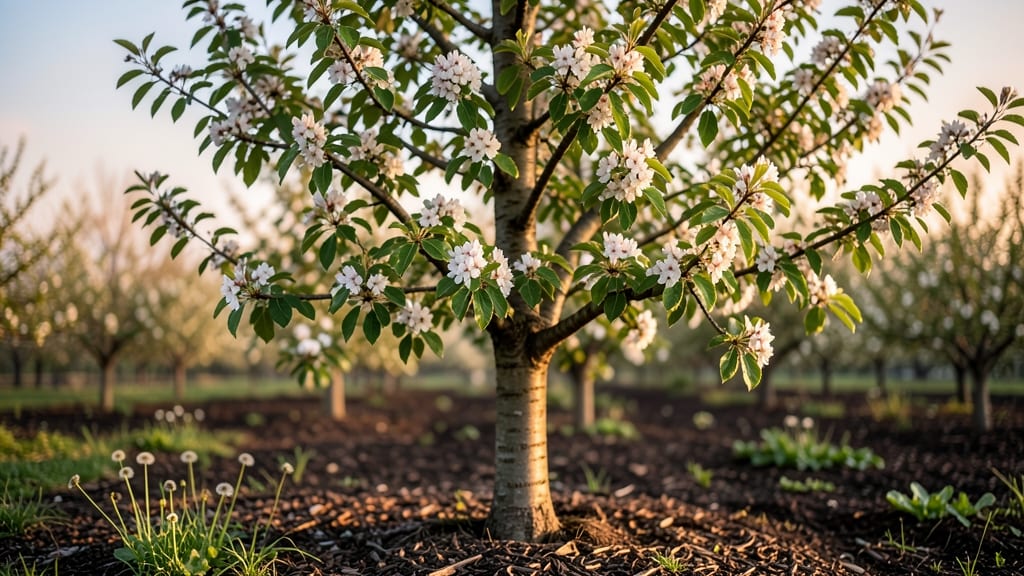
Houston’s cherry tree pruning isn’t just about shaping branches—it’s about fighting back against the city’s relentless humidity and summer heat. 🌿 I’ve learned the hard way that skipping pruning turns lush canopies into fungal magnets, but doing it right keeps your ‘Royal Ann’ or ‘Stella Pink’ producing sweet fruit year after year.
The key? Timing, tools, and knowing exactly where to cut to balance airflow and sunlight.
You’ll need sharp pruners, a ladder (for taller trees), disinfectant (to prevent disease spread), and a glove—because Houston’s cherry trees don’t play nice with weak cuts.
The best time to prune is late winter to early spring, right before buds swell, when fungal spores are dormant but growth is about to kick off. Avoid pruning during wet seasons unless absolutely necessary, or you’ll invite black knot or brown rot to the party.
What you’re aiming for is an open-centered shape that lets light and air circulate. Cut back dead, crossing, or diseased branches first, then thin out crowded areas to reduce humidity trapped in the canopy.
Every cut should be clean and at a 45-degree angle, just above an outward-facing bud. By summer, you’ll see new growth where you want it—and fewer pests hiding in the shadows.
Houston’s heat and humidity mean extra vigilance: sterilize tools between cuts, avoid heavy pruning in summer, and watch for signs of stress like yellowing leaves or oozing sap.
With the right approach, your cherry tree won’t just survive—it’ll thrive, producing juicy fruit and stunning blooms that make your neighborhood green with envy. Now grab those pruners!
📚 In This Guide
- What you need
- Instructions
- Tips and common mistakes
- Wrapping up and next steps
What you need
- ● Pruning shears: Bypass pruners (for cuts up to ½ inch) – 1 pair (look for Felco F-2 or Corona brands for durability).
- ● Loppers: Bypass loppers (for cuts ½–2 inches) – 1 pair (extendable handles help reach higher branches).
- ● Pruning saw: Curved-tooth pruning saw (for branches >2 inches) – 1 (e.g., Fiskars or Bahco).
- ● Ladder: Aluminum extension ladder (20–30 ft, D-level for stability) – 1 (or a cherry picker for large trees).
- ● Gloves: Heavy-duty leather or cut-resistant gloves – 1 pair (protects from thorns and blisters).
- ● Disinfectant: 70% isopropyl alcohol or bleach solution (1:9) – small bottle (sterilizes tools between cuts to prevent disease).
- ○ Sealant: Pruning sealant (e.g., Tanglefoot Tree Wound Pruning Seal) – small tub (optional but helpful for large cuts >1 inch).
- ● Safety gear: Safety glasses
- ● Long sleeves/pants (to avoid thorns)
- ● Closed-toe shoes or boots
- ● Tree bag: Mesh pruning bag (to collect debris) – 1 (reduces mess and disease spread).
- ● Pole saw: Lightweight telescoping saw – 1 (for high branches without a ladder).
- ● Marking spray: Pink or white spray paint – small can (marks branches to cut later).
- ● First-aid kit: Basic kit with antiseptic wipes – 1 (for minor cuts or scrapes).
- ● Best time to prune: Late winter to early spring (February–March in Houston’s climate) when the tree is dormant but before buds swell. Avoid pruning during fire blight season (spring blooms).
- ● Weather check: Prune on a cool, overcast day (Houston’s heat and humidity can stress the tree).
- ● Tree health: Inspect the tree for signs of disease (e.g., cankers, oozing sap) or pests (e.g., borers) before pruning. Houston’s humidity can accelerate decay.
- ● Local regulations: Check with Houston’s Urban Forestry division if your tree is near power lines or on public property.
Instructions for pruning a cherry tree in Houston’s humid heat
Houston’s sticky summers and sudden storms demand a smart pruning approach. Here’s how to keep your cherry tree thriving year-round.
✂️ Step 1: Time Your Pruning for Houston’s Microclimates
Prune sweet or tart cherries in late winter to early spring (February-March) when the tree is dormant but before buds swell. This timing avoids stressing the tree during Houston’s brutal summer heat or inviting fungal diseases from spring rains. If you must prune later, wait until after harvest in June to prevent attracting pests to fresh wounds.
I always check the forecast first—prune on a dry, overcast day when humidity is low. Houston’s afternoon humidity spikes after 10 AM, so morning sessions minimize stress. Watch for light frost warnings too; pruning before a late freeze can shock the tree.
✂️ Step 2: Sterilize Tools and Remove Dead/Diseased Wood
Clean your pruners with 70% isopropyl alcohol or a 10% bleach solution to prevent spreading fungal diseases like silver leaf fungus, which thrives in Houston’s damp air. Start by removing dead, diseased, or crossing branches—these are the biggest threats. Cut back to the branch collar (the swollen area where the branch meets the trunk) to prevent tears and improve healing.
Look for dark, mushy wood or branches with oozing cankers—these are red flags. Bag and dispose of infected branches immediately. I also remove water sprouts (fast-growing vertical shoots) since they drain energy from fruit production. Houston’s heat makes trees more vulnerable to stress, so aggressive pruning now prevents bigger problems later.
☀️ Step 3: Thin the Canopy for Better Airflow and Sunlight
Open the tree’s center by removing 10-20% of the canopy to improve airflow and sunlight penetration. Focus on branches growing inward or rubbing against others—these compete for resources and create entry points for pests. Houston’s humidity loves to turn crowded canopies into fungal breeding grounds, so thin strategically.
Step back often to visualize the tree’s shape. Aim for a modified central leader (one main trunk with side branches spaced 12-18 inches apart). Prune back to lateral buds (the small bumps on branches) to encourage outward growth. Avoid cutting more than 25% of the canopy in one season—cherry trees are sensitive to over-pruning.
🪴 Step 4: Seal Wounds and Monitor for Houston-Specific Pests
For cuts larger than ½ inch, apply tree wound sealant to prevent fungal infections. Houston’s heat and humidity create the perfect storm for silver leaf fungus and bacterial canker, so don’t skip this step. Smaller wounds (under ¼ inch) can seal naturally, but I still clean them with alcohol to reduce risk.
After pruning, inspect the tree for cherry fruit fly eggs (tiny white specks on leaves) and aphids—both thrive in Houston’s warm winters. Spray with neem oil if you spot infestations. Water deeply at the base once a week during dry spells to help the tree recover, but avoid overhead watering to prevent fungal spores from splashing onto fresh cuts.
⏰ Step 5: Schedule Follow-Up Care for Houston’s Growing Season
Fertilize in early spring with a balanced 10-10-10 formula to support new growth. Houston’s clay soil often lacks organic matter, so mix in 2-3 inches of compost around the drip line (the tree’s canopy edge). Mulch with 3-4 inches of shredded bark to retain moisture and regulate soil temperature—critical during Houston’s summer heat waves.
Plan a light pruning session in late summer (August-September) to remove any sucker growth or overly vigorous branches that emerged after spring. This keeps the tree’s energy focused on fruit production for next year. I also mark the tree’s drip line with landscape fabric to remind myself where to water and mulch—Houston’s erratic rains make consistency key.
Tips & tricks for Houston-specific cherry tree pruning
Houston’s climate turns ordinary pruning into a strategic challenge—here’s how to outsmart the heat and humidity for a healthier tree.
Timing is Everything: The February-March window is non-negotiable for Houston’s climate. I’ve seen trees stressed beyond recovery when pruned during summer’s brutal heat or spring’s fungal-friendly rains. If you must prune later, the post-harvest June timing prevents attracting pests to fresh wounds—critical in Houston’s warm winters when insects are active. Check your local frost dates too; a late freeze after pruning can shock the tree, so avoid pruning within 2 weeks of frost warnings.
Tool Preparation Matters: Sterilizing your pruners with 70% isopropyl alcohol isn’t just about hygiene—it’s about survival in Houston’s fungal paradise. I keep a small spray bottle of the solution in my toolbox and reapply between cuts on large trees. For the bleach solution (10% bleach), let it air dry completely before pruning to avoid chemical burns on fresh cuts. Pro tip: Use a dedicated pair of pruners for your cherry tree to prevent cross-contamination with other plants that might carry different pathogens.
Canopy Math for Houston: That 10-20% canopy reduction isn’t arbitrary—it’s calculated to balance Houston’s humidity needs with fruit production. Step back and visualize your tree’s shape often; I’ve found that removing just one crowded branch can improve airflow enough to prevent fungal issues. When pruning back to lateral buds, look for the outward-facing ones to encourage a more open canopy structure. Remember the 25% seasonal limit—cherry trees here are already fighting Houston’s heat stress, and over-pruning just adds to their burden.
Wound Care in the South: Houston’s heat and humidity create the perfect conditions for silver leaf fungus and bacterial canker, so wound sealing isn’t optional—it’s essential. I’ve seen trees lose entire branches to infections that started from seemingly minor cuts. For wounds larger than ½ inch, apply the sealant immediately after cutting, before putting your pruners away. Even small wounds benefit from a quick alcohol wipe to reduce infection risk. And that neem oil spray? It’s your first line of defense against cherry fruit flies and aphids, which thrive in Houston’s mild winters.
Pro Tips for Cherry Tree Houston
- Houston’s climate turns ordinary pruning into a strategic challenge—here’s how to outsmart the heat and humidity for a healthier tree.
- Timing is Everything: The February-March window is non-negotiable for Houston’s climate.
- Tool Preparation Matters: Sterilizing your pruners with 70% isopropyl alcohol isn’t just about hygiene—it’s about survival in Houston’s fungal paradise.
Frequently asked questions
Got questions about pruning cherry trees in Houston’s unique climate? You’re not alone! Here are some of the most common concerns—plus expert-backed answers to keep your tree thriving.
When is the best time to prune a cherry tree in Houston?
The ideal window is late winter to early spring (February–March), just before buds swell but before new growth starts. This timing minimizes stress and disease risk. Avoid pruning during Houston’s humid summers or after heavy fruit production, as it can invite pests or fungal infections.
How much can I trim without harming my cherry tree?
For mature trees, limit pruning to no more than 25% of the canopy per year. Over-pruning weakens the tree and reduces fruit yield. Focus on removing dead, diseased, or crossing branches first, then thin out crowded areas to improve airflow. Young trees (under 5 years) can tolerate slightly more aggressive shaping.
Why do my cherry tree’s leaves look yellow or spotted after pruning?
Yellowing or spotted leaves often signal fungal infections (like powdery mildew) or bacterial canker, common in Houston’s damp climate. Sterilize your tools with rubbing alcohol before/after pruning, and avoid pruning during wet weather. If issues persist, treat with a copper fungicide or consult a local arborist.
Will pruning my cherry tree reduce next year’s fruit harvest?
Pruning correctly actually boosts fruit production by improving light and air circulation. However, over-pruning (especially during flowering or fruiting seasons) can cut yields. Time pruning to post-harvest (late summer/early fall) if you’re worried about fruit loss, but late winter is still best for long-term health.
Are there Houston-friendly cherry tree alternatives if pruning feels overwhelming?
Yes! Consider low-maintenance varieties like ‘Stella’ or ‘Sweetheart’ cherries, which are disease-resistant and thrive in Houston’s heat. For minimal pruning, opt for dwarf varieties (e.g., ‘Balaton’) or native alternatives like Texas persimmon (Diospyros texana), which require little shaping.
Still unsure? Houston’s Master Gardeners offer free pruning workshops—perfect for hands-on guidance!
Wrapping up and next steps
Growing a thriving cherry tree in Houston is totally doable with the right pruning know-how! By following our climate-specific tips—like timing cuts for spring blooms and avoiding summer stress—you’ll keep your tree healthy, productive, and stunning year after year. 🌸
Ready to give your cherry tree the TLC it deserves? Grab your pruners, mark your calendar, and start planning your next pruning session. Your tree (and future fruit!) will thank you.