
Pruning
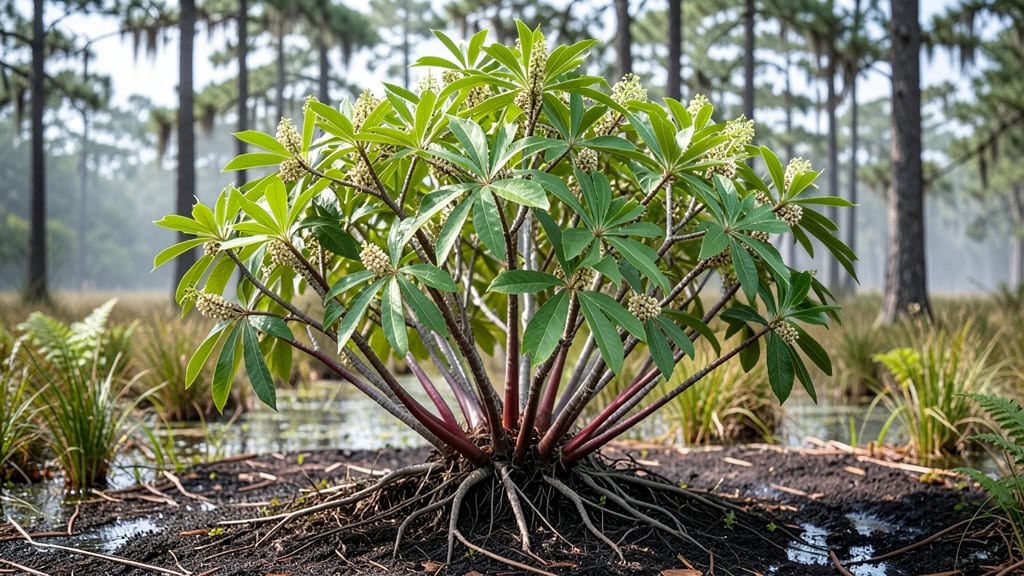
Poison sumac tree bark contains toxic urushiol oil, just like its leaves and stems, which triggers severe skin irritation, rashes, or blisters upon contact. Recognize it by its smooth gray bark, clustered white berries, and compound leaves with 7-13 pointed leaflets arranged in pairs. Always avoid direct contact and rinse skin thoroughly with soap and cold water if exposed.
Recognizing poison sumac starts with understanding its bark's unique texture—smooth and grayish, unlike the rough, scaly bark of harmless sumac species. 🌿 The urushiol oil lurks in every part of the plant, so even brushing against the bark can cause reactions.
I've seen cases where people mistakenly touched it while hiking, only to develop painful rashes days later. If you suspect contact, wash immediately with soap and cool water, then monitor for symptoms like swelling or redness.
For gardeners or hikers, protective gear like long sleeves and gloves is essential when working near these areas. The white berries in tight clusters are another dead giveaway—never assume a sumac is safe just because it looks similar.
When in doubt, take a photo and consult a local plant expert before making assumptions.
💡 In This Article
- How to Identify Poison Sumac Bark and Leaves
- Safe Handling and Emergency Steps for Poison Sumac Exposure
How to identify poison sumac bark and leaves
The bark of poison sumac (Toxicodendron vernix) is one of its most distinctive features—a smooth, grayish surface that feels almost silky to the touch when dry.
Unlike its harmless cousins like smooth sumac or staghorn sumac, which have rough, scaly bark, poison sumac's bark remains consistently smooth even as the tree matures.
This texture difference is crucial because it helps distinguish it from safe sumac species during quick visual inspections in the wild. 🌿 The bark's smoothness isn't just about appearance; it's a survival adaptation that reduces water loss while still housing urushiol oil in microscopic pores across the entire surface.
When examining the leaves, look for compound foliage with 7-13 leaflets arranged in pairs along a central stem, ending with a single terminal leaflet.
Each leaflet is 4-8 inches long, pointed at the tip, and has a slightly waxy sheen that makes them appear darker green on top and paler underneath. The edges are smooth, not serrated, which helps differentiate it from poison ivy.
What makes this particularly dangerous is that urushiol oil is present in all plant parts—bark, leaves, stems, and even the roots—meaning any contact can trigger a reaction.
Unlike poison ivy, which often grows as a vine, poison sumac grows as a shrub or small tree, typically reaching 20-30 feet tall.
The white berries are another key identifier—growing in dense, hanging clusters that resemble grape-like bunches. These berries appear in late summer and persist through winter, providing a year-round clue for identification.
The berries themselves aren't toxic to eat (they're actually consumed by wildlife), but the oil remains active on all plant surfaces. This is why gardeners and hikers should treat any sumac with caution, especially if it matches these visual cues.
The oil can remain potent on tools, clothing, or even pet fur for years, so proper cleaning after potential exposure is essential.
Here's how to contrast poison sumac with harmless sumac species:
- Bark: Poison sumac has smooth, gray bark; harmless sumac has rough, scaly bark that peels in strips
- Leaflets: Poison sumac has 7-13 leaflets per compound leaf; harmless sumac typically has 11-23 leaflets
- Growth: Poison sumac grows as a shrub or small tree; many harmless sumac species grow as shrubs with thorny branches
The urushiol oil in poison sumac works by penetrating the skin's outer layer, triggering an immune response that causes inflammation. This is why reactions can develop 12-48 hours after contact—long after you've left the area.
The oil is colorless and odorless, making it impossible to detect without proper identification. This delayed reaction is one reason why so many people underestimate its danger, assuming the plant is harmless until symptoms appear.
If you're unsure whether a plant is poison sumac, use the "leaflet rule": count the leaflets. If there are 7 or fewer, it's likely poison sumac or poison ivy.
For extra safety, take a photo from a distance and consult a local botanist or use a plant identification app before making contact. Remember, all parts of the plant are toxic, so never assume a sumac is safe based on appearance alone.