
Pruning
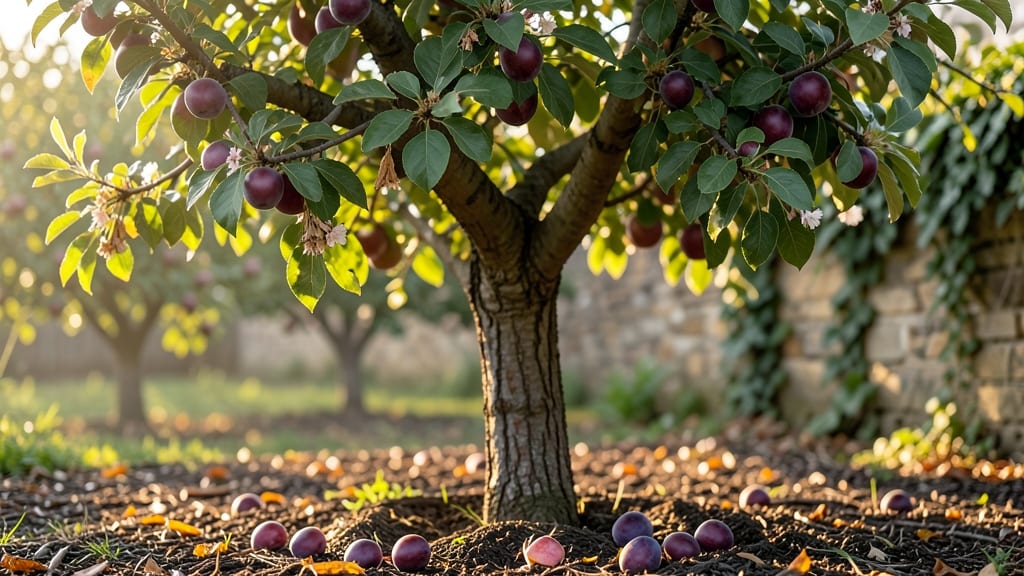
Strategic trimming turns your plum tree into a fruit-bearing powerhouse. 🌿 I’ve watched my own plum tree go from a tangled mess to a productive machine—just by cutting back at the right times. The secret isn’t complicated, but timing and technique make all the difference.
Plum trees thrive with three key pruning sessions: winter shaping, summer thinning, and post-harvest cleanup. Each serves a purpose—winter opens the canopy for sunlight, summer removes overcrowded fruit for bigger plums, and fall preps the tree for dormancy.
You’ll also need sharp pruners, a ladder, and a clear day to work.
By late summer, you’ll be harvesting plums that are juicy, sweet, and abundant—the kind that make neighbors ask where you got your tree. The tree itself stays healthier, produces more fruit each year, and even resists disease better with proper pruning.
Works for both backyard trees and small orchards, and adapts to different plum varieties. Here’s how to get started without killing your tree in the process—honestly, I’ve made that mistake too.
📚 In This Guide
- What you need
- Instructions
- Tips and common mistakes
- Wrapping up and next steps
What you need
- ● Pruning shears: Bypass shears (for clean cuts) or anvil shears (for thicker branches). Specs: 6-8" blades, sharp and sterilized.
- ● Loppers: For branches ½"–2" in diameter. Specs: 18-24" long handles for leverage.
- ● Pruning saw: For branches thicker than 2". Specs: Curved blade for precision.
- ● Disinfectant: 70% isopropyl alcohol or a 10% bleach solution (1 part bleach to 9 parts water) to sterilize tools.
- ● Gloves: Heavy-duty, cut-resistant gloves (e.g., leather or Kevlar) to protect hands.
- ● Safety glasses: ANSI-rated for eye protection from debris.
- ○ Rope or twine: ¼" thick, for securing branches during cuts (optional but helpful for large limbs).
- ● Marking twine or tape: To flag branches for removal (e.g., red for "cut," green for "keep").
- ● Heavy-duty trash bags: 30-gallon size to collect pruned branches and debris.
- ● Pole pruner: Extendable tool for high branches (10–16 ft reach).
- ● Ladder: Fiberglass or aluminum, rated for your tree’s height (e.g., 12–20 ft).
- ● Tree wound dressing: Pruning sealant (controversial, but some gardeners swear by it for large cuts).
- ● Notebook & pen: To sketch your tree’s structure or note growth patterns.
- ● Weather check: A quick forecast app to avoid pruning during wet or windy conditions.
Instructions for strategic plum tree trimming
Here's how I maintain my plum trees for maximum fruit production and long-term health.
✂️ Step 1: Time Your Pruning to the Season
Plum trees need precise timing—prune too early and you risk frost damage; too late and you reduce next year's fruit set. I always schedule my major pruning in late winter or very early spring, just as buds begin to swell but before any leaf-out. This timing ensures the tree has plenty of time to heal before summer's heat stress.
For minor shaping cuts, I wait until after harvest in late summer. This prevents exposing fresh cuts to summer pests and diseases. Watch for bud break—when you see tight clusters of buds starting to plump up, that's your cue to start sharpening your pruners.
✂️ Step 2: Remove Dead, Diseased, and Crossing Branches First
Start by eliminating any branches that are dead, diseased, or rubbing against others. These are your priority cuts—they'll improve air circulation and prevent future problems. I look for branches with no green bark, mushroom-like growths, or cankers (sunken, dead areas). Cut these back to healthy wood, making your cut just outside the branch collar.
Next, remove branches that cross or rub together. These create wounds that invite pests and diseases. I use my thumb to test—if two branches press together when I push them, they need to go. Make clean cuts at a 45-degree angle, about ¼ inch above an outward-facing bud to encourage proper regrowth.
☀️ Step 3: Open the Tree's Canopy for Sunlight and Airflow
Plum trees produce best when sunlight reaches all branches. I focus on thinning the canopy by removing 10-20% of the tree's total branches, starting with the oldest wood. Look for branches that grow inward or downward—they block light and create shade where fruit won't develop properly.
Cut back to a strong lateral branch or the trunk if needed. I make these cuts just above a bud that faces outward to encourage upward growth. You'll know you've done well when you can see light reaching the center of the tree and no dense clusters of branches competing for resources.
🌱 Step 4: Shape for Fruit Production and Structural Integrity
Plum trees benefit from an open-center shape that lets sunlight penetrate. I remove any suckers at the base (vigorous shoots growing from the roots) and water sprouts (vertical shoots with no lateral branches). These steal energy from fruit production. Cut these back to the main trunk or a strong lateral branch.
For the remaining branches, I aim to create a balanced structure. I shorten overly long branches by one-third to encourage bushier growth. Always cut just above a bud that points in the direction you want new growth to go. This ensures the tree maintains its shape while maximizing fruit-bearing wood.
⏰ Step 5: Clean Up and Monitor for Recovery
After pruning, I gather all cuttings and dispose of them in the trash—not the compost—since diseased wood can spread pathogens. I also sterilize my pruners with 70% rubbing alcohol between cuts to prevent cross-contamination. This simple step has saved my trees from multiple infections over the years.
Monitor the tree closely after pruning. You'll see new buds forming within 2-3 weeks if the cuts were made correctly. Water deeply if the weather turns dry, as new growth is more vulnerable to stress. By late spring, you should see the tree filling out with fresh foliage and new fruit buds.
Tips & tricks for perfect plum tree trimming
A few well-timed cuts can transform your plum tree from a tangled mess into a fruit-bearing powerhouse. Here's how to avoid common pitfalls and elevate your pruning game.
Seasonal Timing Secret: The late winter/early spring window for major pruning isn't just about avoiding frost—it's about letting the tree heal before summer's heat. I've seen trees stressed by summer pruning take years to recover. For minor shaping after harvest, wait until late summer when the tree has stored enough energy to handle new cuts without vulnerability to pests.
Branch Selection Technique: When removing branches in Step 2, focus on the "three D's"—dead, diseased, and damaged. I learned this the hard way after leaving a cankered branch on my tree for two seasons, which spread to healthy wood. Always cut just outside the branch collar (that swollen area where the branch meets the trunk) to prevent tearing and promote faster healing.
Canopy Thinning Strategy: That 10-20% thinning target in Step 3 isn't arbitrary—it creates the perfect balance between airflow and fruit production. I use the "sunlight test": if you can't see light reaching the center of the tree, you haven't thinned enough. Remove branches that grow inward first, as these create dense shade where fruit won't develop properly.
Recovery Monitoring: The 2-3 week window for new bud formation isn't just a guess—it's when the tree's healing process becomes visible. If you don't see new buds after this time, your cuts may have been too severe or made at the wrong time. Water deeply during this period, as new growth is particularly vulnerable to stress when the tree is still recovering from pruning.
Pro Tips for Plum Tree Fruit
- A few well-timed cuts can transform your plum tree from a tangled mess into a fruit-bearing powerhouse.
- Seasonal Timing Secret: The late winter/early spring window for major pruning isn't just about avoiding frost—it's about letting the tree heal before summer's heat.
- Branch Selection Technique: When removing branches in Step 2, focus on the "three D's"—dead, diseased, and damaged.
Frequently asked questions
Got questions about growing, harvesting, or enjoying plum tree fruit? You’re not alone! Here are answers to the most common queries—from pruning tips to troubleshooting—so you can keep your tree thriving year-round.
When is the best time to prune a plum tree for maximum fruit production?
Prune your plum tree during late winter or early spring (just before buds swell) to encourage strong growth and fruit development. Avoid heavy pruning in fall, as it can stimulate late-season growth vulnerable to frost damage. Focus on removing dead, crossing, or overcrowded branches first!
How long does it take for a newly planted plum tree to bear fruit?
With proper care, most plum trees start bearing fruit in 2–4 years. Dwarf varieties may fruit sooner (1–2 years), while standard trees can take up to 5 years. Patience pays off—healthy soil, water, and pruning speed up the process!
Why are my plums small or not ripening properly?
Small or underripe plums often signal poor pollination, nutrient deficiencies, or overcrowded branches. Ensure your tree gets full sun (6+ hours/day) and cross-pollinate with another variety if needed. Thin fruit early (leave 6–8 inches between plums) to boost size and sweetness.
How do I protect my plum tree from pests like borers or birds?
Prevent pests with preventative care: Wrap tree trunks with burlap to deter borers, and use bird netting when plums ripen. For borers, apply beneficial nematodes or prune infested branches in dormant season. Keep the area around the tree clean and mulched to reduce hiding spots.
Can I eat plums straight from the tree, or do they need to be cooked first?
Most plum varieties are ready to eat fresh when fully colored and slightly soft to the touch. Look for a sweet, fragrant aroma! Some tart varieties (like Damson) taste better cooked in jams or pies. Always wash plums thoroughly before eating—skin-on or peeled!
Wrapping up and next steps
Growing a thriving plum tree isn’t just about patience—it’s about strategic care, especially when it comes to pruning. By following the right techniques, you’ll unlock year-round fruit abundance while keeping your tree healthy and productive.
Whether you’re a beginner or a seasoned gardener, the key is consistency: trim at the right times, shape with purpose, and watch your tree reward you with juicy, flavorful plums for seasons to come!
Ready to take the next step? Grab your pruning shears and schedule your first trimming session—your future plum harvest is waiting! 🌱🍑