
Propagation
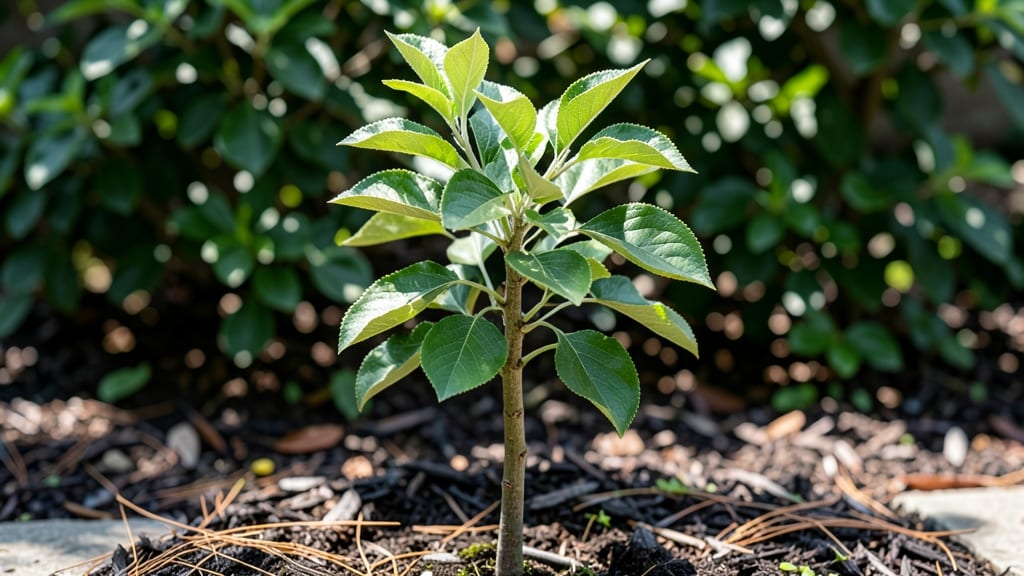
Growing a Pink Lady apple tree from seed means you’ll get cold-hardy fruit—but not the exact flavor you expect. 🌱 The apples from seed-grown trees rarely match the parent cultivar, and it takes 5+ years before you see any fruit at all.
Still, there’s something magical about nurturing a tree from the ground up, even if the results surprise you.
The process starts with fresh seeds from a store-bought Pink Lady apple. You’ll need patience, as germination can take 30-90 days in damp, cool conditions. Once sprouted, the seedlings need bright light and well-draining soil to grow strong.
But here’s the catch: the tree you end up with could be completely different in taste, size, and disease resistance.
By year 5, you might get apples—though they’ll likely be smaller, tart, and less sweet than the grocery store variety. The real reward is the cold-hardy nature of seed-grown trees, which can thrive in tougher climates than grafted varieties.
If you’re set on Pink Lady apples, grafting or buying a rooted tree is a better bet—but the seed adventure is still worth it for the experience.
Fair warning: most gardeners who try this route eventually switch to grafting or cuttings for consistency. But if you love surprises, seed-growing is a rewarding (if unpredictable) journey. Here’s how to get started without wasting time or resources.
📚 In This Guide
- What you need
- Instructions
- Tips and common mistakes
- Wrapping up and next steps
What you need
- ● Pink Lady apple seeds – 5–10 fresh, viable seeds (harvested from a ripe Pink Lady apple). Pro tip: 💡 Store seeds in a paper towel in the fridge for 4–6 weeks to break dormancy before planting!
- ● Seed-starting mix – 1–2 gallons of sterile, well-draining potting soil (look for a mix labeled for seeds or seedlings).
- ● Small seed trays or pots – 4–6 biodegradable pots (3–4 inches deep) or a seed tray with individual cells.
- ● Grow lights or sunny windowsill – A fluorescent grow light (12–16 hours/day) or a south-facing window with consistent sunlight.
- ● Spray bottle – For gentle watering (avoid over-saturating seeds).
- ● Plastic wrap or humidity dome – To create a mini greenhouse effect until germination.
- ● Label markers & tags – To track seed varieties and planting dates.
- ● Heating mat – Speeds up germination (set to 70–75°F).
- ● Fertilizer – A balanced, water-soluble fertilizer (5-5-5 or 10-10-10) for young seedlings.
- ● Pruning shears – For future shaping and maintenance.
- ● Garden journal – To log growth milestones and adjustments.
- ● Cold frame or greenhouse – For overwintering seedlings if in a colder climate.
Step-by-step instructions for growing a Pink Lady apple tree from seed
Here’s how to nurture a cold-hardy Pink Lady apple tree from seed—it takes patience, but the reward is worth it.
🌱 Step 1: Select and Stratify Pink Lady Apple Seeds
Start by harvesting seeds from a ripe Pink Lady apple—cut the fruit open and scoop out the core, then rinse the seeds clean. Remove any seeds that are shriveled or damaged, as they won’t sprout. The key to germination is stratification, a cold treatment that mimics winter conditions. Place the seeds in a damp paper towel, fold it over, and seal them in a plastic bag. Store them in your refrigerator’s crisper drawer for 8-12 weeks at 35-40°F. Check them weekly—they should stay moist but not soggy.
After stratification, plant the seeds ½ inch deep in a well-draining seed-starting mix. Use small pots or a seed tray with drainage holes to prevent waterlogging. Keep the soil consistently moist but never waterlogged—overwatering at this stage can cause rot. Place the pots in a warm, sunny spot (or under a grow light) where temperatures stay around 70°F. Germination can take 3-6 weeks, so be patient. You’ll know it’s working when tiny green sprouts push through the soil.
🌿 Step 2: Transplant Seedlings and Provide Careful Light
Once the seedlings develop 2-3 true leaves, it’s time to transplant them into 4-inch pots with fresh potting mix. Handle the seedlings gently—grasp the leaves, not the stems, to avoid damaging the roots. Place each seedling 1 inch deep in its new pot and firm the soil lightly around the base. Water gently to settle the soil without disturbing the roots. Keep the pots in bright, indirect light for the first week to help them adjust.
After a week, gradually introduce full sun (6+ hours daily) to strengthen the seedlings. If growing indoors, use a grow light positioned 4-6 inches above the plants for 14-16 hours a day. Without enough light, seedlings grow leggy and weak. You’ll see strong, sturdy growth when the stems are thick and the leaves are dark green. Fertilize lightly with a balanced, water-soluble fertilizer (10-10-10) every 4-6 weeks to encourage healthy development.
☀️ Step 3: Harden Off and Plant Outdoors in Spring
When the seedlings are 6-12 inches tall and the last frost date has passed, it’s time to harden them off. Start by placing the pots outside in a sheltered spot for 1-2 hours the first day. Gradually increase their outdoor time over 7-10 days, exposing them to direct sun and wind for longer periods each day. This process helps them adapt to outdoor conditions without shock. By the end of hardening, the seedlings should be able to handle a full day outside.
Choose a planting site with full sun and well-draining soil. Dig a hole twice as wide as the root ball but no deeper. Gently remove the seedling from its pot and place it in the hole, ensuring the top of the root ball is level with the soil surface. Backfill the hole with soil and water deeply to settle it. Mulch around the base with 2-3 inches of organic mulch to retain moisture and suppress weeds. Water the tree 1-2 times per week for the first month to help it establish roots.
⏰ Step 4: Maintain and Prune for a Strong Tree Structure
In the first year, focus on watering deeply (about 1 gallon per week) and light fertilization (use a low-nitrogen fertilizer like 5-10-10). Avoid heavy pruning—just remove any dead, diseased, or crossing branches with clean, sharp pruners. Prune in late winter or early spring before new growth begins. This encourages a strong, open canopy that allows sunlight to reach all parts of the tree.
Pink Lady apple trees grown from seed may not produce fruit true to the parent variety, but they’ll develop into hardy trees well-suited to your climate. Be patient—it can take 5-7 years for the tree to bear fruit. Monitor for pests like aphids or apple borers, and treat them early with neem oil or insecticidal soap if needed. With consistent care, your seed-grown Pink Lady apple tree will thrive and reward you with cold-hardy fruit for decades.
Tips & tricks for growing a Pink Lady apple tree from seed
Patience and precision are your best tools when nurturing an apple tree from seed—here's how to maximize your success without common pitfalls.
Stratification Success: The 8-12 week cold treatment is non-negotiable for breaking seed dormancy. I've found using a small plastic container with ventilation holes (like a takeout container with poke holes) works better than a sealed bag—it prevents mold while maintaining moisture. Place a damp paper towel in the bottom, then add seeds with space between them to avoid rot. If you're short on fridge space, a cool basement or garage (around 40°F) works too, but monitor humidity closely—seeds need to stay damp but never soggy.
Germination Environment: Those 3-6 weeks of waiting can feel endless, but consistency is key. I've had the best results using a seedling heat mat set to 70°F under grow lights on a 14-16 hour cycle. The warmth from below mimics natural soil temperatures and speeds up germination. If using natural sunlight, place pots on a sunny windowsill where temps stay steady—fluctuations can shock delicate sprouts. A clear plastic dome or bag creates a mini greenhouse effect during this critical phase.
Transplanting Technique: When moving seedlings to 4-inch pots, I've discovered a little trick that prevents root shock: water the original pot thoroughly 24 hours before transplanting. This keeps roots flexible and reduces breakage. For the new pots, I press the soil around the base firmly but gently—think "firm like a handshake," not "compress like a brick." The 1-inch depth is crucial; planting too shallow exposes roots to drying, while too deep can suffocate the stem.
Harden Off Gradually: The 7-10 day hardening process is where many seedlings fail. I've learned to increase exposure incrementally—start with 1-2 hours in dappled shade, then add 30 minutes of direct sun each day. Watch for wilting as a sign to slow down. For wind exposure, place pots near a fence or trellis where they'll experience gentle breezes without full-force gusts. The goal is to toughen leaves, not shock the entire plant.
Pro Tips for Pink Lady Apple Tree From Seed
- Patience and precision are your best tools when nurturing an apple tree from seed—here's how to maximize your success without common pitfalls.
- Stratification Success: The 8-12 week cold treatment is non-negotiable for breaking seed dormancy.
- Germination Environment: Those 3-6 weeks of waiting can feel endless, but consistency is key.
Frequently asked questions
Got questions about growing a Pink Lady apple tree from seed? You’re not alone—this process takes patience and precision! Below, we’ve answered the most common queries to help you navigate the journey from seed to sapling (and beyond).
How long does it take for a Pink Lady apple tree grown from seed to bear fruit?
A Pink Lady apple tree grown from seed typically takes 5–7 years to bear fruit, not the 3–5 years you might see with grafted trees. This is because seed-grown trees are not true-to-type—they may produce apples with different flavors, colors, or sizes. For consistent Pink Lady fruit, grafting onto a compatible rootstock is the way to go!
What’s the best time of year to plant Pink Lady apple seeds?
The ideal time to plant Pink Lady apple seeds is in late fall or early winter, right after harvesting the fruit. This mimics natural stratification, where seeds experience cold temperatures (40–50°F) for 3–4 months before spring germination. If planting in spring, pre-chill seeds in the fridge for 6–8 weeks first.
Can I grow a true Pink Lady apple tree from seed, or will it be different?
No, you cannot grow a true Pink Lady apple tree from seed because Pink Lady is a cultivar (a cultivated variety). Seed-grown trees will produce wild-type apples—often smaller, less sweet, and with inconsistent traits. For authentic Pink Lady fruit, start with a grafted tree or bud a Pink Lady scion onto a seedling rootstock.
What are the most common problems when growing Pink Lady apple trees from seed?
Seed-grown Pink Lady trees (or their offspring) may face:
- Disease susceptibility: Seedlings lack the disease resistance of grafted trees. Watch for apple scab or fire blight.
- Poor fruit quality: Apples may lack the signature Pink Lady sweet-tart flavor.
- Slow growth: Seedlings often take longer to mature compared to grafted trees.
Solution: Prune regularly, use organic fungicides, and consider grafting later if you want true Pink Lady apples!
What’s a faster alternative to growing a Pink Lady tree from seed?
If you’re eager for fruit, skip the seed stage and try:
- Grafting: Buy a Pink Lady scion (available at nurseries) and graft it onto a hardy rootstock like Malling 9 or Antonovka.
- Buying a young tree: Purchase a 1–2-year-old grafted Pink Lady tree from a reputable nursery.
- Layering or cutting propagation: If you have an existing Pink Lady tree, propagate it vegetatively for a clone.
Grafting is the most reliable method for true-to-type Pink Lady apples!
Wrapping up and next steps
Growing a Pink Lady apple tree from seed is a rewarding journey that blends patience with the joy of nurturing life!
While it may take up to five years to see fruit, the process teaches resilience and connects you deeply to nature. You’ve got this! Now that you’re armed with the right knowledge, take the next step—plant your seed, tend to it with care, and watch your cold-hardy tree thrive. 🌱✨
Ready to start? Grab your supplies, follow the steps, and let your green thumb shine!