
Pruning
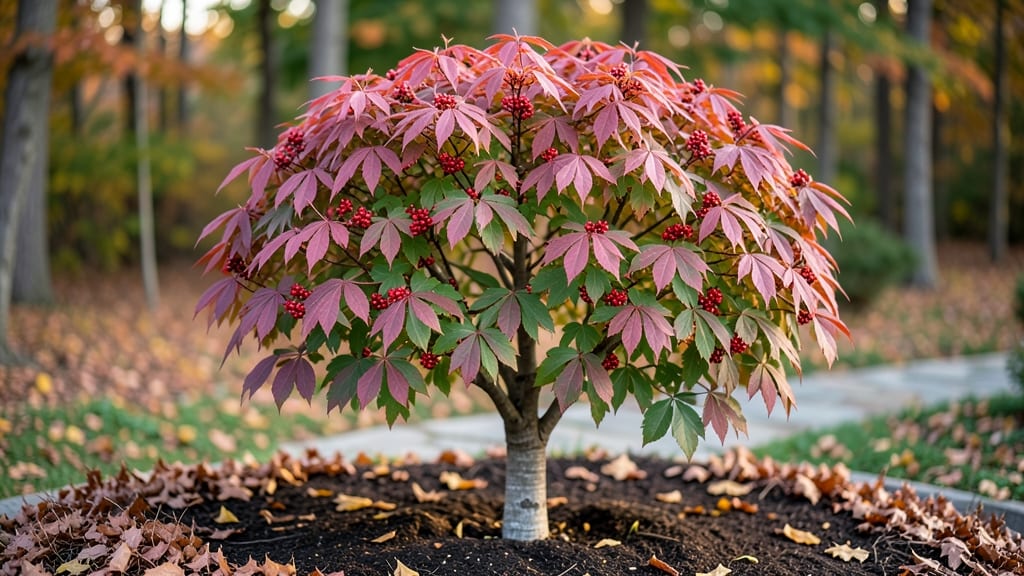
Fall pruning transforms your pink dogwood tree into a year-round showstopper. ✨ The right cuts now ensure vibrant spring blooms and a sturdy structure for winter storms—something I learned after my first tree lost half its branches in a late-season wind.
Dogwoods are delicate when it comes to timing, and fall is the perfect window to shape them without stressing the plant.
Start by removing any dead, diseased, or crossing branches first—these are the weak points that can spread damage or block sunlight from reaching the center. Use clean, sharp pruners to make cuts just outside the branch collar, and avoid heavy pruning that could trigger winter dieback.
The goal is to open up the canopy so light and air circulate freely, which keeps the tree healthier through dormancy.
What you’ll notice by next spring is a tree with more abundant pink blooms and fewer bare spots. The pruning also encourages stronger growth at the branch tips, which means bigger flowers and a fuller silhouette.
This method works especially well for mature trees that have become top-heavy or leggy over time.
For gardeners in colder climates, finish pruning at least 4-6 weeks before the first hard frost to give the tree time to seal cuts. In milder zones, you can wait until early winter.
The key is to prune when the tree is dormant but still has enough time to heal before the cold sets in.
📚 In This Guide
- What you need
- Instructions
- Tips and common mistakes
- Wrapping up and next steps
What you need
- ● Pruning shears: Bypass pruners (sharp, clean, and 5–7-inch blades for precision cuts). Pro tip: 💡 Sanitize with rubbing alcohol before and after use!
- ● Loppers: 8–12-inch handles for thicker branches (up to 2-inch diameter).
- ● Pruning saw: Curved-tooth design for branches 2+ inches thick.
- ● Gloves: Heavy-duty, cut-resistant (gardening or pruning-specific).
- ● Ladder: Sturdy, extendable (if tree exceeds 6 feet). Safety first! 🔥
- ● Disposable pruning bags: 1–2 large bags (for debris cleanup).
- ● Rubbing alcohol (70% isopropyl): Small bottle for tool sanitization.
- ○ Sharpie or permanent marker: Fine-tip for labeling cuts (optional but helpful!).
- ● Hand pruners: Compact, 4–5-inch blades for small branches.
- ● Tree wound dressing: Pruning sealant (controversial—skip if unsure!).
- ● Work gloves: Lightweight, breathable for comfort.
- ● Wheelbarrow or tarp: For hauling heavy debris.
- ● Camera or phone: To document your tree’s transformation! ✨
- ● ✅ Best timing: Prune after leaves fall (late fall) or before buds swell in early spring.
- ● ✅ Weather check: Choose a dry, overcast day (avoid wind or rain).
- ● ✅ Safety gear: Safety glasses and closed-toe shoes (just in case!).
- ● ✅ Tree health: Inspect for disease or pests—address issues before pruning.
Instructions for pruning pink dogwood trees in fall
Here's the method I've used for years to keep my dogwoods blooming beautifully season after season.
✂️ Step 1: Assess the Tree Structure and Identify Dead Wood
Start by examining your pink dogwood tree from all sides, looking for branches that are completely bare or have no leaves. Dead wood is usually grayish-brown and brittle—it snaps easily when you test it with your fingers. I always prune dead branches first because they can harbor pests and diseases that might spread to healthy growth.
Next, identify any branches that are crossing or rubbing against each other. These create weak points where the bark can be damaged, leaving the tree vulnerable to infections. Mark these branches with a small piece of tape or a spray paint dot so you can find them easily during pruning. This step ensures your tree stays healthy and strong for years to come.
✂️ Step 2: Remove Dead, Sick, or Weak Branches
Using sharp, clean pruning shears, cut out the dead branches you identified in the first step. Make your cuts at a 45-degree angle, about ¼ inch above a bud or branch collar—this helps water run off and prevents rot. For larger branches, use loppers or a pruning saw, always cutting just outside the branch collar to avoid damaging the tree's protective layer.
For branches that are crossing or rubbing, remove the weaker of the two. If they're roughly equal in size, remove the one that's growing inward. This opens up the center of the tree, allowing better airflow and sunlight penetration—both critical for vibrant fall blooms. I always step back every few cuts to visualize how the tree is shaping up.
✂️ Step 3: Thin Out Overcrowded Areas
Dogwoods naturally grow with a layered, tiered look, but over time, some branches can become too dense. Focus on thinning out the inner branches to improve light penetration and air circulation. Remove about 20-30% of the smaller branches in crowded areas, starting from the bottom and working your way up. This encourages stronger growth on the remaining branches.
Look for branches that are growing straight up or down—these often create a "bottle brush" effect and should be pruned to maintain a natural, balanced shape. Cut these branches back to a lateral branch or bud that's growing outward. You'll see the tree's natural form emerge as you make these cuts, and the improved structure will support better blooming next season.
✂️ Step 4: Shape the Tree for Balance and Airflow
Step back and evaluate the overall shape of your dogwood. The goal is to maintain a balanced, open structure that allows light to reach all parts of the tree. Focus on creating a slightly rounded canopy with an open center. Avoid heavy pruning on one side, as this can create an uneven silhouette. I like to imagine the tree as a vase—wide at the top and narrower at the bottom.
If your tree has branches that are too long or leggy, shorten them by cutting back to a lateral branch or bud that's growing in the direction you want the branch to grow. Never cut back to a stub—this invites disease and weak growth. After shaping, remove any small twigs or suckers that are sprouting at the base of the tree, as these compete with the main branches for nutrients.
💧 Step 5: Clean Up and Apply a Protective Layer
Once all your pruning is done, gather up the branches and dispose of them properly. Never leave cuttings on the ground, as they can harbor pests and diseases. I like to bag them and add them to my compost pile, but you can also burn them if you're concerned about disease spread. After cleanup, give the tree a deep watering to help it recover from the pruning stress.
Finally, apply a 2-3 inch layer of mulch around the base of the tree, keeping it 6 inches away from the trunk to prevent rot. This helps retain moisture and regulates soil temperature, which is especially important in fall when the ground starts to cool. A light application of organic fertilizer can also give your dogwood a boost for next year's growth. You'll know you've done a good job when the tree looks balanced, open, and ready for winter.
Tips & tricks for perfect pink dogwood tree pruning in fall
Took me years to perfect this method—here's what nobody tells you about keeping your dogwood thriving.
Tool Prep: Sterilize your pruning shears with rubbing alcohol between cuts, especially when moving from dead branches to healthy ones. I learned this the hard way after seeing new infections appear. Sharp tools make cleaner cuts that heal faster—dull blades crush wood, creating entry points for disease.
Visual Cues for Step 1: When testing for dead wood, look for branches that snap like dry twigs rather than bending slightly. Healthy branches should bend before breaking, and the bark should be greenish-brown with a slight springiness. Mark these branches with a bright-colored tape so you don't accidentally cut them later.
Thinning Strategy: In Step 3, aim to remove branches that are growing toward the center of the tree first. These are the ones creating that "bottle brush" effect. I find it helpful to visualize the tree's natural vase shape—every cut should move you closer to that ideal silhouette. Remember, you're not just pruning; you're sculpting the tree's future growth pattern.
Seasonal Timing: Fall pruning gives your dogwood time to heal before winter dormancy. If you must prune in winter, do it during mild spells—never when temperatures are below freezing. The tree's natural sap flow slows in cold weather, making it harder to seal wounds properly.
Pro Tips for Pink Dogwood Tree In Fall
- Took me years to perfect this method—here's what nobody tells you about keeping your dogwood thriving.
- Tool Prep: Sterilize your pruning shears with rubbing alcohol between cuts, especially when moving from dead branches to healthy ones.
- Visual Cues for Step 1: When testing for dead wood, look for branches that snap like dry twigs rather than bending slightly.
Frequently asked questions
Got questions about pruning your pink dogwood tree in fall? You’re not alone! Here are some common concerns—and expert answers—to help you keep your tree thriving year-round.
When is the exact best time to prune a pink dogwood in fall?
The ideal window is late October to early November, after the leaves fall but before harsh winter sets in. This timing minimizes stress on the tree and prevents disease entry through fresh cuts. Avoid pruning if frost is forecasted within 48 hours.
How much can I trim back a pink dogwood without harming it?
Never remove more than 25% of the tree’s canopy in a single season. For pink dogwoods, focus on light shaping—target dead, diseased, or crossing branches first. Heavy pruning can reduce next year’s blooms, as these trees flower on old wood.
Will pruning in fall affect next year’s pink blooms?
Pruning in fall won’t directly harm blooms, but timing matters. If you cut back too aggressively, the tree may divert energy to healing instead of bud formation. Stick to minimal, strategic cuts to preserve next spring’s vibrant display.
What if my pink dogwood has pests or disease after pruning?
Watch for borers, powdery mildew, or fungal spots post-pruning. Sterilize tools with rubbing alcohol, remove infected branches immediately, and apply copper fungicide if needed. Prune during dry weather to reduce disease risk.
Can I prune a young pink dogwood the same way as a mature one?
No! Young trees (under 5 years) need gentle shaping to encourage strong structure. Avoid heavy cuts—focus on removing only water sprouts or weak branches. Mature trees can handle more aggressive pruning to open the canopy and improve airflow.
Still unsure? Snap a photo of your tree’s current state and compare it to pruning guides—every dogwood’s needs are unique!
Wrapping up and next steps
Fall is the perfect time to revive your pink dogwood tree’s blooming potential with the right pruning techniques! By removing dead branches, thinning out crowded growth, and shaping with precision, you’ll set the stage for vibrant spring blossoms and a healthier tree year-round. 🌸✂️
Now that you’re armed with the tools, timing, and tips, take action! Schedule your pruning session on a dry, mild fall day, and enjoy the rewards of a stunning, flourishing dogwood for seasons to come. Happy pruning—your tree will thank you! 🌿💖