
Pruning
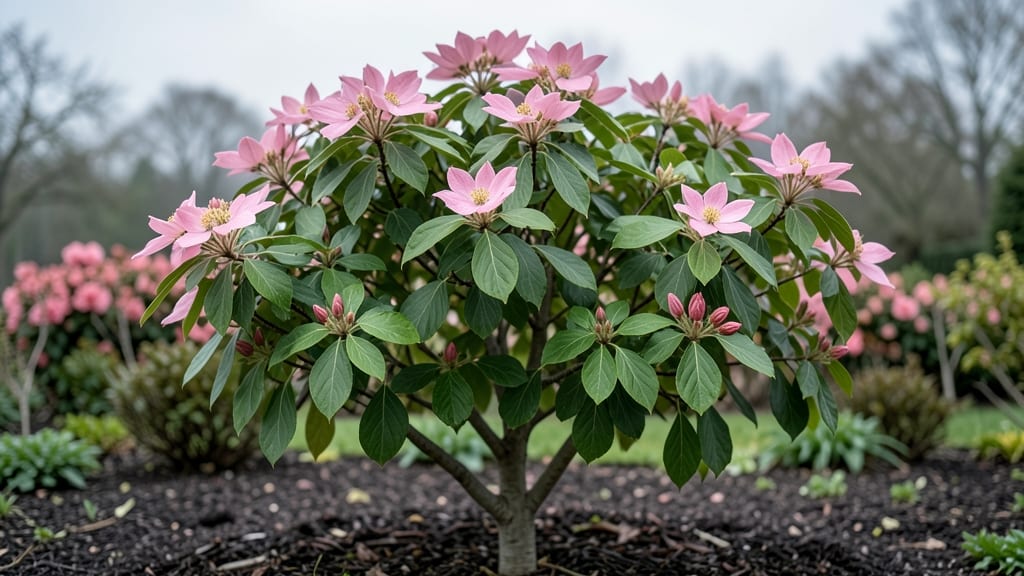
Pink dogwood tree images steal every spring show with their shockingly lush pink blooms that look like nature’s own chandeliers. 🌸 I’ve watched mine transform my backyard from a quiet corner to the centerpiece of the neighborhood—its delicate petals lasting weeks longer than most spring flowers.
The magic doesn’t end there: in summer, its deep green leaves provide shade, while winter reveals striking bark texture that adds winter interest. Pair it with ferns for contrast or azaleas for layered color, and you’ll create a garden that feels like a postcard all year.
This tree thrives in partial shade, making it perfect for understory planting or as a dramatic focal point near patios. Just prune lightly after blooming to maintain its natural shape—no harsh cuts needed. The result? A garden that feels effortlessly elegant.
Whether you’re designing a cottage garden or a modern landscape, pink dogwoods bring timeless charm. Their versatility means they work in borders, as a standalone specimen, or even in urban courtyards with the right space.
📚 In This Guide
- What you need
- Instructions
- Tips and common mistakes
- Wrapping up and next steps
What you need
- ● High-quality camera or smartphone (with a macro lens or zoom capability for close-ups)
- ● Tripod (lightweight but sturdy for stability)
- ○ Natural light reflector (optional: a white foam board or silver bounce card)
- ● Polarizing filter (reduces glare for vibrant colors)
- ● Memory card (minimum 32GB for high-resolution shots)
- ● Extra batteries (2-3, in case of long shoots)
- ● Pruning shears (bypass pruners, sharp and clean)
- ● Loppers (for thicker branches, 10-12 inch reach)
- ● Hand pruners (for precision cuts, ergonomic grip)
- ● Gloves (gardening gloves with cut-resistant palms)
- ● Disinfectant spray (70% isopropyl alcohol for tools)
- ○ Pruning sealant (optional: tree wound dressing for large cuts)
- ● Wide-angle lens (for dramatic landscape shots)
- ● Drone (with camera) (for aerial perspectives, check local regulations)
- ● Backdrop or fabric (for studio-style shots of cut flowers)
- ● Water spray bottle (to refresh petals for freshness)
- ● Notebook & pencil (to sketch compositions before shooting)
How to capture the seasonal beauty of pink dogwood trees
Pink dogwoods are nature's living masterpiece—here's how to photograph their stunning transformation.
📸 Step 1: Scout Locations for Peak Color
Pink dogwoods bloom best in full sun to partial shade, so look for trees in open meadows or along forest edges. I always check in early spring when the buds first swell—this is when the color contrast is most dramatic against bare branches. The best light for photos comes during the golden hours just after sunrise or before sunset, when the pink blossoms glow.
Bring a small notebook to sketch tree shapes and note any nearby landmarks. Dogwoods near water features or with interesting bark textures make stronger compositions. I avoid trees with heavy leaf litter on the ground—it distracts from the blossoms. The ideal tree has clean, unobstructed branches showing off the full bloom.
☀️ Step 2: Time Your Shoot for Optimal Bloom Stages
Pink dogwoods have a 3-4 week bloom window, so plan to visit multiple times. Early blooms have tight, rosy buds that open into delicate white centers—this stage creates beautiful bokeh effects. Mid-bloom shows the full pink canopy, perfect for wide shots. Late bloom reveals the bright red berries developing beneath the fading petals, adding a striking contrast.
Check your local hardiness zone—dogwoods in zones 5-9 typically bloom in April-May, while southern varieties may flower as early as March. I set calendar reminders for when 50% of local dogwoods are in bloom, as this is the sweet spot for photographs. Avoid windy days—the petals will blow everywhere and ruin close-ups.
🌿 Step 3: Compose Shots Using Natural Framing
Use the tree's natural elements to create depth. I often place the camera at the base of the tree and shoot upward to emphasize the height of the canopy. For dramatic effect, position yourself so the branches form an arch over a path or garden bed. The 10-20 foot spread of a mature dogwood makes it perfect for including people or benches in the foreground.
Look for complementary colors in the background—evergreen foliage or early spring greens create beautiful contrasts. I avoid including too much sky in the frame, as it can make the pink appear washed out. Instead, I focus on the tree's midsection where the blossoms are densest. A wide-angle lens (16-35mm) helps capture the full grandeur, while a 70-200mm lens isolates individual branches and flowers.
⏰ Step 4: Capture All Four Seasons for Complete Beauty
Dogwoods aren't just spring stars—they offer year-round interest. In winter, photograph the peeling bark and intricate branch patterns against snow. Early spring shows the bud break, while fall reveals stunning red foliage. I make it a habit to return to the same tree every season to document its complete lifecycle.
For winter shots, I wait for a light dusting of snow that doesn't weigh down the branches. In fall, the leaves turn brilliant red—this is when I use a polarizing filter to enhance the color saturation. I always include at least one shot of the tree's silhouette against a sunset sky, as this captures the dogwood's elegant form regardless of season.
📱 Step 5: Process Images to Enhance Natural Colors
Dogwood pinks often look more vibrant in person than in photos, so I use a slightly warm color profile in post-processing. I avoid heavy saturation—just enough to restore the natural pink tones that sometimes get muted in camera. The white balance should be set to shade for early morning shots or cloudy for afternoon light.
I always sharpen the edges of the petals and branches to make them stand out against the background. For wide shots, I use the dodge and burn technique to brighten the blossoms and darken the background foliage. The goal is to make the dogwood look like it's glowing—just as it does in person when bathed in morning sunlight.
Tips & tricks for capturing dogwood beauty
These little details make all the difference between a snapshot and a showstopping image.
Lighting is Everything: The golden hours—right after sunrise or before sunset—are your best friends. I’ve learned this the hard way after returning home with dull, lifeless shots. If you can’t shoot during these times, position yourself so the tree is backlit by soft, diffused light. This creates that magical glow without harsh shadows. For extra drama, try shooting on an overcast day when the sky acts as a natural diffuser.
Seasonal Timing Secret: Don’t just visit once! The 3-4 week bloom window means you can capture three distinct looks: early buds, full pink bloom, and late berries. I schedule my shoots by checking local bloom reports and setting reminders for when 50% of trees are in peak bloom. This ensures you get that perfect mid-bloom shot with the full pink canopy. For winter shots, wait for that light snowfall—just enough to dust the branches without weighing them down.
Composition Trick: Use the tree’s natural elements to create depth. I always scout locations where the dogwood’s 10-20 foot spread frames a path or bench. This adds scale and draws the viewer’s eye into the image. For close-ups, focus on the midsection where the blossoms are densest—this avoids the sparse outer branches. And here’s a pro move: include a single person in the foreground to emphasize the tree’s height and grandeur.
Post-Processing Wisdom: Dogwood pinks often lose vibrancy in photos, so I use a slightly warm color profile in editing. Avoid heavy saturation—just enough to restore those natural tones. For wide shots, I sharpen the edges of petals and branches while softening the background. This makes the blossoms pop against the foliage, just like they do in person when bathed in sunlight.
Pro Tips for Pink Dogwood Tree Images
- These little details make all the difference between a snapshot and a showstopping image.
- Lighting is Everything: The golden hours—right after sunrise or before sunset—are your best friends.
- Seasonal Timing Secret: Don’t just visit once!
Frequently asked questions
Got questions about pink dogwood trees and their stunning seasonal transformations? You’re not alone! Here are some of the most common queries—plus quick answers to help you care for (or simply admire) these showstopping trees.
When is the best time to see pink dogwood blooms?
The peak bloom time for pink dogwood trees (like Cornus florida) typically falls in late spring, around April to early May, depending on your climate. In warmer regions, blooms may appear earlier, while cooler areas might see them slightly later. Keep an eye out for buds swelling in early spring—they’re a sure sign of spring’s arrival!
Why do some pink dogwood trees have white flowers?
Not all pink dogwoods stay pink! Some varieties, like the ‘Cherokee Brave’ or ‘Rubra’, start pink but fade to white as they age. Others, such as ‘White Cloud’, are naturally white. Even the same tree can produce flowers in mixed shades due to genetics or environmental factors. It’s all part of their natural beauty!
Can I plant a pink dogwood tree in full shade?
Pink dogwoods thrive in partial shade to full sun, but they tolerate light shade—especially in hotter climates. However, too much deep shade can lead to sparse blooms or leggy growth. Aim for at least 4–6 hours of sunlight daily for the best results. If your yard is shady, choose a spot near a window or dappled sunlight area.
How do I encourage more pink blooms on my dogwood?
Prune your dogwood in late winter or early spring (before buds break) to remove dead or crossing branches. Avoid heavy pruning—dogwoods bloom on old wood, so focus on shaping rather than cutting back hard. Fertilize lightly in early spring with a balanced, slow-release fertilizer to support vibrant blooms. Patience is key—healthy trees reward you with stunning flowers year after year!
Are pink dogwood trees prone to pests or diseases?
While generally hardy, dogwoods can fall prey to dogwood anthracnose (a fungal disease causing leaf spots) or borers. To prevent issues, ensure good airflow, water at the base (not leaves), and remove fallen debris. If you spot problems, prune affected branches and apply fungicide if needed. Healthy soil and proper spacing go a long way in keeping your tree thriving!
Wrapping up and next steps
The pink dogwood tree is a stunning symbol of spring’s arrival, transforming from delicate buds into breathtaking blooms that brighten any landscape. Whether you’re capturing its beauty in photos or tending to its care, this tree offers year-round charm—from its vibrant flowers to its rich foliage. 🌸
Now that you’re inspired, why not plant one in your garden or share these images with fellow plant lovers? Start by choosing the perfect spot, gathering your tools, and giving your dogwood the love it deserves—your future blooms will thank you!