
Trees
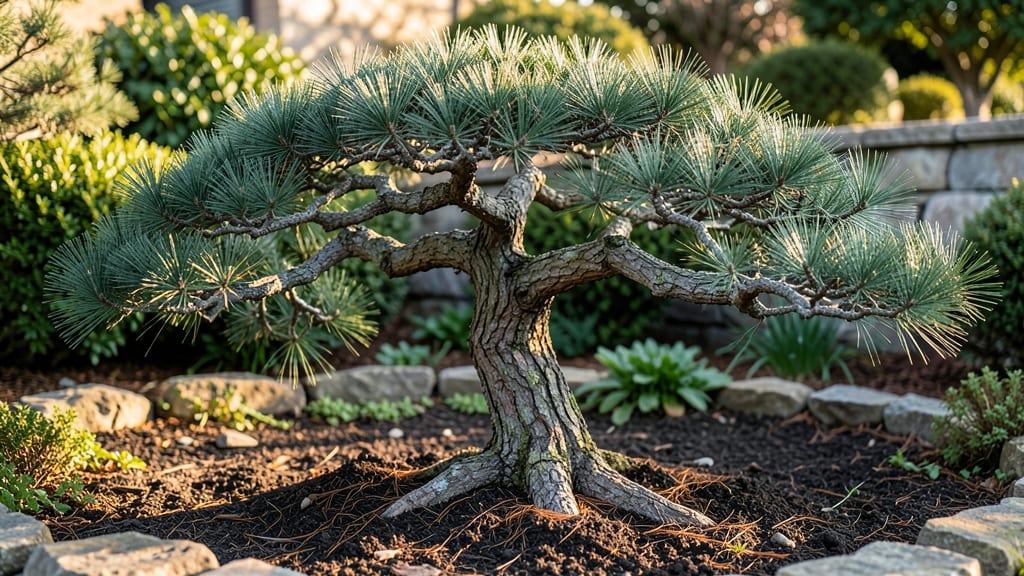
A sparse-branched evergreen can transform your garden into a serene, architectural masterpiece—no dense foliage required. 🌲 These trees create light-filled spaces, frame views, and add year-round structure without overwhelming smaller yards. I’ve used them to define pathways, anchor minimalist beds, and even create privacy with just their elegant silhouettes.
The magic lies in their natural form: think Pinus sylvestris (Scots pine) with its sweeping branches or Chamaecyparis lawsoniana (Lawson cypress) in its "Squarrosa" form, where feathery fronds emerge from sparse stems. These varieties thrive in full sun to partial shade and handle drought once established—perfect for low-maintenance designs.
Pair them with ground covers like Liriope or Sedum to soften the base while keeping the focus on their striking structure. You’ll love how they let sunlight filter through while providing seasonal interest—even in winter.
Their airy branches also create perfect perches for birds and shelter for small wildlife, turning a design element into an ecosystem. For a bold look, plant a single specimen as a focal point near a seating area, or line a driveway with them for a grand, uncluttered entrance.
Best of all, their minimalist appeal works in modern, cottage, or even Japanese-inspired gardens. Prune lightly to maintain their natural shape, and watch as they become the quiet backbone of your outdoor space—elegant, functional, and effortlessly chic.
Understanding Sparse Branch Growth
If your evergreen tree sports a sparse, airy canopy instead of the lush, full look you envisioned, don’t panic—there’s usually a logical (and fixable) reason behind it.
Below, we break down the most common causes, from natural growth patterns to environmental stressors, so you can diagnose the issue and take action.
Not all evergreens are created equal! Some species are genetically wired to grow with spread-out branches for sunlight efficiency or wind resistance. For example:
- Pines (e.g., Ponderosa, Scots Pine): These trees often grow in a pyramidal or open habit due to their whorled branching pattern, where new growth emerges in circular layers. If you planted a sapling expecting dense foliage, you might be disappointed—this is just their natural shape!
- Juniperus (Junipers): Many junipers, like the Sargent or Blue Rug varieties, are bred for horizontal, sprawling growth rather than vertical density. Their sparse look is intentional for landscape design.
- Mature vs. Young Trees: Young evergreens often look sparse because they’re still establishing their root systems and canopy. Patience is key—some species (like Thuja occidentalis) fill in over 10–15 years.
Actionable Tip: If you love the species but hate the sparse look, prune strategically to encourage denser growth (more on this later). Otherwise, embrace the tree’s natural elegance—it might be designed for minimalist spaces!
Evergreens are tough, but they’re not invincible. When conditions go awry, their branches can thin out as the tree conserves energy or sheds damaged foliage. Here’s what’s likely causing the problem:
💧 Water Woes: Too Much or Too Little
Evergreens hate soggy roots or drought stress, both of which trigger foliage dieback.
- Overwatering: Poor drainage or heavy clay soil can drown roots, leading to yellowing needles and branch death. Evergreens like Arborvitae are especially sensitive.
- Underwatering: Drought-stressed trees drop needles to survive, leaving bare branches. This is common in hot, dry climates or during summer heatwaves.
Fix It:
- 🔍 Check soil moisture 2–3 inches below the surface. If dry, water deeply once a week (more in extreme heat).
- 🌧️ Improve drainage by amending soil with compost or sand or installing a French drain if water pools.
- 💧 Mulch properly: Apply 3–4 inches of mulch (wood chips or pine straw) to retain moisture without suffocating roots.
🌡️ Temperature & Sun Exposure
Evergreens thrive in specific climate zones, and pushing them beyond their limits leads to sparse, sun-scorched branches.
- Heat Stress: Intense afternoon sun (especially in Zone 7+) can bleach or crisp needles, causing branches to look brown and brittle.
- Cold Damage: Freeze-thaw cycles or winter desiccation (common in windy areas) dry out needles, leading to bare patches.
- Poor Air Circulation: Trees planted too close to buildings or other foliage suffer from fungal diseases (like cytospora canker), which kill branches.
Fix It:
- ☀️ Provide afternoon shade with a light fabric shade cloth (30–50%) during peak heat.
- ❄️ Protect from winter winds by planting near a windbreak (like a fence or hedge).
- 🌿 Space trees properly: Follow planting guidelines (e.g., 6–10 feet apart for medium evergreens).
🌿 Nutrient Deficiencies Starve the Tree
Evergreens are heavy feeders, and poor soil quality leads to weak, sparse growth. Look for these signs:
- Yellow needles (chlorosis) = Iron or nitrogen deficiency.
- Purple or red foliage = Phosphorus deficiency.
- Slow growth + thin branches = General malnutrition.
Fix It:
- 📊 Test your soil (use a home kit or lab test) to identify deficiencies.
- 🌱 Amend soil annually with:
- Slow-release fertilizer (e.g., 10-10-10 in early spring).
- Compost or aged manure for organic matter.
- Sulfur or iron supplements if chlorosis is severe.
- 💡 Top-dress with pine needles or wood chips to acidify soil (ideal for pines, spruces).
Insects and pathogens target weak or stressed evergreens, leading to dead branches and sparse foliage. Common culprits:
🐜 Insect Infestations
- Spider Mites: Tiny pests that web and suck sap, causing bronzing or stippled needles.
- Bagworms: Caterpillars that spin silk bags on branches, defoliating entire sections.
- Aphids & Scale Insects: Cluster on new growth, stunting branches and secreting sticky honeydew (which attracts sooty mold).
🍄 Fungal & Bacterial Infections
- Root Rot (Phytophthora): Waterlogged soil leads to mushy roots and branch dieback.
- Cytospora Canker: Fungal oozing cankers on branches, common in wounded or stressed trees.
- Needle Cast (Rhizosphaera): Fungal spores discolor and drop needles, leaving bare patches.
Fix It:
- 🔍 <
Revive your tree’s full potential
If your evergreen has sparse branches, don’t despair—most issues can be fixed with the right care. Below, we’ll tackle the most common causes and provide step-by-step solutions to help your tree regain its lush, elegant form.
Think of this as a green thumb’s troubleshooting guide to bring back that minimalist charm with fuller, healthier branches.
If your tree looks like it’s been sheared too aggressively, it’s likely suffering from overpruning. This can stunt growth, reduce foliage density, and leave it looking bare. The good news? Pruning is a skill that improves with practice—and your tree can bounce back!
How to Fix It
🔥 Step 1: Assess the Damage
- Examine the tree’s structure. Look for thinning (where branches are spaced too far apart) or deadheading (where too many branches were cut back).
- Avoid pruning in late fall or winter—this is when trees are most vulnerable to stress.
🍳 Step 2: Prune Strategically
- Remove only what’s necessary: Focus on dead, diseased, or crossing branches first. Never cut more than 25% of the tree’s foliage in one season.
- Thin out selectively: Instead of shearing, use selective thinning to open the canopy and improve airflow. Aim for a natural, layered look—this mimics how trees grow in the wild.
- Use the right tools: Sharp, clean pruners prevent jagged cuts that invite disease. For thicker branches, use a pruning saw.
👨🍳 Step 3: Encourage New Growth
- After pruning, apply a balanced, slow-release fertilizer (like a 10-10-10 or 20-20-20 formula) to support recovery.
- Water deeply after pruning to reduce stress. Mulch around the base (but not touching the trunk) to retain moisture.
💡 Pro Tip: If your tree is young, avoid heavy pruning altogether. Let it grow naturally—minimalist landscapes thrive on organic structure!
Evergreens need full sun to partial shade (typically 4–6 hours of direct sunlight daily). If your tree is in a shady spot, it may struggle to produce dense foliage, leading to sparse branches.
How to Fix It
🌡️ Step 1: Evaluate Sun Exposure
- Observe your tree’s location from sunrise to sunset. If it’s in deep shade (e.g., under tall buildings or dense trees), it’s likely the culprit.
- Test the light: Use a light meter app or simply watch how sunlight moves across the yard over a week.
🎯 Step 2: Relocate or Supplement Light
- If possible, transplant the tree to a sunnier spot. Evergreens like arborvitae, junipers, or pines can handle full sun—just water them well during the transition.
- If relocation isn’t an option, supplement with grow lights (especially for container-grown evergreens). Use a full-spectrum LED grow light for 6–8 hours daily.
✨ Pro Tip: If your tree is in a container, move it to a south-facing patio or balcony during the growing season (spring and summer).
Watering issues are a top reason for sparse, weak branches. Too little water stresses the tree, while too much can suffocate roots and lead to fungal problems.
How to Fix It
🔥 Step 1: Check Soil Moisture
- Stick your finger 2–3 inches into the soil. If it’s dry, water deeply. If it’s soggy, hold off and improve drainage.
🍳 Step 2: Adjust Your Watering Routine
- For drought stress: Water slowly and deeply (1–2 inches per week, more in extreme heat). Use a soaker hose or drip irrigation to avoid runoff.
- For overwatering: Let the soil dry out between waterings. If the area is waterlogged, consider amending the soil with compost to improve aeration.
👨🍳 Step 3: Improve Drainage
- If your tree is in a container, ensure the pot has drainage holes and use a well-draining mix (e.g., 60% potting soil, 30% perlite, 10% sand).
- For in-ground trees, add organic mulch (like pine bark) around the base (keep it 3–4 inches away from the trunk) to retain moisture without smothering roots.
💡 Pro Tip: Mulch properly—a 3-inch layer is ideal. Too much mulch can trap moisture and harm the tree.
Pests like spider mites, aphids, or bagworms can defoliate evergreens, leaving branches bare. Fungal diseases (like root rot or needle blight) can also weaken growth.
How to Fix It
🔪 Step 1: Identify the Problem
- Pests: Look for webbing, tiny bugs, or yellowing needles. Common culprits include:
- Bagworms (pouch-like nests on branches)
- Spider mites (fine webbing on undersides of needles)
- Aphids (sticky residue on branches)
- Diseases: Check for discolored needles, mold, or soft, mushy stems.
⏰ Step 2: Treat the Issue
- For pests:
- Manual removal: Handpick bagworms or spray with soapy water (1 tsp mild dish soap + 1 quart water).
- Neem oil: A natural, organic pesticide that works against mites and aphids. Spray every 7–10 days until pests are gone.
- Beneficial insects: Introduce ladybugs or lacewings to control aphids naturally.
- For diseases:
- Prune infected branches 1–2 inches below the damage and dispose of them.
- Apply fungicide: Use a copper-based fungicide for fungal issues, following label instructions.
💡 Pro Tip: Prevent future infestations by keeping your tree healthy and well-watered. Healthy trees are less susceptible to pests and diseases!
If your evergreen’s soil lacks essential nutrients, it may struggle to produce dense foliage. Common deficiencies include nitrogen (for green growth), phosphorus (for root development), and iron (for needle health)
.
How to Fix It
📊 Step 1: Test Your Soil
- Use a home soil test kit or send a sample to a local extension office for analysis. This will reveal pH levels and nutrient deficiencies.
💪 Step 2: Amend the Soil
- For acidic-loving evergreens (like pines or spruces), maintain a pH of 5.0–6.5. Add sulfur or peat moss if the soil is too alkaline.
- For nutrient-poor soil, apply:
- Organic matter: Compost or well-rotted manure improves soil structure.
- Slow-release fertilizer: Use a balanced evergreen fertilizer (like 12-4-8) in early spring.
🥗 Step 3: Feed Regularly
- Fertilize tw
Frequently asked questions
What's the best evergreen tree with sparse branches for small yards?
Juniperus virginiana 'Glauca' (Blue Rug Juniper) is perfect for small spaces—it grows horizontally with feathery branches that stay sparse and elegant. Another great choice is Chamaecyparis lawsoniana 'Squarrosa', which has delicate, airy fronds that create a light, airy look. Both thrive in full sun and stay compact.
Can I prune an evergreen with sparse branches to make it denser?
Yes, but only if the tree is healthy! Prune in late winter or early spring by removing 1/3 of the oldest, thinnest branches to encourage new growth. Avoid heavy pruning—focus on selective thinning to maintain its natural shape. Never prune more than 25% of the foliage at once.
How do I pair sparse-branched evergreens with other plants?
Use low-growing ground covers like Liriope or Sedum to soften the base while keeping the focus on the tree’s structure. For contrast, plant ornamental grasses (e.g., Miscanthus) nearby—their movement complements the tree’s stillness. In containers, pair with dwarf boxwoods for a tidy, minimalist look.
Why does my evergreen look sparse even after years of growth?
Some species (like Pinus sylvestris) naturally grow with sparse branches due to their whorled branching pattern. Others may suffer from underwatering, poor soil, or nutrient deficiencies. Test your soil and check moisture levels—evergreens need consistent watering (1–2 inches per week) and acidic, well-draining soil (pH 5.0–6.5).
Are sparse-branched evergreens good for privacy?
Not typically—these trees are more about aesthetic structure and light penetration than blocking views. For privacy, plant them in layers with taller, denser evergreens (like Thuja) behind them. Their airy branches create a soft, filtered barrier while still allowing sunlight through.