
Pruning
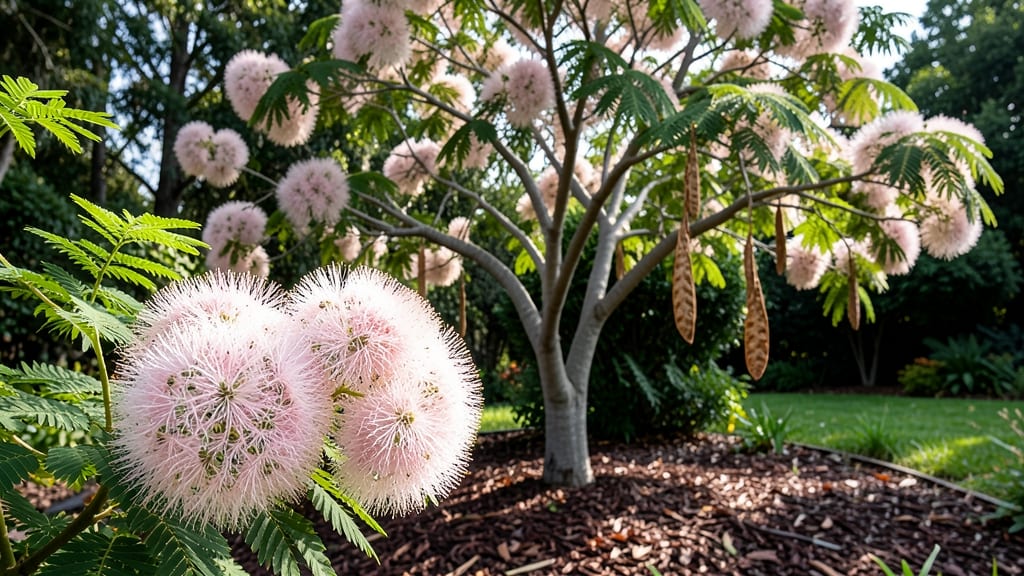
The persian silk tree uses include serving as a multi-purpose landscaping plant for creating shade, preventing soil erosion, and establishing fast-growing privacy screens in both urban and rural environments with minimal upkeep. Their delicate foliage and drought tolerance make them ideal for dry regions and pollinator-friendly gardens.
The persian silk tree uses are prized for their adaptability—they thrive in poor soil, tolerate urban pollution, and grow rapidly, reaching 15-30 feet in just a few years. 🌿 Their nitrogen-fixing roots improve soil health while their feathery leaves provide year-round interest.
Whether you need a quick privacy screen or a shade tree that requires little water, these trees deliver both beauty and practical benefits with ease.
Beyond their ornamental value, they serve functional roles like windbreaks and wildlife habitats. Their edible seed pods even attract birds and small animals, making them a great addition to eco-friendly gardens.
With proper spacing (20-30 feet apart) and occasional pruning, they maintain their shape while offering decades of service.
💡 In This Article
- How Persian Silk Trees Adapt to Harsh Conditions
- Top Landscaping and Functional Uses Beyond Aesthetics
How persian silk trees adapt to harsh conditions
The persian silk tree's resilience stems from its unique botanical adaptations, particularly its ability to thrive in drought conditions. Their deep root systems extend up to 10-15 feet below ground, accessing water deep in the soil while their compound leaves reduce water loss through a process called transpiration regulation.
The tree's ability to drop leaves during extreme drought (a trait called deciduousness) conserves moisture while still providing shade. 🌞 This makes them perfect for regions with 30-40 inches of annual rainfall or less, where many ornamental trees would struggle.
Their nitrogen-fixing capability comes from symbiotic bacteria in root nodules, which convert atmospheric nitrogen into usable forms for the plant. This not only supports the tree's rapid growth but also enriches the surrounding soil, improving conditions for neighboring plants.
Studies show persian silk trees can grow 3-5 feet per year under optimal conditions, outpacing many native species in poor soil. Their tolerance for urban pollution—including ozone and sulfur dioxide—makes them ideal for city planting along busy streets or industrial areas.
What truly sets them apart is their heat tolerance. Research from the USDA shows persian silk trees can withstand temperatures up to 105°F without significant stress, thanks to specialized leaf structures that reflect sunlight.
Their silvery undersides act like natural cooling systems, reducing leaf temperatures by 5-10°F compared to ambient air. This adaptation explains why they often outlive other shade trees in desert climates like Phoenix or Las Vegas, where summer highs routinely exceed 110°F. 🔥
Another key advantage is their adaptability to various soil types, from sandy desert soils to heavy clay. Unlike many trees that require well-draining soil, persian silk trees thrive in pH ranges of 5.0-8.0, making them versatile for different landscapes.
Their tolerance for both alkaline and acidic soils eliminates the need for soil amendments in most cases, reducing maintenance costs. This flexibility is why they're commonly used in restoration projects where soil quality has been degraded by erosion or construction.
For gardeners in challenging climates, persian silk trees offer a low-maintenance solution. Their ability to survive with 50% less water than average shade trees means they're perfect for xeriscaping projects. The trade-off? They may require occasional pruning to control their spread, as their roots can become invasive if unchecked.
However, this is a small price for their drought resistance and rapid establishment—often reaching 10 feet tall within 3-4 years of planting. 💫