
Pruning
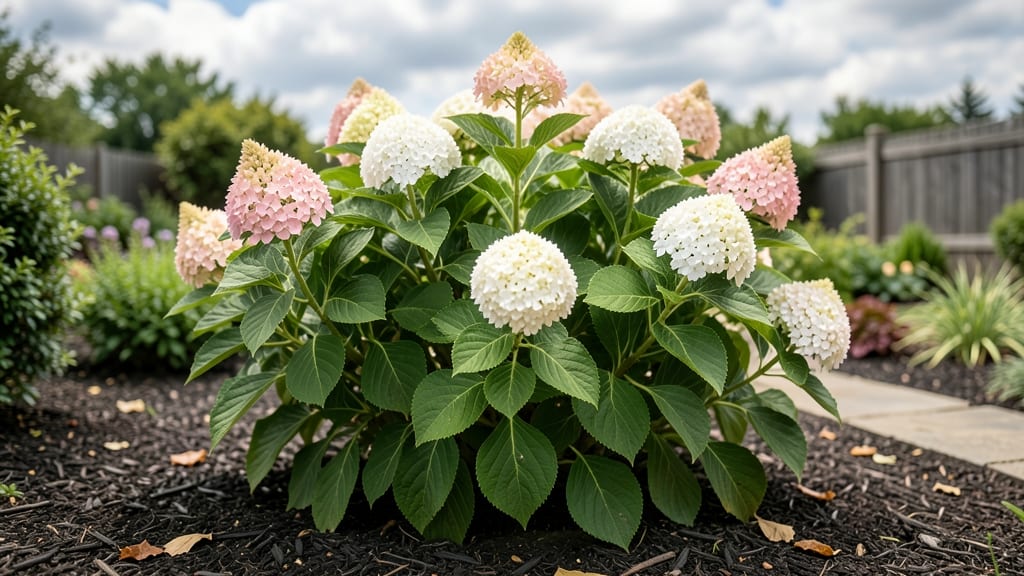
Growing a Pee Gee tree hydrangea means summer blooms that last from July through frost—those cone-shaped flowers are showstoppers. 🌿 I’ve watched mine transform from skinny stems to lush, flower-covered branches, and the secret lies in pruning at the right time.
Unlike mophead hydrangeas, these beauties bloom on new wood, so you can prune anytime without fear of losing flowers.
The key is sunlight and soil: plant in full sun for maximum blooms, and well-draining soil keeps roots happy. Water deeply once a week unless it rains, and mulch to retain moisture.
My Pee Gee thrives in zones 3-8, making it one of the hardiest hydrangeas around—no fuss, just stunning results.
With proper pruning, you’ll get longer stems and bigger blooms each year. The flowers start green, fade to white, and turn a soft pink—like a natural sunset. Plus, they attract pollinators all season long.
Works in borders, as a specimen plant, or even in containers. Here’s how to keep it thriving year-round—no green thumb required!
📚 In This Guide
- What you need
- Instructions
- Tips and common mistakes
- Wrapping up and next steps
What you need
- ● Pee Gee Tree Hydrangea (Hydrangea paniculata 'Grandiflora') – 1-3 plants (depending on desired size and spacing). Choose healthy, disease-free specimens from a reputable nursery.
- ● Well-draining soil – Aim for a mix of 60% topsoil, 30% compost, and 10% perlite or sand to prevent root rot.
- ● Organic mulch – 2-3 inches of wood chips, pine straw, or shredded bark to retain moisture and regulate soil temperature.
- ● Balanced fertilizer – 10-10-10 or 20-20-20 NPK ratio (apply in early spring and midsummer).
- ● Watering can or hose with a gentle spray nozzle – For deep, consistent watering (avoid overhead sprinklers to prevent fungal issues).
- ● Sharp bypass pruners – For clean cuts on stems up to ½ inch thick.
- ● Loppers – For thicker branches (½ to 1½ inches).
- ● Hand saw – For stubborn, larger stems (1½+ inches).
- ● Rubbing alcohol (70% or higher) – To sterilize tools between cuts and prevent disease spread.
- ○ Pruning sealant (optional) – For large cuts to minimize sap loss and pest entry.
- ● Garden gloves – Heavy-duty, cut-resistant gloves to protect your hands from thorns and sap.
- ● Sunlight – Full sun (6+ hours daily) for optimal blooms. Partial shade (4-6 hours) is tolerable but may reduce flower size.
- ● Spacing – Plant 10-15 feet apart for mature size (Pee Gee Hydrangeas can reach 12-15 feet tall and wide!).
- ● Timing – Prune in late winter or early spring (before buds swell) for best results.
- ● Patience – New plants may take 1-2 years to establish and produce abundant blooms.
Step-by-Step guide to pruning your Pee Gee tree hydrangea
This is the pruning schedule that keeps my Pee Gee hydrangeas flowering like crazy year after year.
✂️ Step 1: Prune Immediately After Blooming in Late Summer
Right after the flowers fade in late August or early September, grab your clean, sharp pruners and remove up to one-third of the oldest stems at the base. These are the ones that bloomed this season—they’re done for now. I always look for stems that are thicker and more woody compared to the newer growth.
The goal here is to encourage fresh, vigorous growth for next year’s blooms. Cut just above a bud or lateral branch to promote branching. Avoid cutting into old wood—you’ll know it’s the right spot when you see green bark and new growth buds.
✂️ Step 2: Light Pruning in Early Spring Before New Growth
In early March, when the ground is thawed but before any new shoots appear, do a light cleanup. Remove any dead, diseased, or crossing branches that could block sunlight or air circulation. I also trim back any stems that look weak or spindly—they won’t contribute much to the plant’s strength.
This is also the time to shape the plant if needed. Pee Gee hydrangeas naturally grow into a rounded form, but if yours is looking lopsided, now’s the time to guide it. Just snip back a few branches to encourage a fuller shape without overdoing it.
✂️ Step 3: Minimal Maintenance Pruning in Mid-Summer
Throughout June and July, keep an eye out for overly long or leggy branches that spoil the plant’s shape. Trim these back by one-third to encourage bushier growth. I usually do this in early morning when the plant is hydrated, so the cuts heal faster.
If you notice any flower clusters that are too crowded or weak, you can thin them out by removing a few stems. This lets the plant focus its energy on producing larger, showier blooms rather than a bunch of small ones.
⏰ Step 4: Avoid Winter Pruning—Let Nature Do Its Thing
Here’s the thing—never prune in winter. The Pee Gee hydrangea’s buds form on new wood, and cutting back in cold weather can remove next year’s flowers before they even have a chance to develop. Instead, I leave the plant untouched until late summer.
If you’re worried about frozen or damaged branches, wait until early spring to assess. Often, the plant will sprout new growth from the base, so don’t rush to cut anything. Patience here pays off with bigger, healthier blooms next season.
Tips & tricks for pruning Pee Gee tree hydrangeas
These simple tricks will help you keep your Pee Gee hydrangeas thriving with minimal effort.
Timing is Everything: The late August to early September window for Step 1 is critical—this is when the plant has finished blooming for the season and is ready to focus energy on next year's growth. I've seen gardeners miss this window and end up with fewer blooms the following year. Mark your calendar or set a phone reminder to avoid this common mistake.
Identify Old vs. New Growth: In Step 1, when selecting which stems to remove, look for the thickest, woodiest stems—they're the ones that bloomed this year. Newer growth is thinner and more pliable. I like to run my fingers along the stems: old wood feels rough and dry, while new growth is smoother and slightly springy. This visual trick makes pruning much easier.
Tool Prep Matters: Before you start pruning in any season, clean your pruners with rubbing alcohol to prevent spreading disease between cuts. I also recommend sharpening your blades annually—dull tools crush stems instead of making clean cuts, which can damage the plant. A quick wipe-down between each cut in Step 2 helps maintain plant health during your spring cleanup.
Mid-Summer Maintenance: When doing your June-July pruning in Step 3, focus on removing branches that are growing outward rather than inward. This opens up the plant's center to better air circulation and sunlight penetration. I think of it like giving your hydrangea a haircut—you're shaping it to be fuller and healthier from all angles.
Pro Tips for Pee Gee Tree Hydrangea
- These simple tricks will help you keep your Pee Gee hydrangeas thriving with minimal effort.
- Timing is Everything: The late August to early September window for Step 1 is critical—this is when the plant has finished blooming for the season and is ready to focus energy on next year's growth.
- Identify Old vs.
Frequently asked questions
Got questions about your Pee Gee Tree Hydrangea?
You’re not alone! Here are answers to the most common queries—from pruning puzzles to blooming secrets—to keep your plant thriving year-round.
When is the best time to prune my Pee Gee Tree Hydrangea?
The ideal window is late winter or early spring (before new growth starts). For year-round pruning, you can also trim lightly after blooming (summer) to shape the plant—but avoid heavy cuts then. Never prune in fall, as it removes next year’s flower buds!
Why aren’t my Pee Gee Tree Hydrangeas blooming?
If your plant skips blooms, it’s often due to over-pruning in fall or lack of sunlight. These hydrangeas bloom on old wood, so avoid aggressive cuts. Ensure it gets 6+ hours of sun and fertilize in early spring with a balanced, acidic fertilizer.
How much can I trim back my Pee Gee Tree Hydrangea?
You can safely cut back 1/3 of the plant in late winter, focusing on dead, diseased, or crossing branches. For shaping, trim just above a bud or leaf node. Avoid "topping" (cutting the main stem flat)—this stresses the plant. Pro tip: Use clean, sharp pruners to prevent damage!
Can I grow a Pee Gee Tree Hydrangea in a pot?
Yes! Choose a large container (at least 15 gallons) with drainage holes and acidic, well-draining soil. Move it outdoors in spring/summer and bring it inside (or protect from frost) in winter. Container plants may need more frequent watering and fertilizer.
What pests or diseases should I watch for?
Common issues include aphids, spider mites, or powdery mildew. Treat pests with neem oil or insecticidal soap. For mildew, improve airflow and avoid overhead watering. Yellow leaves? Often a sign of overwatering or nutrient deficiency. Adjust care and monitor!
Are there alternatives to Pee Gee Tree Hydrangeas?
If you love the look but want variety, try Limelight, Oakleaf, or Panicle Hydrangeas. Limelight has similar blooms, while Panicle varieties (like ‘Little Lime’) are more drought-tolerant. All thrive with similar pruning and sunlight needs!
Wrapping up and next steps
Transforming your garden with a Pee Gee Tree Hydrangea is a rewarding journey—one that thrives on patience, the right tools, and a little seasonal TLC. 🌿 With the knowledge of when and how to prune, you’ll enjoy vibrant blooms from summer to fall, year after year.
Now that you’re armed with the essentials, it’s time to roll up your sleeves and give your hydrangea the care it deserves!
🌱 Your Next Step:
- Mark your calendar for late winter or early spring—your first pruning session is just around the corner!
- Grab your shears and start small—confidence grows with practice.
- Watch your hydrangea thrive and share your progress with fellow gardening enthusiasts!