
Pruning
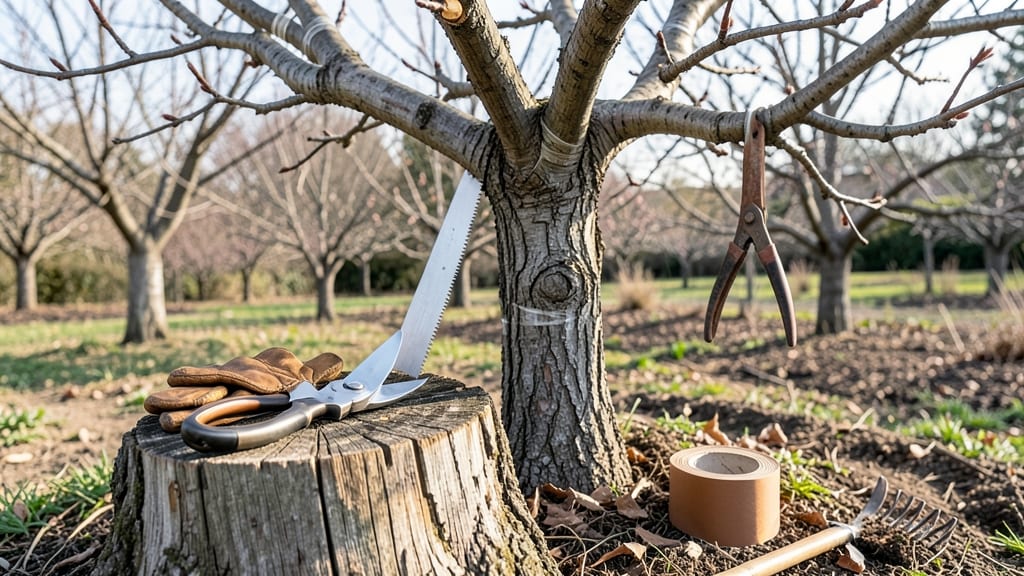
Pruning peach trees in Texas isn’t just about shaping—it’s about survival in brutal summer heat and relentless pests. ✂️ I’ve watched my tree go from struggling to thriving by mastering the right cuts at the right time, and the difference is night-and-day fruit production.
The key? Pruning when the tree is dormant but before spring growth explodes, and using techniques that open the canopy to airflow—critical for avoiding fungal diseases like brown rot.
You’ll need sharp pruning shears, a ladder (for taller branches), and disinfectant to prevent spreading disease between cuts. Texas-specific timing means starting in late winter (after the last frost, around February) and finishing by early spring before buds swell.
Avoid summer pruning—it stresses the tree and invites pests like peach tree borers, which are already a nightmare here.
By the end, your tree will have an open vase shape that lets sunlight reach all fruit and air circulate freely. That means fewer sunburned peaches, fewer pests hiding in dense branches, and a harvest that stretches from June through August—even in our scorching summers.
The secret is thinning out crowded branches while keeping the structure strong enough to support heavy fruit loads.
This method works for both young trees and mature ones, though young trees need more aggressive shaping in their first few years. If you’ve ever had a peach tree that produced a bumper crop one year and then collapsed the next, this is how you break that cycle.
Let’s get those branches trimmed right.
📚 In This Guide
- What you need
- Instructions
- Tips and common mistakes
- Wrapping up and next steps
What you need
- ● Pruning shears: Bypass pruners (sharp, 5- to 8-inch blades) for small branches.
- ● Loppers: 20-inch handles for thicker branches (up to 2 inches in diameter).
- ● Pruning saw: Curved-tooth saw for branches over 2 inches thick.
- ● Disinfectant: 70% isopropyl alcohol or diluted bleach (1 part bleach to 9 parts water) to sterilize tools between cuts.
- ● Gloves: Heavy-duty, cut-resistant (Texas thorns are no joke!).
- ● Ladder: Sturdy, extendable (if your tree is over 8 feet tall).
- ● Tarp or drop cloth: To catch debris and protect the ground.
- ○ Pruning sealant: Optional but helpful for large cuts (e.g., Tanglefoot Tree Wound Pruning Seal).
- ● Pole pruner: For high branches without a ladder.
- ● Rubbing alcohol wipes: Quick tool sterilization on the go.
- ● Marking spray: Bright paint to tag branches for removal.
- ● Work boots: With ankle support for uneven terrain.
- ● Sunscreen & hat: Texas sun + pruning = extra prep!
Instructions for pruning peach trees in Texas heat
Here’s how I shape peach trees for Texas summers—keeping them strong, open, and productive year-round.
✂️ Step 1: Prune in Late Winter When Dormant
Start pruning your peach tree in late February to early March when it’s still dormant but buds have begun swelling. Texas’s warm winters mean you’ll miss the traditional late-winter window if you wait too long. Look for tight, brown buds—these are ready to be shaped without risking frost damage.
Remove dead, diseased, or crossing branches first. These are easy to spot: dead wood is brittle and snaps when bent, while diseased branches may have blackened bark or oozing sap. Cut back to the main trunk or outward-growing branch at a 45-degree angle, about ¼ inch above a bud or lateral branch. This angle helps water run off and prevents rot.
🌿 Step 2: Open the Canopy for Airflow and Sunlight
Peach trees thrive in Texas’s intense sun, but they need good airflow to prevent fungal diseases like brown rot. Thin the canopy by removing up to 25% of the smallest, interior branches—these are the ones growing inward or rubbing against others. Focus on branches thinner than a pencil; they won’t produce much fruit anyway.
Leave 3-4 main scaffold branches spaced evenly around the trunk. These should be 6-12 inches apart and angled outward like spokes on a wheel. If branches grow too close together, one will eventually shade the other, reducing fruit quality. Use sharp pruning shears to make clean cuts—ragged edges invite disease.
☀️ Step 3: Shape for Heat Resistance and Fruit Access
Peach trees in Texas need a low, open center to handle summer heat and make harvesting easier. Cut back any branches growing straight up (called "water sprouts") to just above a lateral bud or side branch. These vertical shoots steal energy from fruit production and create dense shade where fruit rots.
For mature trees, shorten last year’s fruit-bearing branches by ¼ to ½ to encourage new growth. Look for last year’s growth—it’s thicker and often has leaf scars. Prune just above a bud facing outward to keep the tree’s shape open. Avoid cutting into old wood; peach trees fruit on new wood, so you want to stimulate fresh growth.
🪴 Step 4: Post-Prune Care for Texas Conditions
After pruning, seal all cuts larger than ½ inch with pruning sealant to prevent disease entry. Texas’s humidity and heat create the perfect storm for fungal infections, so don’t skip this step. Water the tree deeply—about 1 inch per week—to help it recover, but avoid overwatering, which can drown new roots.
Apply a balanced fertilizer (like 10-10-10) in early spring to support new growth. Mulch the base with 2-3 inches of organic mulch, keeping it 6 inches away from the trunk to prevent rot. This helps retain moisture and regulate soil temperature, which is critical in Texas’s extreme heat.
⏰ Step 5: Monitor and Adjust Through the Year
Check your tree monthly for suckers (shoots growing from the base or roots) and remove them immediately. Suckers drain energy from fruit production. In summer, prune any damaged branches caused by storms or pests—peach trees in Texas often face hail or borer damage.
By late fall, do a light cleanup prune to remove any dead wood or branches that grew out of shape during the season. This keeps the tree healthy and ready for another round of fruit production. With consistent pruning, your peach tree will stay open, productive, and resilient in Texas’s tough climate.
Tips & tricks for pruning peach trees in Texas heat
Here’s what I’ve learned after years of shaping peach trees in Texas’s brutal summers—these tricks keep your tree thriving and fruitful.
Timing is Everything: The late February to early March window is critical because Texas’s warm winters can trick trees into breaking dormancy early. If you prune too late, you risk encouraging new growth that won’t survive our sudden cold snaps. I always check for those tight, brown buds—when they’re ready, the tree is ready. If you miss this window, wait until after the last frost to avoid stressing the tree.
Cutting Technique Matters: That 45-degree angle isn’t just for looks—it’s about directing water away from the cut to prevent rot. Use sharp pruning shears (dull blades crush wood, inviting disease) and cut just above a bud or lateral branch. I’ve seen so many trees suffer from ragged cuts that became infection gateways. For branches thicker than a pencil, make a second cut slightly deeper to avoid tearing the bark.
Texas Heat Adaptations: The open canopy isn’t just about airflow—it’s about surviving our intense sun. I remove up to 25% of those small interior branches that would otherwise create a hot, humid microclimate where brown rot thrives. Leave those 3-4 main scaffold branches spaced like spokes on a wheel to maximize sunlight exposure while maintaining structure. In mature trees, shortening last year’s branches by ¼ to ½ stimulates new growth that’s better equipped to handle summer heat.
Post-Prune Care is Non-Negotiable: That pruning sealant on cuts larger than ½ inch isn’t optional—Texas’s humidity creates the perfect fungal buffet. I’ve lost trees to infections that started from seemingly minor cuts. Water deeply (1 inch per week) but avoid soggy soil, and that 2-3 inches of organic mulch (kept 6 inches from the trunk) is your best friend for moisture retention and temperature regulation during our extreme heat waves. Don’t skip the early spring fertilizer—your tree’s going to need that energy to bounce back.
Pro Tips for Peach Tree Pruning Texas
- Here’s what I’ve learned after years of shaping peach trees in Texas’s brutal summers—these tricks keep your tree thriving and fruitful.
- Timing is Everything: The late February to early March window is critical because Texas’s warm winters can trick trees into breaking dormancy early.
- Cutting Technique Matters: That 45-degree angle isn’t just for looks—it’s about directing water away from the cut to prevent rot.
Frequently asked questions
Got questions about pruning your peach tree in Texas? You’re not alone! Here are some of the most common concerns—plus expert answers to keep your tree thriving in the Lone Star State’s heat and humidity.
When is the best time to prune a peach tree in Texas?
Prune your peach tree late winter to early spring (February–March) before buds swell, while the tree is still dormant. Avoid pruning in summer or fall to prevent disease risks from open wounds. Pro tip: If you must prune in summer, do it early morning to reduce stress from heat.
How much can I cut back a peach tree without harming it?
Remove no more than 25% of the tree’s canopy in a single pruning session. Over-pruning stresses the tree, especially in Texas’s intense heat. Focus on dead, diseased, or crossing branches first, then thin out crowded areas to improve airflow. Remember: Peach trees recover well if pruned correctly!
What should I do if my peach tree has pests or disease after pruning?
Pruning opens wounds, making trees vulnerable to pests like peach tree borers or fungal diseases (e.g., brown rot). Prevent issues by:
- Disinfect tools with rubbing alcohol between cuts.
- Seal large wounds with pruning sealant (optional for Texas’s dry climate).
- Monitor for pests and treat early with neem oil or insecticidal soap.
If you spot blackened leaves or oozing sap, act fast—Texas’s humidity accelerates spread!
Can I prune a young peach tree the same way as a mature one?
No! Young trees (1–3 years old) need structural shaping to establish a strong framework. Focus on:
- Removing suckers (shoots at the base).
- Opening the center for airflow.
- Avoiding heavy cuts—just guide growth.
Mature trees (4+ years) can handle renewal pruning to rejuvenate fruit production. Think of it like training a puppy vs. trimming a show dog!
Do I need to prune peach trees in Texas every year?
Yes, but light maintenance suffices for most years. Prioritize:
- Annual: Remove dead/diseased wood and thin crowded branches.
- Every 2–3 years: Reassess structure, especially if fruit production declines.
Texas’s heat can speed up growth, so stay vigilant—your tree’s shape directly impacts fruit quality!
Wrapping up and next steps
Pruning your peach tree in Texas isn’t just about shaping—it’s about strengthening your tree to thrive in the heat while maximizing fruit production. 🌞 By following the right techniques, timing, and tools, you’ll ensure a healthier tree and a bountiful harvest year after year. Now’s the perfect time to roll up your sleeves!
🌱 Your Next Step: Act Now
Start by assessing your tree’s needs—whether it’s winter dormancy pruning or summer shaping. Gather your tools, mark those cuts, and get pruning! For extra guidance, bookmark this article or share it with fellow Texas gardeners. Happy pruning, and here’s to a fruitful 2025! 🍑✨