
Pruning
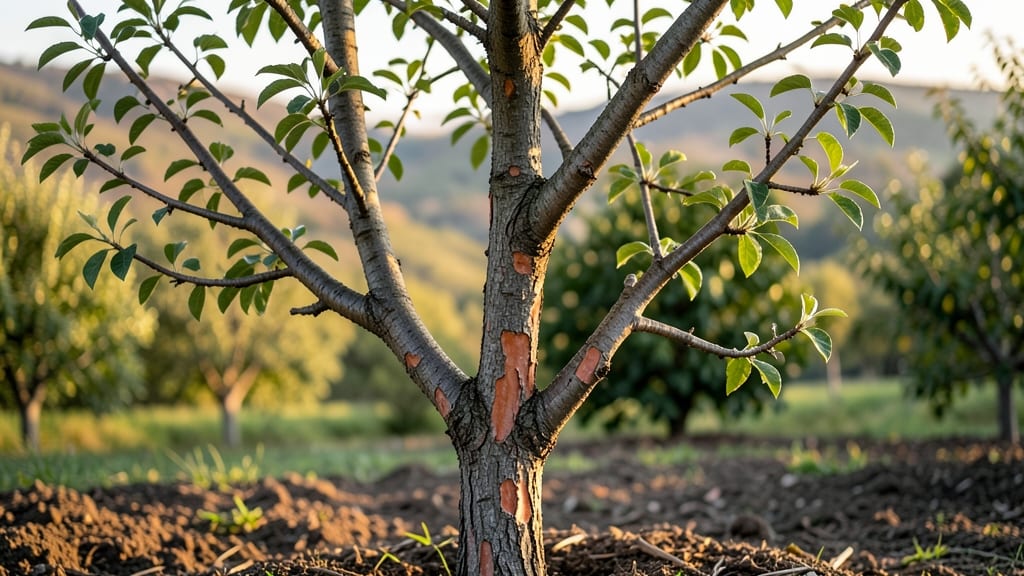
Peach tree bark peeling isn’t just unsightly—it’s a silent cry for help from your tree. 🌳 Over the years, I’ve watched peach trees go from lush and healthy to stressed and peeling, and the difference comes down to when and how you prune.
The right cuts keep bark intact, while the wrong ones invite pests, disease, or even sun scald.
Most peeling starts with environmental stress—too much sun, harsh winters, or poor watering—but pests like borers and fungal infections like silver leaf disease speed it up. I’ve seen trees recover after just one season of targeted pruning and care, but the key is acting fast.
Start by removing damaged bark with clean, sharp pruners, then focus on improving airflow and soil health.
You’ll notice the difference within weeks: new growth stays smooth, branches strengthen, and the tree starts looking like its old, vibrant self again. The trick is year-round maintenance—not just spring cleanups. Prune lightly in summer to encourage healing, and protect the trunk in winter with a wrap or mulch.
When in doubt, call an arborist—some damage (like deep borer holes or advanced fungal spread) needs professional help. But for most peeling bark, these simple steps work wonders. Let’s get your peach tree back to healthy, peeling-free glory.
Root Causes Of Bark Peeling
Understanding why your peach tree’s bark is peeling is the first step to fixing it. Peeling bark isn’t just cosmetic—it can signal stress, disease, or environmental damage. Below, we break down the most common culprits and the science behind them, so you can take action before it’s too late.
Peach trees are sensitive to rapid temperature swings, especially between hot days and freezing nights. When bark expands and contracts too quickly, it weakens the outer layer, leading to peeling or cracking.
- How it happens:
- Winter freeze-thaw cycles cause moisture trapped in the bark to expand (as ice) and contract (as water), creating microscopic fractures.
- Summer heatwaves dry out the bark, making it brittle and prone to splitting.
- Urban heat islands (where pavement absorbs heat) can bake tree trunks during the day while night temps drop sharply.
- What to watch for:
- Peeling starts at the south or west side of the trunk (most exposed to sun).
- Bark may appear dry, flaky, or sunken in patches.
- 💡 Pro Tip:
- Mulch heavily (3–4 inches of organic mulch) to insulate roots and stabilize soil temps.
- Avoid pruning in late summer/fall—new growth is more vulnerable to winter damage.
Fungi like bacterial leaf scorch, silver leaf fungus, or even peach leaf curl can weaken bark integrity, causing it to peel or slough off. These pathogens thrive in moist, stressed trees and often enter through wounds.
- How it happens:
- Peach leaf curl (Taphrina deformans) infects buds and young leaves, but its spores can also weaken bark over time.
- Silver leaf disease (Chondrostereum purpureum) causes a shiny, silver sheen on leaves and decays the cambium layer under the bark.
- Bacterial cankers (Pseudomonas syringae) create oozing wounds that expand, killing bark tissue.
- What to watch for:
- Dark, sunken lesions under peeling bark.
- Gummy sap or fungal growth (moldy white/pink patches).
- Wilting leaves despite adequate water.
- 🔥 Action Step:
- Prune infected branches 6+ inches below the damage (fungi spread upward).
- Apply copper fungicide in early spring before buds swell.
- Remove and destroy heavily infected bark (do not compost).
Insects like peach tree borers, bark beetles, and scale insects don’t just feed on leaves—they tunnel into the bark, disrupting nutrient flow and causing peeling or blistering.
- How it happens:
- Peach tree borers (Synanthedon exitiosa) lay eggs in cracks; larvae burrow into the cambium, creating S-shaped galleries that girdle the tree.
- Scale insects (Quadraspidiotus perniciosus) secrete honeydew, which attracts sooty mold, smothering bark and promoting peeling.
- Squirrels or rabbits may gnaw bark in winter, creating wounds where pathogens enter.
- What to watch for:
- Sawdust-like frass (insect droppings) at the base of the trunk.
- Small holes or tunnels in the bark.
- Sticky residue (honeydew) on leaves or trunk.
- ✨ Prevention Hack:
- Wrap young trunks with tree guard (not plastic wrap) to deter gnawing pests.
- Apply horticultural oil in late winter to smother scale and borer eggs.
- Encourage natural predators (ladybugs, parasitic wasps) by avoiding broad-spectrum pesticides.
Aggressive or improper pruning can damage the bark’s protective layer, making it susceptible to peeling. Even well-meaning cuts can leave wounds that never heal properly.
- How it happens:
- Topping or heading back (cutting too close to a branch collar) creates large, jagged wounds that bark can’t seal.
- Using dull tools tears bark instead of making clean cuts.
- Pruning during wet weather increases risk of bacterial infection in open wounds.
- What to watch for:
- Ragged edges on pruning cuts (instead of smooth, angled cuts).
- Peeling starts at pruning sites within weeks.
- Sunken or dead wood where cuts were made.
- 👨🍳 Step-by-Step Fix: 1. Only prune in dry weather (avoid rain for 24 hours before/after). 2. Use sharp bypass pruners—never hedge trimmers or bow saws.
- Make cuts at the branch collar (the swollen area where branch meets trunk).
- Seal large wounds (2"+ diameter) with pruning sealant (for trees under stress).
Too much or too little water can cause bark to peel. Overwatering leads to root rot and fungal growth, while drought stress makes bark brittle and prone to splitting.
- How it happens:
- Overwatering saturates the soil, promoting Phytophthora root rot, which weakens the tree’s ability to transport nutrients to the bark.
- Underwatering causes xylem cavitation (air bubbles in water-conducting vessels), starving the bark of moisture and causing it to dry out and flake.
- Splash irrigation (from sprinklers) can erode bark at the base of the trunk.
- What to watch for:
- Mushrooms growing at the base (sign of root rot).
- Wilting leaves that don’t recover even after watering.
- Bark peeling in a ring pattern (common with girdling roots).
- 🌡️ Watering Goldilocks Rule:
- Deep water 1–2 times per week (1–1.5 inches per session).
- Use drip irrigation to avoid wetting the trunk.
- Mulch to retain moisture but keep mulch 6 inches away from the trunk.
How to Fix and Prevent Peeling Bark
Peeling bark on your peach tree isn’t just unsightly—it can signal underlying stress or disease. But the good news? Most causes are manageable with the right care.
Below, we’ll break down practical fixes for common triggers, from environmental factors to pest pressure, plus preventive steps to keep your tree healthy year-round.
1. Sun Scald or Winter Injury
Cause: Harsh winter sun or temperature swings damage exposed bark, causing it to peel or crack. Fix: - 🌡️ Apply protective wraps in late fall (before temps drop below 20°F).
Use tree wrap (not plastic) or burlap to shield the trunk. - 💧 Water deeply before winter to reduce stress.
Mulch the base with 2–4 inches of organic mulch (wood chips or straw) to insulate roots. - ⏰ Prune strategically in late winter/early spring—avoid heavy cuts that expose fresh bark to cold.
Prevention Tip: 🌳 Plant windbreaks (like evergreens) on the tree’s southwest side to block winter sun.
2. Pest Damage (Boring Insects or Scale)
Cause: Bark-eating insects (e.g., peach tree borers, scale) create tunnels or sticky residue, leading to peeling. Fix: - 🔪 Scrape off infestations with a putty knife (focus on cracks or peeling areas).
Dispose of debris far from the tree. - 🍃 Spray with horticultural oil (like neem oil) in early spring (before buds swell) or late fall to smother eggs/larvae. - 🐛 Set up traps: Place pheromone traps for borers in early summer to monitor populations.
Prevention Tip: 💡 Encourage natural predators—ladybugs and parasitic wasps love scale insects. Plant dill or fennel nearby to attract them.
3.
Fungal Infections (Bark Canker or Silver Leaf) Cause: Fungi like Fusarium or Stereum thrive in wet bark, causing discoloration and peeling. Fix: - 🧹 Prune infected branches 12 inches below the lesion (sterilize tools with 70% alcohol between cuts). - 🍄 Apply copper fungicide (like Bordeaux mixture) in early spring or after rain to prevent spread. - 🌧️ Improve airflow: Thin dense foliage to reduce humidity near the trunk.
Prevention Tip: ✨ Avoid overhead watering—use drip irrigation to keep bark dry.
4.
Physical Damage (Tools, Animals, or Lawn Equipment) Cause: Scrapes from mowers, gnawing animals, or rough pruning expose bark to disease. Fix: - 🛡️ Protect the trunk with a tree guard (metal or plastic) if animals (like rabbits or deer) are a problem. - 🪓 Seal minor wounds with pruning sealant (only for cuts > ½ inch wide).
For larger damage, let it heal naturally—sealant can trap moisture. - 🚜 Create a "no-mow zone" with mulch around the base to prevent lawn equipment damage.
Prevention Tip: 🎯 Mark the tree’s drip line with flags or spray paint to remind gardeners to avoid the trunk.
5.
Nutritional Deficiencies (Potassium or Calcium) Cause: Poor soil health leads to weak bark that peels easily. Fix: - 📊 Test your soil (use a DIY kit or lab test) and amend with: - Potassium: Wood ash or greensand. - Calcium: Crushed eggshells or lime (if soil is acidic). - 🌱 Feed in early spring with a balanced fertilizer (10-10-10) and compost worked into the top 6 inches of soil.
Prevention Tip: 💪 Mulch annually with well-rotted manure or leaf mold to boost soil fertility.
6.
Over-Pruning or Improper Cuts Cause: Aggressive pruning (especially in late summer/fall) stresses the tree, leading to bark peeling. Fix: - ⏰ Prune at the right time: Late winter/early spring (when the tree is dormant but before buds swell). - 👨🍳 Use sharp tools: Make cuts at a 45° angle just outside the branch collar (never leave stubs). - 🌿 Thin selectively: Remove crossing branches or deadwood—avoid cutting > 25% of the canopy in one year.
Prevention Tip: 🔥 Never prune wet wood—wait until cuts are dry to assess health.
To keep peeling at bay, follow this seasonal care plan:
| Season | Task | Why It Helps |
|---|---|---|
| Winter | Wrap trunk, check for pests | Protects from sun scald and borers |
| Early Spring | Prune, apply fungicide, fertilize | Boosts growth and prevents fungal spread |
| Summer | Mulch, water deeply, monitor pests | Reduces stress and keeps bark hydrated |
| Fall | Test soil, seal minor wounds, clean up | Preps tree for winter dormancy |
Final Pro Tip: 🌟 Observe your tree weekly—catching peeling early (before it spreads) makes fixes 10x easier. A healthy peach tree should have smooth, slightly rough bark—not flaking patches!
With these steps, your peach tree will stay strong, productive, and peel-free for years. 🍑🌳
Frequently asked questions about peach tree bark peeling
Is it normal for peach tree bark to peel as the tree matures?
Some natural peeling occurs as trees age, but excessive peeling isn't normal. Healthy mature peach trees should have smooth bark with minimal flaking. If you're seeing large patches peeling, it's usually a sign of stress—whether from environmental factors, pests, or improper care. Focus on improving soil health and protecting the trunk from temperature swings.
Can I save my peach tree if the bark is already peeling badly?
Yes, but act quickly! Start by removing any damaged bark with sterilized tools, then address the root cause (fungus, pests, or environmental stress). For severe cases, consult an arborist—some damage (like deep borer tunnels) requires professional treatment. With proper care, many trees recover fully within a growing season.
What's the best way to protect peach tree bark in winter?
Wrap the trunk with tree wrap (not plastic) before temperatures drop below 20°F. Add 3-4 inches of organic mulch around the base to insulate roots, and avoid pruning in late fall—this prevents exposing fresh bark to cold. Water deeply before winter to reduce stress from freeze-thaw cycles.
Will pruning help stop bark peeling?
Only if done correctly! Prune during late winter/early spring using sharp tools, and always make cuts at the branch collar. Avoid heavy pruning in summer/fall, as new growth is more vulnerable to peeling. Remove any dead or diseased branches first—they can spread problems to healthy bark.
How do I know if my peach tree's peeling bark is from pests or disease?
Check for these clues: Pest damage often shows as small holes, sawdust-like frass, or sticky honeydew. Fungal issues appear as dark lesions, gummy sap, or moldy growth under peeling bark. If you see either, treat immediately—pests and fungi spread quickly and worsen peeling.