
Pruning
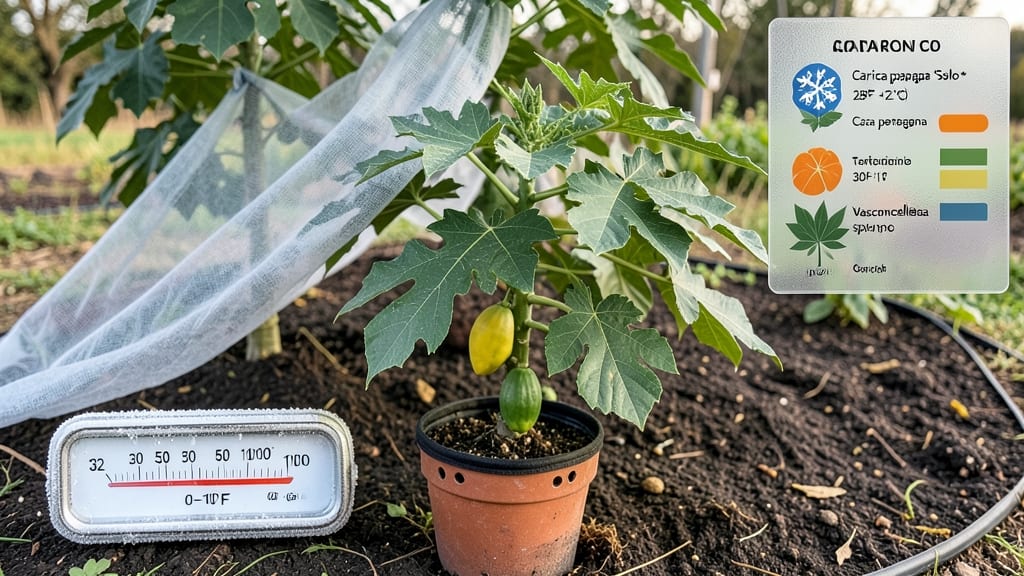
Papaya trees have surprisingly high cold tolerance—but only if you know the right tricks to shield them from frost. 🌱 I’ve nursed papaya plants through 28°F nights by combining heat sources, protective coverings, and a little extra TLC.
The key isn’t just survival; it’s keeping them productive enough to bear fruit again next season.
Start by moving your papaya indoors before temperatures dip below 50°F—a sunny windowsill or grow light works. If that’s not possible, wrap the pot in bubble wrap and cover the plant with frost cloth at night.
Mulch the base with straw to insulate roots, and consider a small space heater (safely placed) for extra warmth. Even tropical plants can bounce back with the right care.
Watch for cold damage: yellowing leaves, blackened stems, or stunted growth mean it’s time to act. Prune back damaged areas immediately and fertilize lightly to encourage new growth. With patience, your papaya can recover—though expect slower progress in cooler months. The payoff? A year-round tropical plant that keeps surprising you.
For long-term success, grow papayas in containers so you can move them indoors during winter. Choose dwarf varieties like ‘SunUp’ or ‘Tahitian,’ which handle cooler temps better than standard types.
And remember: papayas need full sun year-round, so supplement with grow lights if natural light fades. Your tropical oasis doesn’t have to be a summer-only dream.
📚 In This Guide
- What you need
- Instructions
- Tips and common mistakes
- Wrapping up and next steps
What you need
- ● Papaya tree (Carica papaya) – Choose a dwarf or cold-hardy variety (e.g., 'Solo' or 'SunUp') if possible.
- ● Well-draining potting mix – 5–10 gallons (for containers) or amended garden soil (for in-ground planting). Use a mix of peat moss, perlite, and compost (ratio: 3:1:1).
- ○ Large containers (optional but recommended) – 15–20 gallon pots with drainage holes for mobility.
- ● Cold frames or greenhouses – Low-cost polycarbonate or wooden frames (minimum 4’ x 4’ x 4’ for small trees).
- ● Thermometer (soil & air) – Digital probe type to monitor temps (avoid drops below 50°F/10°C).
- ● Mulch (straw, pine needles, or leaves) – 3–4 inches thick around the base (not touching the trunk).
- ● Frost cloth or row covers – Lightweight, breathable fabric (rated for 28°F/-2°C).
- ● Pruning shears – Sharp, sterilized bypass pruners (avoid dull tools that crush stems).
- ○ Rooting hormone (optional) – Cloning gel or powder if propagating cuttings for backup plants.
- ● Sunlight access – Ensure 6+ hours of direct sunlight daily (use grow lights if indoors).
- ● Warmth backup – Have a space heater or heat mat (set to 60°F/15°C) for extreme cold snaps.
- ● Watering can or hose – Drip irrigation preferred to avoid soggy roots.
- ● Patience & observation – Papayas are tropical; gradual acclimation is key (start hardening off 2–3 weeks before first frost).
Step-by-Step instructions for protecting papaya trees in cold climates
Here’s how to keep your tropical papaya thriving when temperatures drop—no matter how chilly your zone.
🌱 Step 1: Choose Cold-Hardy Varieties and Plant Strategically
Not all papayas handle cold equally. Opt for varieties like ‘SunUp’ or ‘Hawaiian Solo,’ which tolerate brief dips to 32°F better than others. Plant your tree in a south-facing location where it receives at least 6-8 hours of sunlight daily—this maximizes warmth absorption during cooler months.
Dig a hole twice as wide as the root ball but only as deep. The top of the root flare should sit 1-2 inches above soil level to prevent waterlogging, which cold-sensitive roots despise. Amend the native soil with 2-3 inches of compost to improve drainage and warmth retention.
☀️ Step 2: Extend the Growing Season with Protective Barriers
As temperatures approach 50°F, it’s time to act. Install a 4-foot-tall cold frame or hoop house over the tree using clear polycarbonate panels (they insulate better than plastic). Secure the frame with U-shaped stakes and bungee cords to allow airflow while trapping heat. This can raise soil temperatures by 10-15°F on chilly nights.
For extra insulation, wrap the trunk and lower branches with burlap or frost cloth after the first frost warning. Avoid plastic wrap—it traps moisture and encourages rot. Check daily for condensation buildup inside the protective layer and ventilate briefly if needed.
💧 Step 3: Adjust Watering and Fertilizing for Cold Stress
When temperatures drop below 60°F, reduce watering to every 5-7 days instead of weekly. Cold-stressed roots absorb moisture poorly, and soggy soil accelerates damage. Water deeply at soil level (not overhead) to encourage root growth toward warmth. You’ll know it’s working when the soil feels damp 2-3 inches down but not saturated.
Hold off on fertilizing entirely until spring warmth returns. Cold roots can’t process nutrients, and excess fertilizer burns them further. Instead, top-dress with 1-2 inches of mulch (straw or shredded leaves) around the base to insulate roots. Keep mulch 6 inches away from the trunk to prevent rot.
✂️ Step 4: Prune and Shelter During Freeze Events
If a hard freeze (below 32°F) is forecasted, prune back any new growth to woody stems—tender shoots won’t survive. Use clean, sharp pruners to make cuts at a 45-degree angle just above a leaf node. This redirects the tree’s energy to hardier branches and reduces wind exposure.
Move potted papayas to a garage or sunroom (if possible) before temperatures hit 40°F. If outdoors, cover the entire plant with a heavyweight frost blanket and secure it with bricks or stakes to prevent wind damage. Leave a small gap at the base for airflow—stagnant air traps cold.
🌿 Step 5: Monitor and Recover After Cold Exposure
After a freeze, inspect the tree for blackened or mushy leaves—these won’t recover. Remove them immediately to prevent disease. Look for new growth at the base or buds on the trunk; these are signs the tree is still alive. If the trunk feels soft or hollow, unfortunately, the tree likely didn’t survive.
Once temperatures stabilize above 60°F, resume normal care. Apply a balanced fertilizer (10-10-10) at half strength to help the tree rebound. Watch for pests like scale or mealybugs—cold stress weakens trees, making them vulnerable. A neem oil spray applied in the early morning prevents infestations without harming beneficial insects.
Tips & tricks for protecting papaya trees in cold weather
Keeping tropical papayas alive in chilly zones takes strategy—not just luck. Here’s how to give your tree the best shot at survival when temperatures drop.
Location is Everything: That south-facing spot in Step 1 isn’t just about sunlight—it’s about capturing radiant heat during the day and releasing it slowly at night. If your yard lacks ideal orientation, consider a raised bed on the warmest part of your patio or deck. Even a few extra degrees from concrete or brick can make the difference between survival and failure when temps flirt with 32°F.
Cold Frame Construction Secrets: When building your 4-foot-tall cold frame in Step 2, use double-walled polycarbonate panels instead of single-walled—they trap heat like a greenhouse while still allowing light penetration. For extra insulation, add a clear plastic bubble wrap layer on the inside of the panels. This adds another 5-10°F of protection on cold nights without altering the structure’s airflow.
Watering Precision: The 5-7 day watering schedule in Step 3 requires morning checks—never water in the evening when temps drop. Use a moisture meter to verify soil dampness at 2-3 inches deep; if it reads dry, water immediately. Cold roots need consistent moisture but hate soggy conditions. I’ve seen papayas survive 35°F nights when soil moisture was perfect, but fail at 40°F when overwatered.
Pruning Timing Matters: In Step 4, prune 2-3 days before a hard freeze forecast. This gives the tree time to seal its wounds naturally before cold sets in. Avoid pruning after a freeze—damaged tissue becomes entry points for rot and pests. If you must prune post-freeze, sterilize your tools with rubbing alcohol and make clean cuts to minimize stress.
Pro Tips for Papaya Tree Cold Tolerance
- Keeping tropical papayas alive in chilly zones takes strategy—not just luck.
- Location is Everything: That south-facing spot in Step 1 isn’t just about sunlight—it’s about capturing radiant heat during the day and releasing it slowly at night.
- For extra insulation, add a clear plastic bubble wrap layer on the inside of the panels.
Frequently asked questions
Got questions about keeping your papaya tree thriving in cooler weather? You’re not alone! Here are some of the most common concerns—plus practical solutions to keep your tropical beauty happy, even when temperatures dip.
How cold can a papaya tree tolerate before it dies?
A papaya tree typically struggles when temperatures drop below 50°F (10°C). Prolonged exposure to 40°F (4°C) or lower can cause severe damage, leaf drop, or even death. Young trees are especially vulnerable—always monitor forecasts and act fast if frost is forecasted!
What are the first signs of cold stress in a papaya tree?
Watch for yellowing leaves, wilting, or dark spots—these are early warnings. Other red flags include stunted growth, brown leaf edges, or fruit that turns mushy. If you spot these, move your tree indoors (if possible) or cover it with frost cloth immediately.
Can I grow a papaya tree indoors during winter?
Papayas thrive indoors with bright, indirect light (a south-facing window or grow lights work best). Use a well-draining pot and maintain 70–85°F (21–29°C) temperatures. Just avoid drafts—papayas hate sudden temperature swings! Pro tip: Rotate the pot weekly for even growth.
Are there cold-hardy papaya varieties?
Most papaya varieties are tropical, but ‘Solo’ and ‘Red Maradol’ are slightly more resilient. For colder climates, consider container growing and bringing the tree inside during winter. If you’re in a Zone 9–11, you might get away with outdoor planting—but always protect it from frost!
What should I do if my papaya tree gets frostbitten?
Act fast! Prune damaged leaves (sterilize shears first!), then water thoroughly to reduce stress. Move the tree to a sheltered, warm spot (like a garage or greenhouse) and avoid fertilizing until new growth appears. With care, it can recover—just be patient!
What’s a good alternative if my climate is too cold for papayas?
If papayas are too finicky for your zone, try figs, loquats, or citrus varieties like Meyer lemons—they’re more cold-tolerant but still pack tropical vibes. For a similar fruit, kiwi or passionfruit (in containers) can be a fun alternative!
Wrapping up and next steps
Growing papayas in cooler climates is absolutely doable with the right strategies! 🌱 By understanding their cold tolerance limits, using protective measures like mulching, greenhouses, or frost cloths, and selecting hardier varieties, you can nurture a thriving papaya tree even in chilly regions.
Remember, patience and proactive care are key—your tropical treasure will reward you with sweet, vibrant fruit when given the love it needs.
Ready to take the next step? Start small—plant a single tree in a protected spot, monitor its progress, and gradually expand as you gain confidence. Happy growing! 🌿