
Pruning
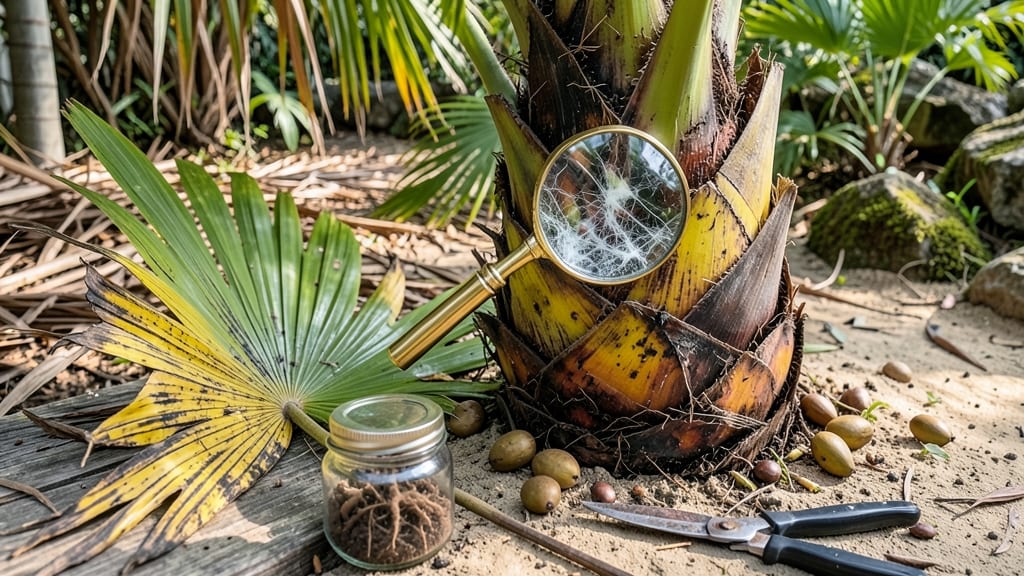
That palm tree killer—unwanted growth—isn’t just unsightly; it can signal serious trouble. ✂️ I’ve seen healthy palms turn into skeletal shadows in just a few seasons, and the culprit is often pruning done wrong.
The key isn’t just cutting back fronds; it’s understanding when, how, and why you prune to stop the rot before it starts.
Most gardeners over-prune, leaving the tree vulnerable to disease or under-prune, trapping moisture that invites pests like palm weevils. My first mistake? Trimming too late in the season, which left my tree exposed to winter chill.
The right technique keeps your palm strong, not stressed—think of it as a haircut that works with your tree’s natural defenses.
By the end, you’ll know exactly which fronds to remove (and which to leave), how deep to cut without damaging the trunk, and when to prune for your climate.
A well-pruned palm stays lush, resists pests, and grows stronger, not weaker—no more guessing games. Here’s how to do it right.
This works for all palm types, from Mediterranean dwarfs to towering Canary Island palms. The secret isn’t fancy tools—it’s timing, technique, and a little patience. Let’s fix that overgrown mess for good.
Root Causes Behind Sudden Decline
When palm trees start showing signs of distress—yellowing fronds, stunted growth, or even sudden death—it’s often the result of hidden stressors lurking beneath the surface. Understanding these root causes is the first step to preventing "palm tree killer" and restoring your tree’s health.
Let’s break down the most common culprits, backed by science, so you can take action before it’s too late.
Fungal pathogens like Phytophthora and Ganoderma (often called "palm tree root rot") thrive in waterlogged soil and weak root systems. These fungi block nutrient uptake, causing fronds to yellow and eventually kill the tree from the ground up.
- 🔍 How to spot it: Soft, spongy roots; brown, mushy stems at the base; and a foul odor near the trunk.
- 💡 Prevention:
- Improve drainage with organic matter (compost or pine bark).
- Avoid overwatering—palms prefer slightly dry soil between waterings.
- Use copper-based fungicides if fungal activity is confirmed.
Palm trees are tough, but extreme conditions can push them over the edge. Heat stress (especially in young trees) and cold snaps (below 30°F) damage cellular structures, leading to frond dieback. Even salt buildup from coastal winds or poor irrigation water can scorch roots over time.
| Stress Type | Signs | Solution |
|---|---|---|
| Heat Stress | Crispy, brown frond tips; wilting | Provide afternoon shade; mulch to retain moisture |
| Cold Damage | Blackened, mushy fronds; no new growth | Wrap young trees in burlap; avoid pruning before winter |
| Salt Buildup | Yellowing fronds; stunted growth | Flush soil with fresh water; use rainwater for irrigation |
Insects like palm weevils and sap-sucking scales may seem small, but they pack a punch. Palm weevils bore into the trunk, disrupting the vascular system, while scales excrete honeydew that attracts sooty mold, further stressing the tree.
- 🔍 How to spot them:
- Frass (sawdust-like debris) at the base of the trunk.
- Sticky residue on fronds (honeydew).
- Sudden frond collapse with no other obvious cause.
- 💡 Prevention:
- Inspect trees monthly for early signs.
- Apply neem oil or systemic insecticides at first sign of infestation.
- Remove and destroy heavily infested fronds immediately.
Palms need a balanced diet of magnesium, potassium, and nitrogen to thrive. Deficiencies often go unnoticed until fronds start yellowing (magnesium) or growing poorly (nitrogen). Over time, this weakens the tree’s immune system, making it vulnerable to other stressors.
📊 Quick Fix Guide:
| Deficiency | Symptoms | Solution |
|---|---|---|
| Magnesium | Yellowing between frond veins | Apply Epsom salt (magnesium sulfate) to soil |
| Potassium | Brown, brittle frond tips | Use a balanced palm fertilizer (6-6-6 or higher) |
| Nitrogen | Overall pale fronds; slow growth | Add compost or blood meal to soil |
✨ Pro Tip: Test your soil every 2–3 years to catch deficiencies early. Many nurseries offer affordable kits!
Fixing Overgrowth Before It Spreads
Now that you understand the root causes behind your palm tree’s rampant growth—whether it’s nutrient overload, poor pruning habits, or environmental stress—it’s time to take action. The good news?
With the right techniques, you can stop the "palm tree killer" (uncontrolled growth) in its tracks and restore balance to your tree. Below, we break down practical, step-by-step solutions tailored to each cause, plus prevention tips to keep your palm healthy long-term.
If your palm is growing too fast due to excessive nutrients, it’s time to reset the soil and adjust feeding habits.
🔥 Step 1: Flush the Soil
Over-fertilized palms often suffer from salt buildup, which burns roots and encourages weak, fast growth. - How to do it: Water the tree deeply for 10–15 minutes, 2–3 times per week for 2–3 weeks.
This helps leach out excess salts. - Pro tip: 💡 If your soil is heavily compacted, mix in 2–3 inches of organic matter (compost or peat moss) to improve drainage.
🍳 Step 2: Adjust Fertilizer Routine
- Reduce frequency: Switch to a balanced, slow-release fertilizer (e.g., 8-8-8 or 6-6-6) and apply only every 3–4 months (not monthly!).
- Use the right type: For palms, organic fertilizers (like fish emulsion or alfalfa meal) are gentler than synthetic ones.
- Avoid high-nitrogen blends (like lawn fertilizers), which promote leafy but weak growth.
👨🍳 Step 3: Prune Strategically
Fast growth from over-fertilizing often means long, floppy fronds.
Prune selectively to encourage stronger, slower growth: - Remove only the bottom 1–2 fronds (never more than ⅓ of the crown). - Cut just above a joint (where the frond meets the trunk) to prevent disease entry.
If your palm has ragged cuts, stubs, or excessive trimming, it’s likely suffering from pruning shock—which triggers compensatory growth (more fronds to replace lost ones).
🔪 Step 1: Inspect & Clean Cuts
- Look for: Jagged edges, stubs (leaving a "tooth" of trunk), or over-pruned sections.
- Fix it: Use sharp, sterilized pruners to make clean, angled cuts just above a frond attachment point.
- Disinfect tools with rubbing alcohol to prevent fungal/bacterial infections.
⏰ Step 2: Follow the "Rule of Thirds"
- Never remove more than ⅓ of the fronds at once. This prevents stress-induced growth spurts.
- Prioritize dead/diseased fronds first—healthy palms regulate growth better when not burdened by decay.
🌡️ Step 3: Post-Pruning Care
- Water deeply after pruning to reduce shock.
- Avoid fertilizing for 4–6 weeks—let the tree recover before feeding.
If your palm is growing unevenly or sporadically, it may be reacting to water stress, pests, or poor sunlight.
💡 Step 1: Check Watering Habits
- Overwatering? Let the top 2–3 inches of soil dry out between waterings.
- Underwatering? Palms in full sun need 1–1.5 inches of water per week (more in heatwaves).
- Pro tip: 🌡️ Mulch around the base (2–3 inches of wood chips) to retain moisture and regulate soil temp.
🐜 Step 2: Pest & Disease Control
- Common culprits: Palm weevils, spider mites, or fungal infections (like Ganoderma butt rot).
- Fix it:
- Inspect fronds for sawdust-like frass (weevil sign) or yellowing tips (mites).
- Spray neem oil (for mites) or apply systemic insecticide (for weevils).
- Remove infected fronds immediately and sterilize tools.
☀️ Step 3: Optimize Sunlight & Airflow
- Too much shade? Move the tree or thin nearby foliage to allow dappled sunlight.
- Poor airflow? Trim back overgrown branches from nearby trees/shrubs to reduce humidity (which fuels fungus).
Once you’ve corrected the issue, keep it from happening again with these easy maintenance habits:
| Problem | Prevention Fix | How Often |
|---|---|---|
| Over-fertilizing | Use slow-release fertilizer + soil test before applying. | Every 3–4 months |
| Poor pruning cuts | Sterilize tools + follow proper cuts. | Before each prune |
| Water stress | Mulch + check soil moisture. | Seasonally (spring/fall) |
| Pest infestations | Monthly inspections + neem oil spray. | Every 4–6 weeks |
| Uneven growth | Rotate palm (if potted) for even sunlight. | Every 2–3 months |
If your palm has:
- Large, hollow sections (sign of butt rot).
- Fronds withering despite care (possible vascular disease).
- Structural weakness (risk of splitting or falling).
Hire an ISA-certified arborist—they can diagnose hidden issues (like palm weevil larvae inside the trunk) and perform safe, professional pruning.
By following these targeted fixes, your palm will slow down its rapid growth, develop stronger fronds, and stay healthy for years. The key? Consistency—don’t let old habits creep back in! 🌴💪
Frequently asked questions
What are the most common signs my palm tree is being \"killed\" by overgrowth or disease?
Watch for yellowing fronds (especially between veins), brown, brittle tips, or stunted new growth. Other red flags include frass (sawdust-like debris) at the trunk base (palm weevils), blackened fronds (cold damage), or mushy stems (fungal rot). These signs often appear before the tree collapses.
Can I prune my palm tree too much, and how do I avoid \"pruning shock\"?
Yes! Removing more than ⅓ of the fronds at once stresses the tree, triggering compensatory growth (weak, fast new fronds). Always use sterilized tools, make clean cuts above joints, and never leave stubs. Prune only when 20-30% of fronds are brown—never healthy ones.
How often should I fertilize my palm tree to prevent overgrowth?
Use a balanced, slow-release fertilizer (6-6-6 or 8-8-8) every 3-4 months, not monthly. Over-fertilizing causes salt buildup, which burns roots and leads to weak, fast growth. Always flush soil with water after applying fertilizer to prevent accumulation.
What’s the difference between palm weevils and regular pests like spider mites?
Palm weevils are silent killers—they bore into the trunk, disrupting the vascular system, while spider mites only suck sap from fronds. Look for frass (sawdust-like debris) at the trunk base (weevils) vs. fine webbing on undersides of fronds (mites). Weevils require systemic insecticides; mites respond to neem oil.
Can I save a palm tree with butt rot (Ganoderma fungus), or is it a death sentence?
Early-stage butt rot can sometimes be managed, but it’s often fatal. Remove infected fronds immediately, improve drainage, and apply copper-based fungicides. For advanced cases, professional removal is safest—fungus spreads to nearby palms. Prevention (proper pruning, mulching) is your best defense.