
Watering
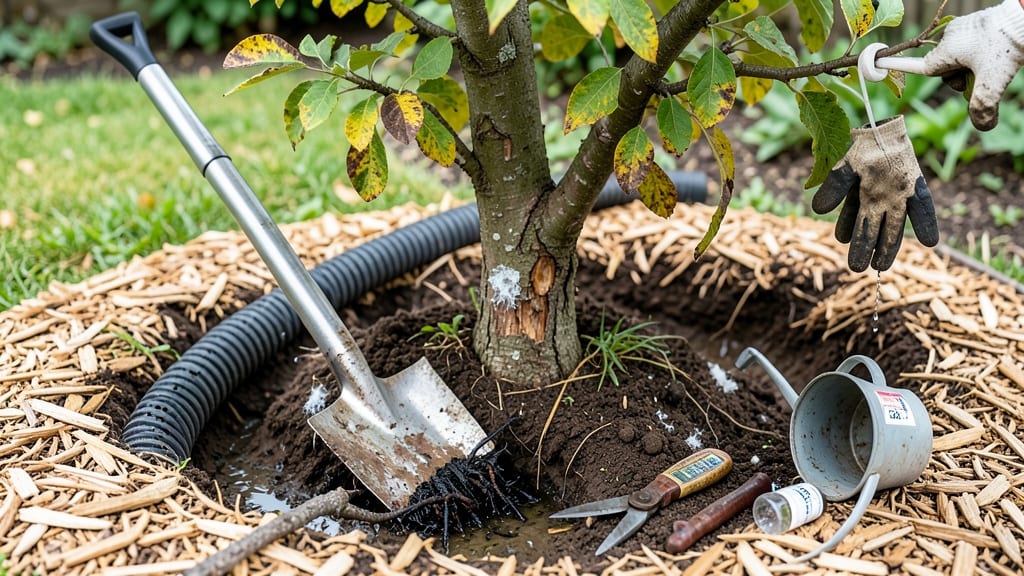
Your overwatered tree recovery starts now—those sad, drooping branches are begging for help. I've seen this heartbreaking scene too many times, but here's the good news: with three targeted fixes, you can nurse it back to health and prevent future disasters.
Overwatering creates a suffocating environment where roots can't breathe, leading to root rot and fungal growth. The first step is stopping all watering immediately—yes, even if the soil feels dry at the surface. Most people make this mistake because they confuse thirsty soil with thirsty plants.
What you'll achieve is a tree that stops wilting and starts thriving again within weeks. You'll see new growth pushing through, leaves regaining their vibrant color, and a root system that's finally getting the air it needs to recover.
This method works for any tree species, from young saplings to mature shade trees. The key is patience—root recovery takes time, but with consistent care, your tree will bounce back stronger than ever.
Common Causes Of Soggy Roots
Overwatering might seem like a harmless mistake—after all, trees need water to thrive! But when roots sit in soggy soil for too long, they struggle to breathe, leading to root rot and other stress responses.
Understanding why this happens is the first step to saving your tree. Let’s break down the key culprits behind overwatered roots.
Not all soil drains water equally. Heavy clay soils, compacted ground, or poorly amended dirt can trap excess moisture like a sponge that never squeezes out. When water pools around roots instead of draining away, it deprives them of oxygen—a critical component for root health.
- Scientific breakdown: Roots rely on aeration (air pockets in soil) to respire. Water fills these pockets, suffocating roots and creating anaerobic conditions where harmful bacteria and fungi thrive.
- Actionable red flags:
- Puddles forming near the tree trunk after watering.
- Soil that stays damp for days after rain.
- Mushrooms or mold growing at the base.
Even well-draining soil can become waterlogged if you’re overdoing it. Frequent shallow waterings or long soakings without breaks can drown roots faster than you think. Trees like oak, pine, or maple are especially sensitive to soggy conditions.
- Scientific breakdown: Roots absorb oxygen through tiny pores. When soil stays saturated, these pores flood, and roots switch to fermentation (a survival mode that produces toxic byproducts like ethanol). This weakens the root system over time.
- Common mistakes:
- Watering on a schedule instead of checking soil moisture.
- Using sprinklers that mist the canopy (wasting water and encouraging fungal growth).
- Ignoring seasonal changes (e.g., watering as much in winter as in summer).
Automatic sprinklers, drip lines, or even DIY setups can backfire if not configured correctly. Misaligned sprinkler heads, clogged emitters, or systems running too long can turn your yard into a swamp—especially in low-lying areas.
- Scientific breakdown: Excessive moisture triggers phytohormone imbalances, like ethylene production, which signals roots to stop growing or even self-destruct. This is nature’s way of conserving energy when conditions are lethal.
- Systemic issues to watch for:
- Sprinkler heads spraying directly onto the trunk (causing rot and disease).
- Drip lines placed too close to the trunk (creating a "wet bulb" effect).
- No shutoff timers or sensors for rain.
Freshly planted trees are particularly vulnerable because their roots are stressed from uprooting and need time to establish. If you water them heavily right after planting (or don’t adjust for their smaller root zone), you’re essentially smothering their recovery.
- Scientific breakdown: New roots are highly metabolic and require oxygen to expand. Overwatering in this phase can lead to hypoxia (oxygen deprivation), stunting growth and making the tree susceptible to pathogens like Phytophthora.
- Pro tip: After planting, water deeply once to settle soil, then wait until the top 2–3 inches are dry before watering again. Use a soil moisture meter to avoid guesswork!
Now that you know the why, the next step is diagnosing your tree’s specific needs. Stay tuned for our 3-step recovery plan to revive soggy roots and restore balance!
Revive Your Tree Step By Step
Overwatering can feel like a death sentence for your tree, but with the right approach, you can nurse it back to health—even if the roots are struggling. The key is acting fast, adjusting watering habits, and giving your tree the support it needs to bounce back.
Below is a clear, cause-by-cause breakdown of how to fix the damage and prevent future disasters.
If your tree’s roots are suffocating in soggy soil, improving drainage is non-negotiable.
🔥 Step 1: Stop Watering Immediately
- Why? More water = more rot. Let the soil dry out before taking further action.
- How? Skip irrigation for at least 3–5 days (longer for heavy clay soil). If the ground stays soggy, extend the pause.
🍳 Step 2: Aerate the Soil
- Why? Compacted or waterlogged soil traps moisture and blocks oxygen.
- How?
- For small trees: Use a garden fork to poke holes 6–12 inches deep around the root zone.
- For large trees: Rent a soil aerator or hire a pro to core the lawn (12–18 inches deep).
- Add organic matter: Mix in compost or coconut coir to improve drainage.
👨🍳 Step 3: Prune Damaged Roots (If Severe)
- Warning: Only attempt this if the tree is severely compromised (wilting, mushrooms at the base, or black, mushy roots).
- How?
- Gently dig around the outer root zone (6–12 inches from the trunk).
- Trim only the black, slimy, or hollow roots with sterilized pruners.
- Do NOT remove healthy white roots—they’re critical for recovery.
🥘 Step 4: Mulch Strategically
- Why? Mulch insulates roots and encourages evaporation, keeping soil drier.
- How?
- Apply 2–4 inches of wood chips or shredded bark (keep it 6 inches away from the trunk).
- Avoid fresh mulch—it can mat and trap moisture.
Use aged, coarse material.
⏰ Step 5: Adjust Watering Forever
- New routine: Water deeply but infrequently (1–2 times per week, depending on climate).
- Test soil moisture: Stick your finger 3 inches deep—if it’s dry, water; if damp, wait.
- Drip irrigation > hose: Slow, deep watering prevents surface puddling.
If leaves are yellowing (chlorosis) or dropping, your tree is starving for oxygen and nutrients.
💡 Step 1: Flush Out Excess Salts
- Why? Overwatering leaches nutrients but leaves behind harmful salts that block uptake.
- How?
- Soak the root zone with clean water for 10–15 minutes (like a gentle rain).
- Repeat 2–3 times over a week to leach out buildup.
🌡️ Step 2: Feed with the Right Fertilizer
- Avoid fast-release fertilizers (they burn roots). Instead:
- Slow-release organic: Use compost tea, worm castings, or a balanced 10-10-10 granular fertilizer.
- For micronutrients: Sprinkle chelated iron or magnesium sulfate if leaves are pale yellow (chlorosis).
🎯 Step 3: Improve Airflow
- Why? Stagnant air = fungal growth and stress.
- How?
- Thin out dense foliage (prune 1/3 of the canopy if needed).
- Space trees properly—aim for 8–10 feet apart for mature growth.
If branches look limp or crispy, the tree is in acute shock—act now.
🚨 Step 1: Check for Secondary Issues
- Pests? Look for sawdust-like frass (bug poop) or holes in bark.
- Fungal infection? White powdery mildew or black spots = treat with neem oil or copper fungicide.
- Root-bound? If roots circle the pot (container trees), repot immediately with fresh, well-draining soil.
💪 Step 2: Hydrate Carefully
- For wilting trees: Give a slow, deep watering (1–2 gallons per inch of trunk diameter).
- For crispy leaves: Do NOT water—this signals root death. Focus on pruning dead branches instead.
✨ Step 3: Support Weak Structure
- Stake if needed: If the tree is leaning badly, use soft ties and stakes to stabilize it while it recovers.
- Avoid heavy pruning: Only remove dead or diseased branches—save major cuts for spring.
Once your tree recovers, lock in these habits to avoid future overwatering:
✅ 💡 Soil Test First – Use a moisture meter ($15 on Amazon) to check soil before watering. ✅ 🌡️ Seasonal Adjustments – Water less in fall/winter (roots slow down) and more in summer heat. ✅ 🌱 Plant Right – Choose native or drought-tolerant species if your soil drains poorly. ✅ 🚫 Avoid Mulch Volcanoes – Pile mulch no higher than 4 inches or it’ll suffocate the trunk. ✅ 🔪 Prune Smart – Remove suckers and competing branches to reduce water demands.
Final Note: Recovery takes weeks to months, so patience is key. Monitor your tree’s progress—new growth on branches is the best sign it’s healing! If all else fails, consult an arborist for a professional assessment. 🌳💚
Frequently asked questions
How do I know if my tree has root rot from overwatering?
Look for these key signs: black, mushy roots when you gently dig near the base, mushrooms or mold growing at the soil line, and yellowing leaves that stay wilting even when watered. If the tree leans or falls easily, root rot has weakened its structure. Act fast—stop watering immediately and let the soil dry out.
Can I save a tree with completely black, slimy roots?
It depends on how deep the damage goes. If only outer roots are affected, you can trim them with sterilized pruners and improve drainage. For severe cases where most roots are mushy, the tree may not recover—consult an arborist. Focus on saving younger trees with some healthy white roots remaining.
What’s the best way to test soil moisture before watering?
Use the finger test: Stick your index finger 3 inches deep into the soil. If it feels dry, water; if damp, wait. For a more precise method, invest in a soil moisture meter ($15 on Amazon). Pro tip: Check in the morning—soil is driest then, giving you the most accurate reading.
Will my tree recover faster with fertilizer after overwatering?
Not immediately—fertilizer can actually burn damaged roots. Wait until you’ve improved drainage and the tree shows signs of recovery (new growth, firmer branches). Then use slow-release organic fertilizer like compost tea or worm castings. Avoid synthetic fertilizers until roots are healthy.
How long should I wait before watering again after stopping?
Wait until the top 6 inches of soil feel completely dry to the touch. For clay soil, this could take 7–10 days; sandy soil may dry faster. Resist the urge to water—roots need time to recover and won’t absorb moisture properly until they’ve had a chance to breathe.