
Pruning
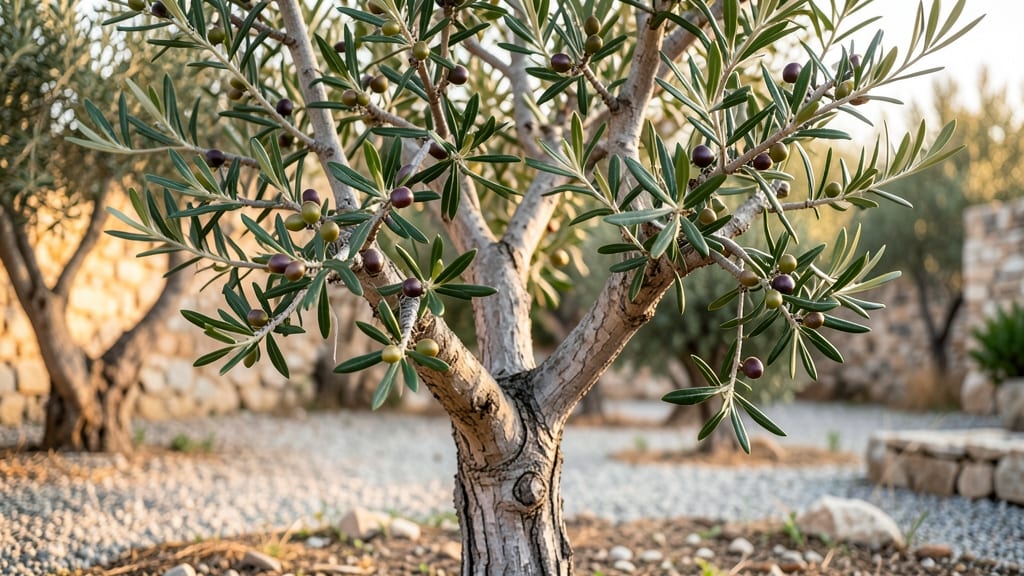
Your olive tree buds hold the secret to a year-round harvest—if you prune them right. 🌿 I’ve spent years perfecting the timing and technique, and the difference between a tree that produces sparingly and one that bursts with fruit is all in the cuts.
The key? Pruning in late winter or early spring, when the tree is dormant but about to wake up.
Pruning encourages more buds to form by improving airflow and sunlight penetration. You’ll want sharp pruners, a clear day (to avoid fungal spread), and a plan to remove no more than 25% of the tree’s canopy at once.
Buds form best on new growth, so focus on shaping the tree rather than just trimming back branches—think of it like sculpting a living work of art.
With the right approach, you’ll see thicker clusters of buds by next season, leading to heavier fruit production. The buds themselves are also edible—young, tender ones can be pickled or used in Mediterranean dishes, though most gardeners focus on the fruit they’ll bear.
Just avoid over-pruning, which stresses the tree and reduces yields.
This method works for both container-grown olives and mature trees in the ground. Whether you’re growing for oil, table olives, or just the beauty of the tree, these pruning tips will keep your olive thriving—and your harvests consistent. Let’s get those buds growing strong!
📚 In This Guide
- What you need
- Instructions
- Tips and common mistakes
- Wrapping up and next steps
What you need
- ● Pruning shears: Bypass pruners (sharp, clean, and disinfected with rubbing alcohol to prevent disease). Size: 6-8 inches for medium branches.
- ● Loppers: For thicker branches (up to 2 inches in diameter). Look for: Long handles (24-36 inches) for leverage.
- ● Pruning saw: For branches too thick for loppers (2+ inches). Type: Curved-tooth blade to avoid tearing wood.
- ● Gloves: Heavy-duty, cut-resistant gloves (olive tree branches can be spiky!).
- ● Disinfectant: 70% isopropyl alcohol or a 10% bleach solution (1 part bleach to 9 parts water) to sterilize tools between cuts.
- ○ Bucket or bag: For collecting pruned branches (optional but handy for composting or disposal).
- ○ Pruning sealant: (Optional but recommended for cuts larger than ½ inch to prevent disease.) Type: Tree wound paint or pruning paste.
- ● Extension pole: For high branches (10-15 feet). Tip: Attach your pruners or loppers to the end for easier reach!
- ● Ladder: If your tree is tall (ensure it’s stable and non-slip).
- ● Marking spray: Paint or tape to mark branches for removal (great for planning ahead!).
- ● Safety glasses: To protect your eyes from debris.
- ● Notebook & pen: To jot down notes on your tree’s structure or pruning progress.
Step-by-step guide to pruning olive tree buds for healthy growth
Here’s how to shape your olive tree’s buds for better harvests—without overstressing the plant.
🌿 Step 1: Identify the Right Buds and Tools
Olive trees grow best when you prune during their dormant season, typically late winter or early spring. Look for semi-hardened buds—these are the small, swollen areas where new growth will emerge. Avoid cutting into fully hardened wood, which won’t regenerate well.
Use clean, sharp pruning shears (or loppers for thicker branches) to make precise cuts. Dull tools crush stems, inviting disease. I always disinfect my shears with rubbing alcohol between cuts—this prevents spreading fungal spores from one branch to another.
✂️ Step 2: Remove Dead or Weak Growth First
Start by cutting out any dead, diseased, or crossing branches. Dead wood is easy to spot—it’s dry, brittle, and often dark brown or black. Weak growth includes thin, spindly branches that lean awkwardly or grow inward toward the center of the tree.
Make your cuts at a 45-degree angle, about ¼ inch above a bud or lateral branch. This ensures water runs off the cut and new growth has room to develop. If you’re unsure which buds are healthy, gently scrape the bark with your fingernail—green underneath means it’s alive; brown means it’s dead.
☀️ Step 3: Thin Out for Better Airflow and Light
Olive trees thrive with good airflow and sunlight. Thin the canopy by removing one-third of the oldest, thickest branches first. Focus on branches that rub against each other or block light from reaching the inner buds. You’ll see where light struggles to penetrate—those shaded areas are where buds won’t develop properly.
Step back often to visualize the tree’s shape. Aim for an open, vase-like structure with a strong central leader (main trunk). Avoid leaving stubs—always cut back to a bud or branch collar to encourage clean healing.
🌱 Step 4: Encourage New Buds with Strategic Cuts
To promote new growth, cut back last year’s growth by about one-third on healthy branches. This stimulates the tree to produce stronger buds for next season’s harvest. For example, if a branch grew 12 inches last year, trim it back to 8 inches above a healthy bud.
Watch for water sprouts—these are fast-growing, vertical shoots that steal energy from fruit production. Snip them off at the base as soon as you spot them. You’ll know you’re doing it right when you see new green buds forming within a few weeks of pruning.
⏰ Step 5: Monitor and Adjust After Pruning
Water the tree deeply right after pruning to help it recover. Olive trees are drought-tolerant, but fresh cuts need moisture to heal properly. Avoid heavy watering in the weeks following, though—too much can rot cuts or encourage fungal growth.
Keep an eye on the tree over the next 4-6 weeks. If you notice buds drying out or leaves yellowing, it might mean you pruned too aggressively. Olive trees are resilient, but they signal stress when buds fail to swell or leaves drop prematurely. Adjust next year’s cuts accordingly.
Tips & tricks for pruning olive tree buds
Pruning olive trees might seem intimidating, but these simple tricks will help you shape your tree like a pro—without causing stress to the plant.
Timing is Everything: Late winter or early spring is the perfect window for pruning olive trees, right before new growth begins. This timing allows the tree to heal before summer heat arrives. I’ve learned the hard way that pruning too early can leave cuts vulnerable to winter frost, while waiting too long risks encouraging weak, late-season growth that won’t mature properly. Mark your calendar for late February to early March in most climates.
Tool Prep Prevents Problems: Clean, sharp pruning shears are non-negotiable. I’ve ruined cuts by using dull tools that crush stems instead of making clean incisions. Before you start, wipe down your shears with rubbing alcohol between cuts—this simple step prevents spreading fungal spores from one branch to another. For thicker branches, switch to loppers; never use hedge trimmers, which tear rather than cut cleanly.
Visual Cues for Healthy Cuts: When making your 45-degree cuts about ¼ inch above a bud, look for these visual clues: The bud should be slightly swollen and green underneath when you scrape the bark. If it’s brown or dry, that branch is dead and should be removed entirely. Healthy buds will emerge within weeks of proper pruning—this is your reward for getting the cuts right!
Post-Pruning Care Wins the Harvest: After finishing your cuts, give the tree a deep watering to help it recover. This isn’t about drowning the roots—just enough moisture to support the healing process. Then, resist the urge to overwater in the following weeks. Olive trees are drought-resistant, but too much water can rot fresh cuts. Keep an eye out for new green buds forming within 4-6 weeks as your sign of successful pruning.
Pro Tips for Olive Tree Buds
- Pruning olive trees might seem intimidating, but these simple tricks will help you shape your tree like a pro—without causing stress to the plant.
- Timing is Everything: Late winter or early spring is the perfect window for pruning olive trees, right before new growth begins.
- Tool Prep Prevents Problems: Clean, sharp pruning shears are non-negotiable.
Frequently asked questions
Got questions about olive tree buds and pruning? You’re not alone! Here are some of the most common queries—and their answers—to help you navigate the process like a pro.
When is the best time to prune olive tree buds for optimal growth?
The ideal time to prune olive tree buds is late winter or early spring (just before new growth starts). This timing encourages robust bud development while avoiding frost damage. For Mediterranean climates, prune after the coldest months (around February–March). Avoid heavy pruning in summer to prevent stress.
How do I know if I’m pruning olive tree buds correctly?
Look for open centers and balanced branches—these are signs of proper pruning. Remove dead, crossing, or overcrowded buds/branches first. Aim to keep the tree’s shape upright and airy to maximize sunlight exposure. If buds appear weak or sparse, you may be pruning too late or too aggressively.
Can I still get olives if I miss the pruning window?
Yes! While timely pruning boosts yields, olive trees are resilient. If you skip a season, focus on light maintenance pruning in the next dormant period. Prune to shape and remove deadwood—even minimal effort will keep your tree productive. Just avoid drastic cuts, as olives thrive on established structure.
What’s the difference between pruning buds vs. branches on an olive tree?
Pruning buds (tiny growth points) encourages new shoots and denser foliage, while pruning branches (larger cuts) reshapes the tree’s structure. For buds: trim back to the next healthy bud (about ¼ inch above). For branches: make clean cuts at 45-degree angles, avoiding the trunk’s bark ridge.
Are there alternatives to traditional pruning for olive tree buds?
Yes! Try topiary pruning for decorative shapes or escalade pruning (training vines upward) if space is limited. For organic growers, sharp secateurs or bypass pruners work best—avoid dull tools that tear buds. Some gardeners also use hormone-free pruning paste on larger cuts to prevent disease.
Wrapping up and next steps
Pruning your olive tree buds doesn’t have to be a daunting task—with the right timing, tools, and technique, you can boost productivity and keep your tree thriving year after year. Remember, consistency is key: light, strategic cuts in late winter or early spring will encourage lush growth and abundant harvests.
Whether you’re a seasoned gardener or just starting, every small step makes a difference!
Ready to take the next step? Grab your pruners and schedule your first session—your olive tree (and future harvests) will thank you! 🌿✨