
Trees
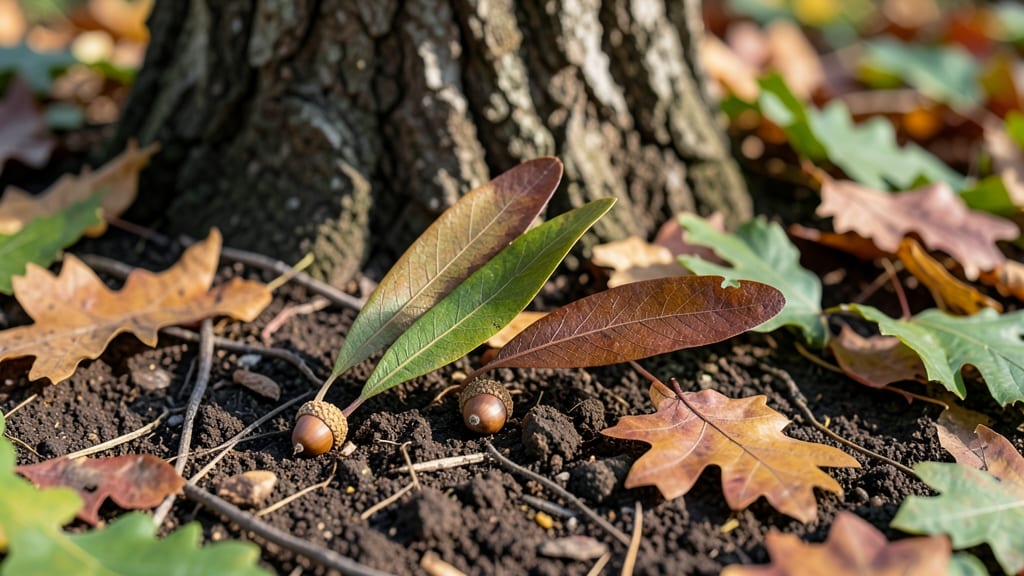
Those whirling oak tree helicopter seeds are nature's way of growing future giants—if you give them the right conditions. 🌳 I've struggled with germination before, but after years of trial and error, I've cracked the code for turning these tiny seeds into sturdy saplings that can one day shade your backyard.
The secret lies in mimicking how they'd grow in the wild: a cold winter followed by warm spring soil. Most people skip the stratification step, which is why their seeds never sprout.
With the right timing and soil prep, you'll see those first green shoots within 4-6 weeks—not the months some sources claim. What you end up with is a head start on growing an oak tree that could live for centuries.
The saplings develop strong root systems early, making them more resilient against drought and pests than nursery-bought trees. Works for both red and white oak varieties, and the process scales from a single seed to a full propagation project. Let's get those seeds growing!
📚 In This Guide
- What you need
- Instructions
- Tips and common mistakes
- Wrapping up and next steps
What you need
- ● Oak tree acorns (helicopter seeds) – Collect fresh, healthy acorns from mature oak trees (aim for 50–100 seeds for best results). Ensure they’re plump, intact, and free of cracks or pests.
- ● Well-draining potting mix – Use a blend of 50% peat moss or coconut coir and 50% perlite or coarse sand to prevent waterlogging.
- ● Small seed trays or biodegradable pots – Opt for 2–3 inch diameter containers with drainage holes (or use egg cartons as a budget-friendly alternative!).
- ● Misting spray bottle – For gentle hydration without disturbing the seeds.
- ● Plastic wrap or humidity dome – To create a mini greenhouse effect and retain moisture.
- ● Grow lights or sunny windowsill – Oak seeds thrive in bright, indirect light (6+ hours daily). A LED grow light works if natural light is limited.
- ● Labeling tags & marker – To track planting dates and seed varieties (oaks like white oak or red oak have different germination times!).
- ● Stratification setup – A refrigerator (for cold stratification) or sand/peat mix in a sealed bag to mimic winter conditions (critical for breaking dormancy!).
- ○ Seed-starting heating mat – Speeds up germination by keeping soil 70–80°F (optional but handy for impatient gardeners!).
- ● Fertilizer (balanced, low-nitrogen) – A diluted 10-10-10 or fish emulsion after sprouts emerge (use sparingly!).
- ● Outdoor hardening-off tray – A shaded, sheltered area to gradually acclimate seedlings before transplanting.
- ● Gloves & safety glasses – For handling large acorn collections or outdoor prep (especially if working with tannin-rich oak debris).
Step-by-step instructions for germinating oak tree helicopter seeds
Here's how I've learned to coax those tiny whirlybirds into sturdy saplings—without losing patience along the way.
🌱 Step 1: Identify and Collect Healthy Helicopter Seeds
Look for oak seeds with intact, papery wings that look dry but not brittle. The seed itself should feel firm when gently squeezed—if it crushes easily, it's past its prime. I collect seeds in late fall after they've fallen naturally, when they're fully mature but haven't started sprouting.
Store them in a cool, dry place (like a paper bag in the fridge) until you're ready to start them. These seeds have a natural dormancy period that can last months, so don't rush the process. The key is patience—wait until you see the seed's outer shell start to crack slightly before planting.
💧 Step 2: Stratify Seeds to Break Dormancy
Fill a container with damp sand or a mix of sand and peat moss—just enough to cover the seeds. I use a shallow tray with drainage holes to prevent waterlogging. Place the container in the fridge (around 35-40°F) for 3-6 months. This cold treatment mimics winter conditions and signals the seed it's time to grow.
Check the moisture weekly—it should feel like a wrung-out sponge, not soggy. If the sand dries out, the seeds won't germinate. After about 2-3 months, you'll see the seed coats start to split open slightly. That's your cue they're ready for the next step.
☀️ Step 3: Plant Stratified Seeds in a Controlled Environment
Fill small pots (about 3-4 inches deep) with a well-draining mix of 50% potting soil and 50% perlite. Plant each seed ½ inch deep, placing the winged end up—this helps guide the sprout upward. I use individual pots because oak seedlings are sensitive to disturbance, and transplanting weakens them.
Keep the soil consistently moist but never waterlogged. A humidity dome or plastic wrap helps maintain even moisture while the seeds germinate. Place the pots in a warm spot (65-75°F) with bright, indirect light. You'll see the first sprouts in 4-8 weeks, though some may take longer—don't give up if germination is slow.
🌿 Step 4: Provide Proper Light and Care for Young Saplings
Once the seedlings emerge, move them to a spot with full sun (6+ hours daily) but protect them from harsh afternoon rays for the first few weeks. I use a sheer curtain to diffuse light until the seedlings develop stronger stems. Water at the base, keeping the soil evenly moist—never let it dry out completely, but avoid soggy conditions.
Fertilize lightly with a balanced, water-soluble fertilizer (10-10-10) diluted to half strength after the seedlings have 2-3 sets of true leaves. Oak trees are slow growers, so resist the urge to over-fertilize. Watch for leggy growth—a sign they need more light—and adjust their position as needed.
⏰ Step 5: Transplant and Harden Off for Outdoor Success
After 1-2 growing seasons, when the saplings are 1-2 feet tall with a sturdy stem, they're ready for their permanent home. Choose a spot with full sun and well-draining soil—oaks hate wet feet. Dig a hole twice as wide as the root ball but no deeper, and gently loosen the roots before planting.
Water deeply after transplanting and mulch around the base to retain moisture. Harden off the saplings by gradually exposing them to outdoor conditions over 2-3 weeks before planting. This means moving them outside for increasing lengths of time each day, shielding them from direct sun and wind. Patience here pays off—well-hardened saplings establish faster in the ground.
Tips & tricks for perfect oak tree helicopter seed germination
These little tricks will help you turn those delicate helicopter seeds into thriving oak saplings with confidence.
Seed Selection: Don't overlook the wings! Those papery helicopter blades aren't just for fun—they help guide the sprout upward. When collecting seeds, look for ones where the wings are still fully intact and crisp, not curled or broken. I've found the best seeds come from mature trees in late fall, when they've naturally fallen but haven't started sprouting yet. The seed itself should feel solid when gently squeezed—if it crushes like a dry pea, it's past its prime.
Stratification Strategy: The 3-6 month cold treatment in Step 2 is non-negotiable for breaking dormancy, but here's how to make it foolproof. Use a mix of sand and peat moss that stays damp like a wrung-out sponge—this prevents both waterlogging and drying out. I like to place a small piece of cardboard under the container to catch any drainage, and I check moisture weekly by feeling the mix between my fingers. If you notice mold developing, that's your sign to increase airflow slightly by leaving the lid slightly ajar. The slight seed coat splitting you'll see around 2-3 months is your green light to move forward.
Lighting Secrets: Those first few weeks after germination are critical for stem strength. I've had the best success using a combination of natural light and a simple LED grow light placed about 6 inches above the seedlings. This mimics the dappled sunlight oak seedlings would get under their parent trees. When moving seedlings to full sun in Step 4, do it gradually—start with just 2 hours of direct sun per day and increase by 30 minutes daily. This prevents sunburn while still building their resilience. The sheer curtain trick I mentioned is a game-changer for protecting tender new growth.
Pro Tips for Oak Tree Helicopter Seeds
- These little tricks will help you turn those delicate helicopter seeds into thriving oak saplings with confidence.
- Seed Selection: Don't overlook the wings!
- Stratification Strategy: The 3-6 month cold treatment in Step 2 is non-negotiable for breaking dormancy, but here's how to make it foolproof.
Frequently asked questions
How long does it take for oak tree helicopter seeds to germinate?
Oak seeds are slow but steady! Germination can take anywhere from 3 weeks to 6 months, depending on species (e.g., white oak vs. red oak) and conditions. Cold stratification (mimicking winter) often speeds it up—try refrigerating seeds for 30–90 days before planting. Patience is key!
Can I plant oak seeds directly in the ground without prepping them?
Yes, but success rates drop. Oak seeds have a hard seed coat that blocks water absorption. For better odds, scarify seeds (nick the shell with sandpaper or soak in warm water for 24 hours) or bury them in a pot with moist soil for stratification. If planting outdoors, dig a shallow trench in fall—nature handles the rest!
What’s the best temperature for germinating oak seeds?
Oak seeds thrive in cool to moderate temps:
- Stratification: 34–41°F (1–5°C) for 60–90 days (simulate winter).
- Germination: 60–75°F (15–24°C) once sprouted. Avoid heat—it can dry seeds out.
Why aren’t my oak seeds sprouting? Troubleshooting tips
If your seeds seem stuck, check these fixes:
Not stratified? Oak seeds need cold treatment—try the fridge or outdoor burial.
Too dry/wet? Soil should stay moist but not soggy (think damp sponge).
Rotten? Fuzzy mold = overwatering. Drain excess water and replant in fresh, sterile soil.
Old seeds? Viability drops after 1–2 years. Test a few in warm water—if they sink, they’re likely dead.
Are there faster-growing oak alternatives for quick shade?
If you’re in a hurry, consider these faster-growing trees with similar shade benefits:
- Silver Maple (germinates in weeks, grows 3–5 ft/year).
- Hybrid Poplar (fastest, but shorter-lived).
- Black Walnut (slower than oak but still quicker than white oak).
Wrapping up and next steps
Growing oak tree helicopter seeds into strong saplings is a rewarding journey that connects you to nature’s resilience. 🌱 By mastering the right soil, moisture, and patience, you’re not just nurturing a tree—you’re planting a legacy. Ready to take the next step?
Start small: gather a few more seeds, experiment with different containers, and share your progress with fellow gardening enthusiasts. Every sapling you cultivate today could become the shade-giving giant of tomorrow!