
Pruning
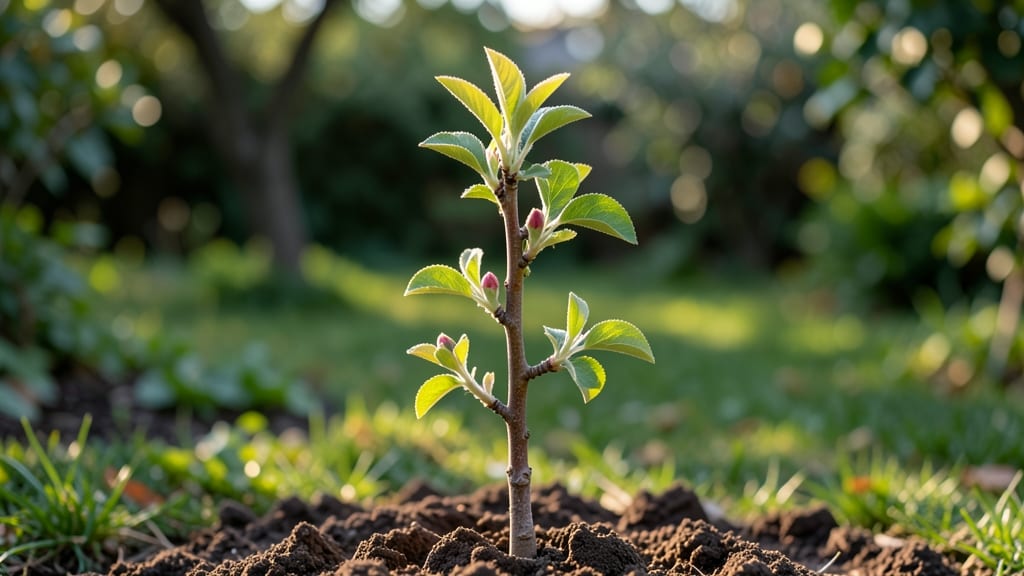
That first tiny nectarine tree sprout feels like holding a promise—cold stratification is what turns it from fragile to flourishing. 🌱 I’ve watched dozens of these delicate shoots emerge after weeks in the fridge, and the secret isn’t just patience—it’s knowing exactly when to break dormancy for the strongest start.
The right timing means the difference between a tree that thrives and one that struggles for years to catch up.
You’ll need a few simple supplies: a plastic bag, a damp paper towel, and a little fridge space for 4-6 weeks before planting. The process mimics winter’s natural chill period, tricking the seed into thinking it’s ready to grow.
Once it sprouts, transplant it into well-draining soil and a spot with full sun—but here’s the catch: nectarines hate soggy roots, so we’ll talk about watering like a pro to avoid that common rookie mistake.
By late spring, you’ll see bold new leaves unfurling, and with proper pruning, your young tree will grow into a sturdy framework. The first year is all about balance—too much water drowns it, too little stunts it, and poor sunlight leaves it leggy.
But get this right, and you’re setting up a tree that’ll bear fruit in 3-5 years instead of 7.
This method works for both homegrown seeds and nursery starts—just adjust the stratification time based on whether you’re starting from a stone or a sapling. Let’s get those sprouts growing strong!
📚 In This Guide
- What you need
- Instructions
- Tips and common mistakes
- Wrapping up and next steps
What you need
- ● Nectarine seeds or pits: 3–5 fresh, viable seeds (ensure they’re from a ripe, healthy nectarine).
- ● Cold stratification setup: Small paper towels or dampened peat moss (enough to wrap seeds).
- ● Plastic bag or airtight container (to hold moisture).
- ● Refrigerator (set to 35–40°F / 2–4°C).
- ● Potting supplies: Well-draining potting mix (sterile, seed-starting blend).
- ● Small seedling pots or trays (3–4 inches deep).
- ● Grow lights or sunny windowsill (6+ hours of light/day).
- ● Watering tools: Spray bottle (for gentle moisture) or small watering can.
- ○ Pruning tools (optional but helpful): Sharp pruning shears (for future trimming).
- ● Rubbing alcohol (to sterilize tools).
- ● Patience: Cold stratification takes 4–12 weeks—plan ahead!
- ● Location: Choose a spot with full sun (6+ hours/day) for transplanting.
- ○ Soil test (optional): Ensure pH is 6.0–7.0 for optimal growth.
Step-by-step instructions for sprouting nectarine trees through cold stratification
Here's how I guarantee reliable germination using nature's timing cues.
🌱 Step 1: Select and Prepare Healthy Seeds
Choose plump, firm nectarine pits from fully ripe fruit—avoid any with cracks or soft spots. I like to soak them in lukewarm water for 24 hours first to soften the outer shell slightly. This makes the stratification process more effective. After soaking, let them dry completely on a paper towel for 12 hours—this prevents mold during cold treatment.
Real talk: Don't use pits from store-bought nectarines if they've been treated with fungicides. Homegrown or organic fruit gives you the best chance. Tap each pit gently against your palm—it should make a solid, ringing sound. A hollow thud means the seed inside is likely dead or damaged.
❄️ Step 2: Perform Cold Stratification for 8-12 Weeks
Place the dried pits in a sealed plastic bag with slightly damp (not soaking) sand or peat moss. I use a ratio of 1 part seeds to 3 parts moisture-retentive medium. Seal the bag and refrigerate at 35-40°F—this mimics winter conditions in the wild. Check monthly and add a few drops of water if the medium feels dry to the touch.
Here's the thing—stratification breaks seed dormancy by simulating natural winter chilling. You'll see tiny cracks appear in the pit shell after 6-8 weeks, signaling the embryo is waking up. If you rush this step, seeds may either fail to sprout or produce weak, leggy seedlings that won't survive transplanting.
☀️ Step 3: Plant Stratified Seeds in Growing Medium
After stratification, plant each pit 1 inch deep in a 4-inch pot filled with sterile seed-starting mix. I use a heating mat set to 70-75°F to keep the soil warm while seeds germinate. Water gently until moisture seeps from the drainage hole, then place the pot in bright, indirect light—direct sun can overheat the soil and kill tender sprouts.
You'll notice the first signs of germination in 2-4 weeks as a tiny white root emerges. Wait until you see green leaves breaking through the soil surface before moving the seedlings to a sunny windowsill. At this stage, seedlings are extremely delicate—handle them by the leaves, never the stem.
🌿 Step 4: Transplant and Harden Off Seedlings
When seedlings reach 4-6 inches tall with 3-4 sets of true leaves, transplant them into 1-gallon containers with well-draining soil. I add a slow-release fertilizer at half-strength to prevent burning young roots. Place them in a sheltered outdoor spot during the day and bring them inside at night for 10-14 days to acclimate to temperature swings.
Don't skip hardening off—this is where most beginner growers lose their seedlings. You'll know they're ready for permanent outdoor planting when they can handle a full day outside without wilting. Choose a partly cloudy day for transplanting to reduce stress on the roots.
Tips & tricks for perfect nectarine tree sprouting
These little-known tricks will help you avoid common pitfalls and maximize your success with nectarine tree germination.
Seed Selection: For the best results, collect pits from nectarines that have fully ripened on the tree. Store-bought nectarines often have treated pits that won't sprout. I always test a few pits by tapping them—they should sound solid like a bell, not hollow. If you're working with multiple pits, organize them by size, as larger pits tend to produce stronger seedlings.
Stratification Setup: The 8-12 week cold stratification period at 35-40°F is non-negotiable for breaking dormancy. I recommend using a plastic bag with a zip-top closure to create a sealed environment, but leave it slightly open for 10 minutes each month to prevent mold buildup. The moisture-retentive medium (sand or peat moss) should feel like a damp sponge—not dripping wet. You can also use a paper towel wrapped around each pit and stored in a sealed container for a simpler approach.
Germination Timing: After the 6-8 week mark when you see those first tiny cracks in the pit shells, resist the urge to rush planting. The seeds need the full 8-12 weeks to develop properly. I've seen many growers impatiently plant too soon, only to have their seedlings fail. Once you plant in Step 3, keep the soil consistently warm at 70-75°F using a heating mat—this is crucial for reliable germination within that 2-4 week window.
Seedling Care: When those first green leaves appear above soil level, that's your signal to move seedlings to a sunny windowsill. I always use a small fan on low setting near the seedlings to strengthen their stems—this prevents them from becoming leggy. Handle seedlings by their leaves only, never by the delicate stem, to avoid damage. The 10-14 day hardening off period is where most beginners lose seedlings, so take it slow and gradually increase their outdoor exposure.
Pro Tips for Nectarine Tree Sprout
- These little-known tricks will help you avoid common pitfalls and maximize your success with nectarine tree germination.
- Seed Selection: For the best results, collect pits from nectarines that have fully ripened on the tree.
- Stratification Setup: The 8-12 week cold stratification period at 35-40°F is non-negotiable for breaking dormancy.
Frequently asked questions
Got questions about sprouting nectarine trees from seeds? You’re not alone! Here are some of the most common concerns—plus straightforward answers to help you grow with confidence.
How long does cold stratification take for nectarine seeds?
Cold stratification typically requires 6 to 12 weeks in the fridge (34–40°F). Place seeds in a damp paper towel or moist peat moss, then store them in a sealed bag. Patience pays off—this mimics winter conditions and breaks dormancy for better germination rates!
Can I skip cold stratification and still grow a nectarine tree?
Technically yes, but expect slower, inconsistent germination (or even failure). Without stratification, seeds may rot or sprout unevenly. If you’re impatient, try soaking seeds in warm water for 24 hours first, but cold treatment remains the gold standard for reliability.
When will my sprouted nectarine seeds turn into a tree?
From seed to sapling, it’s a slow marathon! Germination takes 2–6 weeks, and the seedling may take 3–5 years to bear fruit. Early growth is delicate—keep it in pots for 2–3 years before transplanting outdoors. Patience is key!
What if my nectarine sprout looks weak or leggy?
Leggy sprouts need more light! Move them to a sunny windowsill or use a grow light (12–16 hours/day). If leaves are pale or sparse, dilute fertilizer (half-strength) and ensure well-draining soil. Prune leggy stems to encourage bushier growth.
Can I grow a nectarine tree from a store-bought fruit?
Yes, but results vary. Seeds from grocery-store nectarines may not produce true-to-type fruit (or may take years). For better odds, source seeds from a local, heirloom nectarine or grafted tree. Alternatively, buy a young nectarine sapling from a nursery for guaranteed quality!
Wrapping up and next steps
Growing a nectarine tree from a sprout is a rewarding journey that starts with patience and the right techniques—especially cold stratification. By following the steps outlined, you’ll boost germination rates and set your young tree up for a thriving future. 🌱
Now that you’re armed with the knowledge, take the next step! Gather your sprouts, prepare your cold stratification setup, and watch as your nectarine dreams take root—literally. Happy gardening, and may your orchard flourish! 🌟