
Pruning
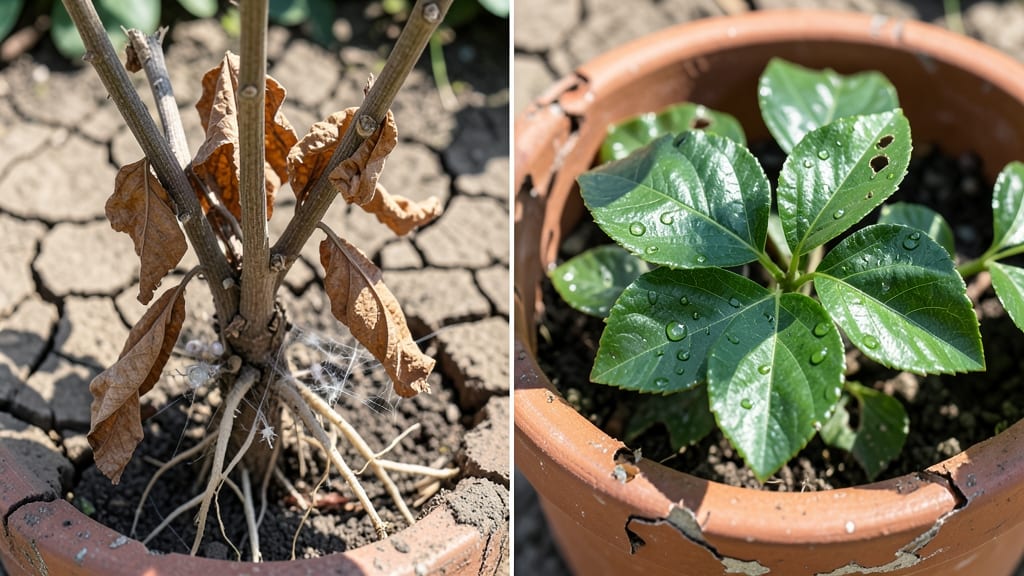
My hibiscus tree looks dead—but it might just be in survival mode. 🌿 I’ve seen "dead" hibiscus trees burst back to life with the right care, and I’ll show you how to tell the difference between hopeless and hopeful. The first step? Checking for signs of life you might be missing.
Overwatering or underwatering are the top culprits, but pests like spider mites or fungal diseases like root rot can also make a hibiscus look like it’s given up. The good news?
Most of these issues have simple fixes—like adjusting your watering schedule or giving the tree a deep pruning to encourage new growth. Even frost damage isn’t always permanent.
By the end, you’ll know exactly how to revive your tree—whether it’s pruning back dead branches, treating pests with neem oil, or just giving it the right amount of water.
The key is acting fast, because hibiscus trees are tougher than they look. You’ll see fresh leaves within weeks if you catch it in time.
Once you’ve revived it, I’ll share the care routine that keeps hibiscus trees thriving year-round—so you never have to worry about losing it again. Trust me, your tree’s comeback story is just beginning.
Root Causes Behind Wilting Hibiscus
When your hibiscus tree suddenly looks lifeless, it’s rarely a mystery—it’s usually a sign of stress from one (or more) of these common culprits. Understanding the why behind the problem is the first step to bringing your tree back to life.
Let’s break down the science and what’s really happening to your hibiscus.
Hibiscus trees thrive in well-draining soil, but when roots sit in soggy conditions, they suffocate. Overwatering (or compacted, clay-heavy soil) forces roots to drown, cutting off oxygen and nutrients.
How it happens:
- Root rot develops when excess moisture triggers fungal or bacterial growth, like Phytophthora or Pythium, which decompose root tissue.
- Symptoms: Yellowing leaves, mushy stems, or a foul smell at the base.
- Actionable fix: Test soil moisture—stick your finger 2–3 inches deep. If damp, hold off on watering. Amend soil with perlite or sand to improve aeration, and consider raised beds if drainage is chronically poor.
While overwatering is deadly, chronic dehydration can also mimic death. Hibiscus trees are tropical and need consistent moisture, especially in hot climates. When soil dries out completely, leaves wilt, stems shrivel, and the tree may drop foliage.
How it happens:
- Transpiration (water loss through leaves) outpaces absorption, causing xylem cavitation—air bubbles block water transport, stranding the plant.
- Symptoms: Crispy leaf edges, drooping branches, or a "hollow" stem when squeezed (a late-stage sign).
- Actionable fix: Water deeply 2–3 times per week (more in extreme heat) and mulch with 3–4 inches of organic matter (wood chips, straw) to retain moisture. Morning watering reduces evaporation.
Hibiscus are heavy feeders, and poor soil nutrition weakens their ability to photosynthesize and fight stress. Deficiencies in nitrogen (N), phosphorus (P), potassium (K), magnesium (Mg), or iron (Fe) show up as distinct symptoms.
| Deficiency | Visual Clues | Quick Fix |
|---|---|---|
| Nitrogen (N) | Pale yellow leaves, stunted growth | Apply balanced fertilizer (10-10-10) or compost tea. |
| Potassium (K) | Brown leaf edges, weak stems | Use banana peel tea or potassium sulfate. |
| Magnesium (Mg) | Yellowing between leaf veins (interveinal chlorosis) | Sprinkle Epsom salt (1 tbsp/gallon water) monthly. |
| Iron (Fe) | Yellow leaves with green veins | Acidify soil with vinegar or sulfur or use chelated iron. |
Pro Tip: 💡 Test your soil’s pH (ideal: 6.0–7.0). Hibiscus can’t absorb nutrients in alkaline soil—lime raises pH, while sulfur lowers it.
Hidden beneath the soil, root-damaging pests (like scale insects, nematodes, or borers) or pathogens (like root-knot nematodes) can silently kill your hibiscus by disrupting water and nutrient uptake.
How it happens:
- Scale insects excrete honeydew, fostering sooty mold (black fungal growth) that blocks sunlight.
- Nematodes (microscopic worms) create galls on roots, reducing surface area for absorption.
- Symptoms: Stunted growth, sudden wilting despite proper watering, or gummy sap at the base.
Actionable fix:
- Inspect roots (gently dig around the base) for pests or unusual growths.
- Neem oil spray (1 tbsp/gallon water) deters soft-bodied pests like scale.
- Beneficial nematodes (Steinernema feltiae) target root-knot nematodes—apply during irrigation.
Hibiscus are tropical plants—they cannot tolerate frost or sudden temperature drops below 50°F (10°C). Cold damage disrupts cellular membranes, causing oxidative stress and tissue death.
How it happens:
- Freezing temps cause ice crystal formation in leaves/stems, rupturing cells.
- Windburn (dry, cold winds) desiccates foliage, mimicking dehydration.
- Symptoms: Blackened, mushy leaves, silver-gray patches, or peeling bark.
Actionable fix:
- Move potted hibiscus indoors (or cover with frost cloth) before 40°F (4°C).
- Mulch heavily (6+ inches) to insulate roots in-ground plants.
- Prune damaged branches in spring—healthy growth will return from the base.
Even mature hibiscus struggle when relocated or pruned improperly. Disturbed roots take weeks to regenerate, leaving the tree vulnerable to stress.
How it happens:
- Root pruning (cutting roots during transplanting) reduces the plant’s ability to absorb water.
- Over-pruning (removing >30% of foliage at once) increases transpiration stress.
- Symptoms: Wilting within days of moving, yellowing leaves, or epinasty (downward leaf curling).
Actionable fix:
- Water deeply before and after transplanting to reduce shock.
- Prune only 1/3 of the plant at a time, and avoid root trimming unless necessary.
- Use root stimulator (like mycorrhizal fungi) to speed up recovery.
Key Takeaway: Most "dead" hibiscus are recoverable—the trick is identifying the specific stressor and acting fast. Start with a soil test, root inspection, and watering audit to pinpoint the issue. Your hibiscus might just be sleeping, not gone for good! 🌿
Revive Your Hibiscus Tree Now
There’s hope! Even if your hibiscus tree looks lifeless, it’s often just in a state of dormancy or stress. The key is identifying the root cause and acting quickly with the right care. Below are practical, step-by-step solutions tailored to common issues—plus tips to keep your tree thriving long-term.
Signs: Yellowing leaves, mushy stems, foul-smelling soil, or a tree that wobbles easily when pulled gently.
How to Fix It:
- 🔥 Stop Watering Immediately
- Let the soil dry out completely before watering again. Hibiscus trees hate soggy roots!
- 👨🍳 Prune Damaged Areas
- Use sterilized pruners to trim away black, mushy stems or leaves. Cut back to healthy green tissue.
- ⏰ Improve Drainage
- If in a pot, add perlite or sand to the soil mix (aim for 20-30% amendment).
- For in-ground trees, consider raising the soil level around the base or installing a French drain if water pools.
- 🌡️ Monitor & Adjust
- Water only when the top 2 inches of soil are dry (stick your finger in to check).
- Pro Tip: 💡 If root rot is severe, repot the tree in fresh, well-draining soil.
Signs: Crispy, brown edges on leaves, drooping stems, or soil pulling away from the pot.
How to Fix It:
- 💦 Deep Watering Sessions
- Water slowly and deeply until it drains from the bottom. Repeat every 2–3 days in heatwaves.
- 🌿 Mulch Like a Pro
- Spread 2–3 inches of organic mulch (wood chips, straw) around the base (but not touching the trunk) to retain moisture.
- 🌡️ Provide Shade
- Move potted hibiscus to a morning sun or dappled shade spot during peak afternoon heat (12–4 PM).
- For in-ground trees, use a lightweight shade cloth (30–50% coverage) if temperatures exceed 90°F (32°C).
- 🍃 Mist Leaves (Temporarily)
- Lightly mist leaves early in the morning to combat dry air, but avoid evening misting (fungus risk).
Signs: White powdery spots (powdery mildew), black sooty mold, holes in leaves, or sticky residue (aphids/scale).
How to Fix It:
- 🧼 Clean Infested Areas
- Wipe leaves with a mild soap solution (1 tsp dish soap + 1 quart water) or neem oil spray (1 tbsp neem oil + 1 quart water + a drop of soap).
- 🔪 Prune & Dispose
- Remove heavily infected leaves/stems and sterilize pruners with rubbing alcohol between cuts.
- 🛡️ Prevent Future Outbreaks
- Space plants for airflow (hibiscus need 3–6 feet between trees).
- Water at the base (avoid wetting leaves) and water early in the day so foliage dries quickly.
- Pro Tip: 🌡️ Preventative spray: Mix 1 tsp baking soda + 1 quart water + a drop of soap and spray every 2 weeks in humid climates.
Signs: Brown, brittle leaves, no new growth despite warm weather, or blackened stems after frost.
How to Fix It:
- 🔥 Trim Dead Wood
- Cut back blackened or hollow stems to the first healthy bud or green tissue.
- 🌡️ Gradually Reintroduce Heat
- If your hibiscus was dormant, harden it off by moving it to a sheltered, warm spot (60°F/15°C+) for 1–2 weeks before full sun.
- 💪 Fertilize Gently
- Use a balanced, slow-release fertilizer (10-10-10 or 20-20-20) once new growth appears. Avoid heavy nitrogen—it stresses recovering trees.
- 🌱 Encourage New Growth
- Pro Tip: ✨ Pinch back the tips of healthy stems to encourage bushier, more resilient growth.
Signs: Pale yellow leaves (nitrogen), purple stems (phosphorus), or weak, sparse blooms.
How to Fix It:
- 📊 Soil Test First
- Grab a DIY soil test kit (or send a sample to a local extension office) to identify deficiencies.
- 🥗 Targeted Fertilizing
- For yellow leaves: Use a high-nitrogen fertilizer (like fish emulsion) every 4–6 weeks in growing season.
- For poor blooms: Switch to a high-phosphorus fertilizer (like bone meal) once in spring.
- For overall health: Epsom salt (1 tbsp/gallon of water) can boost magnesium if leaves are yellow with green veins.
- 🍎 Organic Boosters
- Compost tea (brewed from aged compost) or worm castings improve soil structure and microbial life.
- 💡 Watering: Check soil moisture before watering—never on a schedule.
- ☀️ Sunlight: Acclimate gradually to full sun (start with 2–3 hours/day).
- 🌡️ Climate: Protect from frost (cover with frost cloth) and extreme heat (shade cloth).
- 🍃 Pruning: Sanitize tools and prune only when necessary (late winter/early spring).
- 🌱 Soil: Aerate soil annually and mulch to retain moisture and regulate temperature.
Remember: Hibiscus trees are tough survivors—with the right care, they bounce back faster than you’d expect! 🌺 Start with one fix at a time, monitor progress, and adjust as needed. Your tree’s comeback is closer than it seems!
Frequently asked questions
How can I tell if my hibiscus tree is truly dead or just dormant?
Check for green tissue under the bark or at the base of stems—this indicates life! Gently scratch a small area on a branch; if you see green underneath, the tree is still alive. Also, inspect the roots: healthy roots are firm and white, while dead roots are brown and mushy.
What’s the fastest way to revive a dehydrated hibiscus?
Soak the root zone by watering slowly and deeply until water drains from the bottom. Repeat every 2–3 days in hot weather, and mulch with 2–3 inches of organic material to lock in moisture. Move the tree to morning sun to avoid stress from afternoon heat.
Can I save a hibiscus with root rot?
Yes, but act quickly! Prune all black, mushy stems and repot in fresh, well-draining soil mixed with perlite or sand. Reduce watering until the soil dries out completely between sessions. If the tree is in-ground, consider raising the soil level or installing a French drain.
Why are my hibiscus leaves turning yellow, even with regular watering?
Yellowing leaves often signal overwatering, nutrient deficiency, or poor drainage. Test your soil’s pH (ideal: 6.0–7.0) and amend with compost or Epsom salt if magnesium is lacking. Yellowing between veins? It’s likely iron deficiency—use chelated iron or acidify the soil with vinegar.
How do I protect my hibiscus from frost damage?
Move potted hibiscus indoors or cover with frost cloth before temperatures drop below 40°F (4°C). For in-ground trees, add 6+ inches of mulch around the base. Prune damaged branches in late winter once new growth appears—healthy buds will emerge from the base.