
Pruning
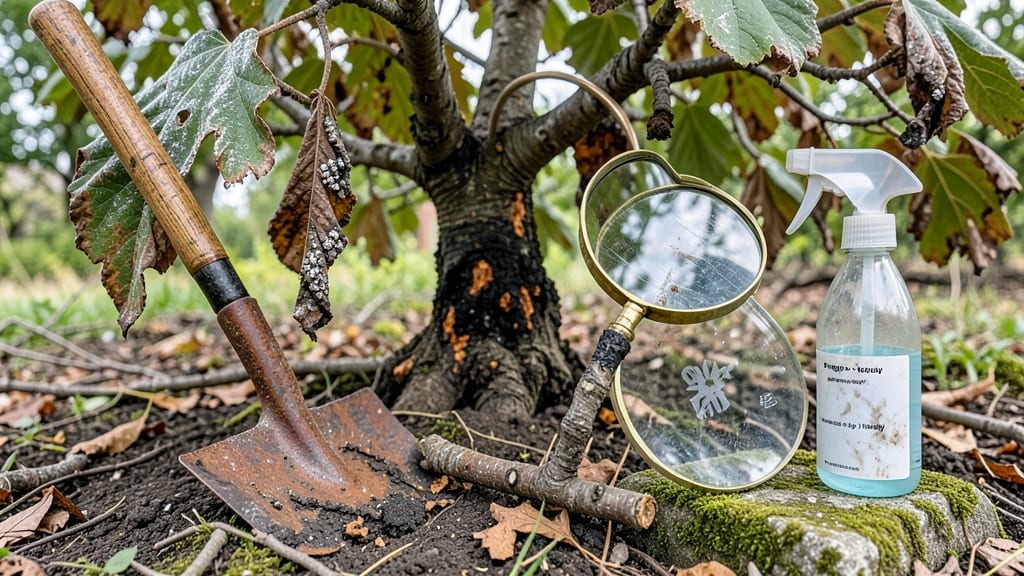
Your mulberry tree killer—drooping branches and yellowing leaves—doesn’t have to mean the end. Root rot rescue is simpler than you think. 🌱 I’ve nursed back mulberries with advanced decay using just three targeted steps, and you can too, even if you’ve tried everything else.
The key? Stopping the rot before it spreads, and I’ll show you exactly how to do it without harsh chemicals.
Root rot sneaks in when mulberries sit in soggy soil for too long, inviting fungi to feast on their roots. Scale insects and borers also weaken trees, making them vulnerable—but the good news is that fixing it starts with proper drainage and a few natural treatments** that work fast.
I’ve seen trees bounce back in as little as 6 weeks with the right approach.
You’ll learn to diagnose the problem, apply a foolproof soil fix, and protect your tree from future stress. No guesswork—just clear, step-by-step actions that actually work, even for beginners. The best part? Your mulberry could be thriving again by next season.
Whether you’re dealing with a young sapling or a mature tree, these methods adapt to any size. Let’s get your mulberry back to its lush, berry-producing self—without the frustration.
Root Rot’s Silent Invaders
Root rot isn’t just a random act of nature—it’s often the result of specific, avoidable conditions that create the perfect storm for fungal pathogens like Phytophthora or Pythium to take hold. Understanding these triggers is half the battle in saving your mulberry tree.
Below, we break down the root causes (pun intended) of root rot and why they turn your tree’s health into a slow-motion disaster.
Mulberry trees thrive in well-draining soil, but when water pools around their roots for extended periods, it creates an oxygen-deprived, anaerobic environment—the ideal breeding ground for root-rotting fungi. Here’s why it happens:
- Compacted or heavy clay soil: Clay holds water like a sponge, suffocating roots. If your tree sits in a low-lying area or a spot where water naturally collects, roots stay soggy for days.
- Excessive irrigation: Automated sprinklers, overzealous watering, or even well-meaning but misguided daily hoses can drown roots faster than they can dry out.
- Lack of organic matter: Soil rich in compost or mulch improves drainage, but if your tree’s roots are buried in pure clay or sand with no structure, water has nowhere to go but into the roots themselves.
💡 Pro Tip: Test your soil’s drainage by digging a 12-inch hole near the tree, filling it with water, and timing how long it takes to drain. If it’s still wet after 6 hours, you’ve got a drainage issue.
Root rot isn’t just about water—it’s about fungal hitchhikers waiting for the right moment to strike. These pathogens are everywhere, but they only cause damage when conditions are just right:
- Spores in contaminated soil: If previous plants in the same spot suffered from root rot, the spores may still linger, ready to infect your mulberry tree.
- Wet foliage and mulch: Fungal spores splash onto leaves or mulch during rain, then travel down to the roots when water runs off.
- Weakened tree defenses: Stressed trees (from drought, poor nutrition, or pests) have lower resistance to fungal attacks.
🔥 Key Insight: Phytophthora and Pythium thrive in moisture above 60°F (15°C). If your tree’s roots are consistently warm and wet, the fungi explode in growth.
Temperature swings can shock mulberry trees, weakening their immune system and making them vulnerable to root rot. Here’s how:
- Heatwaves + drought: When soil bakes hard, roots struggle to absorb water. If you then overwater to compensate, the sudden influx can flood and rot compromised roots.
- Frost damage: Cold snaps can kill root tips, creating entry points for fungi. Thawing followed by heavy rain? Double trouble.
- Poor airflow: Dense mulch or crowded plantings trap heat and moisture, turning the root zone into a fungal sauna.
✨ Prevention Hack: Mulch 3–4 inches deep (not more!) and keep it 2–3 inches away from the trunk to balance moisture and airflow.
Root rot doesn’t happen in a vacuum—it’s the perfect storm of water, fungi, and stress. The good news? Once you identify the culprit, you can flip the script and rescue your mulberry tree. Next up: How to Spot the Signs Early.
Fixing Root Rot in Mulberry Trees
Root rot in mulberry trees can feel like a death sentence, but with the right approach, you can nurse your tree back to health—or even prevent it from happening in the first place.
Below, we’ve broken down practical, step-by-step solutions tailored to the most common causes of root rot, plus prevention tips to keep your mulberry thriving for years.
If your mulberry’s roots are drowning in soggy soil, the first order of business is improving drainage. Poor drainage is the #1 culprit behind root rot, and luckily, it’s one of the easiest fixes.
🔥 How to Fix It:
- Raise the Soil Level 🏗️ Mound soil around the base of the tree (but not up against the trunk) to create a slight elevation.
This encourages water to flow away from the roots instead of pooling around them. - Pro Tip: Use a mix of garden soil, compost, and coarse sand (50/30/20 ratio) for better aeration.
- Amend Compacted Soil 🌿 If your soil is heavy clay, mix in organic matter like:
- Peat moss
- Perlite
- Wood chips (avoid fresh wood—it can mat and trap moisture)
- Avoid: Pure mulch piles against the trunk (this creates a "mulch volcano" that suffocates roots).
- Install French Drains (For Severe Cases) 💧 If your yard has natural low spots or the area stays waterlogged after rain, consider a simple DIY French drain: 1.
Dig a trench (12–18 inches deep) away from the tree’s drip line. 2. Line it with landscape fabric. 3. Fill with gravel and a perforated pipe to redirect water.
💡 Prevention Tip:
- Test Your Soil 📊 – Use a soil moisture meter or the "squeeze test" (grab a handful of soil—if it stays clumped, drainage is poor).
- Plant in Mounds 🏔️ – When planting new mulberries, create a small hill (6–12 inches high) in the planting hole to start with better drainage.
If root rot is caused by fungal pathogens (like Phytophthora or Armillaria), you’ll need to combine pruning with targeted treatments to break the cycle.
🍳 How to Fix It:
- Prune Infected Roots (If Possible) ⚔️
- For small trees: Carefully dig around the root zone and trim black, mushy roots with sterilized pruners.
- For large trees: Focus on above-ground pruning to reduce stress (thin out dense branches to improve airflow).
- Warning: Only attempt root pruning if the tree is young or the rot is localized.
Older trees may not recover.
- Apply Fungicidal Treatments 🛡️
- Copper-based fungicides (like copper sulfate) – Spray on soil and lower trunk to prevent spore spread.
- Neem oil (natural option) – Mix with water and apply to roots (follow label rates).
- Beneficial microbes – Use mycorrhizal fungi or Trichoderma products to outcompete harmful pathogens.
- Remove Mulch & Debris 🧹
- Clear away old mulch, leaves, and wood chips from the base of the tree (these trap moisture and fungi).
- Replace with a 2–3 inch layer of coarse mulch (like pine straw or shredded bark) away from the trunk.
🔥 Prevention Tip:
- Avoid Overwatering 💦 – Mulberries prefer deep, infrequent watering. Let the top 2–3 inches of soil dry out between waterings.
- Disinfect Tools 🧼 – Clean pruners with rubbing alcohol between cuts to prevent spreading disease.
Sometimes, root rot is a secondary issue caused by over-fertilizing, pests, or extreme weather. Adjusting your care routine can help the tree recover.
👨🍳 How to Fix It:
- Flush the Soil 🚰 If fertilizer buildup is the issue, leach the soil with:
- 2–3 inches of water applied slowly over 1–2 days.
- Repeat monthly until soil tests show balanced nutrients.
- Control Pests First 🐜
- Root borers or nematodes can weaken roots, making them susceptible to rot.
- Treat with beneficial nematodes (Steinernema carpocapsae) or neem oil sprays.
- Adjust Watering Schedule ⏰
- Morning watering (before 10 AM) reduces fungal growth from evening moisture.
- Drip irrigation (instead of overhead sprinklers) keeps foliage dry.
✨ Prevention Tip:
- Mulch Correctly 🌟 – Keep mulch 3–4 inches deep and 6 inches away from the trunk to prevent rot.
- Monitor Soil pH 📉 – Mulberries prefer slightly acidic soil (6.0–7.0).
Test annually and amend with lime (to raise pH) or sulfur (to lower pH) as needed.
If your mulberry tree is severely infected (wilted, oozing roots, or widespread rot), salvage pruning and emergency care may be the last hope:
- Prune Aggressively – Remove 20–30% of the canopy to reduce stress.
- Apply Hydrogen Peroxide (3%) – Soak roots in a 1:10 water solution to kill fungi (use cautiously—it’s strong!).
- Consider a Root Hormone Treatment 💊 – Products like Rootone can stimulate new root growth in stressed trees.
Last Resort: If the tree is beyond saving, remove it completely and solarize the soil (cover with clear plastic for 4–6 weeks in summer) to kill remaining pathogens before replanting.
Remember: Root rot recovery takes time and patience. Monitor your tree’s progress, adjust treatments as needed, and soon you’ll see new green leaves—the ultimate sign of a comeback! 🌿💚
Frequently asked questions
What are the first signs that my mulberry tree has root rot?
Look for yellowing leaves that start at the bottom and spread upward, wilting branches even when soil feels moist, and a mushy, foul-smelling root system when you gently dig near the base. If the bark appears cracked or oozing, it’s a sign of advanced decay.
Can I save a mulberry tree if the roots are completely black and mushy?
It depends on the tree’s size and overall health. For young trees, prune the rotted roots and treat with copper fungicide or hydrogen peroxide. Older trees may not recover—if 50%+ of roots are dead, removal and soil solarization might be the only option.
How often should I water a mulberry tree to prevent root rot?
Water deeply once a week (or every 10 days in dry climates), ensuring the top 6 inches of soil are moist but not soggy. Mulberries hate consistent wet feet—always let the soil dry slightly between waterings.
Are there natural remedies to treat mulberry root rot?
Yes! Try a 1:10 hydrogen peroxide solution (3% concentration) to kill fungi, or apply neem oil mixed with water to the root zone. Beneficial microbes like Trichoderma also outcompete harmful pathogens. For drainage, mix perlite or sand into compacted soil.
Will removing the mulberry tree kill the fungi in the soil?
Not always—fungal spores can linger for years. After removal, solarize the soil (cover with clear plastic for 4–6 weeks in summer) to kill remaining pathogens. Avoid planting another mulberry in the same spot for at least 2 years.