
Pruning
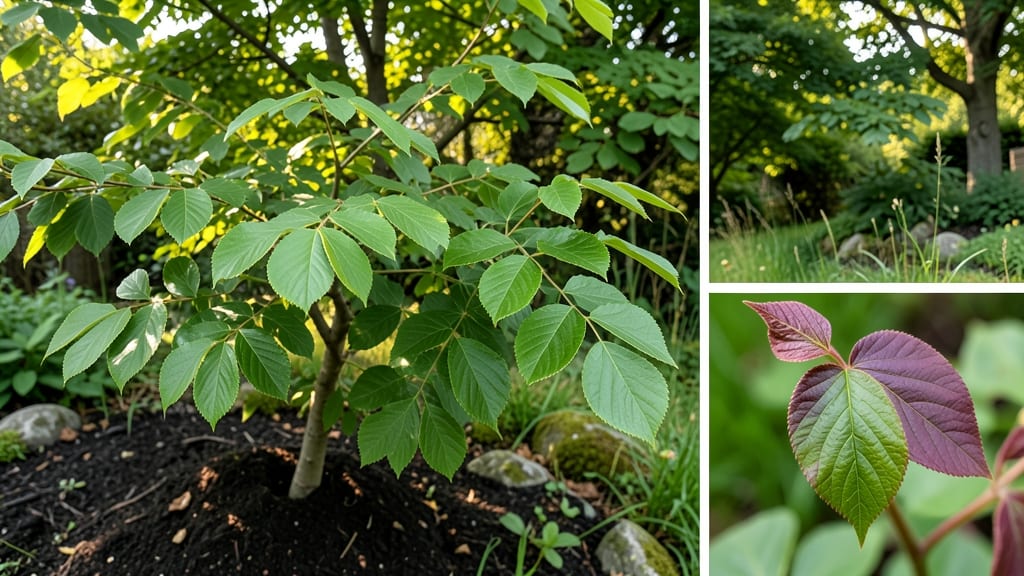
Mastering mountain ash tree leaf identification starts with those serrated edges and feathered clusters that make them unmistakable once you know what to look for. 🌿 I’ve spent years studying these trees, and the leaves—with their fine-toothed edges and pinnate arrangement—are the first clue to spotting them in the wild or your own yard.
But they’re often confused with rowan or serviceberry, so let’s break down the key differences that separate mountain ash from its look-alikes.
The real giveaway is how the leaves grow: 5-11 leaflets per stem, each with a sawtooth edge and a pointed tip, arranged like a feather. The veins are prominent but delicate, and the undersides often have a slightly fuzzy texture.
Compare that to rowan’s single, smooth-edged leaves or serviceberry’s oval, entire-margined foliage, and the distinction becomes clear—especially when you factor in the bright red berries mountain ash produces in fall.
Why does this matter? Accurate identification means you’ll know whether you’re dealing with a native species (like Sorbus americana) or an invasive look-alike. Mountain ash trees thrive in moist, well-drained soil and full sun, so proper care depends on getting the species right.
Plus, their ornamental value—those fiery berries and golden fall foliage—makes them a standout in any landscape.
Next, we’ll dive into how to confirm your ID by checking the bark, fruit, and habitat—because even the most experienced gardeners need a second clue to be sure. Trust me, you’ll spot them everywhere once you know what to look for.
Understanding Leaf Changes in Mountain Ash
Mountain ash trees (Sorbus spp.) are prized for their stunning foliage, but leaf abnormalities can signal underlying issues. If you’ve noticed irregularities in your tree’s leaves—such as distorted shapes, discoloration, or unexpected patterns—here’s why it happens, broken down by the most common causes.
Mountain ash trees are resilient, but extreme or prolonged environmental conditions can push them beyond their limits. When leaves develop irregular edges, yellowing, or stunted growth, the culprit is often environmental stress. Here’s how it works:
- Temperature Fluctuations 🌡️ - Mountain ash thrives in USDA Zones 3–7, but sudden temperature swings—especially late frosts or early heatwaves—can shock the tree.
Cold snaps in spring can damage emerging leaves, while scorching summer heat (above 90°F/32°C) causes leaf scorch, turning edges brown and crispy. - Actionable fix: Mulch the root zone to regulate soil temperature and water deeply during droughts to reduce heat stress.
- Water Imbalance 💧 - Overwatering leads to soggy soil, suffocating roots and causing yellowing leaves (chlorosis) or blackened edges due to fungal infections like Phytophthora. - Underwatering triggers leaf curling, browning tips, and premature drop, as the tree conserves moisture by shedding foliage. - Actionable fix: Test soil moisture 2–3 inches deep—water when dry but avoid waterlogged conditions.
Drip irrigation or soaker hoses mimic natural rainfall.
- Wind and Physical Damage 🌬️ - Mountain ash leaves are delicate, and strong winds can tear edges or bruise foliage, creating ragged, serrated-like damage. This mimics pest-related issues but lacks the telltale trails of insects. - Actionable fix: Plant windbreaks (like evergreens) or stake young trees to prevent flopping.
Prune to improve airflow and reduce stress.
When leaves develop unusual patterns, holes, or sticky residues, pests and pathogens are often to blame. Mountain ash is susceptible to several specific threats:
- Spider Mites and Sawfly Larvae 🕷️🐛 - Spider mites (tiny red/yellow pests) suck sap, causing stippled, yellowed leaves with fine webbing. Sawfly larvae chew leaves into lacy, skeletonized patterns, often starting at the edges. - Actionable fix: Blast leaves with water to dislodge mites or handpick larvae.
Use neem oil or insecticidal soap for severe infestations.
- Fungal Infections (Anthracnose, Leaf Spot) 🍄 - Anthracnose (Gloeosporium spp.) thrives in wet conditions, causing dark, irregular spots with yellow halos and premature leaf drop. Leaf spot fungi (e.g., Marssonina) create tiny brown/black specks along leaf margins. - Actionable fix: Remove infected leaves promptly and prune for airflow.
Apply copper fungicide in spring before new growth emerges.
- Scale Insects and Aphids 🐞 - These sap-sucking pests cluster on leaf undersides, excreting sticky honeydew that attracts sooty mold. Leaves may curl, yellow, or develop black fungal growth. - Actionable fix: Spray with horticultural oil in dormant season or use soapy water to knock off adults.
Introduce ladybugs (natural predators).
Mountain ash trees are light feeders, but poor soil can lead to leaf discoloration or stunted growth. Common deficiencies include:
| Symptom | Likely Cause | Solution |
|---|---|---|
| Yellowing between veins (chlorosis) | Iron deficiency (common in alkaline soil) | Apply chelated iron or sulfur to acidify soil. Use Epsom salt (mild magnesium boost). |
| Purple/red tinged leaves | Phosphorus deficiency | Work in bone meal or compost into the soil in early spring. |
| Small, pale leaves | Nitrogen deficiency | Use balanced fertilizer (10-10-10) in spring or composted manure. |
| Leaf edges burn brown | Potassium deficiency | Apply wood ash or potassium sulfate in late summer. |
- Pro Tip: 💡 Test your soil (pH and nutrients) before fertilizing—overdoing it can harm roots. Mountain ash prefers slightly acidic to neutral soil (pH 6.0–7.0).
Not all leaf changes are cause for alarm! Mountain ash has natural variations and seasonal adaptations:
- Compound Leaf Clusters 🌿
- Mountain ash leaves are pinnately compound (7–11 leaflets), but juvenile trees may produce simpler, lobed leaves before maturing. This is normal!
- Actionable fix: None—wait 2–3 years for the tree to develop its classic compound structure.
- Fall Color Changes 🍂
- In autumn, leaves turn bright red, orange, or yellow due to anthocyanin and carotenoid pigments. This is healthy, not a disease!
- Actionable fix: Enjoy the show—but if leaves drop early, check for drought stress or pests.
- Variegation or Sport Leaves 🎨 - Some mountain ash cultivars (e.g., Sorbus aucuparia ‘Edulis’) develop creamy-white or pink-edged leaves due to genetic mutations. These are harmless but may indicate a grafted tree (common in ornamental varieties). - Actionable fix: If you love the look, propagate the sport!
Otherwise, prune to remove unsightly sections.
Sometimes, poor maintenance practices mimic natural issues. Keep an eye out for:
- Pruning Wounds ⚠️ - Improper cuts (too close to the trunk or jagged edges) create entry points for disease and stress the tree. Leaves near wounds may yellow, wilt, or develop fungal growth. - Actionable fix: Prune in late winter/early spring using clean, sharp tools.
Make cuts at a 45° angle just outside the branch collar.
- Chemical Burn 🧴
- Overuse of herbicides, fungicides, or even tap water with high chlorine can bleach or crisp leaf edges.
- Actionable fix: Always follow label rates and water plants after spraying to dilute chemicals.
- Soil Compaction 🏗️
- Heavy foot traffic or construction near the tree’s roots restricts water/oxygen flow, leading to stunted growth and chlorotic leaves.
- Actionable fix: Mulch heavily (3–4 inches) and aerate compacted soil with a garden fork.
Leaf abnormalities in mountain ash are almost always diagnosable by their pattern, timing, and location. Start with environmental checks (water, sun, wind), then inspect for pests/diseases, and finally rule out nutritional or human errors.
Most issues are reversible with targeted care—so grab your magnifying glass and get investigating! 🔍🌳
Quick Fixes for Mountain Ash Leaf Issues
When your mountain ash tree’s leaves start looking less than vibrant—whether it’s due to pests, disease, or environmental stress—acting fast can make all the difference. Below, we break down the most common problems and their practical, step-by-step solutions, plus tips to keep your tree thriving long-term.
If you spot chewed leaves, sticky residue, or tiny insects crawling on the foliage, pests are likely the culprit.
🐛 Aphids or Spider Mites?
🔹 Cause: These sap-sucking pests weaken leaves, causing yellowing, curling, or webbing. 🔹 Fix: 1. 💦 Spray with a strong water jet – Blast aphids off leaves with a hose (early morning works best).
- 🧴 Apply neem oil or insecticidal soap – Mix 1 tbsp neem oil with 1 quart of water, spray undersides of leaves (where pests hide).
- 🐞 Introduce beneficial insects – Ladybugs and lacewings eat aphids naturally. Buy them online or attract them with dill or fennel plants nearby.
💡 Prevention Tip: Prune regularly to improve airflow—pests love crowded, damp foliage.
🪰 Caterpillars or Sawfly Larvae?
🔹 Cause: Ragged edges or skeletonized leaves mean hungry caterpillars are munching away. 🔹 Fix: 1. 🕵️ Handpick larvae – Drop them into soapy water (especially effective for large infestations).
- 🌿 Use Bacillus thuringiensis (Bt) – A natural bacteria spray that kills caterpillars but is safe for bees.
- 🧹 Remove heavily damaged leaves – Bag and dispose of them to stop the cycle.
💡 Prevention Tip: Wrap the trunk with tree bands in spring to trap emerging adults before they lay eggs.
If leaves turn yellow, brown, or develop spots, fungal diseases or nutrient deficiencies are often to blame.
🍄 Powdery Mildew or Leaf Spot
🔹 Cause: White powdery coating or dark spots? Fungal spores thrive in humid, shaded conditions. 🔹 Fix: 1. ✂️ Prune for better airflow – Remove dense branches to let sunlight and air circulate.
- 🌿 Apply copper fungicide or baking soda spray – Mix 1 tsp baking soda, 1 tbsp horticultural oil, and a drop of dish soap in 1 quart of water. Spray every 7–10 days.
- 💧 Water at the base, not overhead – Wet leaves encourage fungal growth.
💡 Prevention Tip: Space trees properly (15–20 ft apart) and avoid overhead irrigation.
🟡 Yellowing Leaves (Nutrient Deficiency)
🔹 Cause: Pale or yellowing leaves often mean iron, magnesium, or nitrogen deficiency. 🔹 Fix: 1. 🌱 Test your soil – A simple home kit ($10–$20) can reveal deficiencies.
- 💊 Apply slow-release fertilizer – Use a balanced 10-10-10 or iron chelate for quick results.
- 🍂 Mulch with compost – A 2–3 inch layer retains moisture and adds nutrients over time.
💡 Prevention Tip: Mountain ash trees prefer acidic soil (pH 5.0–6.5)—test annually and amend with pine needles or sulfur if needed.
Sometimes, the issue isn’t pests or disease—it’s poor growing conditions.
☀️ Too Much Sun or Wind Burn
🔹 Cause: Scorched, crispy leaf edges mean your tree is getting too much direct sun or harsh winds. 🔹 Fix: 1. 🌳 Provide afternoon shade – Plant near other trees or use shade cloth (30–50% coverage).
- 💧 Deep watering 2–3x per week – Helps leaves recover from stress.
- 🪓 Prune to reduce wind exposure – Trim outer branches to create a more rounded shape.
💡 Prevention Tip: Mountain ash trees love partial shade—avoid planting in full sun without protection.
💧 Overwatering or Poor Drainage
🔹 Cause: Yellowing leaves with mushy stems or root rot mean the soil is too wet. 🔹 Fix: 1. ⏰ Adjust watering schedule – Water deeply once a week (or less in winter) and let the top 2 inches of soil dry out.
- 🏗️ Improve drainage – Amend soil with perlite or sand, or plant on a slight mound.
- 🪴 Check for root rot – If roots smell foul, trim affected areas and repot in fresh soil.
💡 Prevention Tip: Mountain ash trees hate soggy feet—never plant in low-lying areas where water pools.
To keep your mountain ash tree’s leaves lush and healthy, follow this simple routine:
- 🌿 Spring: Prune dead branches, apply fertilizer, and watch for early pests.
- ☀️ Summer: Water deeply but less frequently; monitor for fungal issues.
- 🍂 Fall: Mulch heavily to protect roots from winter cold.
- ❄️ Winter: Avoid pruning (dormant trees heal slower); remove any remaining diseased leaves.
By tackling issues early and proactively, your mountain ash will reward you with vibrant, serrated-edged foliage for years to come! 🌳💚
Frequently asked questions
How do I tell mountain ash leaves apart from rowan or serviceberry?
Mountain ash leaves are pinnately compound with 5-11 serrated leaflets arranged like a feather, while rowan has single, smooth-edged leaves with 5-7 lobes. Serviceberry leaves are oval with entire margins and often hairy underneath. The real clue? Mountain ash produces bright red berries in clusters—rowan's are orange-red and serviceberry's are blue-black.
Why are my mountain ash leaves turning brown at the edges?
Brown edges usually mean underwatering, wind burn, or excessive salt buildup from tap water. Check soil moisture 2-3 inches deep—water when dry. If near coastal areas, use rainwater or distilled water to avoid salt damage. For severe cases, apply mulch to retain moisture and reduce evaporation.
Can I grow mountain ash trees from seed?
Yes, but it takes 2-3 years for seedlings to develop their classic compound leaf structure. Start with fresh seeds (remove flesh), stratify them in moist sand for 3 months at 40°F, then plant in well-draining soil. Young trees grow slowly—expect 12-24 inches per year. For faster results, buy grafted nursery trees.
Are mountain ash leaves toxic to pets?
No, mountain ash leaves and berries are non-toxic to dogs and cats. However, the berries can cause mild stomach upset if eaten in large quantities. The real concern is pesticides—always wash leaves before composting or using as mulch if you've treated the tree chemically.
What's the best time of year to identify mountain ash leaves?
Spring and early summer are ideal—leaves are fully developed but before fall color changes mask their true shape. Look for new growth in May when leaflets unfurl. Avoid autumn when leaves turn red/orange—the color can obscure the serrated edges and compound arrangement that define mountain ash.