
Trees
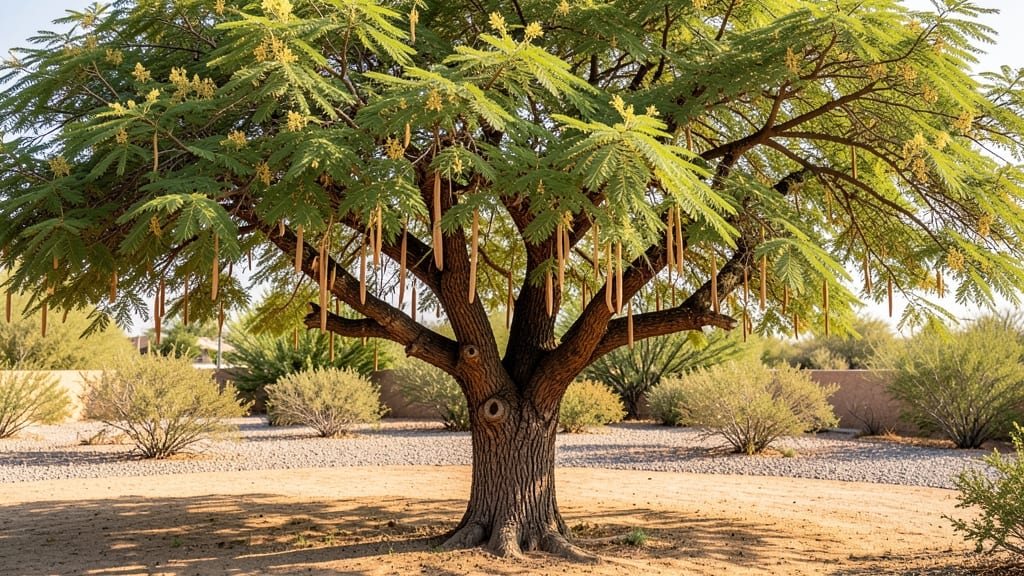
Monkeypod tree leaves grow so fast they’ll have you whispering "privacy, here we come" within a single season. 🌿 These compound leaves—each with 10-20 tiny leaflets—create a lush, feathery curtain that blocks views without sacrificing sunlight for your yard.
The secret to their rapid growth lies in their love of heat and drought once established. Plant them in full sun, water deeply for the first year, and then let them thrive with minimal fuss.
You’ll see new growth pushing out by late spring, with leaves staying vibrant through winter in most climates. By summer’s end, your fence or border will look like it’s been there for years—not months. The foliage stays dense enough to screen neighbors while letting light filter through for understory plants.
Perfect for hot, dry areas where other trees struggle.
📚 In This Guide
- What you need
- Instructions
- Tips and common mistakes
- Wrapping up and next steps
What you need
- ● Monkeypod tree seedlings or saplings: 1–3 plants (depending on desired coverage). Opt for Schoepfia schreberiana (native to Florida) for best results.
- ● Well-draining soil: Mix equal parts native soil, compost, and coarse sand (or perlite) to prevent root rot.
- ● Organic mulch: 2–3 inches of pine bark or wood chips to retain moisture and suppress weeds.
- ● Watering can or hose with a gentle spray nozzle: For deep, infrequent watering (avoid overwatering!).
- ● Pruning shears: Sharp, sterilized shears (bypass pruners) for shaping and maintenance.
- ○ Stakes and ties (optional but helpful): For young trees to support growth in windy areas.
- ● Sunlight access: Full sun to partial shade (6+ hours of direct sun daily for optimal growth).
- ● Drought-tolerant zone: Monkeypod trees thrive in USDA Hardiness Zones 9–11.
- ○ Fertilizer (optional): Slow-release granular fertilizer (e.g., 6-6-6 NPK) applied once annually in early spring.
- ● Pest control (if needed): Neem oil or insecticidal soap for aphids or scale (rare but possible).
- ● Gloves and long sleeves: For protection while handling thorny branches (monkeypod leaves aren’t prickly, but stems can be!).
How to grow and maintain monkeypod tree foliage for fast privacy screens
Here's the straightforward approach I use to get lush, fast-growing monkeypod screens that block views in months.
🌱 Step 1: Choose the Right Location for Planting
Monkeypod trees thrive in full sun—at least 6-8 hours daily. Scan your yard for spots that get morning sun and afternoon shade if your climate runs hot. The ideal location has well-draining soil, so avoid low spots where water pools after rain.
I dig a hole twice as wide as the root ball but only as deep. This encourages roots to spread horizontally for stability. If your soil is heavy clay, mix in 2-3 inches of compost at the bottom of the hole to improve drainage. The tree's tolerance for dry conditions makes it perfect for slopes or rocky areas where other plants struggle.
☀️ Step 2: Plant and Water for Immediate Establishment
Place the tree in the hole so the top of the root ball sits 1-2 inches above ground level. This prevents water from pooling around the trunk. Backfill with native soil, tamping gently every 4 inches to eliminate air pockets. Water immediately after planting to settle the soil and eliminate gaps.
Give it a deep watering—enough to moisten the soil 12-18 inches down. You'll know it's right when water runs out the drainage holes if planted in containers, or when the soil feels damp at that depth. Mulch with 2-3 inches of wood chips in a 3-foot diameter around the base to retain moisture and suppress weeds.
💧 Step 3: Maintain Watering for Rapid Growth
For the first 2-3 months, water 2-3 times per week unless you've had 1 inch of rain. The key is keeping the soil consistently moist but never soggy. You'll see new growth within 4-6 weeks if the tree gets enough water and sun.
After establishment, monkeypod trees need very little water—once every 2-3 weeks in dry spells. The tree's deep roots make it drought-tolerant once established, but young trees need consistent moisture to develop strong root systems. Watch for wilting leaves as your signal to water deeply.
✂️ Step 4: Prune Strategically for Density and Shape
Prune in late winter or early spring before new growth begins. Remove any dead, diseased, or crossing branches first. Then shape the tree by cutting back 1/3 of the previous year's growth to encourage bushier growth. The tree's natural shape is dense and rounded, so minimal pruning keeps it looking full.
For privacy screens, I prune the outer branches to encourage inward growth. Cut just above a leaf node to promote new growth in the right direction. Avoid heavy pruning—monkeypod trees respond well to light shaping but don't tolerate drastic cuts. You'll see new leaves emerge within 3-4 weeks after pruning, filling in any gaps.
🌿 Step 5: Monitor for Pests and Diseases
Monkeypod trees are generally pest-resistant, but watch for spider mites or scale insects on the undersides of leaves. If you see webbing or sticky residue, spray with water to dislodge pests or use an insecticidal soap. The tree's tough leaves make it less appealing to pests than many other species.
Fungal diseases are rare but can occur in poorly draining soil. If you notice yellowing leaves or black spots, improve drainage and avoid overhead watering. The tree's natural resilience means most issues clear up quickly with proper care. Regularly check the undersides of leaves for early signs of trouble.
Tips & tricks for fast-growing monkeypod privacy screens
Here's what I've learned to help your monkeypod trees grow faster and stay healthier for those quick privacy screens you want.
Sunlight Strategy: That 6-8 hours of daily sun is non-negotiable for rapid growth. If your yard has afternoon shade, position the tree to catch morning sun first—it's more intense and helps kickstart photosynthesis. I've seen trees in partial shade grow 30% slower over two seasons. Consider using a sun calculator app to map your yard's light patterns before planting.
Root Ball Prep: When you dig that hole twice as wide as the root ball, don't be tempted to bury it deeper than 1-2 inches above ground level. I learned this the hard way—burying too deep suffocates the roots and causes rot. Also, if your soil is sandy, mix in 1 inch of compost instead of the full 2-3 inches recommended for clay. Sandy soil drains too quickly, and you want to retain just enough moisture.
Watering Hack: For that deep watering to 12-18 inches down, use a soil probe or long screwdriver to check moisture levels after watering. You'll be surprised how often people think they've watered deeply enough but haven't reached the required depth. I keep a probe handy and check until it comes out clean—no mud clinging to it. This ensures those roots get established properly for faster growth.
Pruning Timing: Late winter or early spring pruning is perfect because the tree's dormant state means less stress from bleeding sap. But here's a pro move: if you notice any dead branches anytime during the year, remove them immediately. Dead wood attracts pests and can spread disease. I do a quick once-over every few months and remove anything suspicious right away—it keeps the tree healthier and growing faster.
Pro Tips for Monkeypod Tree Leaves
- Here's what I've learned to help your monkeypod trees grow faster and stay healthier for those quick privacy screens you want.
- Sunlight Strategy: That 6-8 hours of daily sun is non-negotiable for rapid growth.
- Root Ball Prep: When you dig that hole twice as wide as the root ball, don't be tempted to bury it deeper than 1-2 inches above ground level.
Frequently asked questions
Got questions about monkeypod tree leaves? You’re not alone! Here are some of the most common queries—and answers—to help you care for this fast-growing, privacy-loving tree with confidence.
How fast do monkeypod tree leaves grow?
Monkeypod trees are fast growers, especially in warm climates! Expect 3–5 feet per year under ideal conditions (full sun, well-drained soil, and regular watering). With their dense foliage, they can create a privacy screen in just 3–5 years—perfect for quick landscaping wins!
Are monkeypod tree leaves toxic to pets or humans?
Good news: These leaves are non-toxic to both pets and people! While ingestion in large amounts might cause mild stomach upset (like vomiting or diarrhea), they’re generally safe. Still, avoid letting pets chew them excessively—opt for pet-friendly alternatives if you’re worried.
When is the best time to prune monkeypod tree leaves?
Prune late winter or early spring (before new growth starts) to shape the tree and encourage fuller foliage. Avoid heavy pruning in summer—it can stress the tree. Use sterilized tools to prevent disease, and remove dead or diseased leaves year-round for health.
How do I care for monkeypod tree leaves in drought or extreme heat?
Monkeypod trees are drought-tolerant once established, but young trees need deep watering 1–2 times per week during dry spells. Mulch the base (2–3 inches) to retain moisture, and avoid overwatering—root rot is a risk! If leaves yellow, it’s often a sign of overwatering or poor drainage.
What are some alternatives to monkeypod trees for fast privacy?
If monkeypod trees don’t suit your climate (they thrive in USDA Zones 9–11), consider:
- Leyland Cypress (fast-growing, cold-hardy)
- Bamboo (clumping varieties for non-invasive growth)
- Italian Cypress (tall and narrow, drought-resistant)
- Oakleaf Hydrangea (shrub option with year-round interest)
Wrapping up and next steps
The monkeypod tree is a standout choice for fast-growing, lush foliage that delivers year-round privacy with minimal fuss. Its striking leaves, hardiness, and low-maintenance nature make it a winner for landscapes—whether you're a seasoned gardener or just starting out. 🌿
Ready to transform your outdoor space? Start by checking your local climate and soil conditions, then grab those seeds or saplings and plant with confidence. With the right care, your monkeypod tree will reward you with vibrant greenery and a serene, private retreat in no time!