
Pruning
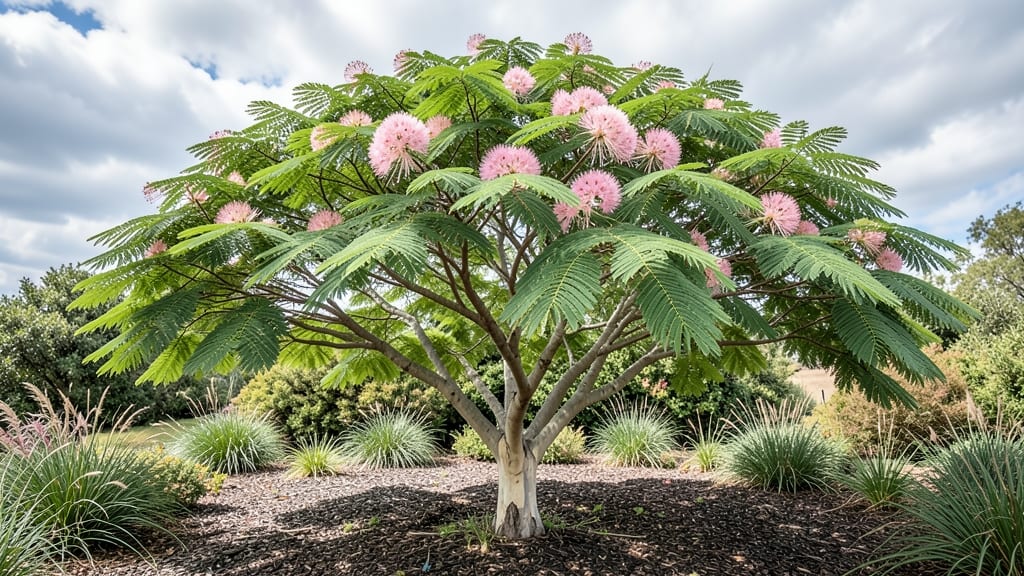
Growing mimosa trees in Utah requires selecting cold-hardy varieties like the Albizia julibrissin (silk tree) or Mimosa pudica (sensitive plant) that handle Utah's dry climate and seasonal temperature swings. These species thrive with proper soil preparation, wind protection, and winter mulching to ensure survival through harsh winters.
Utah's unique climate—with its cold winters and hot, dry summers—demands special attention when cultivating mimosa trees. 🌵 The key to success lies in choosing varieties that naturally adapt to these conditions, such as the silk tree, which can tolerate temperatures down to -15°F when established.
Unlike tropical mimosa species, these hardy options also resist Utah's alkaline soils and occasional drought spells once they're well-rooted.
For optimal growth, focus on well-draining soil with a slightly acidic to neutral pH, and always plant in areas protected from Utah's fierce winds. A thick layer of mulch around the base helps regulate soil temperature and retain moisture during the state's dry seasons.
I've found that young trees benefit most from this extra care, as their root systems establish more quickly with consistent moisture and protection.
💡 In This Article
- Best Cold-Hardy Mimosa Varieties for Utah Gardens
- Utah-Specific Mimosa Tree Care Guide: Soil, Water, and Winter Protection
Best cold-hardy mimosa varieties for Utah gardens
Utah's USDA hardiness zones 5-7 present unique challenges for mimosa trees, but three varieties stand out for their resilience. The Albizia julibrissin (silk tree) is a top performer, with its fuzzy pink blooms thriving in -15°F temperatures once established.
Its deep root system helps it access moisture in Utah's dry soil, while its compound leaves reduce water loss through transpiration. 🌸 This variety also handles Utah's alkaline soils better than most mimosa species, thanks to its natural ability to tolerate slightly basic pH levels.
The Mimosa pudica (sensitive plant) offers a completely different experience—its delicate, feathery foliage folds at the slightest touch, making it a fascinating conversation piece.
While it prefers warmer climates, some gardeners in southern Utah (zones 6-7) grow it as an annual or in containers that can be moved indoors during winter. Its drought tolerance is impressive, with roots that spread aggressively to capture moisture in arid conditions.
However, it blooms less reliably in Utah's cooler springs compared to its tropical origins.
For those seeking a fragrant alternative, the Acacia dealbata (silver wattle) produces clusters of golden flowers that fill the air with a honey-like scent during late winter to early spring.
This variety handles Utah's late spring frosts better than most mimosa species, thanks to its early blooming cycle that often finishes before the last frost. Its silvery-blue foliage also provides excellent visual contrast against Utah's red rock landscapes, making it a standout ornamental choice.
When selecting varieties, consider your specific Utah location's microclimate. Northern Utah's colder winters favor the silk tree, while southern Utah's milder winters allow for more experimentation with sensitive plants and wattles.
All three varieties benefit from afternoon shade in Utah's intense summer sun, which helps conserve moisture and prevent leaf scorch—a common issue in the state's high desert regions.
One surprising adaptation these varieties share is their ability to fix nitrogen in the soil. Through symbiotic relationships with rhizobia bacteria in their roots, they enrich the soil with nitrogen, which is particularly beneficial in Utah's often nutrient-poor soils.
This natural fertilization can improve the health of surrounding plants while reducing the need for chemical amendments. 🌱 The silk tree's nitrogen-fixing capabilities are especially pronounced, making it an excellent choice for gardeners looking to improve soil quality over time.
For those interested in bloom timing, the silk tree typically flowers in late spring to early summer, while the silver wattle's golden blooms appear much earlier in the season.
The sensitive plant may produce occasional blooms in ideal conditions, but its primary appeal lies in its interactive foliage rather than flowers. Understanding these bloom patterns helps Utah gardeners plan their landscapes for maximum seasonal interest.