
Pruning
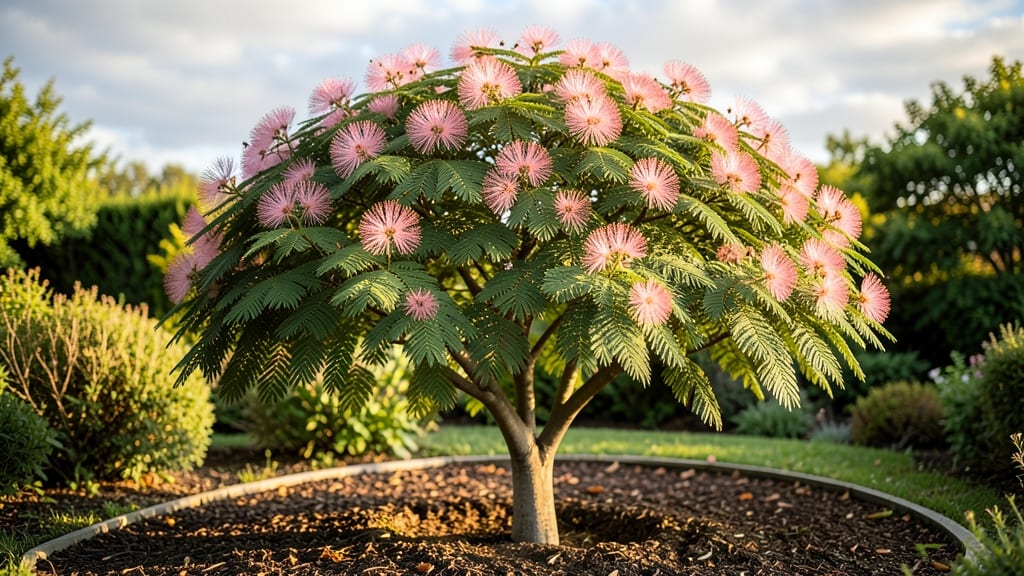
Mimosa trees in Arkansas thrive with strategic pruning to encourage vibrant blooms and strong growth. Trim dead branches in late winter, shape in early spring, and light prune after flowering to maintain health and airflow.
Arkansas's humid subtropical climate means mimosa trees need careful timing to avoid stress during their active growing season. 🌿 The late winter trim removes dead wood before new growth begins, while spring shaping helps direct energy toward flowering.
After blooms fade, a light touch prevents over-pruning—this tree's delicate branches heal best when you work with its natural rhythm rather than against it.
What sets Arkansas apart is the need to monitor humidity levels. High moisture can slow wound healing, so always use sharp tools to make clean cuts at a 45-degree angle just above a leaf node.
I've found that mulching after pruning helps regulate soil moisture while protecting roots from summer heat.
💡 In This Article
- Best Mimosa Tree Pruning Seasons in Arkansas’s Climate
- Step-by-Step Arkansas Mimosa Tree Pruning Guide
Best mimosa tree pruning seasons in Arkansas’s climate
Arkansas's humid subtropical climate creates a unique window for mimosa tree pruning that differs from drier regions. The key is working with the tree's natural dormant period, which typically runs from late January through early March when temperatures average 40-50°F.
During this time, the tree conserves energy, making it far more resilient to pruning stress. 🌸 What most gardeners don't realize is that Arkansas's frequent late frosts (often until mid-March) can damage new growth if pruning occurs too early—aim for after the last expected frost date in your specific zone (Zone 7a-8a).
The tree's blooming cycle also dictates timing, with mimosas flowering in late spring (May-June) after the last frost. Pruning just before blooms emerge helps redirect energy toward vibrant flowers rather than excessive foliage.
Here's the science: mimosas store energy in their roots during dormancy, and strategic cuts in late winter allow this stored energy to fuel spring growth. In Arkansas's high humidity (average 75-80%), wounds take longer to heal, so avoid heavy pruning during summer months when fungal infections thrive.
Pest activity is another critical factor in Arkansas. The mimosa webworm, common in southern states, lays eggs in spring. Pruning too late (after buds swell) can expose fresh cuts to these pests.
I've found that a two-step approach works best: first, remove dead wood in late winter, then do light shaping in early spring before webworms become active. The tree's natural sap flow peaks in spring, so cuts made at this time bleed less than summer cuts.
For Arkansas gardeners, pay special attention to humidity's impact on healing. The state's frequent afternoon thunderstorms create ideal conditions for bacterial infections if cuts aren't made properly. Always use sterilized pruners and make cuts at a 45-degree angle just above a leaf node to promote faster healing.
The tree's delicate branches (typically 1/4-inch thick) require gentle handling—never remove more than 25% of the canopy in any single season.
Seasonal adjustments are key: in Zone 7a areas (north Arkansas), prune slightly earlier to account for later frosts, while Zone 8a (south Arkansas) can extend the dormant season window by about 2 weeks.
The goal is to finish all major pruning before the tree's active growth phase begins in early April. This timing ensures the tree has 6-8 weeks of dormancy recovery before summer's heat and humidity arrive.
What sets Arkansas mimosas apart is their sucker growth habit. These aggressive shoots emerge from the root collar in response to stress or pruning.
The best time to remove them is immediately after their initial flush in early spring—delaying until summer means dealing with 3-4 foot tall shoots that are harder to control. Use a sharp spade to cut at ground level while the soil is still cool and moist from winter rains.
Remember this rule: "When in doubt, wait until late winter". Arkansas's unpredictable weather means the safest approach is to prune as late as possible within the dormant window rather than risking early cuts that could stimulate growth too soon.
The tree's pink puffball flowers will thank you with more abundant blooms if you follow this timing—it's nature's way of rewarding patient gardeners! 🌿