
Size
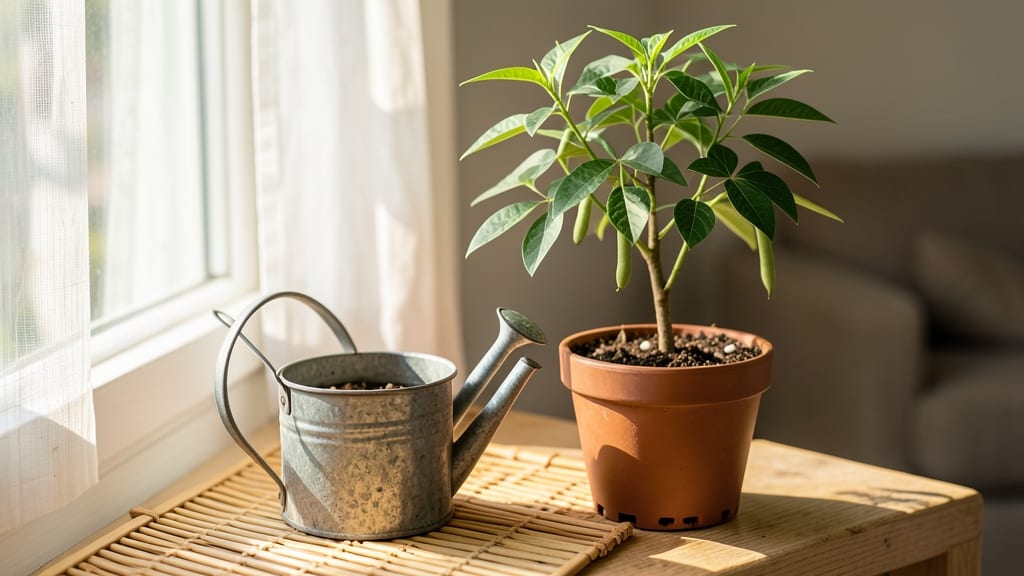
How to grow a moringa tree indoors lets you harvest a fast-growing superfood in just 2 weeks—no greenhouse or backyard needed. 🌱 I’ve grown mine on a sunny windowsill, and the key is mimicking its tropical roots with bright light, warm soil, and frequent watering. The first true leaves appear in days, and you’ll be pinching off branches for fresh greens before you know it.
Start with a 5-7 inch pot and well-draining soil mix—cactus or succulent blend works best. Moringa hates soggy roots, so add perlite or sand to prevent rot.
A grow light (12+ hours daily) keeps it thriving if natural light is weak, and a humidity tray under the pot mimics its native environment. Keep the soil consistently moist but never waterlogged—overwatering is the #1 killer.
By week 3, you’ll have a 3-foot-tall bush with tender leaves packed with protein and antioxidants. Prune regularly to encourage bushier growth, and harvest leaves by snipping the top 2-3 inches—new shoots will sprout within days.
The faster you harvest, the more leaves you’ll get, and the plant stays compact enough for any indoor space.
Watch for spider mites (tiny webs!) or yellowing leaves (overwatering or nutrient deficiency). A weekly foliar spray with neem oil keeps pests away, and a balanced liquid fertilizer every 4 weeks ensures steady growth.
With the right setup, your moringa will outpace store-bought greens in both speed and nutrition—no yard required.
📚 In This Guide
- What you need
- Instructions
- Tips and common mistakes
- Wrapping up and next steps
What you need
- ● Moringa seeds – 3–5 fresh, organic seeds (or dried, if stored properly). Pro tip: 💡 Look for seeds labeled as "non-GMO" for the best results!
- ○ Small pots or containers – 2–4 (4–6 inches in diameter) with drainage holes. Optional: Use biodegradable pots for easy transplanting later.
- ● Well-draining potting mix – 2–3 bags of a lightweight, airy mix (e.g., cactus/succulent blend or a 50/50 mix of potting soil and perlite). Skip the heavy garden soil—moringa hates soggy roots!
- ● Spray bottle – For gentle watering during germination.
- ● Grow lights or a sunny windowsill – A full-spectrum LED grow light (12–16 hours/day) or a south-facing window (6+ hours of direct sunlight).
- ● Humidity dome or plastic wrap – To create a mini greenhouse effect while seeds sprout.
- ○ Fertilizer (optional but helpful) – A balanced liquid fertilizer (e.g., 10-10-10 or fish emulsion) diluted to half-strength. Wait until seedlings are 2–3 inches tall before using.
- ● Patience (but not too much!) – Moringa seeds germinate in 3–14 days (often within 2 weeks!).
- ● Consistent care routine – Daily checks for moisture, light, and humidity.
- ● Space for growth – Moringa can reach 6–10 feet tall indoors if pruned regularly. Plan for a tall container or pruning plan!
Step-by-step instructions for growing moringa indoors
Here's how to coax this nutrient-packed tree from seed to harvest in record time.
🌱 Step 1: Soak Seeds for Faster Germination
Moringa seeds have a hard outer shell that slows sprouting. Place 4 seeds in a small bowl and cover with lukewarm water for 12 hours. You'll see tiny cracks appear—this means the seed coat is softening. I like to soak them overnight on the counter, but never let them dry out during this process.
After soaking, drain the water and let the seeds rest for 1 hour before planting. This brief drying prevents rot once they hit the soil. The reason we soak first is that moringa seeds germinate fastest when pre-hydrated, often sprouting within 24-48 hours instead of the usual week.
🪴 Step 2: Plant Seeds in Well-Draining Soil Mix
Fill a 4-inch diameter pot with a mix of 50% potting soil and 50% perlite—this ensures excellent drainage, which moringa roots demand. Press the soil down gently to create a firm planting surface. Using a pencil, make ½-inch deep holes spaced 1 inch apart.
Place one soaked seed in each hole, then cover lightly with additional soil mix. Gently pat the surface to secure seeds without burying them too deeply. Water immediately with a spray bottle until the soil feels uniformly damp but not soggy. You'll know it's right when water runs through the bottom holes without pooling.
💧 Step 3: Maintain Warmth and Humidity for Sprouting
Cover the pot with clear plastic wrap or a humidity dome to create a mini greenhouse effect. Moringa seeds need 75-85°F soil temperature to germinate quickly. Place the pot on a seedling heat mat if your home runs cooler. You should see tiny sprouts within 3-5 days—watch for the first green tips pushing through the soil.
Remove the cover as soon as 50% of seeds sprout to prevent fungal growth. Keep the soil consistently moist by watering when the top inch feels dry. Avoid letting the soil dry out completely, as young moringa seedlings are sensitive to moisture stress. This is the moment that matters: maintaining steady warmth and humidity is what turns a slow germinator into a fast-growing superfood.
☀️ Step 4: Provide Bright, Indirect Light Immediately
Once seedlings emerge, move them to a spot with bright, indirect light for 12-14 hours daily. A south-facing window works well, but direct midday sun can scorch tender leaves. If your seedlings stretch toward the light (a sign of legginess), they need more intensity—supplement with a grow light positioned 6 inches above.
You'll see strong, compact growth when leaves are dark green and glossy, with stems holding their shape upright. Rotate the pot a quarter turn weekly so plants grow evenly rather than leaning. Moringa thrives on light but burns easily, so watch for leaf edges turning yellow—a clear sign to reduce intensity slightly.
✂️ Step 5: Prune and Harvest Young Leaves
When seedlings reach 6-8 inches tall (about 3-4 weeks after planting), they're ready for their first harvest. Use clean scissors to snip the top 2-3 inches of the main stem just above a leaf node. This encourages bushier growth and prevents legginess. You'll see new side shoots emerge within 1-2 weeks—this is your plant responding to pruning.
Harvest young leaves every 2-3 weeks by picking the newest growth. Older leaves become tougher and less nutritious, so always prioritize the tender tips. After harvesting, fertilize lightly with a balanced liquid fertilizer diluted to half strength. Moringa grows fast but needs consistent nutrients to maintain its superfood properties—don't skip this step if you want maximum yield.
Tips & tricks for growing moringa indoors
Here's what I learned after growing moringa for years—these tricks cut down your wait time significantly.
Soaking Secret: The 12-hour soak is non-negotiable for breaking the hard seed coat, but here's the pro move: use filtered water instead of tap water. Chlorine and fluoride can inhibit germination. I also add a pinch of cinnamon powder to the soaking water—it's a natural antifungal that prevents rot during the critical first 48 hours. After draining, let seeds air-dry for exactly that 1 hour before planting; any longer risks cracking the seed coat too much.
Soil Mix Precision: That 50/50 potting soil to perlite ratio is perfect, but I've found adding 10% coconut coir to the mix improves moisture retention without compacting. When making those ½-inch holes, use a pencil to create vertical walls—this prevents soil from collapsing back into the hole when you plant. After planting, I give the soil a light mist with a spray bottle until water runs through the bottom holes, then let it drain completely before covering with plastic. This prevents waterlogging while keeping the soil moist.
Heat Hack: Maintaining 75-85°F soil temperature is crucial, but not everyone has a heat mat. Place your pot on top of a refrigerator or warm appliance instead—these naturally radiate heat. If your home runs cool, wrap the pot in a thin towel to insulate it. Watch for condensation on the plastic cover; if it's heavy, your humidity is perfect. The moment you see 50% germination, remove the cover immediately—this prevents mold from developing on the tender sprouts.
Lighting Strategy: For the 12-14 hours of bright, indirect light, position your grow light 6 inches above the seedlings and set a timer. If using natural light, rotate the pot quarter-turn weekly to prevent leaning. I've noticed that moringa seedlings actually prefer slightly cooler light (around 65°F) than warm—this prevents leaf scorch. If your leaves start curling or yellowing at the edges, immediately move the plant to a shadier spot or increase the distance from the light source.
Pro Tips for Grow Moringa Tree Indoors
- Here's what I learned after growing moringa for years—these tricks cut down your wait time significantly.
- Soaking Secret: The 12-hour soak is non-negotiable for breaking the hard seed coat, but here's the pro move: use filt...
- Soil Mix Precision: That 50/50 potting soil to perlite ratio is perfect, but I've found adding 10% coconut coir to th...
Frequently asked questions
Got questions about growing moringa indoors? Here are answers to common concerns—from timing to troubleshooting—to help you succeed with your superfood tree!
How long does it take for moringa seeds to sprout indoors?
Moringa seeds are fast—they typically sprout in 3 to 7 days when kept warm (70–85°F) and moist. Soak seeds overnight for a head start! If no sprouts appear after 2 weeks, try fresh seeds or check moisture levels.
Can I grow moringa in small pots or just a glass of water?
Yes! Moringa thrives in small pots (6+ inches deep) with drainage holes or even a glass of water (change daily). Use well-draining soil or hydroponic setups. Just ensure roots have space—transplant to a larger pot (12+ inches) when leaves appear.
Why are my moringa leaves turning yellow or dropping?
Yellow leaves often mean overwatering or nutrient deficiency. Let soil dry slightly between waterings, and fertilize lightly (every 4–6 weeks) with a balanced liquid fertilizer. Check for pests like aphids—spray with neem oil if needed!
How often should I harvest moringa leaves indoors?
Harvest young leaves (2–3 inches long) by pinching stems—this encourages bushier growth! Do this every 2–4 weeks, but avoid over-harvesting (never take >30% of the plant at once). Leaves regrow quickly!
What’s the best indoor temperature for moringa?
Moringa loves warmth—ideal temps are 70–95°F. Keep it near a sunny window or under grow lights (12+ hours/day). Avoid drafts or cold spots (below 60°F), which can stunt growth. A heat mat helps in cooler climates!
Wrapping up and next steps
Growing a moringa tree indoors is a rewarding journey that brings a nutrient-packed superfood right to your kitchen!
With just a few simple steps—like choosing the right seeds, providing bright light, and keeping the soil moist—you’ll be harvesting fresh leaves in as little as two weeks. 🌱✨ Whether you’re a beginner or a seasoned plant parent, this fast-growing tree is your ticket to healthier living and a greener space.
Now that you’re ready to start, plant those seeds today and watch your little moringa miracle grow! Once your tree thrives, share your progress or explore creative ways to use its leaves in smoothies, teas, or meals. Happy growing! 🌟