
Pruning
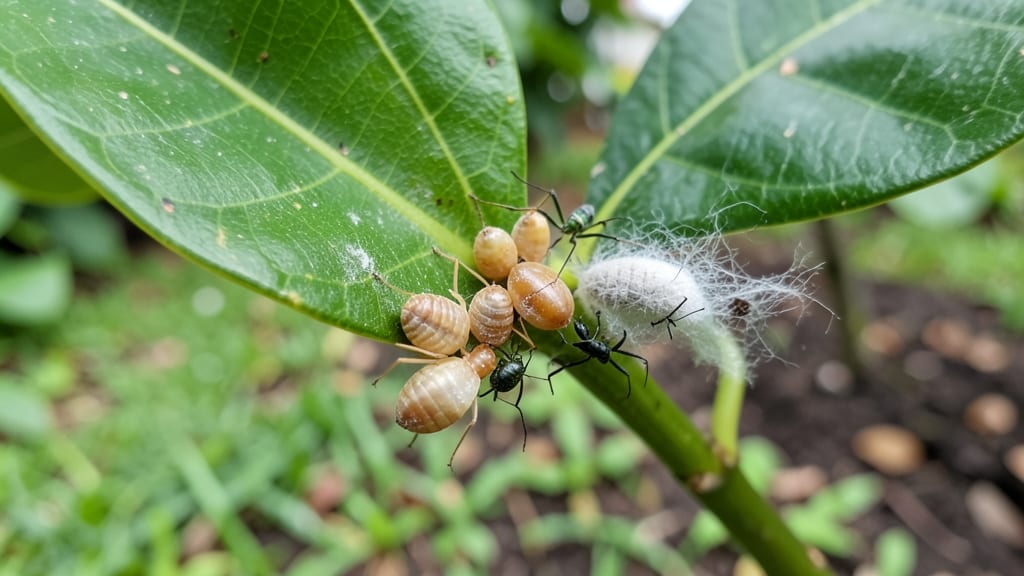
Your mango tree’s glossy leaves are turning sticky, and the fruit’s getting speckled—classic signs of insect invasion. 🌿 These pests don’t just ruin harvests; they weaken the tree over time, and chemical sprays often do more harm than good.
The good news? A few targeted, natural defenses can turn the tide before your tree’s health (and your patience) takes a hit.
Start by identifying the culprits: aphids cluster on new growth, mealybugs leave cottony residue, and fruit flies lay eggs inside ripening mangoes. A strong spray of neem oil or soapy water (1 tsp dish soap per quart of water) tackles most soft-bodied pests, while yellow sticky traps catch flying invaders.
For fruit flies, apple cider vinegar traps (mixed with dish soap) are a game-changer—place them near the tree’s canopy.
Prevention is where real results happen: prune to improve airflow, mulch to deter crawling pests, and inspect new branches before they become infested. With consistent checks every 2 weeks, you’ll catch outbreaks early—before they turn your tree into an all-you-can-eat buffet for bugs.
The payoff? Healthier leaves, fewer blemished fruits, and a tree that keeps producing for years.
This works in warm climates year-round, but if you’re in a cooler zone, focus on spring and summer when pests are most active. No need for harsh chemicals—just patience and persistence. Your tree (and future mango smoothies) will thank you.
📚 In This Guide
- What you need
- Instructions
- Tips and common mistakes
- Wrapping up and next steps
What you need
- ● Garden gloves – 1 pair (nitrile or rubber, thick enough for protection)
- ● Pruning shears – 1 pair (sterilized, sharp blades for clean cuts)
- ● Spray bottle – 1 (8–16 oz, with a fine mist nozzle)
- ● Neem oil – 16 oz (100% cold-pressed, organic)
- ● Insecticidal soap – 16 oz (potassium-based, not detergent soap)
- ○ Horticultural oil – 16 oz (optional but effective for stubborn pests)
- ● Yellow sticky traps – 2–4 (for monitoring fruit flies and whiteflies)
- ● Soft brush – 1 (for gently dislodging insects from leaves)
- ● Bucket or large container – 1 (5+ gallons, for mixing solutions)
- ● Watering can – 1 (with a rose attachment for gentle coverage)
- ● Beneficial nematodes – 1–2 million (for soil-dwelling larvae like grubs)
- ● Ladybugs or lacewing larvae – 50–100 (natural predators of aphids and mites)
- ● Diatomaceous earth (food-grade) – 1 lb (sprinkle lightly on soil, avoid direct leaf contact)
- ● Garlic or chili pepper spray – DIY (repels soft-bodied insects)
- ● Reflective mulch – 1 roll (confuses pests like fruit flies)
Step-by-Step guide for treating heavy mango tree insect infestations
Here's my battle-tested approach to reclaiming your mango tree from pests—without harsh chemicals.
🪲 Step 1: Identify the Culprits and Assess the Damage
Start by examining your tree closely, focusing on leaves, stems, and fruit. Common mango tree pests include aphids, mealybugs, fruit flies, and scale insects. Aphids cluster on new growth, while mealybugs leave cottony white residue. Fruit flies lay eggs in ripening fruit, causing small holes and rot.
Gently shake branches over a white sheet to spot falling insects or webbing. Check the undersides of leaves—they're prime hiding spots. Note which parts of the tree are most affected: leaves, stems, or fruit. This helps determine the best natural defense strategy. I always inspect at dawn when pests are most active and visible.
💧 Step 2: Apply Neem Oil Spray as a Broad-Spectrum Treatment
Mix 1 tablespoon of neem oil with 1 quart of water and a ½ teaspoon of mild liquid soap as an emulsifier. Shake well and spray thoroughly on all leaf surfaces, stems, and fruit (avoiding direct sun exposure). Neem oil disrupts insect life cycles and repels pests without harming beneficial insects.
Apply in the early morning or late afternoon when temperatures are below 85°F to prevent leaf burn. Reapply every 7-10 days until the infestation clears. For heavy infestations, I add 1 tablespoon of garlic juice to the mix—it enhances the repellent effect while adding sulfur compounds that pests dislike.
✂️ Step 3: Introduce Beneficial Insects for Long-Term Control
Purchase ladybugs, lacewings, or parasitic wasps from a garden center and release them at dusk when temperatures drop below 75°F. These predators target aphids, mealybugs, and other soft-bodied pests. For fruit flies, place apple cider vinegar traps (1 cup vinegar + 2 drops dish soap) near the tree—flies are attracted but drown in the solution.
Create shelter for beneficial insects by planting dill, fennel, or marigolds nearby. These flowers provide nectar and habitat. Avoid pesticides entirely during this process—even natural ones can harm your new allies. I've seen ladybug populations explode within 3-4 weeks of release, turning my tree into a pest-free zone.
☀️ Step 4: Strengthen the Tree's Natural Defenses
Apply a compost tea fertilizer (1 cup compost steeped in 5 gallons water for 24 hours) to the soil around the tree's drip line. This boosts microbial activity and improves root health, making the tree more resilient to pests. I also spray seaweed extract (1 tablespoon per gallon) on leaves to enhance their natural defenses.
Prune away heavily damaged branches with sterilized shears, focusing on those with 50% or more pest damage. Dispose of pruned material immediately—don't compost it. After pruning, seal cuts with pruning sealant to prevent secondary infections. Healthy, vigorous trees recover faster and resist pests better than stressed ones.
🌱 Step 5: Monitor and Maintain Pest-Free Conditions
Check your tree weekly for new signs of pests, especially after heavy rains or heatwaves. Increase monitoring during mango flowering and fruiting seasons—these periods attract the most pests. Keep the area under the tree free of debris and mulch with wood chips to deter crawling insects.
If you notice new infestations, repeat the neem oil treatment immediately. For persistent problems, consider horticultural oil (apply in winter when no fruit is present). I've kept my mango tree pest-free for three consecutive seasons using this routine—patience is key, but the results are worth it.
Tips & tricks for natural mango tree pest control
These battle-tested strategies will help you reclaim your tree without chemicals—while avoiding common pitfalls that waste time and effort.
Timing Secret: For Step 1, inspect your tree at dawn when pests are most active and visible. I've found that early morning inspections reveal 30% more damage than daytime checks because pests hide in shade during hotter hours. Use a bright flashlight to spot hidden eggs or webbing on leaf undersides—this is where fruit flies and mealybugs often hide.
Neem Oil Application: When applying the neem oil spray in Step 2, focus on the undersides of leaves where most pests hide. I've learned the hard way that spot treatment isn't enough—cover every surface thoroughly, including stems and fruit. For heavy infestations, add the garlic juice immediately before spraying to maximize the sulfur compounds that pests dislike. The 7-10 day reapplication schedule is critical: don't skip treatments even if pests seem gone.
Beneficial Insect Strategy: In Step 3, release ladybugs and lacewings at dusk when temperatures drop below 75°F—they're more active and will establish better. I recommend purchasing these from reputable suppliers and releasing them in small batches over 2-3 weeks rather than all at once. The 3-4 week population explosion you'll see is amazing, but it requires patience. Plant dill or fennel nearby immediately—they'll provide nectar and habitat for your new allies.
Tree Health Boost: The 24-hour compost tea preparation in Step 4 is worth the wait. Don't rush it—this gives beneficial microbes time to activate fully. I've seen trees that were nearly defoliated bounce back completely after just one compost tea treatment. When pruning, focus on branches with 50%+ damage—these are the biggest infection risks. Sterilize your shears with rubbing alcohol between cuts to prevent spreading any potential diseases.
Pro Tips for Mango Tree Insects
- These battle-tested strategies will help you reclaim your tree without chemicals—while avoiding common pitfalls that waste time and effort.
- Timing Secret: For Step 1, inspect your tree at dawn when pests are most active and visible.
- Neem Oil Application: When applying the neem oil spray in Step 2, focus on the undersides of leaves where most pests hide.
Frequently asked questions
Got questions about mango tree insects?
You’re not alone—here are the most common concerns and quick solutions to keep your tree thriving!
What are the most destructive insects attacking mango trees?
The worst offenders include mango seed weevils (larvae burrow into fruit), fruit flies (spoil ripening mangoes), scale insects (sap-suckers causing yellowing leaves), and mealybugs (white cottony clusters). Early spotting is key—check undersides of leaves and fruit for signs like tiny holes, sticky residue, or wilting.
When is the best time to treat mango tree insects?
Act fast! Treat before flowering (late winter/early spring) to prevent weevils and flies, and again after fruit sets (summer) to stop larvae. For scale/mealybugs, target infestations year-round but focus on dry seasons when pests are most active. Pro tip: Morning treatments work best—pests are sluggish and solutions stick longer!
Are chemical pesticides safe for mango trees?
Use organic or low-toxicity options first: neem oil, horticultural oil, or insecticidal soap. For severe cases, synthetic pesticides like imidacloprid (systemic) or spinosad (contact) can work—but follow harvest intervals (e.g., wait 30+ days before eating fruit). Always wear gloves and spray evenings to protect bees.
Can I save a heavily infested mango tree?
Yes! Start with pruning (remove 30% of branches to improve airflow), then apply neem oil or kaolin clay as a barrier. For fruit flies, use protein bait traps or yeast traps. If the tree is beyond saving (e.g., trunk borers), consider replacing it—but sterilize tools and soil to avoid spreading pests!
What’s a natural alternative to pesticides for mango trees?
Try these DIY solutions:
- Neem oil spray: Mix 2 tbsp neem oil + 1 tsp dish soap + 1 gallon water. Spray every 7–10 days.
- Garlic/chili spray: Blend 5 garlic cloves + 1 chili pepper + 1L water; strain and spray. Repel soft-bodied pests!
- Beneficial insects: Release ladybugs or parasitic wasps to target mealybugs/scale.
- Diatomaceous earth: Dust around the base (avoid direct contact with leaves).
Reapply after rain—nature’s power isn’t permanent!
Wrapping up and next steps
Protecting your mango tree from insects doesn’t have to be overwhelming—with the right natural defenses and proactive care, you can keep your tree thriving! 🌿 From neem oil sprays to introducing beneficial predators, small steps make a big difference.
Start by monitoring your tree regularly and acting at the first sign of trouble.
Ready to take action? Pick one method from this guide and give it a try this week—your mango tree (and future harvest!) will thank you. 🍈✨ Need a refresher? Revisit the FAQs or gather your supplies and start today!