
How To
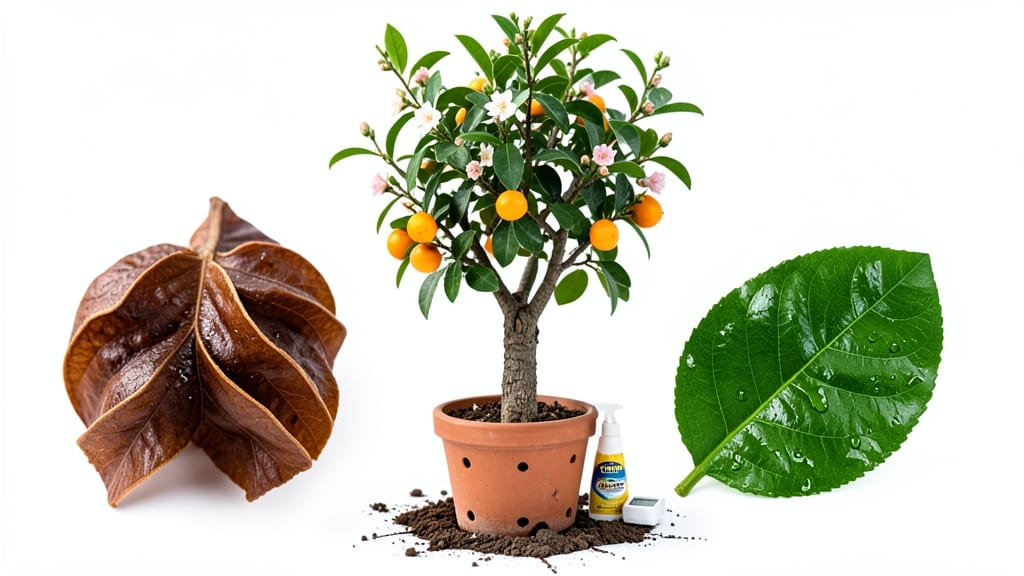
Brown tips on mandarin tree leaves? That’s your tree’s SOS signal—pruning fixes can turn crispy edges into lush, vibrant foliage. 🌿 I’ve nursed back multiple trees with the same approach, and it works whether your tree’s in a pot or planted in the ground.
The key is identifying the root cause first: too much salt from tap water, thirsty roots, or pests hiding in the branches.
Start by checking the soil moisture—dry as a bone or soggy both cause stress. Then inspect the undersides of leaves for tiny webs (spider mites) or sticky residue (scale). If it’s salt buildup, flush the soil with distilled water or rainwater.
For pests, a strong spray of water or neem oil does the trick. Pruning isn’t just about cutting off the brown—it’s about encouraging fresh, healthy growth from the right spots.
After treating the problem, your mandarin tree will reward you with glossy new leaves within 4-6 weeks. The secret? Consistency—keep the soil evenly moist, avoid fertilizing until the tips recover, and mist leaves if your air feels drier than a desert.
Prune strategically: cut back to a healthy leaf node, and your tree will bounce back stronger than ever.
Still seeing trouble after a month? That’s when to call in a pro—sometimes it’s a deeper issue like root rot or a fungal infection. But in 90% of cases, this method brings trees roaring back to life. Your mandarin’s healthy glow is just a few snips and adjustments away.
Root Causes of Leaf Discoloration
If your mandarin tree’s leaves are developing brown tips, it’s rarely a single issue—it’s usually a mix of environmental stress, cultural mismanagement, or hidden pests. Understanding the root causes helps you target fixes precisely.
Below, we break down the most common culprits, backed by science, so you can diagnose and act fast.
Mandarin trees (Citrus reticulata) are drought-tolerant, and their roots hate soggy soil. When waterlogged, roots suffocate, starving leaves of oxygen and nutrients. This triggers oxidative stress, causing brown, crispy edges—especially on younger leaves.
- Why it happens:
- Excess moisture forces roots to anaerobic respiration, producing toxic ethanol and acetaldehyde.
- Poor drainage (clay soil, compacted roots) traps water, worsening the issue.
- Overhead watering wets foliage, promoting fungal diseases like Phytophthora, which also browns leaf tips.
- Actionable fix:
- Test soil moisture: Stick your finger 2–3 inches deep—water only if dry.
- Amend soil with perlite or coarse sand (20–30%) to improve aeration.
- Ensure pots have drainage holes and elevate containers to prevent water pooling.
Mandarin trees thrive in USDA Zones 8–10, but sudden temperature swings or harsh winds can scorch leaves. Brown tips often appear after:
- Frost exposure (<32°F/0°C), which ruptures cell membranes.
- Intense sun after winter dormancy (sunburn).
- Drying winds that increase transpiration rates, dehydrating leaf edges.
Science note: Cold snaps cause ice crystal formation in cells, while wind removes the cuticular wax layer that protects leaves.
Fix it:
- 🌡️ Mulch with 2–3 inches of organic matter (straw, wood chips) to insulate roots.
- 🌿 Use shade cloth (30–50% coverage) during hot afternoons if transplanting.
- 💨 Windbreaks (bamboo screens, hedges) reduce desiccation.
Mandarin trees need nutrients, but too much or the wrong type can singe leaves. Brown tips often signal:
- Salt buildup from synthetic fertilizers (e.g., urea, ammonium sulfate), which disrupts osmotic balance in root cells.
- Chlorine or fluoride in tap water, which accumulates in soil and damages roots.
- Herbicide drift or misapplied fungicides (e.g., copper-based sprays) that leave residue on foliage.
How to spot it: Brown tips paired with yellowing between veins (nutrient deficiency) or blackened edges (salt burn).
Solutions:
- 💡 Flush soil with 2–3 gallons of water to leach excess salts.
- 🌱 Switch to organic fertilizers (fish emulsion, compost tea) with low salt index.
- 🚰 Use filtered or rainwater for irrigation to avoid chlorine.
Sap-sucking insects and fungi drain nutrients from leaves, causing brown, brittle tips. Common offenders:
| Pest/Pathogen | Symptoms | How It Causes Brown Tips |
|---|---|---|
| Spider mites | Fine webbing, stippled yellowing | Pierce cells, reducing chlorophyll and causing oxidative damage. |
| Scale insects | Sticky residue ("honeydew"), black sooty mold | Block stomata, leading to gas exchange failure and dehydration. |
| Fungal leaf spot (Alternaria, Cercospora) | Dark spots with yellow halos, leaf drop | Clogs xylem vessels, preventing water transport to leaf edges. |
Treat it:
- 🔥 Blast pests off with a strong water spray (100 psi) or neem oil (1 tsp/gallon).
- 🌿 Introduce beneficial insects (ladybugs, lacewings) for natural control.
- 💊 Fungicide: Apply copper fungicide (weekly for 3 weeks) for leaf spot.
Pro Tip: 🔍 Inspect undersides of leaves with a magnifying glass—pests often hide there before symptoms appear!
Fixing Brown Leaf Tips Fast
Now that you know the likely causes behind those unsightly brown tips on your mandarin tree leaves, it’s time to take action! The good news? Most fixes are simple, cost-effective, and can restore your tree’s lush, healthy look in no time.
Below, we’ve broken down practical solutions tailored to each common cause, along with prevention tips to keep your mandarin tree thriving long-term.
---
Signs: Yellowing leaves, soggy soil, brown tips that feel mushy or limp.
#### Step-by-Step Fix: 1. 🔥 Pause Watering Immediately - Let the top 2–3 inches of soil dry out completely before watering again. Stick your finger in the soil—if it’s damp past your first knuckle, wait another day or two.
2. 👨🍳 Improve Drainage - If your pot lacks drainage holes, repot your mandarin tree into one with holes at the bottom.
For in-ground trees, consider amending the soil with perlite, coarse sand, or gravel to loosen compacted areas. - Pro Tip: Elevate pots on feet or saucers to prevent water pooling.
3. ⏰ Adjust Your Watering Routine - Mandarin trees prefer moderate moisture—water deeply once a week (or less in winter) and avoid shallow, frequent watering. Early morning is ideal to reduce humidity-related stress.
4. 🌡️ Check for Root Rot (If Severe) - Gently remove the tree from its pot and inspect the roots. Healthy roots are white or light brown; rotten roots are black, mushy, and smell foul. - Action: Trim away diseased roots with sterilized scissors, repot in fresh, well-draining soil, and hold off on watering for 3–5 days.
---
Signs: Crispy, papery brown tips on leaves exposed to direct sunlight or wind, often on one side of the tree.
#### Step-by-Step Fix: 1. 🍳 Provide Partial Shade - Move potted mandarin trees to a spot with morning sun and afternoon shade, especially in hot climates.
Use a light shade cloth (30–50%) if full sun is unavoidable. - For in-ground trees, plant near a natural windbreak (like a fence or hedge) or use burlap screens on the windward side.
2. 🥘 Hydrate Strategically - Water deeply before peak sun hours (early morning) to help leaves withstand heat stress. Mulch the base with 2–3 inches of organic mulch (like straw or wood chips) to retain moisture.
3. 🔪 Prune Damaged Leaves - Snip off only the browned tips (not entire leaves) with clean pruning shears. Avoid heavy pruning—focus on revitalizing, not reshaping.
4. ✨ Boost Humidity (For Indoor Trees) - Place a pebble tray with water under the pot or use a humidifier nearby. Mist leaves gently in the morning (avoid evening misting to prevent fungal issues).
---
Signs: Brown tips paired with yellowing between veins (iron/chlorosis) or purple stems (phosphorus deficiency). Over-fertilizing may cause leaf burn (brown edges with green centers).
#### Step-by-Step Fix: 1. 📊 Test Your Soil - Use a DIY soil test kit (available at garden centers) to check pH and nutrient levels. Mandarin trees thrive in slightly acidic soil (pH 6.0–7.0).
2. 💪 Adjust Fertilizer Use - If under-fertilized: Switch to a balanced citrus fertilizer (e.g., 6-6-6 or 8-3-9) and apply every 4–6 weeks in growing season (spring–fall).
Follow package instructions precisely—more isn’t better! - If over-fertilized: Flush the soil with water for 10–15 minutes to leach out excess salts. Repot if necessary, using fresh, nutrient-poor soil.
3. 🥗 Target-Specific Nutrients - Iron deficiency? Sprinkle chelated iron around the root zone or apply Epsom salt (1 tbsp per gallon of water) every 2 weeks. - Magnesium deficiency? Use Epsom salt (1 tbsp per gallon) monthly. - Zinc deficiency? Dust leaves with zinc sulfate or use a foliar spray.
4. 🌱 Improve Soil Quality - Mix compost or well-rotted manure into the top 6 inches of soil to replenish organic matter. For potted trees, refresh the soil every 2–3 years.
---
Signs: Brown tips with black spots, mold, or sticky residue (honeydew), often accompanied by leaf drop.
#### Step-by-Step Fix: 1. 🔪 Prune Infected Areas - Remove all affected leaves and branches using sterilized tools (wipe with rubbing alcohol between cuts). Dispose of pruned material in the trash (not compost).
2. 🌡️ Apply Fungicide - Spray leaves with a copper-based fungicide (like copper sulfate) or a neem oil solution (1 tsp neem oil + 1 quart water + a drop of dish soap). Reapply every 7–10 days until new growth appears.
3. 💡 Boost Airflow & Light - Thin out dense foliage to improve circulation. Avoid overhead watering—use a soaker hose or drip irrigation instead.
4. 🎯 Prevent Recurrence - Sterilize tools before and after pruning. - Avoid wetting leaves when watering. - Rotate pots occasionally to ensure even sunlight exposure.
---
Prevention Tips for All Causes: - 💡 Water wisely: Stick to the "finger test"—water only when the top 2 inches of soil are dry. - 🌡️ Monitor temperature: Mandarin trees hate cold drafts (below 40°F/4°C) or sudden heat spikes. Use a greenhouse or move indoors if needed. - 🍃 Dust leaves regularly: Wipe leaves with a damp cloth monthly to help them breathe and absorb sunlight. - 🌱 Repot every 2–3 years: Overcrowded roots = stressed tree. Choose a pot only 1–2 inches larger in diameter. - ✨ Mulch properly: Use organic mulch (like pine bark) to retain moisture and regulate soil temp.
--- Remember: Consistency is key! Most mandarin trees show new growth in 4–6 weeks with proper care. If brown tips persist after 2 months, consult a local nursery or arborist—they can help diagnose less common issues like pests (e.g., spider mites) or soil toxicity.
Frequently asked questions
Why do my mandarin tree leaves only get brown tips instead of turning completely brown?
Brown tips usually indicate an environmental stress issue like underwatering, salt buildup, or wind damage rather than a fatal disease. The leaf edges are the most vulnerable because they have fewer protective cells. When roots struggle to supply water or nutrients, the tree prioritizes keeping the center of leaves alive while sacrificing the tips.
Can I prune off the brown tips to encourage new growth?
Yes, but do it strategically! Cut just above a healthy leaf node (where new growth can sprout) using clean pruning shears. Avoid removing more than 20% of the foliage at once—this can stress the tree further. Focus on the most damaged leaves first, and new growth should appear within 4-6 weeks if the underlying issue is addressed.
How do I know if my mandarin tree's brown tips are from pests vs. environmental issues?
Check the undersides of leaves for clues: Pests (like spider mites or scale) often leave webbing, sticky residue (honeydew), or tiny insects, while environmental causes show uniform browning without visible bugs. Also, pests typically cause stippled yellowing before browning appears, whereas salt buildup or drought cause crispy edges first.
Will using tap water harm my mandarin tree's leaves?
Yes, tap water can cause brown tips due to chlorine, fluoride, or mineral buildup. If your water is hard or treated with chemicals, switch to rainwater or filtered water. For potted trees, flush the soil monthly with distilled water to prevent salt accumulation. Even "soft" tap water can harm citrus trees over time.
How often should I fertilize my mandarin tree after fixing brown tips?
Wait 4-6 weeks after treating the issue before fertilizing. Then use a balanced citrus fertilizer (6-6-6 or 8-3-9) every 4-6 weeks during growing season (spring-fall). Too much fertilizer can actually worsen brown tips by burning roots—always follow package instructions and water thoroughly after applying.