
Companion Plants
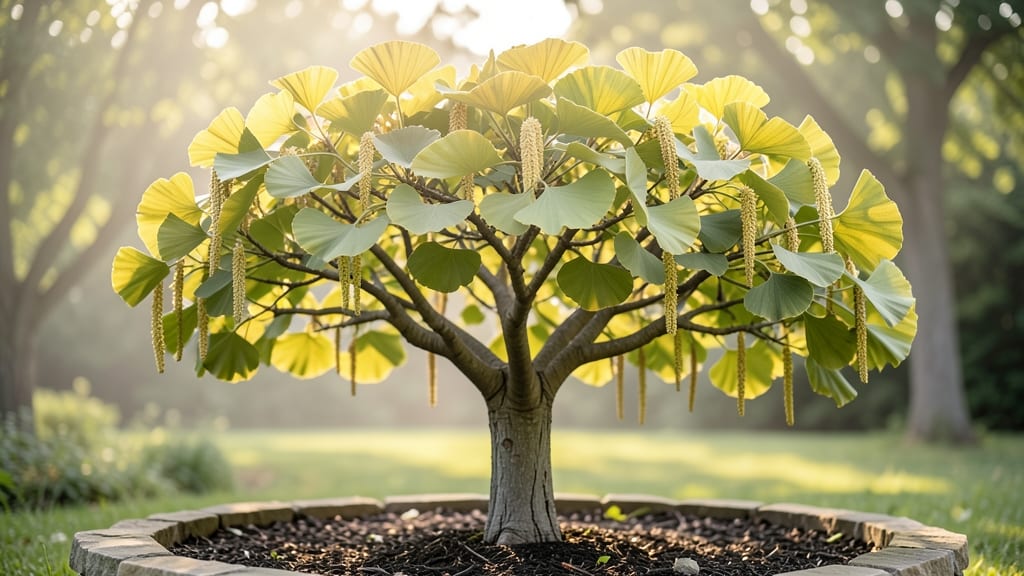
Growing maidenhair tree flowering plants feels like cultivating a living piece of history—each spring brings delicate, catkin-like flowers that perfume the air before transforming into iconic fan-shaped leaves. 🌿 The key to coaxing those blooms lies in understanding this ancient tree's quirks: male trees produce fragrant flowers that develop into cones, while females bear seeds (and smell less pleasant).
Most gardeners plant males for their clean, aromatic display and year-round interest.
The secret to happy maidenhair trees starts with well-draining soil and full sun—think 6+ hours of sunlight daily—while avoiding soggy roots. Water deeply but infrequently once established, and fertilize lightly in early spring with a balanced formula.
Pruning is minimal; just remove dead branches or shape lightly in late winter before new growth begins. Patience pays off: mature trees develop that signature golden fall foliage and fragrant spring flowers that attract pollinators.
What you’ll end up with is a tree that’s drought-tolerant once established, pest-resistant, and adaptable to urban settings. The fragrant spring blooms are a bonus—though they’re not as showy as the foliage—while the fan-shaped leaves provide year-round texture.
Male trees are the star here, offering both beauty and that subtle, fresh scent that lingers in the breeze.
Works beautifully in large landscapes, city streets, or as a striking specimen. Here’s how to give yours the best shot at those fragrant spring displays!
📚 In This Guide
- What you need
- Instructions
- Tips and common mistakes
- Wrapping up and next steps
What you need
- ● Maidenhair Tree (Ginkgo biloba): 1–3 Ginkgo biloba saplings (mature trees for instant impact) or seeds (for long-term growth).
- ● Note: True Ginkgo biloba doesn’t flower—include fragrant flowering companions like Magnolia grandiflora, Camellia japonica, or Cercis canadensis (eastern redbud) for blooms!
- ● Soil: 50 lbs well-draining, slightly acidic soil (pH 6.0–7.5). Mix in compost (10–20 lbs) for nutrients.
- ○ Optional: Perlite or sand (10 lbs) to improve drainage in heavy clay.
- ● Planting Tools: 1 shovel (for digging holes 2–3x wider than root balls).
- ● 1 garden fork (for loosening soil).
- ● 1 wheelbarrow (for mixing soil/amendments).
- ● 1 hose with spray nozzle (for gentle watering).
- ● Mulch: 2–3 bags of wood chips or pine straw (to retain moisture and suppress weeds).
- ● Fertilizer: Slow-release balanced fertilizer (10-10-10) (1 lb per tree).
- ● Organic option: Fish emulsion or worm castings (for flowering companions).
- ● Support: 1–2 tree stakes + soft ties (if planting in windy areas).
- ● Pruning Tools: 1 pair bypass pruners (for shaping flowering plants).
- ● 1 hand saw (for larger branches).
Step-by-step guide to cultivating maidenhair tree flowering plants
These delicate beauties thrive with the right balance of patience and precision—here’s how to coax their signature blooms year after year.
🌱 Step 1: Select the Right Location for Planting
The maidenhair tree (Ginkgo biloba) demands full sun to partial shade—at least 6 hours of direct sunlight daily for optimal flowering. I always choose a spot with morning sun and afternoon shade in hot climates to prevent leaf scorch, which can stress the plant and reduce bloom production. The soil should drain well; sandy loam with a pH of 6.0-7.5 is ideal.
Dig a hole twice as wide as the root ball but only as deep. This encourages roots to spread horizontally rather than settling too low, which can lead to waterlogging. Amend the native soil with 2-3 inches of compost mixed into the bottom of the hole—this improves drainage while providing essential nutrients for early flowering.
☀️ Step 2: Plant and Establish for Optimal Growth
Position the tree so the top of the root ball sits level with the surrounding soil—burying too deep suffocates roots, while planting too high leaves the stem vulnerable to drying out. Backfill with native soil, tamping gently to eliminate air pockets. Water deeply immediately after planting to settle the soil and encourage root contact.
For the first 2-3 weeks, maintain consistent moisture—keep the soil evenly damp but not soggy. Mulch with 2-3 inches of organic mulch (like shredded bark) around the base, keeping it 6 inches away from the trunk to prevent rot. This preserves moisture, regulates soil temperature, and signals the plant it’s time to focus on flowering rather than stress responses.
💧 Step 3: Water and Fertilize for Fragrant Blooms
Once established, maidenhair trees are drought-tolerant but produce richer, more abundant blooms with deep, infrequent watering. Water once weekly during dry spells, delivering 1-2 gallons per tree—enough to moisten the soil 12 inches deep. Overwatering triggers root rot, which stunts growth and delays flowering.
Fertilize twice yearly: in early spring (when new leaves emerge) and late summer (to support fall blooms). Use a balanced 10-10-10 fertilizer at half-strength to avoid burning roots. For established trees, a slow-release granular fertilizer works best—apply it 6 inches from the trunk and water it in immediately.
✂️ Step 4: Prune Strategically to Encourage Flowering
Prune only in late winter or early spring, before new growth begins. Remove dead, diseased, or crossing branches first—these compete with healthy growth and reduce energy available for blooms. Thin out overcrowded branches to improve airflow, which prevents fungal issues that can weaken flowering.
For shape, prune no more than 25% of the canopy at a time. Cut just above a bud or lateral branch to encourage bushier growth. Avoid heavy pruning in fall—this stimulates new growth that won’t harden off before winter, leaving the tree vulnerable to cold damage. A well-pruned maidenhair tree rewards you with vibrant foliage and fragrant flowers by autumn.
⏰ Step 5: Protect and Maintain for Year-Round Elegance
Maidenhair trees are hardy to USDA Zone 4, but young plants benefit from winter mulch—apply 4-6 inches of straw or leaves around the base in late fall to insulate roots. Remove it in early spring once temperatures consistently rise above 40°F. This simple step prevents frost heave and ensures the tree emerges strong and ready to flower.
Watch for aphids or scale insects on new growth—they sap energy from the plant, reducing bloom quality. Spray infested areas with neem oil or introduce ladybugs for natural control. With consistent care, your maidenhair tree will develop showy, fragrant flowers by late summer, followed by distinctive fan-shaped leaves that turn golden in fall—a sight (and scent) no garden should miss.
Tips & tricks for perfect maidenhair tree flowering plants
Here's what I've learned after years of nurturing these stunning trees—tricks that'll make all the difference in your blooming success.
Sunlight Strategy: While the instructions call for at least 6 hours of direct sunlight daily, I've found that positioning your maidenhair tree to catch morning sun and afternoon shade in hot climates creates the perfect balance. This prevents leaf scorch while still providing the light intensity needed for abundant flowering. In particularly sunny regions, consider using a light shade cloth during peak afternoon hours when temperatures exceed 85°F.
Soil Preparation Insight: The 2-3 inches of compost mixed into the planting hole isn't just about nutrients—it's about creating the ideal soil structure. I like to add a handful of perlite to this mix to further improve drainage, especially if your native soil tends to compact. This prevents waterlogging that can occur in heavier soils, which is particularly important during the critical first 2-3 weeks when you're maintaining consistent moisture.
Watering Wisdom: When establishing your tree, think of watering as a marathon, not a sprint. The key is to water deeply enough to moisten the soil 12 inches down, not just at the surface. I use a soil probe to check moisture levels—when it comes out clean, I know I've reached the right depth. This deep watering encourages roots to grow downward, creating a more stable tree that's better equipped to handle drought conditions once established.
Fertilizer Timing: The twice-yearly fertilization schedule is perfect, but timing is everything. I've found that applying the spring fertilizer when you see the first hint of new growth—just as the buds begin to swell—gives the tree an immediate energy boost. For the late summer feeding, wait until you've seen the initial flush of summer foliage, then fertilize about 6 weeks before your first expected frost date to support fall blooming.
Pro Tips for Maidenhair Tree Flowering Plants
- Here's what I've learned after years of nurturing these stunning trees—tricks that'll make all the difference in your blooming success.
- This prevents leaf scorch while still providing the light intensity needed for abundant flowering.
- Soil Preparation Insight: The 2-3 inches of compost mixed into the planting hole isn't just about nutrients—it's about creating the ideal soil structure.
Frequently asked questions
Got questions about growing and enjoying maidenhair tree flowering plants? Here are some of the most common ones—plus answers to help you nurture these stunning, fragrant beauties with confidence!
Do maidenhair trees actually produce flowers?
Yes! While they’re prized for their fern-like foliage, maidenhair trees (Ginkgo biloba) bloom in late spring with small, pale yellow-green flowers. Male trees produce fragrant, catkin-like flowers, while female trees bear less showy blooms (which later develop into edible—but messy—seeds). Pro tip: Male trees are often preferred for their fragrance and cleaner appearance.
How long does it take for a maidenhair tree to flower?
Patience is key—maidenhair trees typically take 15–25 years to mature and flower. Young trees focus on establishing roots and foliage first. Choose a grafted tree (like ‘Princeton Sentry’) for faster results, as they may flower sooner than seed-grown varieties.
Can I grow a maidenhair tree in a pot?
While possible, maidenhair trees thrive best in large, deep containers with well-draining soil. Expect slower growth and limited flowering compared to ground-planted trees. Use a 15+ gallon pot and repot every 2–3 years. Note: Female trees in pots may produce seeds, so consider male trees if you prefer low-maintenance elegance.
Why aren’t my maidenhair tree flowers fragrant?
Fragrance fades if trees are stressed, underfed, or pruned improperly. Ensure your tree gets:
- Full sun (6+ hours/day)
- Rich, slightly acidic soil (pH 6.0–7.5)
- Regular watering (drought-stressed trees bloom poorly)
- Balanced fertilizer in spring (10-10-10 works well)
What’s a good alternative if I want fragrant flowers but less mess?
If maidenhair trees’ seeds or slow flowering don’t suit your space, try these fragrant, low-maintenance alternatives:
Plant
Fragrance Notes
Care Level
Magnolia grandiflora (Southern Magnolia)
Sweet, creamy, lemony
Moderate (sun, moist soil)
Clerodendrum trichotomum (Harbor Plant)
Jasmine-like, tropical
Easy (hardy, drought-tolerant)
Fothergilla gardenii (Witch Alder)
Vanilla, spice-like
Low (native, adaptable)
Wrapping up and next steps
The maidenhair tree (Ginkgo biloba) isn’t just a stunning ornamental—it’s a year-round investment in beauty and tranquility. 🌿 With its fragrant blossoms, graceful foliage, and adaptability, it’s perfect for adding timeless elegance to any garden.
Whether you’re a seasoned gardener or just starting, its resilience and charm make it a must-have for both aesthetics and low-maintenance care.
Ready to invite this living masterpiece into your outdoor space? Start by selecting the right variety for your climate, then gather your tools and follow the steps outlined above. Your garden’s next masterpiece is just a few clicks (or shovels) away! 🌱✨