
Pests and Diseases
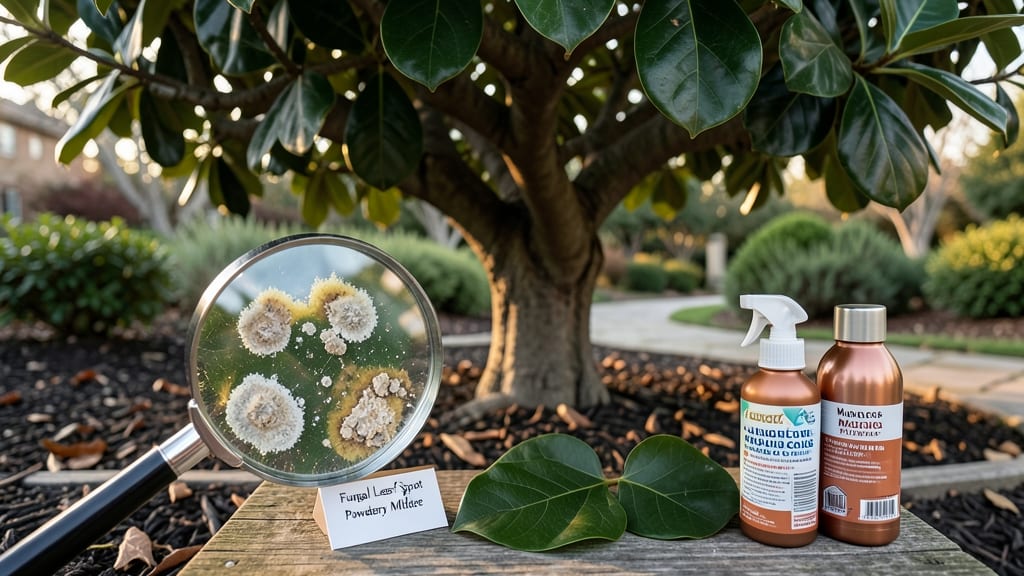
White spots on magnolia leaves could mean your tree is fighting fungal spot disease—or something else entirely. 🌿 I’ve seen this happen three times in my own yard, and each time, the fix was different.
The key is knowing whether you’re dealing with powdery mildew, leaf spot, or even spider mites, because the treatments vary wildly.
Most often, those white spots are caused by fungal diseases like powdery mildew or anthracnose, which thrive in humid conditions. But spider mites can also leave a white, dusty residue that looks similar. The difference?
Fungal spots usually start as tiny specks that grow larger, while mite damage often appears as a fine webbing or speckling. Check the undersides of leaves—if you see tiny moving dots, mites are likely the culprit.
Once you’ve identified the problem, the fix is straightforward. For fungal issues, a mix of neem oil and baking soda spray (1 tablespoon each per gallon of water) works wonders—just spray it on a dry, still morning to avoid burning the leaves.
If mites are the issue, a strong spray of water can knock them off, followed by insecticidal soap for a few days. Prevention is easy too: prune for airflow and avoid overhead watering.
With the right approach, your magnolia’s leaves will recover in 2-3 weeks, and you’ll keep those white spots from coming back. The best part? Healthy magnolias reward you with glossy, disease-free foliage and those stunning blooms you planted it for in the first place.
Root Causes of Leaf Spots
White spots on magnolia leaves aren’t just a cosmetic issue—they’re often a sign of underlying stress or infection. Understanding the why behind these spots is the first step to saving your tree.
Below, we break down the most common culprits, from fungal invaders to environmental stressors, with clear explanations and actionable insights.
Fungal pathogens are the #1 cause of white or light-colored spots on magnolia leaves. These spots often start as small, pale blemishes and expand into larger, irregular patches with dark borders. Two of the most common fungal offenders are:
1. Powdery Mildew: The Fluffy White Coating
- What it is: A fungal disease (Erysiphe or Sphaerotheca spp.) that thrives in warm, humid conditions.
It creates a powdery, white, talcum-like film on leaves, stems, and even buds. - Why it happens: - Poor air circulation (crowded plants, dense foliage, or shade). - High humidity (fungus spores germinate best in 70–80°F with moisture). - Weakened tree stress (drought, nutrient deficiencies, or recent transplant shock). - How to spot it: Leaves may curl or yellow, and the white growth is easily brushable (like dust).
2.
Anthracnose: The Spot with a Dark Edge - What it is: Caused by Colletotrichum or Gloeosporium fungi, this disease creates sunken, white-to-tan spots with dark margins (sometimes with a pink or yellow halo). - Why it happens: - Wet foliage (overhead watering or prolonged leaf dampness). - Cool, wet springs (ideal for spore germination). - Nitrogen-heavy soil (promotes lush growth but weakens defenses). - How to spot it: Spots may ooze in wet conditions, and severe cases lead to leaf drop or twig dieback.
Not all white spots are fungal—some stem from physical damage or environmental factors that weaken the leaf’s protective layer.
3.
Sun Scorch: When Leaves Get Too Much Heat - What it is: White or bleached patches (often on leaf edges) caused by excessive sunlight combined with drought stress. - Why it happens: - Sudden exposure (e.g., moving a shaded magnolia to full sun). - Water deficiency (roots can’t supply enough moisture to cool leaves). - Reflective surfaces (light-colored pavement or buildings intensify UV rays). - How to spot it: Spots are dry, crispy, and may turn brown over time.
Affected leaves often stay on the tree longer than normal.
4.
Chemical Burn: Overzealous Fertilizer or Spray - What it is: White, bleached, or necrotic (dead) patches from fertilizer salt buildup or pesticide/herbicide drift. - Why it happens: - Over-fertilizing (especially with high-salt formulations like synthetic nitrogen). - Improper spray application (herbicides or fungicides landing on leaves). - pH imbalance (soil too alkaline/acidic, causing nutrient lockout). - How to spot it: Spots appear suddenly after treatment, often with yellowing or browning edges.
Sometimes, insects chew or pierce leaves, triggering stress responses that manifest as white spots.
5.
Spider Mites or Scale Insects: Tiny Thieves with Big Impact - What it is: These pests sap leaf fluids, causing white stippling (tiny dots) or yellowing between veins. - Why it happens: - Drought stress (mites thrive in dry conditions). - Low humidity (scale insects multiply faster when air is dry). - Weakened trees (pests target stressed magnolias first). - How to spot it: Look for fine webbing (mites) or brown bumps (scale) on leaf undersides.
Magnolias need balanced nutrients to resist diseases. Deficiencies can make leaves susceptible to spots by weakening their natural defenses.
6.
Magnesium or Calcium Shortages - What it is: White or yellow interveinal spots (between leaf veins) often signal magnesium deficiency (chlorosis) or calcium-related stress. - Why it happens: - Compacted or acidic soil (blocks nutrient uptake). - Overwatering (leaches nutrients from the root zone). - Improper pH (magnolias prefer slightly acidic to neutral soil, pH 5.0–7.0). - How to spot it: Older leaves show symptoms first, and spots may spread as the deficiency worsens.
Not sure what’s causing the spots? Compare symptoms with this quick guide:
| Symptom | Likely Cause | Key Differentiator |
|---|---|---|
| Powdery white coating | Powdery mildew | Brushable, fuzzy texture |
| Sunken spots with dark edges | Anthracnose | Oozes in wet weather |
| Crispy white edges | Sun scorch | Dry, papery texture |
| White stippling | Spider mites | Fine webbing on undersides |
| Yellowing between veins | Magnesium deficiency | Older leaves affected first |
Next steps: Once you identify the cause, you can target treatments (fungicides for mildew, mulching for sun scorch, etc.). Stay tuned for our treatment guide to restore your magnolia’s health!
How to Treat Leaf Spots Safely
White spots on your magnolia leaves don’t have to mean the end of your tree’s beauty—with the right approach, you can nurse it back to health and even prevent future outbreaks.
Below, we’ll break down targeted solutions for each likely cause, from quick fixes to long-term care. Think of this as your magnolia’s emergency repair kit!
Fungal infections like anthracnose or powdery mildew thrive in damp, shaded conditions. Here’s how to kill the fungus and protect your tree:
🔥 Step 1: Prune Infected Leaves (Safely!)
- Remove all leaves with white spots (or yellow/brown patches) using sterilized pruners (wipe with rubbing alcohol between cuts).
- Dispose of pruned leaves in the trash (not compost)—fungus can survive in yard waste.
- Thin out dense foliage to improve airflow (fungus loves humidity).
🍳 Step 2: Apply Fungicide (The Right Way)
- Choose a fungicide labeled for ornamental trees and fungal leaf spots.
Copper-based sprays or neem oil (natural option) work well. - Spray the undersides of leaves (where spores hide) and the trunk in the early morning or evening (avoid midday sun). - Reapply every 7–14 days until new leaves emerge (or as directed on the label).
🌡️ Step 3: Adjust Care to Prevent Recurrence
- Water at the base (avoid overhead sprinkling—wet leaves = fungus party).
- Improve drainage—if your magnolia sits in soggy soil, amend with compost or raise the planting bed slightly.
- Space plants 6–10 feet apart to reduce humidity buildup.
If white spots are actually sap-sucking pests (like spider mites or scale), you’ll need a different strategy:
👨🍳 Step 1: Blast Off Pests with Soap or Oil
- Mix a solution of 1 tsp mild dish soap + 1 quart water (or horticultural oil) in a spray bottle.
- Spray thoroughly on both leaf sides, focusing on new growth (where pests love to hide).
- Repeat weekly for 2–3 weeks to break the pest cycle.
🔪 Step 2: Introduce Beneficial Predators (Nature’s Cleanup Crew)
- Ladybugs, lacewings, or predatory mites eat spider mites and scale. Buy them online or at garden centers.
- Release them at dusk when pests are most active.
⏰ Step 3: Monitor & Maintain
- Check leaves weekly for new pests—early action prevents outbreaks.
- Avoid broad-spectrum pesticides (they kill good bugs too).
If white spots are from sunburn, nutrient deficiency, or poor soil, the fix is simpler:
💡 Step 1: Shield from Harsh Sun
- Gradually acclimate young magnolias to full sun (move them slowly over weeks).
- Use shade cloth (30–50%) if transplanting in summer.
🥗 Step 2: Feed Your Tree
- Test soil pH (magnolias prefer slightly acidic, 5.0–6.0). Amend with sulfur or peat moss if needed.
- Fertilize in early spring with a balanced, slow-release fertilizer (10-10-10 or similar).
🎯 Step 3: Mulch & Moisture Management
- Add 2–3 inches of mulch (wood chips or pine straw) to retain moisture and regulate soil temp.
- Water deeply 1–2 times per week (drought stress = white, crispy spots).
- Clean up fallen leaves in autumn (fungus overwinters in debris).
- Avoid overhead irrigation—use drip systems or soaker hoses.
- Space plants properly—crowded trees stay damp and diseased.
- Inspect regularly—catch issues early before they spread!
Pro Tip: 🌿 If your magnolia is young or newly planted, it’s extra vulnerable. Give it extra care for the first year to build resilience!
With these steps, your magnolia’s leaves should recover in 4–6 weeks—and stay lush and spot-free for seasons to come. 🌳✨
Frequently asked questions
Are white spots on magnolia leaves always caused by fungus?
No, they can stem from multiple issues. Fungal diseases like powdery mildew or anthracnose are common, but white spots may also appear from sun scorch, nutrient deficiencies (like magnesium), or even pest damage (such as spider mites). Always check for webbing, leaf curling, or other symptoms to narrow down the cause.
How do I tell if my magnolia has powdery mildew vs. spider mites?
Powdery mildew creates a white, brushable coating that looks like dust, while spider mites leave tiny white speckles or stippling and often produce fine webbing. Check leaf undersides—mites hide there, while mildew covers both sides.
Can I use household items to treat white spots on magnolia leaves?
Yes! For fungal issues, mix 1 tablespoon baking soda + 1 tablespoon neem oil + 1 quart water in a spray bottle and apply to leaves. For pests, a 1 tsp mild dish soap + 1 quart water spray works well. Always test on a small leaf area first to avoid damage.
Will pruning help my magnolia recover from white spots?
Prune infected leaves and branches to improve airflow and stop the spread. Use sterilized tools and dispose of pruned material in the trash (not compost). Thin dense foliage to reduce humidity, which fungi love.
How long does it take for magnolia leaves to recover after treatment?
With proper care, new growth typically appears in 2–3 weeks, and leaves should fully recover in 4–6 weeks. Consistency is key—keep treating as directed and monitor for recurrence. Healthy magnolias bounce back quickly once the underlying issue is addressed!