
Container Gardens
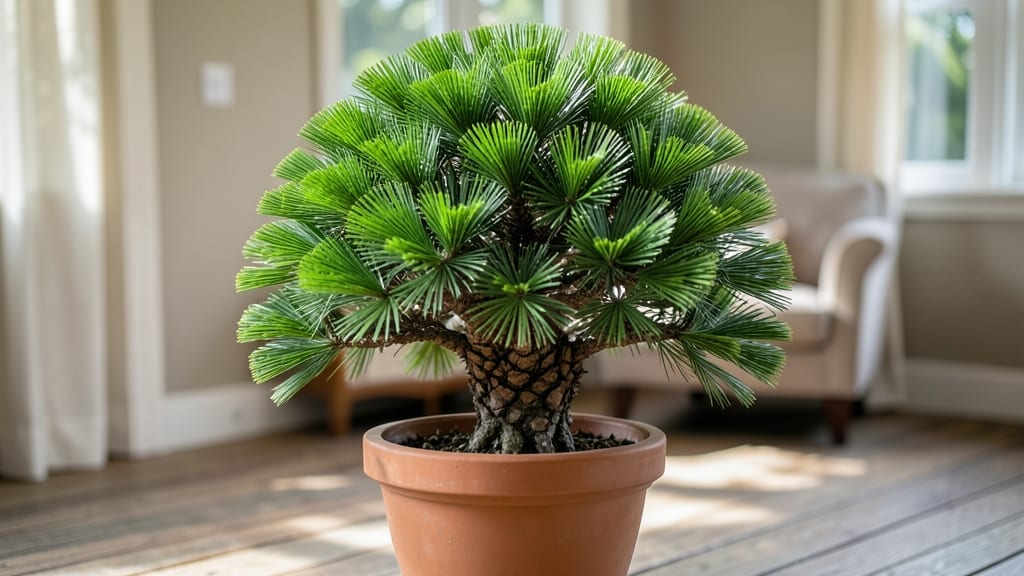
Growing a live pine tree in a pot means bringing that forest-fresh scent and year-round greenery to your patio or balcony. ✨ I’ve nurtured my own potted pine for five winters now, and the secret isn’t complicated—it’s about choosing the right species, pot, and care routine.
The payoff? A tree that stays lush even when your neighbors’ plants go dormant.
Start with a slow-growing species like Mugo pine or Dwarf Alberta spruce, both of which handle containers beautifully. Your pot needs drainage holes (non-negotiable) and should be at least 12 inches wide for small varieties, with soil that mimics their natural rocky, well-draining habitat.
Overwatering is the #1 killer—let the top inch dry out before watering again, and you’ll avoid the dreaded root rot that sinks so many potted trees.
With proper sunlight (full sun for 6+ hours daily) and a balanced fertilizer in spring and summer, your pine will grow steadily without outgrowing its pot too quickly. Prune only to shape, never to encourage growth—these trees thrive on restraint.
The real magic happens in winter: a thick layer of mulch and moving the pot to a sheltered spot keeps it happy through frost.
Common challenges like spider mites or needle drop are easy to prevent with regular checks and occasional neem oil sprays. Even in small spaces, a well-cared-for potted pine becomes the centerpiece that never loses its charm. Ready to bring that mountain air to your porch?
📚 In This Guide
- What you need
- Instructions
- Tips and common mistakes
- Wrapping up and next steps
What you need
- ● Pine Tree Seedling or Small Sapling: Choose a slow-growing variety like Pinus mugo (mugo pine) or Pinus sylvestris (Scots pine) for pots.
- ● Size: 1–3 gallons (smaller pots for dwarf varieties, larger for mature trees).
- ● Container: Material: Terracotta, ceramic, or plastic (ensure drainage holes!).
- ● Size: 12–18 inches in diameter (minimum) for stability and root growth.
- ● Depth: At least 12 inches deep (deeper for larger trees).
- ● Well-Draining Potting Mix: 50% peat-free potting soil (or coco coir for sustainability).
- ● 30% perlite or pumice (for aeration).
- ● 20% coarse sand or gravel (to prevent compaction).
- ● Drainage Layer: 2–3 inches of gravel or broken pottery shards (placed at the container’s base).
- ● Gloves (to protect hands from sap and soil).
- ● Trowel or small shovel (for planting and mixing soil).
- ● Watering can with a narrow spout (for precise watering).
- ○ Mulch (optional): Pine bark or wood chips (1–2 inches thick) to retain moisture and suppress weeds.
- ○ Slow-release fertilizer (optional): Balanced 10-10-10 or pine-specific fertilizer (apply sparingly, 2–3 times per year).
- ● Support stake (for young trees): A 3–4 ft bamboo or metal stake + soft ties to prevent tipping.
Step-by-Step guide to growing a live pine tree in a pot
Here's how to keep your evergreen beauty thriving in containers for years.
🪴 Step 1: Select the Right Pine Species and Pot
Choose a dwarf pine variety like 'Mops' or 'Pugio'—they're perfect for containers. The pot needs drainage holes and should be at least 12 inches deep for a 3-foot-tall tree. I use unglazed terra cotta because it breathes, but any durable material works.
Fill the bottom 2 inches with gravel or coarse sand for drainage. This prevents root rot, which is the #1 killer of potted pines. The pot should be 1-2 inches wider than the root ball to allow room for growth without overwhelming the plant.
🌱 Step 2: Prepare the Soil Mix for Optimal Growth
Pines hate soggy soil, so blend 60% acidic potting mix (pH 4.5-5.5) with 30% perlite and 10% coarse sand. This mimics their natural forest floor conditions. I always add 1 cup of peat moss to hold moisture without suffocating roots.
Moisten the mix until it's evenly damp—like a wrung-out sponge. Pack it gently into the pot, leaving 1 inch from the top. The goal is airy soil that drains fast but holds enough moisture for deep roots. Press down lightly to eliminate air pockets.
☀️ Step 3: Plant and Position for Maximum Sunlight
Remove the pine from its nursery pot and loosen the roots if they're circling. Place it in the center of your prepared pot, then fill around the sides with soil mix. Press lightly to secure but don't compact. Water immediately until it drains from the bottom holes.
Pines need full sun (6+ hours daily). A south-facing spot is ideal, but they'll tolerate morning sun with afternoon shade in hot climates. I rotate my pot quarter-turn weekly so the tree grows evenly—you'll notice new growth leaning toward the light if you skip this.
💧 Step 4: Water and Fertilize for Year-Round Health
Water when the top 1-2 inches of soil feel dry—about once a week in summer, less in winter. Drench until water runs from the drainage holes, then empty the saucer. Overwatering causes yellow needles, while underwatering makes them brittle and brown at the tips.
Fertilize once in early spring with slow-release pine fertilizer (10-10-10 ratio). I avoid liquid fertilizers—they can burn delicate roots. In fall, add a 2-inch layer of pine bark mulch to protect roots from winter cold and retain moisture.
✂️ Step 5: Prune and Maintain for Compact Growth
Prune in late winter before new growth starts. Remove dead branches first, then trim overly long branches by ⅓ to encourage bushiness. Use clean, sharp shears and make cuts just above a bud or branch collar. Never leave stubs—this invites disease.
Check for spider mites (tiny webs on needles) or pine bark beetles (sawdust-like frass). I spray with neem oil at first sign of pests. In 5-7 years, you may need to repot into a 4-inch larger container—this keeps your pine thriving for decades in the same spot.
Tips & tricks for perfect live pine tree in a pot
Here's what nobody tells you about keeping your container pine thriving for years—these tricks make all the difference.
Pot Selection Wisdom: Unglazed terra cotta isn't your only option, but it's the best for a reason—it wicks away excess moisture. If you choose plastic or glazed pots, add extra drainage holes yourself. I've seen potted pines thrive in fiberglass containers too, just make sure they have those critical drainage holes we talked about in Step 1. The pot's material affects how quickly soil dries, so adjust your watering schedule accordingly.
Soil Mix Secrets: That 60-30-10 ratio (acidic potting mix, perlite, sand) is non-negotiable, but here's the secret: add a handful of pine bark fines to your mix. It improves aeration and mimics forest floor conditions even better. If you can't find pine bark fines, crushed pine cones work in a pinch. The key is keeping that soil airy while maintaining acidity—pines hate compacted, alkaline soil.
Sunlight Strategy: That weekly quarter-turn rotation in Step 3 isn't just about looks—it's about preventing your pine from growing lopsided. I've seen trees develop permanent lean if skipped. For indoor growing, supplement with a grow light for 12-14 hours daily if natural light falls short. LED grow lights are energy-efficient and won't overheat your plant like incandescent bulbs.
Watering Rescue Plan: Yellow needles? Brown tips? These are your pine's SOS signals. Yellow means overwatering—let the top 2-3 inches dry completely before watering again. Brown tips mean underwatering or dry air—mist the needles occasionally or place the pot on a tray of pebbles with water (not touching the pot). The goal is consistent moisture without soggy roots. In winter, water even less—pines go semi-dormant when days shorten.
Pro Tips for Live Pine Tree In A Pot
- Here's what nobody tells you about keeping your container pine thriving for years—these tricks make all the difference.
- Pot Selection Wisdom: Unglazed terra cotta isn't your only option, but it's the best for a reason—it wicks away excess moisture.
- Soil Mix Secrets: That 60-30-10 ratio (acidic potting mix, perlite, sand) is non-negotiable, but here's the secret: add a handful of pine bark fines to your mix.
Frequently asked questions
Got questions about keeping a live pine tree in a pot thriving? You’re not alone! Here are answers to the most common concerns—from care tips to troubleshooting—so you can enjoy your evergreen beauty year-round.
How often should I water a potted pine tree?
Water your potted pine deeply but infrequently—about once a week in summer (or when the top 1–2 inches of soil feel dry). In winter, reduce to every 2–3 weeks. Overwatering is the #1 killer! Ensure the pot has drainage holes to prevent root rot. Pro tip: Stick your finger in the soil to check moisture levels.
Can a potted pine tree survive winter outdoors?
Yes, but with precautions! Most potted pines tolerate light frost, but heavy snow or freezing temps can damage branches. Move your tree to a sheltered spot (like a garage or covered porch) if temps drop below 15°F (-9°C). Use burlap to wrap the pot for extra insulation. Note: Dwarf varieties handle cold better than large ones.
What’s the best soil mix for a potted pine tree?
Use a well-draining mix: 60% potting soil, 30% perlite or coarse sand, and 10% peat moss or pine bark fines. Avoid garden soil—it compacts and suffocates roots. For container-specific blends, look for "acid-loving plant" mixes labeled for evergreens or conifers.
How do I know if my potted pine tree needs repotting?
Check for these signs: roots circling the pot’s base, soil drying out in <24 hours, or the tree toppling over. Repot in early spring (before new growth) into a container just 2–3 inches larger in diameter. Warning: Overpotting can lead to soggy soil—stick to the "snug fit" rule!
What pests should I watch for in a potted pine?
Common culprits include spider mites, aphids, and pine needle scale. Inspect needles for webbing, sticky residue (honeydew), or tiny bugs. Treat early with neem oil or insecticidal soap. For severe infestations, prune affected branches and isolate the tree until pests vanish. Prevention tip: Mist foliage weekly to deter mites!
What’s a good alternative if I can’t keep a pine alive?
Try these low-maintenance evergreens for pots:
- Dwarf Alberta Spruce – Cold-hardy and compact.
- Boxwood – Thrives in shade and tolerates pruning.
- Japanese Holly – Glossy leaves and berries for year-round color.
- Creeping Juniper – Hardy and drought-resistant.
Wrapping up and next steps
Bringing a live pine tree in a pot into your space is a fantastic way to enjoy nature’s evergreen charm year-round—no yard required! With the right container, soil, and care, your pine tree will thrive, adding freshness and beauty to any room. 🌲✨
Ready to get started? Pick your favorite pine variety, gather your supplies, and follow the steps to create your own compact evergreen masterpiece. Whether you’re a beginner or a seasoned gardener, this project is rewarding—and your future self (and guests!) will thank you.
Next step: Review the materials checklist and start planning your pine tree’s cozy new home today!