
Pests
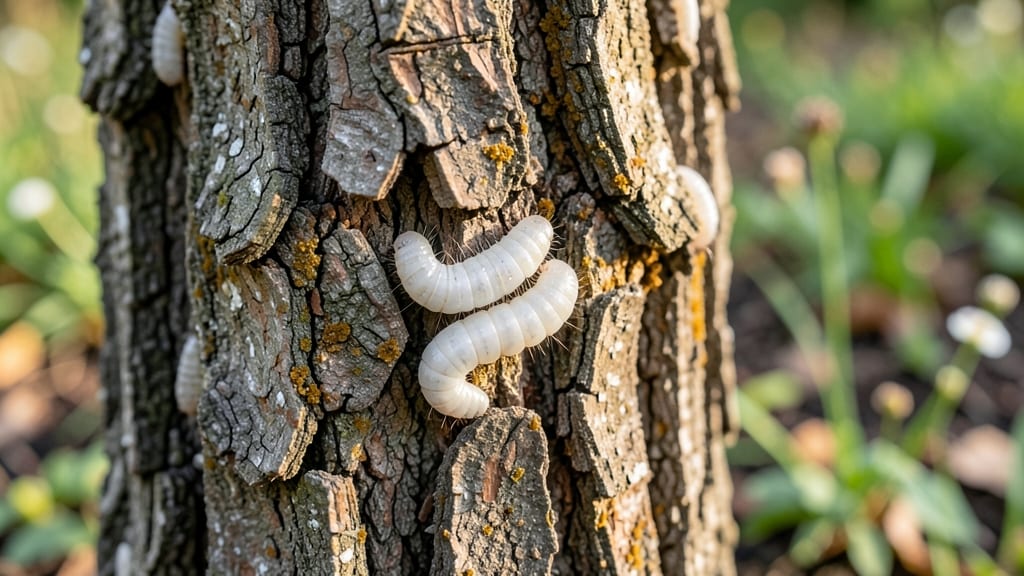
Those creepy little white worms tunneling through your tree bark aren't just unsightly—they're a fast-spreading sign of wood-boring pests that can weaken or even kill your tree. 🌳 I've seen healthy oaks turn into hollow shells in just two seasons when these critters go unchecked, and I'm here to help you identify them and act before it's too late.
The culprits are usually bark beetles or their larvae, though sometimes mealybugs or other sap-suckers create similar damage. You'll spot them as tiny white grubs in cracks, sawdust-like frass at the base, or wilting branches even when soil stays moist.
The good news? Most infestations can be stopped with quick action—no heavy chemicals needed.
Within a week of proper treatment, you'll see fresh frass slow down, new growth return to stressed branches, and those pesky worms disappear. The key is catching it early when the tree can still fight back.
We'll cover organic sprays, pruning techniques, and when to call in reinforcements for stubborn cases.
This works for fruit trees, shade trees, and even ornamental trees—just adjust the timing based on your local beetle season. Let's get your tree back to healthy and those worms out of the bark for good.
Root Causes Behind Bark Invaders
The presence of tiny white worms wriggling in tree bark isn’t just a random nuisance—it’s a clear sign of an underlying ecological imbalance or pest infestation. Understanding why these larvae show up in the first place helps you address the problem at its source.
Below, we break down the key triggers, from environmental factors to biological cycles, so you can take targeted action.
Stressed trees are like open doors for pests. When environmental conditions push a tree beyond its limits, its natural defenses weaken, making it an easy target for wood-boring larvae. Here’s how it happens:
- Drought or Overwatering:
Extreme moisture levels—whether from prolonged drought or waterlogged soil—disrupt a tree’s ability to produce protective resins.
These sticky compounds normally deter pests, but when they’re depleted, larvae like wood borers or sawfly caterpillars move in. Actionable fix: Monitor soil moisture and adjust watering to keep it consistently evenly damp but not soggy.
- Poor Soil Nutrition:
Trees deficient in nitrogen, potassium, or calcium struggle to maintain healthy bark and wood structure. Weakened tissue becomes a buffet for larvae. Actionable fix: Conduct a soil test and amend with compost, organic fertilizer, or mycorrhizal fungi to restore balance.
- Physical Damage:
Cracks, splits, or wounds (from storms, tools, or animals) create entry points. Larvae detect these vulnerabilities and burrow in to lay eggs. Actionable fix: Seal fresh wounds with pruning sealant or tree paint to block access.
Many of these "worms" are actually larval stages of insects that follow predictable life cycles. Their appearance in bark is tied to seasonal triggers and host plant availability.
| Pest Type | Why They Target Trees | Peak Activity Period |
|---|---|---|
| Wood Borer Larvae (e.g., Anobiidae) | Adult beetles lay eggs in cracks or dead wood. Larvae tunnel into sapwood, feeding on nutrients. Hotspot: Weak or dying trees. | Spring to early summer (egg-laying); larvae overwinter in bark. |
| Sawfly Caterpillars (e.g., Caliroa cerasi) | Adult sawflies deposit eggs on new leaf growth. Larvae chew into bark as they mature, creating serrated feeding patterns. | Late spring to early fall (outbreaks after mild winters). |
| Roundworm (Anguina spp.) | These parasitic nematodes infect trees through wounds or root zones, triggering gall formation where larvae develop. | Year-round in warm climates; dormant in cold winters. |
Pro Tip: 🌡️ Timing is everything. If you spot larvae in spring, focus on preventing adult beetles from laying eggs. In summer, prioritize removing infested bark to disrupt their life cycle.
Sometimes, the problem isn’t natural—it’s human-made. Poor landscaping practices or neglect can turn a healthy tree into a pest magnet.
- Improper Pruning:
Cutting too close to the trunk or leaving stubs creates perfect entry points. Actionable fix: Use clean, sharp tools and prune at a 45-degree angle just outside the branch collar.
- Firewood or Mulch Contamination:
Infested firewood or untreated mulch can introduce larvae to your yard. Actionable fix: Inspect new wood for boreholes or sawdust before storing it, and avoid piling mulch directly against tree trunks.
- Lack of Sanitation:
Leaving fallen fruit, sawdust, or pruned branches on the ground invites adult pests to lay eggs nearby. Actionable fix: Remove debris promptly and compost or dispose of infested material.
Key Takeaway: These worms don’t appear out of nowhere—they’re drawn to weakness, opportunity, or neglect. By addressing the root causes (literally and figuratively), you can starve out the problem before it spreads.
Eliminate Tree Bark Invaders Fast
If you’ve spotted little white worms in your tree bark, don’t panic—these pests are treatable! The key is identifying the culprit (likely wood-boring larvae like bark beetles, carpenterworms, or wood borers) and applying the right fix.
Below, we break down targeted solutions based on the root cause, plus long-term prevention to keep your tree healthy.
Mistakenly treating the wrong pest can harm your tree.
Quickly verify the invader: - Bark beetles? Look for tiny exit holes (1/16" round) and sawdust-like frass (boring dust). - Carpenterworms? Check for serpentine tunnels and larger exit holes (1/4" or bigger). - Wood borers? Inspect for long, smooth galleries under the bark.
Pro Tip: 💡 Use a flashlight and magnifying glass to inspect the bark closely. If unsure, snap a photo and compare it to online guides (like [University Extension resources](https://extension.umn.edu)).
If the infestation is small, physical removal can save your tree: #### 👨🍳 Scrape Off Larvae & Frass - Tools needed: Putty knife, stiff brush, gloves, and a bucket of soapy water. - Steps: 1. Gently pry open infested bark sections (focus on active tunnels).
- Scoop out larvae with the knife—drop them into soapy water to kill them instantly.
- Brush away frass (boring dust) to expose hidden larvae.
- Seal the wound with pruning sealant (not paint!) to prevent secondary infections.
⏰ Best Time to Act:
- Spring or early summer is ideal—larvae are vulnerable before they mature.
If manual removal isn’t enough, insecticides can help.
Choose based on the pest: | Pest Type | Recommended Treatment | How to Apply | |----------------------|----------------------------------------------------|-------------------------------------------| | Bark Beetles | Permethrin-based spray (e.g., Ortho Home Defense) | Spray infested bark and surrounding soil. | | Carpenterworms | Bifenthrin or carbaryl dust (e.g., Sevin) | Dust into tunnels or spray foliage. | | Wood Borers | Systemic insecticide (e.g., Imidacloprid) | Inject into trunk or apply as soil drench.|
⚠️ Warning: Always follow label instructions! Avoid over-spraying, and never use pesticides in flowering trees (it can harm pollinators).
Let nature help! Attract birds, parasitic wasps, and predatory beetles that eat wood-boring larvae:
- Plant native shrubs near your tree to lure beneficial insects.
- Avoid broad-spectrum pesticides—they kill helpful predators too.
- Leave some leaf litter under the tree for ground-dwelling predators.
Stop future infestations with these low-effort habits: - 🌳 Inspect trees annually (spring and fall) for early signs of boreholes. - 🪓 Prune damaged branches immediately—don’t leave dead wood hanging. - 💧 Water deeply but infrequently—stressed trees attract pests.
Aim for 1–2 inches of water per week. - 🛡️ Apply protective coatings (like borax-based wood treatments) to young trees. - 🌿 Keep grass trimmed around the tree base—tall grass hides pests.
If your tree is large, valuable, or heavily infested, hire an arborist for:
- Professional insecticide injections (systemic treatments).
- Structural pruning to remove infected wood safely.
- Emergency treatment for dying or high-risk trees (e.g., oaks vulnerable to bark beetles).
Final Note: 🌟 Most trees recover well if you act early. Even if some damage remains, healthy trees can seal off affected areas over time. Stay vigilant, and your tree will thank you!
Frequently asked questions
Are those little white worms actually harmful to my tree?
Yes, they're usually larvae of wood-boring pests like bark beetles or carpenterworms. These critters tunnel through bark, disrupting nutrient flow and creating entry points for disease. If left unchecked, they can weaken or even kill your tree by cutting off its food supply. The sooner you act, the better the chances of saving it.
How do I tell if the worms are bark beetle larvae vs. something else?
Look for these key differences: Bark beetle larvae leave tiny exit holes (1/16") and sawdust-like frass, while carpenterworm damage shows serpentine tunnels with larger exit holes (1/4"). Mealybugs appear as cottony clusters rather than worms. Use a flashlight to inspect cracks in the bark during daylight hours when larvae are most active.
Can I use vinegar or other household items to kill these worms?
Vinegar alone won't penetrate bark to kill larvae, but you can mix 1 part vinegar with 3 parts water and spray it on infested areas to help deter adult beetles. For better results, combine with neem oil (1 tablespoon per quart of water) - this disrupts their life cycle. Always test on a small area first to avoid damaging the bark.
Will my tree survive if I don't treat the infestation?
It depends on the tree's health and the pest type. Young trees or those already stressed often can't recover, while mature, healthy trees may survive minor damage. However, severe infestations can spread quickly, especially in drought conditions. Act within 2-4 weeks of noticing signs for the best chance of saving your tree.
How often should I check my trees for these pests?
Inspect your trees twice a year - once in early spring (when adult beetles emerge) and again in late summer (when larvae are most active). For high-risk trees (like oaks or pines), check monthly during peak beetle season. Look for fresh frass, exit holes, or wilting branches as early warning signs.