
Pruning
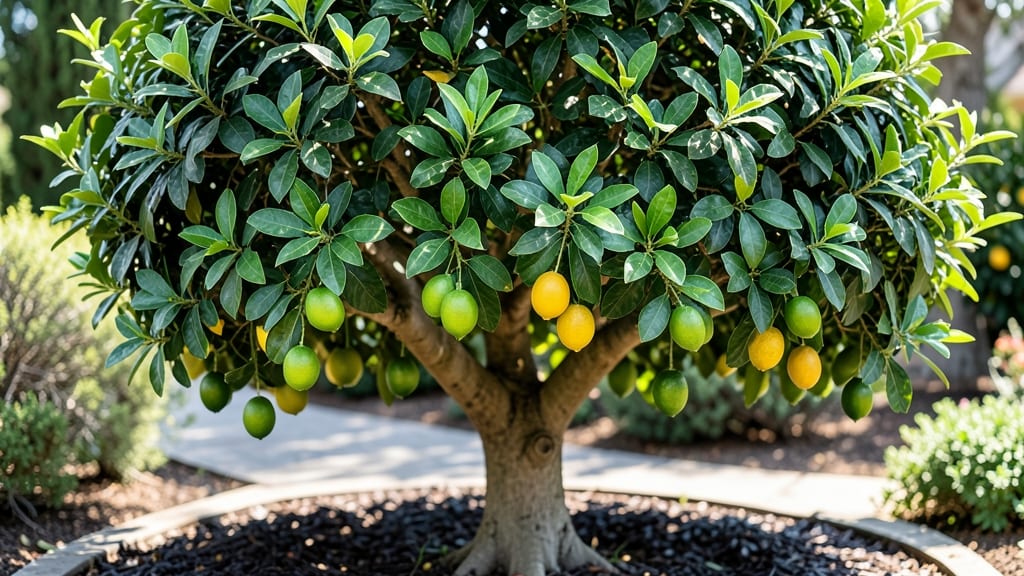
Your large lime tree could reach 30 feet tall—that’s why pruning isn’t optional, it’s essential for shaping a towering privacy screen without sacrificing fruit. 🌿 I’ve pruned my own citrus trees for years, and the difference between a wild, leggy mess and a structured, productive giant comes down to timing, technique, and a few key cuts.
The first step is understanding how these trees grow: they send up vigorous vertical shoots that need guidance, or they’ll outpace your yard’s boundaries in no time.
You’ll need sharp pruning shears, a ladder (or a brave friend), and a clear day—citrus trees bleed sap when cut, and doing this in wet weather just invites fungal trouble. The best time to prune is late winter or early spring, right before new growth starts.
That’s when you can see the tree’s structure clearly and make cuts that encourage dense, bushy growth rather than tall, sparse branches. Start by removing any dead, diseased, or crossing branches first—they’re the easy wins that improve airflow and light penetration instantly.
What you’ll end up with is a tree that stays within your property lines while still producing hundreds of limes each season. The key is thinning out the center to let sunlight reach the inner branches, and heading back the outer shoots to control height.
My tree now has a 15-foot canopy that blocks nosy neighbors’ views while still letting me reach the fruit—no more climbing ladders just to pick a few limes.
The pruning itself takes about 2-3 hours for a mature tree, but the payoff in fruit quality and tree health is worth every minute.
If you’re working with a young tree, start early—citrus trees respond best to gradual shaping. And for container-grown lime trees, the same rules apply, just on a smaller scale. The only difference is you’ll need to prune more frequently to keep the tree’s size in check.
Here’s how to make those first cuts without turning your tree into a topiary disaster.
📚 In This Guide
- What you need
- Instructions
- Tips and common mistakes
- Wrapping up and next steps
What you need
- ● Pruning shears or lopers: Bypass pruners (for cuts up to ¾ inch) or lopers (for thicker branches, 1–2 inches). Choose sharp, stainless steel blades to avoid crushing stems.
- ● Pruning saw: A curved-tooth pruning saw for branches over 2 inches in diameter. Look for a lightweight, ergonomic design for comfort during long pruning sessions.
- ● Ladder or extension pole: A stable, aluminum ladder (at least 20–24 feet tall) or a telehandler/cherry picker for towering trees (over 20 feet). Always prioritize safety—secure the ladder on level ground!
- ● Gloves: Heavy-duty, cut-resistant gloves (like mechanics’ gloves) to protect hands from thorns and sharp branches.
- ● Disinfectant (70% isopropyl alcohol or bleach solution): Clean tools between cuts to prevent disease spread (1 part bleach to 9 parts water).
- ● Heavy-duty trash bags or tarp: For collecting large amounts of pruned branches. A 50–100-gallon capacity works best.
- ● Work boots or sturdy shoes: Closed-toe, slip-resistant footwear for stability on uneven terrain.
- ● Safety glasses: Protect your eyes from debris—ANSI-rated goggles are ideal.
- ○ Work vest or high-visibility clothing: Optional but highly recommended if working near roads or in shared spaces.
- ● Pole pruner: Extends reach for high branches without a ladder (great for 15–30 feet).
- ○ Tree wound dressing (optional): Not scientifically proven to help, but some gardeners use pruning sealant for large cuts (follow product instructions).
- ● Garden hose or spray bottle: Keep tools and hands clean while working.
- ● First-aid kit: Bandages, antiseptic wipes, and tweezers for quick cleanups.
- ● Camera or phone: Document your progress or share your privacy screen transformation!
Step-by-Step guide to pruning your towering lime tree privacy screen
Transform that wild, overgrown lime tree into a lush, structured privacy screen with these clear steps.
✂️ Step 1: Assess the Tree Structure and Identify Key Branches
Start by examining your lime tree from all sides—look for branches that cross, grow inward, or rub against each other. These are your first targets because they create weak points where disease can enter. I like to use a small flag or string to mark branches that need removal so I don’t miss any during the process.
Next, identify the main scaffold branches—the sturdy, outward-growing limbs that form the tree’s framework. These should be spaced about 6-12 inches apart along the trunk. Weak or competing branches (thinner than a pencil) can be pruned back to encourage stronger growth. Avoid cutting back more than 25% of the tree’s canopy in one session—this prevents stress and shock.
✂️ Step 2: Prune for Shape and Airflow Using the Right Tools
Use sharp, clean pruning shears for branches under ½ inch thick and a pruning saw for thicker limbs. Always make cuts just outside the branch collar—the swollen area where the branch meets the trunk—to promote faster healing. I angle my cuts slightly away from the trunk to prevent water from pooling and causing rot.
Shape the tree by removing branches that grow straight up or inward. Aim for an open, vase-like structure that allows sunlight and air to circulate throughout the canopy. This prevents fungal diseases and ensures even fruit production. For a privacy screen, focus on encouraging horizontal growth by trimming vertical shoots back to a lateral branch or bud.
☀️ Step 3: Thin the Canopy for Light Penetration and Fruit Production
Thin out dense areas of the canopy by selectively removing about 30% of the smaller branches to let sunlight reach the inner branches. This step is critical for lime trees—without light penetration, the center of the tree can become bare and weak. Start at the bottom and work your way up, removing branches that block light from reaching lower limbs.
Watch for water sprouts—fast-growing, vertical shoots that emerge from the trunk or branches. These sap-suckers drain energy from the tree and should be pruned back to the point of origin. After thinning, step back and visualize the tree from a distance. You’re looking for a balanced, full appearance with no bare spots or overcrowded areas.
⏰ Step 4: Clean Up and Monitor for Recovery
After pruning, collect all debris and dispose of it properly—don’t leave clippings on the ground, as they can harbor pests and diseases. Sterilize your tools with rubbing alcohol or a bleach solution to prevent spreading pathogens between cuts. I also apply a thin layer of wound sealant to larger cuts to speed up healing, though smaller cuts will seal naturally over time.
Monitor the tree closely for the first 2-3 weeks after pruning. Look for signs of stress like wilting leaves or oozing sap, which can indicate over-pruning. If you see new growth emerging from the branch collars, that’s a good sign the tree is recovering. Water deeply but avoid overwatering—lime trees are drought-tolerant once established, and excessive moisture can stress the roots.
Tips & tricks for pruning towering lime trees
Here's what nobody tells you about transforming your wild lime tree into a perfect privacy screen.
Branch Selection Strategy: When identifying branches in Step 1, focus on removing those growing toward the center of the tree first. These "inward branches" compete for sunlight and nutrients, weakening your privacy screen's structure. I use a simple trick: hold your hand at arm's length and look through the branches—anything blocking your view from multiple angles needs to go. This creates that beautiful, layered effect you see in professional hedges.
Cutting Technique: In Step 2, the angle of your cut matters more than you think. Make your cuts just outside the branch collar at a 45-degree angle, sloping away from the trunk. This creates a natural shield that protects the wound from water penetration. I've seen too many pruning jobs fail because people made flat cuts that collect water like little bowls, leading to rot. For thicker branches, use a pruning saw to avoid tearing the bark.
Canopy Visualization: After thinning in Step 3, step back and look at your tree from all sides. You should see an open, vase-like shape with sunlight streaming through the center. If you spot bare spots, it means you've removed too many branches from that area. Lime trees naturally grow in this shape—think of it as creating a living fence where light can filter through while still providing privacy. This also prevents that "dead center" look many trees develop when over-pruned.
Recovery Monitoring: During the 2-3 week recovery period in Step 4, watch for new growth emerging from the branch collars. This is your tree's way of telling you it's healing properly. If you see excessive sap oozing from cuts, that's a sign you've made wounds too large. In that case, apply a thin layer of wound sealant (available at garden centers) to larger cuts—it's like putting a bandage on a paper cut for your tree.
Pro Tips for Lime Tree Large
- Here's what nobody tells you about transforming your wild lime tree into a perfect privacy screen.
- Branch Selection Strategy: When identifying branches in Step 1, focus on removing those growing toward the center of the tree first.
- Cutting Technique: In Step 2, the angle of your cut matters more than you think.
Frequently asked questions
How often should I prune a large lime tree for privacy screens?
Prune your large lime tree once a year, ideally in late winter or early spring (before new growth starts). For privacy screens, light shaping can be done in summer, but avoid heavy cuts then—it stresses the tree. Focus on removing dead wood, crossing branches, and thinning out dense areas for airflow. Pro tip: Never prune more than 25% of the foliage in one session!
Can I prune a lime tree at any time of year?
While you can prune lime trees year-round, timing matters! Avoid heavy pruning in fall or winter (especially in cold climates), as it can leave cuts vulnerable to frost damage. Summer pruning is possible, but limit it to minor adjustments—too much heat stress can harm the tree. Best window: Late winter/early spring (just before buds swell).
What’s the best way to prune a lime tree for a thick, dense privacy screen?
For a lush screen, prioritize selective thinning over aggressive cutting. Remove:
- Dead, diseased, or crossing branches (cut at the branch collar).
- Suckers at the base (they drain energy from the main trunk).
- Overly dense inner branches to improve airflow (reduces pests/diseases).
Use sharp bypass pruners for clean cuts, and avoid "topping" (cutting flat at the top)—it weakens the tree. Goal: Encourage upward growth for height while maintaining a full canopy.
My lime tree’s branches are growing unevenly—how do I fix it?
Uneven growth often happens from poor pruning or light exposure. To balance it:
- Identify sunny vs. shaded sides—trim back vigorous branches on sunlit sides to redirect energy.
- Encourage growth on sparse sides by pruning above outward-facing buds (this trains branches to grow outward).
- Fertilize lightly with citrus-specific fertilizer in early spring to promote even regrowth.
Patience is key! It may take 1–2 years to see balanced growth.
Will pruning my lime tree reduce fruit production?
Pruning can temporarily reduce fruit, but proper techniques actually improve long-term yield. Focus on:
- Removing water sprouts (fast-growing vertical shoots that steal energy).
- Avoiding heavy cuts during flowering season (late winter/early spring is safest).
- Thinning dense branches to let sunlight reach inner fruit.
If fruit is a priority, prune lightly and prioritize air circulation to prevent disease (which kills fruit).
What should I do if my lime tree starts bleeding sap after pruning?
Sap bleeding is normal for citrus trees but can attract pests. To minimize it:
- Prune on dry, cool days (not hot or windy).
- Use clean, sharp tools to avoid tearing bark.
- Seal cuts only if they’re larger than ½ inch—use pruning sealant (or a 50/50 mix of beeswax and turpentine).
Most trees stop bleeding after 1–2 weeks. If sap persists or turns moldy, consult a local arborist.
Wrapping up and next steps
Pruning your large lime tree into a stunning privacy screen is a rewarding project that combines patience, skill, and a little green thumb love! 🌿 By following the right techniques—like timing, tool selection, and strategic cuts—you’ll not only enhance its health and shape but also create a lush, natural barrier for your outdoor space.
Ready to roll up your sleeves? Start small—tackle one section at a time, and don’t forget to celebrate every step! Whether you’re a seasoned gardener or just beginning, your lime tree will thank you with vibrant growth and year-round beauty. Now grab those shears and get pruning! 🌱✂️