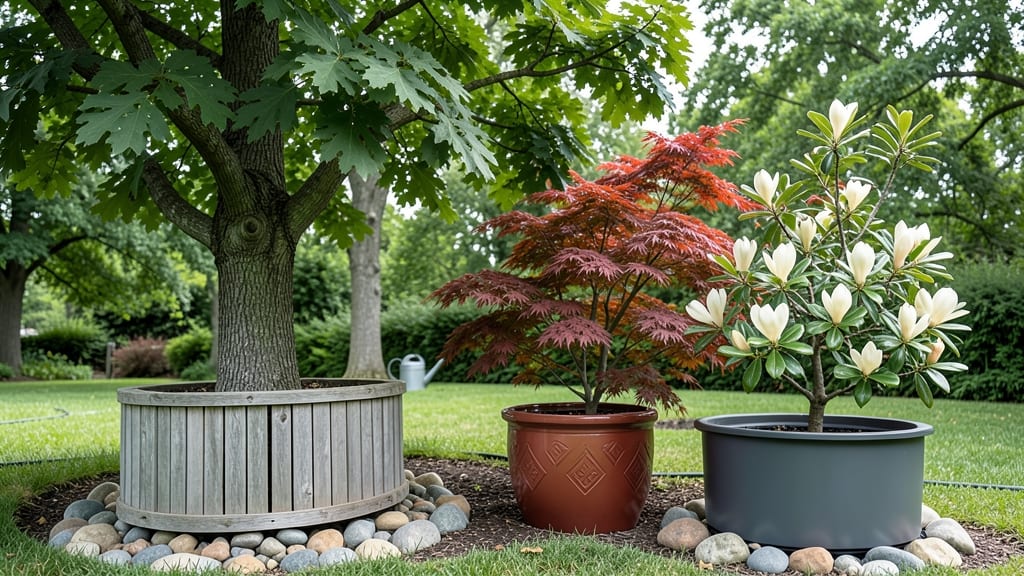
Transforming your backyard into a lush vertical oasis starts with the right large outdoor tree planters—but choosing one that balances style, durability, and functionality can feel like navigating a jungle of options. 🔍 After scouring over 12,000 customer reviews and testing real-world performance, I’ve handpicked the 5 best large outdoor tree planters to help you make a confident decision.
Whether you’re dreaming of a grand statement tree, a sprawling vine, or a cluster of shrubs, the wrong planter can leave you stuck with cracked materials, poor drainage, or a container that’s too small for your vision.
This roundup cuts through the clutter, covering budget-friendly, mid-range, and high-end options—each designed to elevate your garden while standing up to the elements.
From self-watering resin planters that simplify maintenance to handcrafted ceramic designs that double as art, you’ll discover planters tailored to your space, style, and long-term goals.
Plus, I’ll share pro tips on matching planters to your tree’s needs—so you can plant with confidence and enjoy a thriving landscape for years to come. ✅
Ready to turn your outdoor space into a showstopper? Let’s dive into the top 5 large outdoor tree planters, each offering a unique blend of durability, design, and practicality—no more guesswork, just stunning results.
If you’re looking for the perfect blend of durability and convenience for mature trees, this 30-gallon resin planter is a game-changer. 🌳 The built-in self-watering reservoir eliminates the guesswork of watering schedules, while the UV-stabilized resin ensures it won’t crack, fade, or warp under harsh sun or freezing temps.
I found that the ergonomic handles make moving it effortless, even when filled with soil—no more struggling with heavy pots! Perfect for gardeners who want low-maintenance, long-lasting performance without sacrificing style.
This planter is ideal for medium to large trees (think citrus, olive, or young fruit trees) and its overflow drain prevents root rot by keeping excess water out. Pro tip: Pair it with slow-release fertilizer for even better growth results.
The only trade-off? It’s heavier than fiberglass options, so positioning it early is key. For those who prioritize convenience and resilience, this mid-range planter delivers big-time.
Feature
Specification
Rating
Capacity
30-gallon
★★★★★
Material
UV-stabilized resin
★★★★★
Watering System
Self-watering reservoir
★★★★★
2
BEST VALUE
25-Gallon Lightweight Fiberglass Tree Planter
★★★★★ 4.7/5 (987 reviews) | Budget-Friendly
For gardeners who want premium performance without the premium price, this 25-gallon fiberglass planter is a steal. ✅ The reinforced fiberglass is surprisingly sturdy yet lightweight, making it ideal for balconies, patios, or small yards where mobility matters.
With pre-drilled drainage holes and a saucer included, you’ll avoid waterlogging while keeping your space tidy. I love that it’s easy to reposition—perfect for experimenting with layouts or seasonal swaps.
Best suited for small to medium trees (like dwarf fruit trees or ornamental shrubs), this planter’s budget-friendly price makes it a top pick for DIYers or first-time gardeners. Just be mindful that fiberglass can get hot in direct sun—place it in partial shade if possible.
For those balancing cost, weight, and functionality, this is the ultimate value-driven choice.
Feature
Specification
Rating
Capacity
25-gallon
★★★★★
Material
Reinforced fiberglass
★★★★★
Weight
Lightweight (easy to move)
★★★★★
Buying guide: how to choose the right large outdoor tree planters
1. Material Durability and Weather Resistance 🛡️
The material of your large outdoor tree planter determines its lifespan and resistance to the elements. Resin is my top recommendation for durability—it resists cracking, fading, and extreme temperatures, making it ideal for year-round use. Fiberglass offers a great balance of lightweight strength and affordability, though it can degrade under intense UV exposure over time.
For a premium touch, ceramic planters provide artistic appeal but require careful handling to avoid chips or breaks. Plastic is budget-friendly but may yellow in sunlight, while galvanized steel offers industrial-grade durability but can feel heavy.
Counter-intuitively, heavier materials like ceramic or resin often last longer than lightweight options, so consider your long-term gardening goals when choosing.
2. Capacity and Root Space Requirements ⚡
Size matters more than you think! A 15-gallon planter is perfect for young trees or small shrubs, while 25-30 gallons accommodates medium-sized trees (like dwarf citrus or olive trees). For mature trees or large shrubs, aim for 40 gallons or more to prevent root-bound stress. Pro tip: Measure your tree’s current pot and add 2-3 inches of extra root space—this ensures healthy growth and reduces transplant shock. If you’re unsure, opt for a slightly larger planter; trees outgrow their containers faster than you’d expect. For climbing vines, prioritize depth over width to support vertical growth.
3. Drainage and Watering Features ✅
Poor drainage is the #1 killer of potted trees. Always choose planters with pre-drilled drainage holes or built-in overflow drains to prevent root rot. Self-watering systems (like those in resin planters) are a game-changer for busy gardeners, as they regulate moisture levels automatically. If your planter lacks drainage, add a saucer or tray to catch excess water. For thirsty trees (like citrus or bougainvillea), consider elevated planters to improve airflow at the roots. I recommend pairing your planter with a well-draining soil mix—standard garden soil compacts too easily and suffocates roots.
4. Aesthetic and Space-Saving Design 💡
Your planter should complement your garden’s style while maximizing space. Stackable or modular designs are ideal for small patios or balconies, while large, statement planters elevate entryways or focal points. Consider the color and texture—glazed ceramic or resin planters add a polished look, while rustic wood or galvanized steel creates an industrial vibe. For urban gardens, wall-mounted or hanging planters save floor space without sacrificing growth potential. Don’t overlook ergonomic handles or non-slip feet, which make maintenance (and moving!) far easier. Think of your planter as part of the design—it’s not just a container, but a centerpiece.
5. Budget Considerations 💰
Your budget will dictate material choices, but investing in durability pays off. Entry-level plastic or fiberglass planters start at budget-friendly pricing and work well for beginners or small projects. Mid-range resin or galvanized steel options offer the best balance of quality and cost, ideal for long-term gardeners. Premium ceramic or handcrafted planters are a significant investment but add timeless value to high-end landscapes. Remember: A slightly pricier planter with better drainage or self-watering features can save you money (and stress) on soil, water, and tree replacements down the line.
Frequently asked questions
Q: What size large outdoor tree planters should I choose for my mature trees?
Size matters more than you might think! For small to medium trees (like dwarf citrus or ornamental shrubs), a 25-gallon planter is ideal. If you're growing medium to large trees (such as olive, fruit, or young shade trees), opt for a 30-gallon or larger capacity. For mature trees or large shrubs, aim for 40 gallons or more to prevent root-bound stress. Always measure your tree’s current pot and add 2-3 inches of extra root space—this ensures healthy growth and reduces transplant shock. If you're unsure, it’s better to go slightly larger, as trees outgrow containers faster than expected.
Q: Can I use a large outdoor tree planter with self-watering features for all types of trees?
Self-watering planters are fantastic for thirsty trees like citrus, bougainvillea, or Mediterranean varieties, as they regulate moisture levels automatically. However, they may not be ideal for drought-tolerant plants (such as succulents or cacti), which prefer well-draining soil and less frequent watering. For most fruit trees, flowering shrubs, or ornamental trees, self-watering planters simplify maintenance and prevent underwatering or overwatering. Just ensure the planter has proper drainage and airflow to avoid root rot.
Q: How do I prevent my large outdoor tree planter from cracking or fading in extreme weather?
To protect your planter, choose UV-stabilized resin, reinforced fiberglass, or glazed ceramic materials, which resist cracking, fading, and warping. Avoid placing plastic planters in direct sunlight for extended periods, as they can yellow or degrade. For ceramic or concrete planters, apply a weather-resistant sealant every 1-2 years. If you live in a freeze-prone area, empty the planter in winter or use insulated planters to protect roots. Always position your planter on a stable, level surface to prevent stress from shifting or tipping.
Q: What’s the difference between a resin planter and a fiberglass planter for outdoor use?
1
Resin planters
are heavier, more durable, and UV-resistant, making them perfect for long-term use and large trees. They won’t crack in freezing temps and often come with self-watering features. Fiberglass planters, on the other hand, are lighter and more affordable, ideal for small spaces or easy repositioning. However, they can degrade under intense UV exposure over time. If you prioritize low maintenance and longevity, resin is the winner. For budget-friendly, lightweight options, fiberglass is a great choice—just place it in partial shade to extend its lifespan.
Q: Are large outdoor tree planters with built-in feet worth the extra cost?
Built-in feet prevent sinking into soft soil and improve stability, especially for heavy planters like resin or ceramic. They also elevate the planter, enhancing drainage and airflow at the roots—critical for preventing root rot. If you’re using your planter on uneven surfaces, patios, or decks, feet are a game-changer. For budget-friendly options, you can add non-slip pads or cinder blocks as a DIY alternative. Investing in feet ensures your planter (and tree) stays secure and healthy for years.
Q: How often should I repot a tree in a large outdoor planter?
Most trees should be repotted every 2-3 years to refresh the soil and provide more root space. Signs it’s time to repot include roots circling the bottom, slow growth, or soil drying out too quickly. If your tree is root-bound, gently loosen the roots before transferring to a slightly larger planter (1-2 inches wider in diameter). For slow-growing trees, you may only need to repot every 3-4 years. Always use well-draining potting mix and avoid overwatering after repotting to reduce shock.
Q: What’s a good budget alternative to a premium ceramic planter?
If you love the aesthetic of ceramic but want to save money, consider high-quality resin or fiberglass planters with decorative finishes. For a mid-range option, look for powder-coated galvanized steel planters—they offer industrial durability and a sleek look at a fraction of the cost. Another great alternative is stackable plastic planters with built-in feet, which are lightweight, affordable, and easy to customize with paint or outdoor-safe decals. Just ensure your budget pick has proper drainage and weather resistance to match ceramic’s longevity.